
Where the Name Even Applies
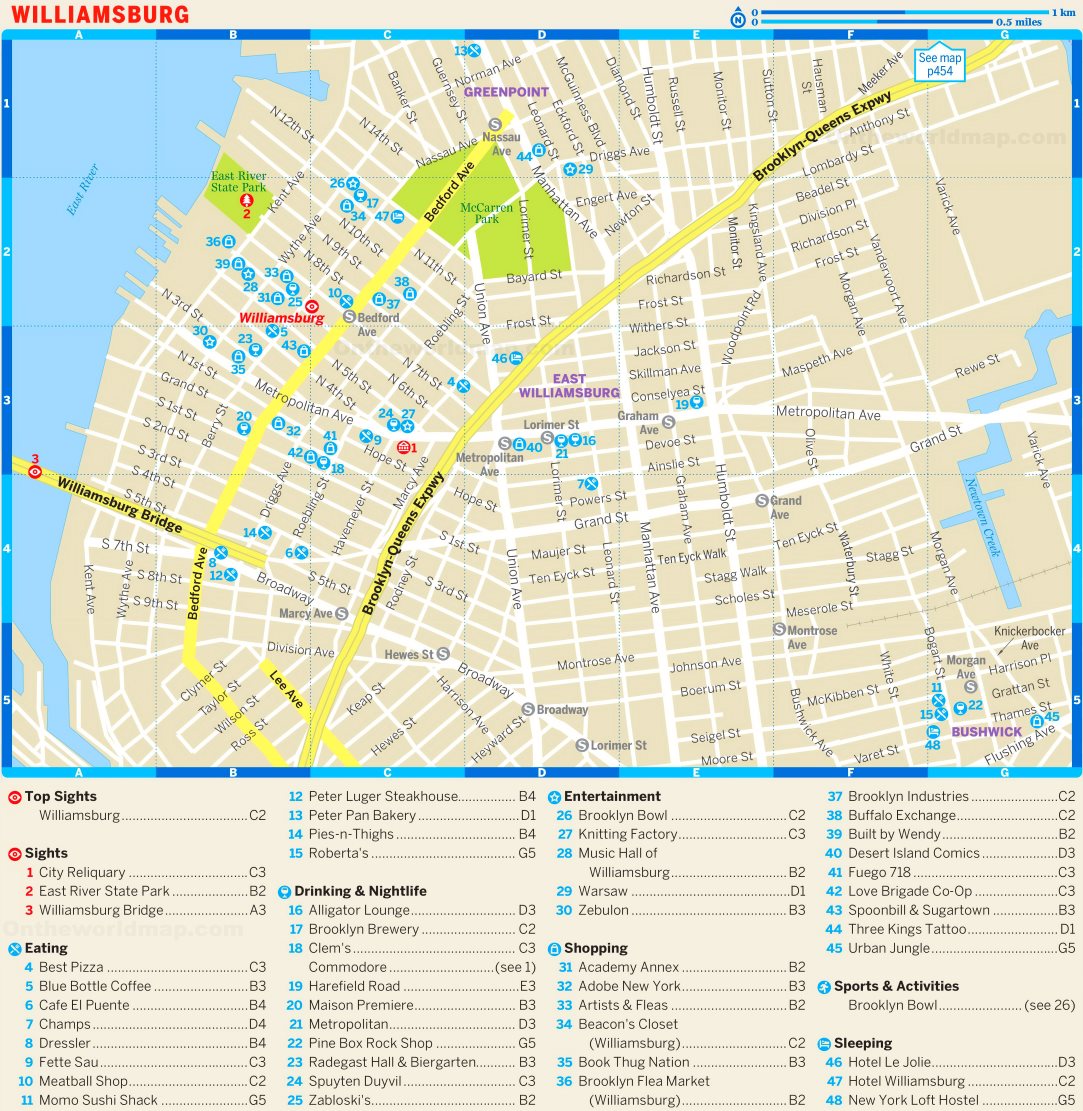
Ask three sources to draw South Williamsburg and you get three different shapes. The NYC Department of City Planning’s Neighborhood Tabulation Areas, built for Census reporting, don’t include a “South Williamsburg” unit at all: the area sits inside the NTA labeled plainly “Williamsburg” (BK72), distinct from the “North Side-South Side” NTA (BK73) that covers the trendier blocks most outsiders picture when they hear the neighborhood’s name. USPS ZIP boundaries split the area across 11211 and part of 11249, both of which also cover the North Side. Residents and brokers use a named-street definition instead: Division Street and Broadway mark the boundary with the North Side, Flushing Avenue marks the southern edge toward Bedford-Stuyvesant, and Kent Avenue and the East River form the western edge.
None of these three systems agree, and that mismatch has a direct consequence for anyone comparing listings: a portal’s “Williamsburg” price series, sale or rental, is not a South Williamsburg number. It is a blend across NTA BK72 and BK73 that no public tracker currently disaggregates. Buyers who want a real South Williamsburg comp set need an agent pulling sales specifically from blocks inside the named-street boundary, not a neighborhood-level chart.
Is South Williamsburg the same as Williamsburg? No. It’s the southern section of the larger Williamsburg area, distinguished locally by its large Hasidic Jewish population and its mix of prewar rowhouses and waterfront condo towers, but it isn’t a separate unit in the city’s own tabulation geography or in ZIP-code data.
Housing Stock: Rowhouses, Yeshivas, and the Kent Avenue Waterfront
The Hasidic Residential Core
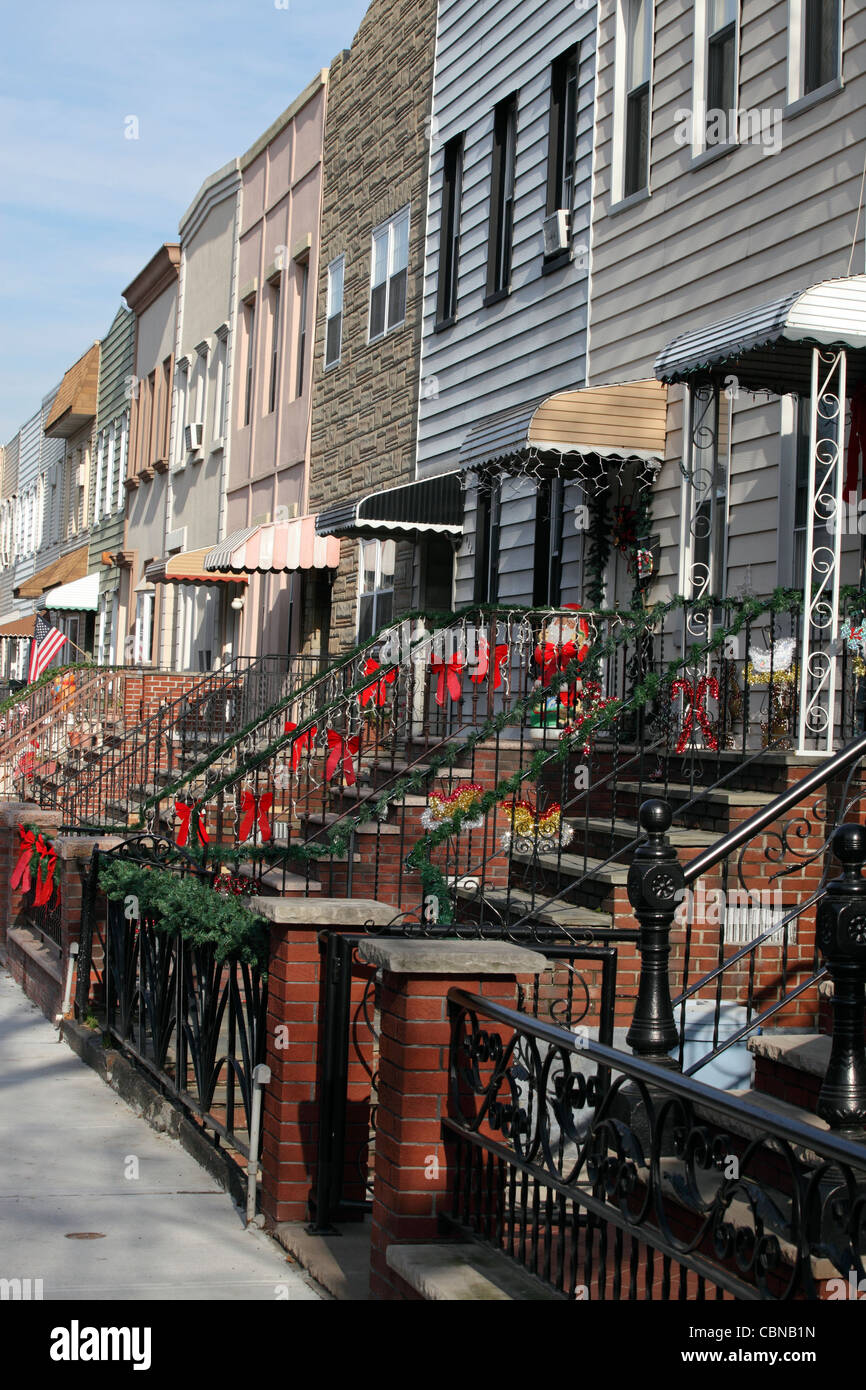
The blocks nearer Lee Avenue and Bedford Avenue carry the area’s older housing stock: prewar and postwar rowhouses, small multifamily buildings, and co-ops, largely owner-occupied by the Satmar Hasidic community that has anchored this section of Williamsburg since the postwar period. Household composition here runs toward large families, and building stock reflects it: fewer studios and one-bedrooms, more three- and four-bedroom configurations than the waterfront supports.
The Kent Avenue Waterfront
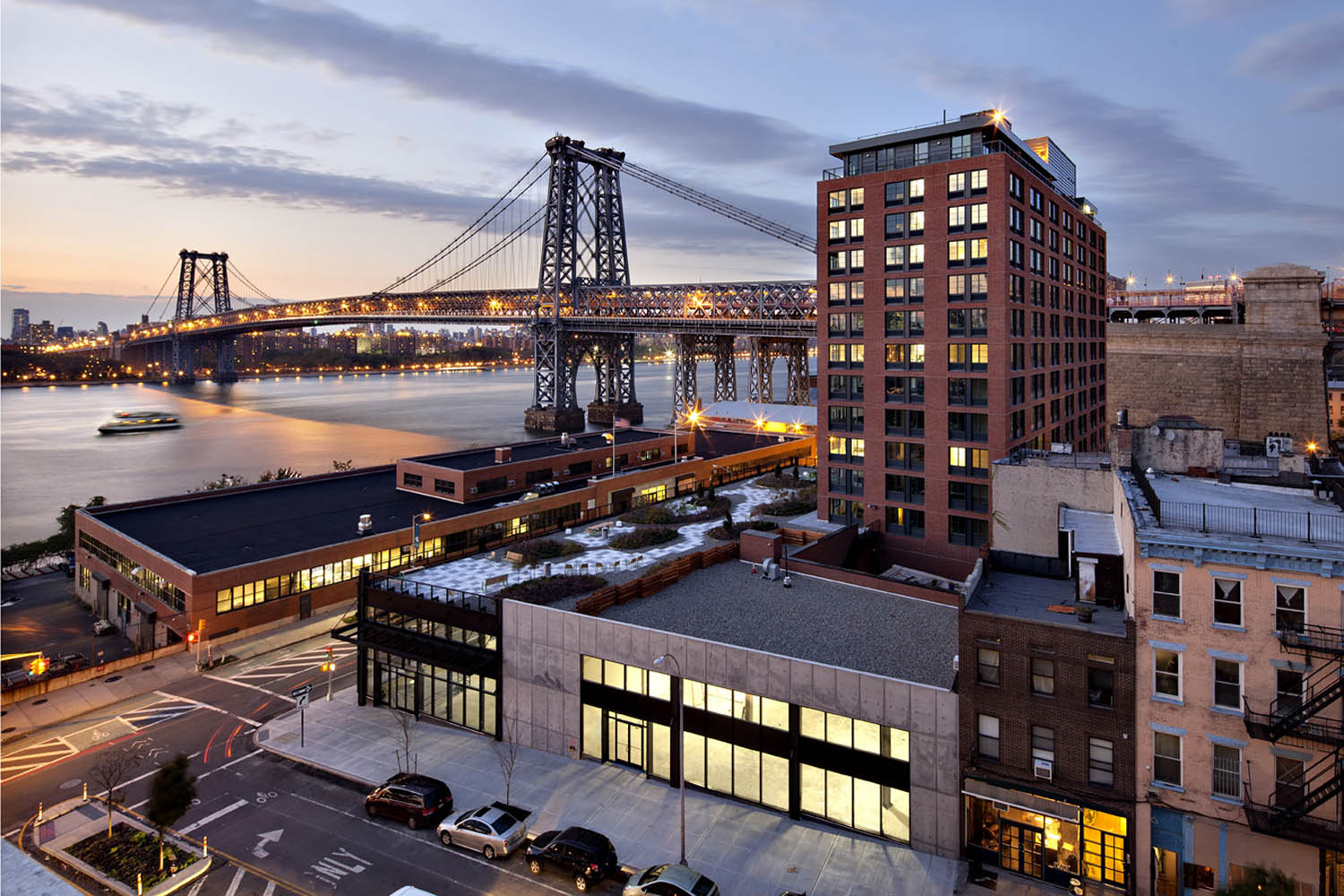
A separate housing type sits along Kent Avenue: condo towers built in the 2000s and 2010s wave of waterfront redevelopment. Schaefer Landing opened in 2006 with a 421-a tax abatement that runs until 2032, according to a CityRealty feature on abated listings. The Oosten, at 429 Kent Avenue, is a 216-unit building completed in 2015, designed by Dutch architect Piet Boon, with a 421-a abatement that Compass’s building data lists as expiring in 2032, though one older unit listing describes a 15-year term running to 2033. That single-year gap is worth naming rather than smoothing over: building-level data from the developer’s own filings is the more reliable figure, and a buyer should verify the exact year against the NYC Department of Finance’s property lookup before relying on either secondhand figure.
Why don’t price trackers report South Williamsburg on its own? Because the geographies used for public data, NTAs and ZIP codes, don’t carve out the area separately. Every “Williamsburg” price figure from Redfin, StreetEasy, or similar sources includes the North Side and South Side together.
What Drives Price Block by Block
Two variables explain most of the spread inside the area. First, distance from the Kent Avenue corridor: waterfront condos command the top end of the per-square-foot range, while side-street rowhouses and co-ops several blocks inland sell at a discount that no blended neighborhood figure captures. Second, building type itself: co-op sales require board approval and carry lower price-per-square-foot figures than condos, while condo towers built under 421-a carry lower carrying costs during the abatement period, which shows up in asking price even when the underlying unit isn’t larger.
| Housing type | Typical ownership | Where it concentrates | Price signal |
|---|---|---|---|
| Prewar rowhouses, small multifamily | Fee simple, owner-occupied | Blocks near Lee and Bedford Avenues | Not tracked separately; requires an agent-pulled comp set |
| Co-ops | Shares, board approval required | Scattered mid-block, both sub-areas | Lower price per square foot than condos; sale prices public only at closing |
| Waterfront condos (2006–2015 wave) | Condo, no board approval | Kent Avenue corridor (Schaefer Landing, The Oosten) | Highest per-square-foot closings in the area; carries most active 421-a inventory |
| Newer rental construction | Rental, often rent-stabilized for the abatement term | Scattered waterfront and mid-block sites | Sets the area’s asking-rent benchmark |
The condo-versus-co-op line matters more here than the raw price gap suggests: a board-approval process that can take four to six weeks adds real timeline risk to an offer in the Hasidic-core blocks, a friction the waterfront condo stock simply doesn’t have.
Do I need to consider co-op board approval here? Only if you’re buying in the older housing stock away from the waterfront. Nearly all of the Kent Avenue tower inventory, including Schaefer Landing and The Oosten, is condominium, which skips board review entirely.
What It Costs: Taxes and Abatement Math
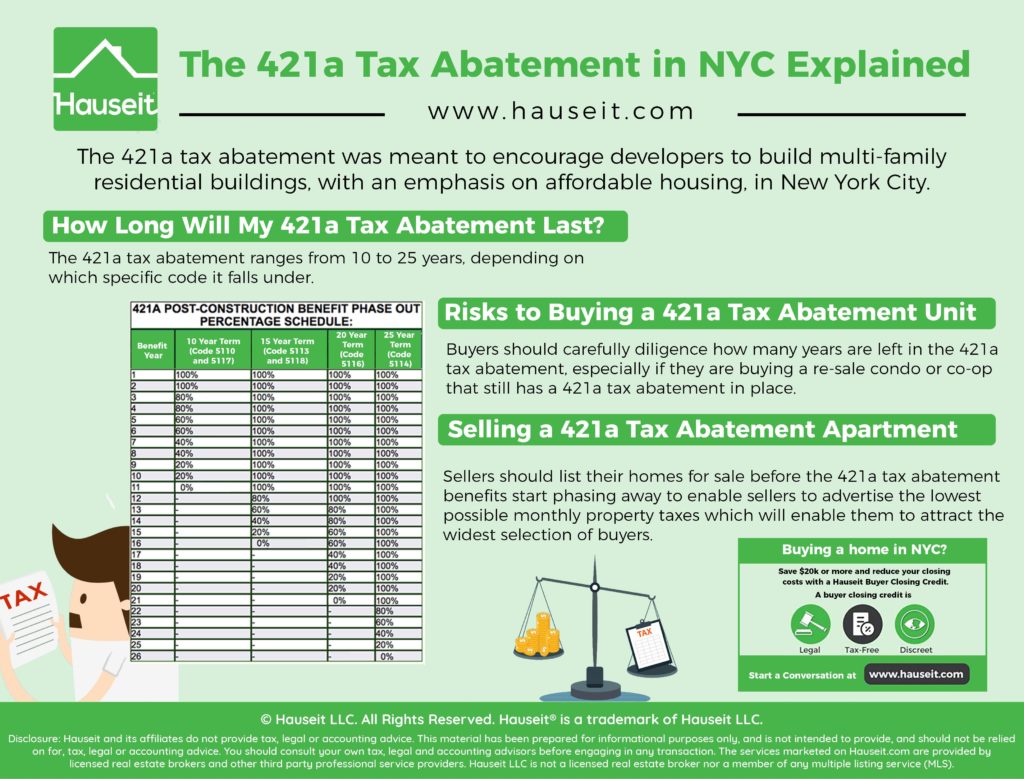
The 421-a tax exemption program, which subsidized most of the waterfront condo construction above, expired on June 15, 2022, and was replaced by the 485-x program under the 2024 state budget, per the NYC Department of Finance. That means no new South Williamsburg construction will carry a fresh 421-a abatement, but existing units, including Schaefer Landing and The Oosten, continue on their original schedules through the early 2030s. A resale buyer inherits the remaining years on that schedule tied to the building’s certificate of occupancy, not a fresh term starting at closing.
| Cost category | Typical mechanism | Where to verify |
|---|---|---|
| Property tax under an active 421-a abatement | Assessed value abated on a phase-in schedule set at the certificate of occupancy | NYC Department of Finance Property Tax Exemption lookup |
| Property tax after abatement expiration | Full Class 2 assessment applies once the schedule completes | The building’s offering plan, filed with the NY Attorney General |
| Co-op maintenance vs. condo common charges | Co-ops bill one consolidated tax through monthly maintenance; condos bill taxes and common charges separately | The building’s most recent board financial statement |
| Post-abatement carrying-cost jump | The monthly tax line can rise sharply once phase-in completes | Confirm remaining years with the seller’s attorney before making an offer |
Buyers weighing a 2032-abatement unit against a comparable non-abated listing should run the math on what full Class 2 taxes will look like in six years, not just what the current monthly bill shows.
Rental Demand and the Investor Angle
Broader Williamsburg’s median asking rent sat at $4,750 in 2025, more than 30% above the Brooklyn-wide median of $3,600, according to StreetEasy’s neighborhood data. That figure again blends both sub-areas, so an investor targeting South Williamsburg specifically should expect the Hasidic-core rental stock, smaller, older buildings with less amenity infrastructure, to rent below that blended figure, and waterfront units built under rent-stabilization terms tied to their abatements to rent closer to or above it. A 421-a rental building’s rent-stabilization requirement is itself worth pricing into a purchase: it caps rent growth for the benefit period, which changes the yield math versus an unregulated unit.
Schools and the Public-Private Gap
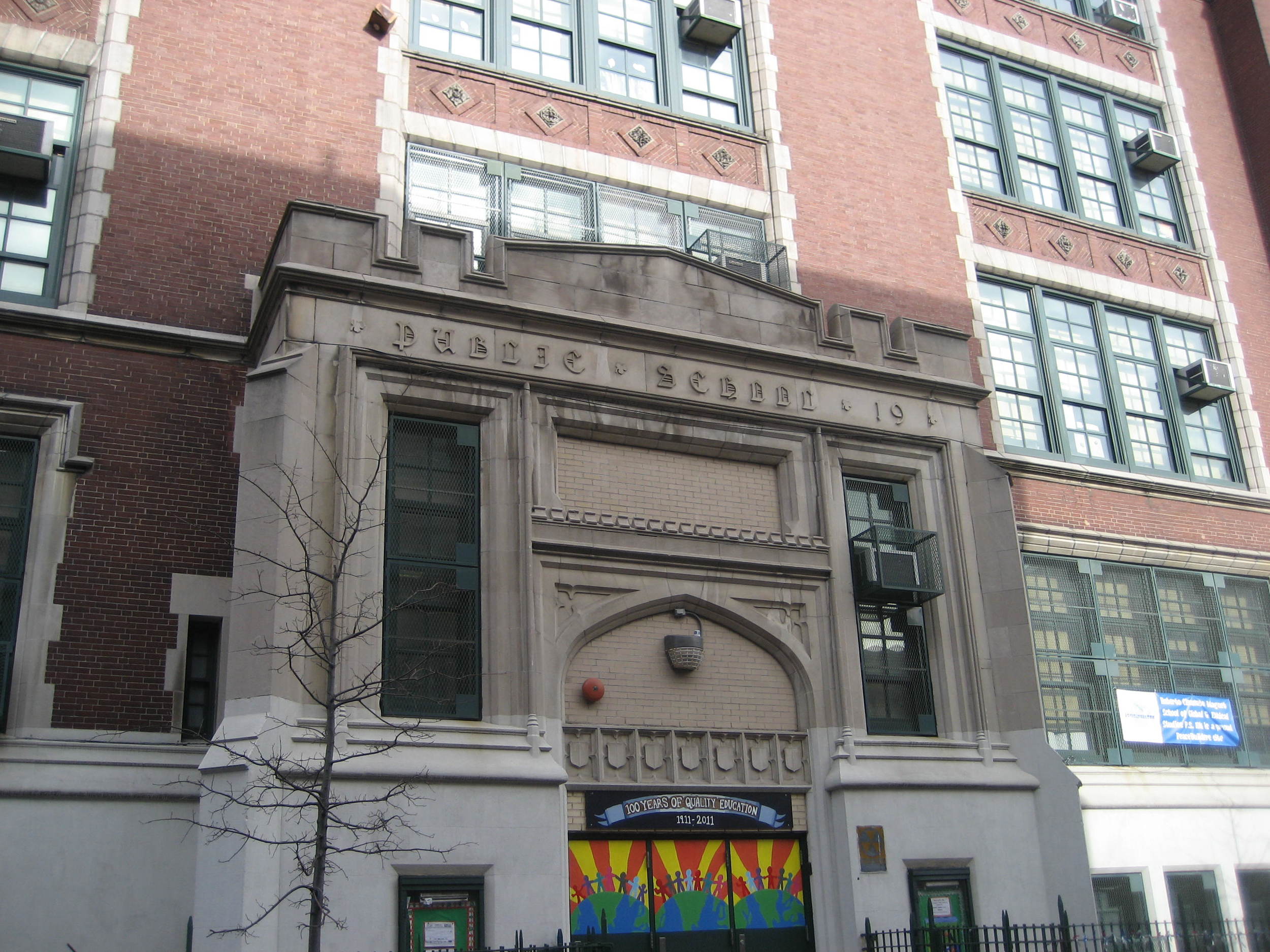
P.S. 84 Jose De Diego, the area’s best-known zoned elementary and middle school, serves grades K through 8, added its middle school grades in 2014, and offers a dual-language Spanish program, according to InsideSchools’ school profile. Admission for kindergarten through fifth grade is zoned-only. What that zoned public option doesn’t reflect is the area’s real school-age demand: Census data compiled by DataUSA shows Yiddish or related West Germanic languages as the most common non-English home language across the Williamsburg and Greenpoint community district, spoken in 17.1% of households, ahead of Spanish. That population is served overwhelmingly by private yeshivas instead of the zoned public system, so a family buyer evaluating this area on public-school metrics alone is missing the institution that drives local school-age housing demand.
Getting Around Since the L Train Scare
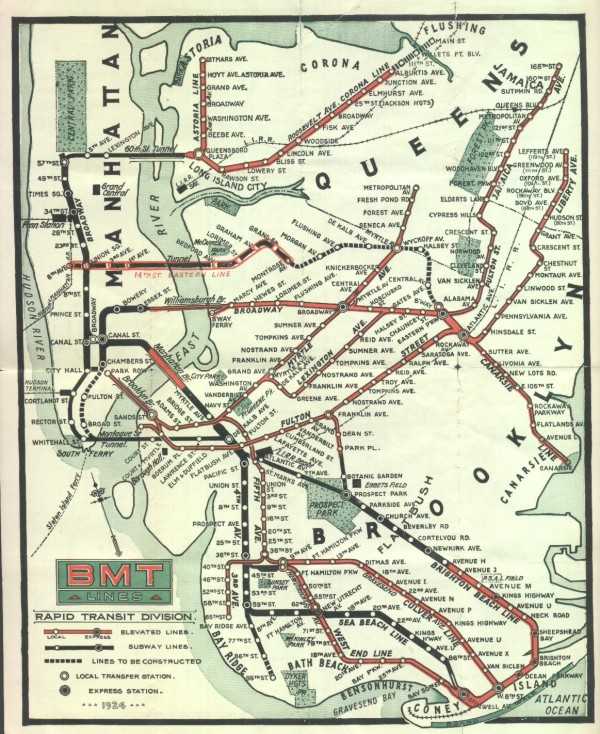
South Williamsburg is served by the J, M, and Z subway lines, with G train access at the northern edge and an NYC Ferry landing near the Kent Avenue waterfront. A once-prominent narrative, built around the L train’s planned 2019 shutdown for Sandy-damage repairs, framed the neighborhood’s market as being in transition. That shutdown was replaced by a scaled-back nights-and-weekends repair plan completed in 2020, and it has no bearing on transit planning today. Any coverage still built around the original shutdown premise is describing a market condition that closed years ago.
Is the L-train shutdown still a live concern? No. The full shutdown was replaced by a partial repair plan finished in 2020, and South Williamsburg’s J/M/Z and ferry access were never part of that plan to begin with.
Risks and Open Questions

Who This Fits

A buyer or investor who needs the Kent Avenue condo stock, its abatement math, and its ferry-and-subway access will find that market well documented. A buyer trying to price a rowhouse or co-op in the Hasidic-core blocks will find almost no public data built for that comparison, and should plan on an agent-built comp set from the start.
Comments