
What Defines a Spanish-Style Home
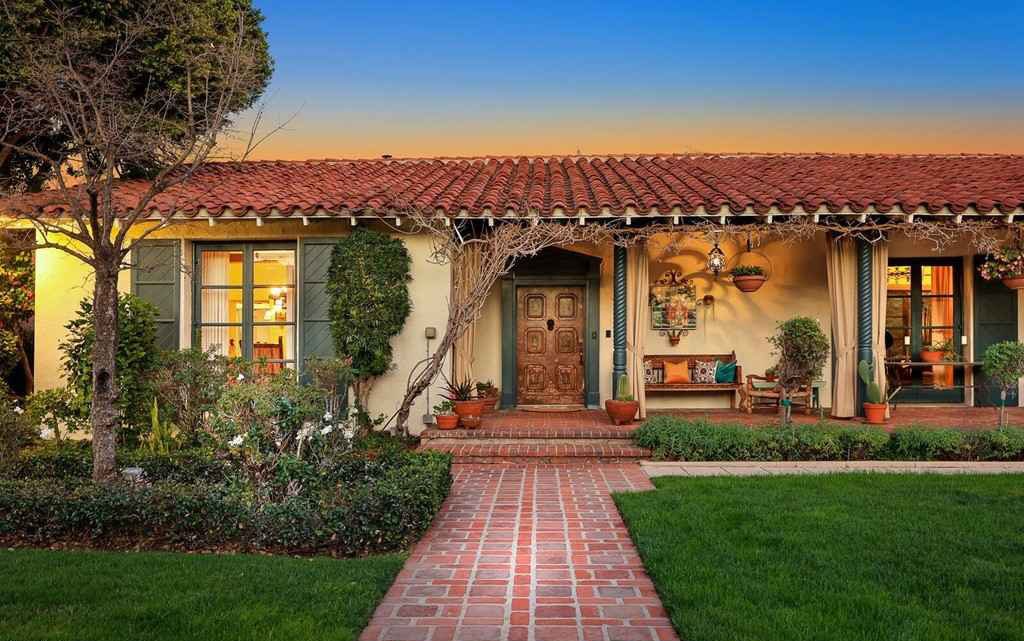
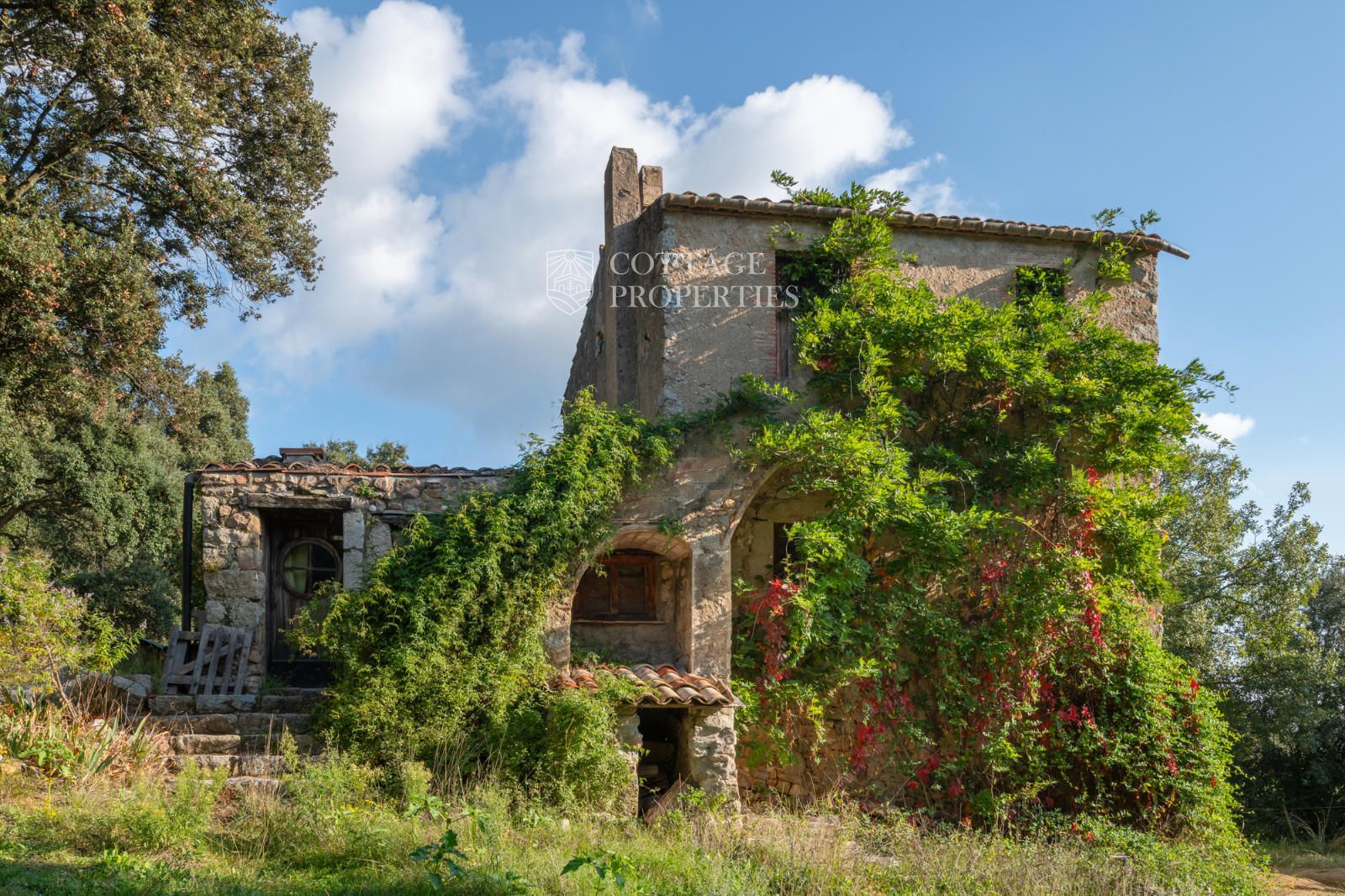
In U.S. real estate, the term means stucco walls, a low-pitched red clay tile roof, arched doorways and windows, and exposed wood beams. Most examples date to the 1920s–1940s Spanish Colonial Revival wave, or to later construction copying it, concentrated in California, Florida, and parts of the Southwest and Texas. The rest of this page covers what separates an original example from a reproduction, and what that difference means for cost, financing, and insurance.
Authentic Construction vs. Reproduction: What It Means for Value
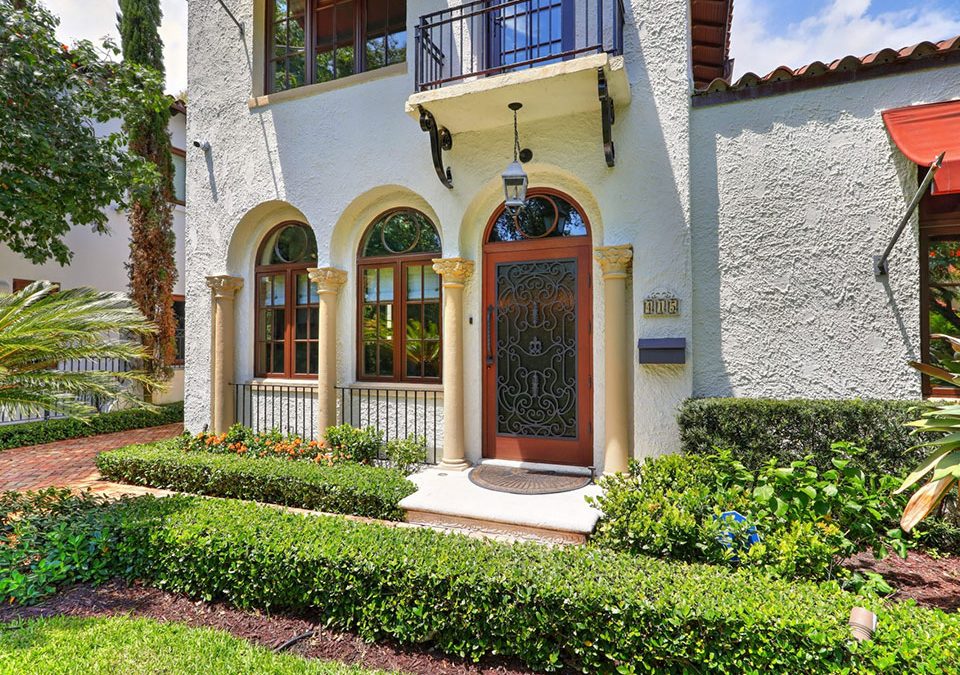
The Spanish Colonial Revival wave is rooted in a specific building: architect George Washington Smith built himself a house in Montecito in 1917, originally named El Hogar and later called Casa Dracaena, and its reception pushed Smith into architecture full time and gave California builders a template they copied for two decades (Pacific Coast Architecture Database).
That history created two overlapping housing stocks: original Revival-era construction, and later reproductions that borrow the look with different materials.
| Feature | Authentic Indicator | Reproduction Indicator | Resale Relevance |
|---|---|---|---|
| Roof covering | Fired clay/terracotta tile, 50 to 100+ year rated lifespan | Concrete tile shaped to resemble clay, roughly 30 to 50 year lifespan | Concrete look-alikes cost less new but move the next roof decision earlier |
| Wall cladding | Traditional three-coat hard-coat stucco over lath | Synthetic EIFS (foam-and-acrylic) system | Refinishing hard-coat stucco costs a fraction of refinishing EIFS per square foot; EIFS moisture intrusion is a known inspection dispute point |
| Roof substrate | Original sheathing, older underlayment nearing replacement age | Newer synthetic underlayment from a prior re-roof | An already-replaced underlayment removes a near-term cost the buyer would otherwise inherit |
Source: Today’s Homeowner; Modernize; This Old House; Pro-Mapper.
A roof or stucco quote that names only the visible top coat, without a separate line for underlayment or lath condition, has priced half the job.
Is a Spanish-style home lower-maintenance than other styles, as often claimed? Only for the roof material itself. Clay tile genuinely lasts decades longer than asphalt shingles. Stucco walls and roof underlayment still need the same periodic inspection and prompt crack or leak repair as any exterior envelope, and old-stock Revival homes commonly carry electrical and plumbing dating to their original construction, which buyers should have separately evaluated.
What It Costs to Own: Roof, Stucco, and Aging Systems
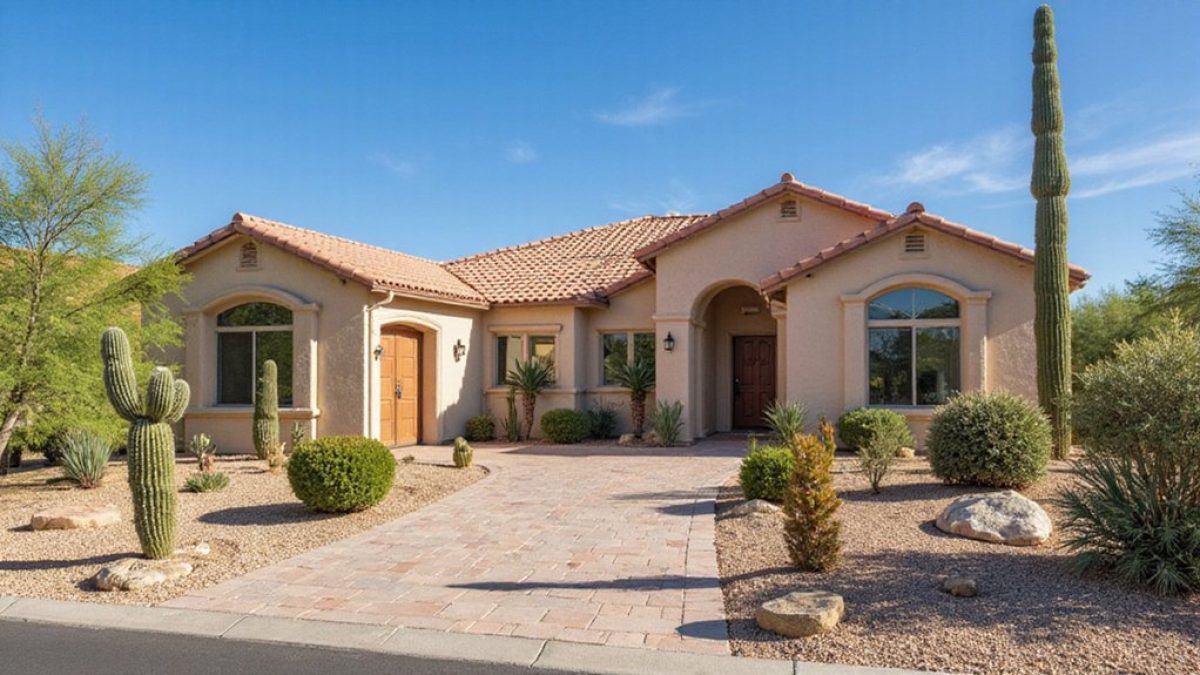
| Component | Typical Lifespan | Repair Cost Range | Replacement Cost Range | Failure Signs |
|---|---|---|---|---|
| Clay tile roof covering | 50 to 100+ years | ~$1,200 average per call | $11 to $25 per sq ft installed | Cracked or slipped tiles, granule loss at valleys, daylight visible in the attic |
| Roof underlayment (beneath tile) | 20 to 30 years | Bundled into re-roof cost | $2 to $5 per sq ft | Leaks despite intact tile, staining on attic sheathing |
| Traditional hard-coat stucco | 50 to 80 years with upkeep | $8 to $50 per sq ft, cause-dependent | Full re-stucco, priced after inspection | Horizontal hairline cracks (usually cosmetic), vertical or diagonal cracks (possible foundation movement), soft or bubbled spots (moisture) |
| Synthetic (EIFS) stucco | Shortened if moisture enters | Roughly four times the per-square-foot refinishing cost of hard-coat stucco | Full system replacement once moisture reaches the sheathing | Staining, buckling, soft spots under an intact-looking surface |
Source: Angi; HomeGuide; Fixr; This Old House; Pro-Mapper.
Vintage electrical panels, galvanized supply lines, and cast-iron drain lines are common in 1920s–1940s stock and typically need a licensed-trade evaluation separate from the roof and stucco inspection. No dollar figure for this line item is reliably published at the national level, so treat it as a required scope item on your own inspection rather than a budgeted number.
How can I tell whether a stucco or tile roof problem is cosmetic or structural? Horizontal hairline cracks in stucco are typically normal aging. Vertical or diagonal stepped cracks can indicate the foundation is moving and justify a foundation-specific inspection before a general stucco repair. Soft, bubbled, or discolored patches point to moisture trapped behind the surface rather than surface wear (Dalinghaus Construction; HomeGuide).
Financing and Appraisal: the FHA/VA Roof Rule

FHA and VA appraisals apply a specific, numeric roof rule that has nothing to do with architectural style: HUD’s Single Family Housing Policy Handbook 4000.1 requires the appraiser to flag any roof without at least two years of remaining physical life, and the loan is made subject to repair or re-roofing before closing (HUD). A clay tile roof’s 50-to-100-year rated lifespan generally clears this test more easily than an aging asphalt roof would. A tile roof with cracked tile over failed underlayment can still trip the same rule even where individual tiles look sound, because the appraiser is judging the roof system’s remaining service life, not the surface material’s reputation.
Can you get an FHA or VA loan on an older Spanish-style home? Yes, provided the appraiser reports at least two years of remaining roof life. Aging underlayment beneath intact-looking tile can still trigger a repair requirement, so a pre-offer roofer’s assessment of the underlayment, not just the tile, is worth having before the appraisal.
Insurance: Wildfire, Wind, and Underwriting by Region
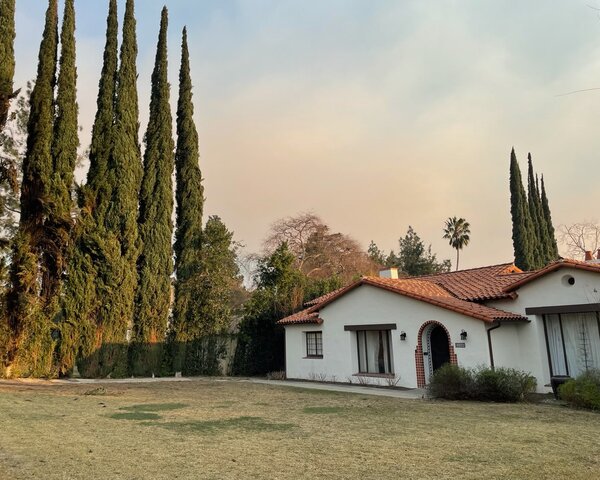
In California wildfire zones, state-mandated insurer discounts apply to measures including enclosed eaves, ember-resistant vents, multi-pane windows, and Class-A fire-rated roofing, a category that includes clay tile (California FAIR Plan hardening criteria). A full retrofit package covering eaves, windows, and roof averaged $23,000 to $40,000 as of a 2024 industry analysis, and initial per-policy discounts have in practice been modest for many homeowners even after that spending (E&E News/POLITICO).
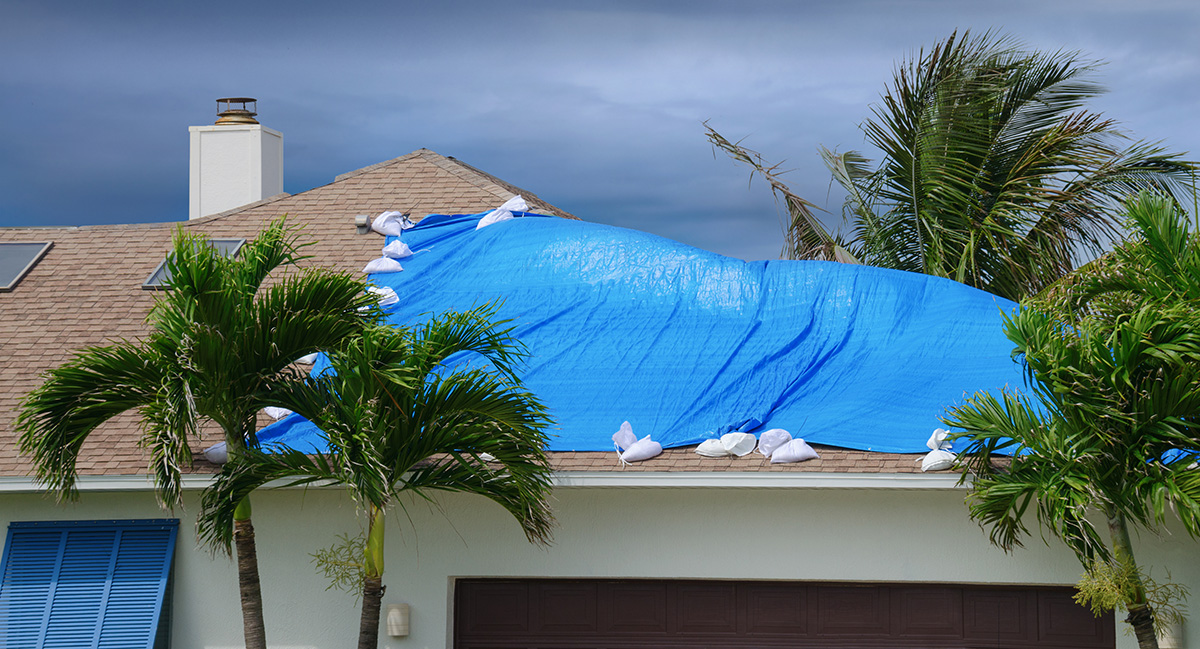
In Florida, a wind-mitigation inspection evaluates roof covering, roof deck attachment, roof-to-wall connections, and opening protection, and the results feed directly into windstorm-premium credits described in the state’s consumer guidance (Florida Department of Financial Services). Citizens Property Insurance Corporation, the state-created insurer, ties specific roof-construction discounts to whether the roof meets the 2001 or 2012 Florida Building Code (Citizens). Premium differences homeowners see in these markets come from wildfire or wind exposure and the roof’s documented condition, and homeowners sometimes misattribute that cost to the architectural style rather than the region and the roof’s condition.
Is a Spanish-style home harder or more expensive to insure? Not because of the architecture. Clay tile qualifies for wildfire-hardening credit in California and wind-mitigation credit in Florida on the same terms as any other Class-A or code-compliant roof.
Historic Districts and Renovation Permitting
Coral Gables adopted its first historic-preservation ordinance in 1973 and now lists more than 200 properties on its local historic register (City of Coral Gables). Most exterior changes to a locally designated property require a Certificate of Appropriateness from the city’s Historic Preservation division before a building permit is issued, though some in-kind repairs and interior work are handled administratively. Owners completing a qualifying restoration can apply for a ten-year ad valorem tax exemption on the added value, filed jointly with Miami-Dade County under Florida Statutes §§196.1997 and 196.1998 (summary via United Architects Inc.).
Do I need city approval to renovate a Spanish-style home in a place like Coral Gables? Only if the property is locally designated or contributes to a historic district. In that case, most exterior work needs a Certificate of Appropriateness before permitting; interior work and many in-kind repairs typically don’t.
Regional Snapshot
| Region | Historic-District Exposure | Dominant Peril | Insurance/Building Consideration |
|---|---|---|---|
| California coastal (e.g., Santa Barbara, Montecito) | High in original 1920s neighborhoods | Wildfire | State-mandated hardening discounts; full retrofit averages $23,000 to $40,000 |
| Florida (e.g., Coral Gables, Miami-Dade) | High; Certificate of Appropriateness required in designated districts | Hurricane wind | Wind-mitigation inspection drives premium credit; 2001/2012 FBC roof-code credits |
| Outside the Sun Belt (freeze-thaw climates) | Low; style is uncommon as original stock | Freeze-thaw cracking | Clay tile isn’t recommended for frequent freeze-thaw exposure; appraisers and insurers may treat it as a nonstandard feature with fewer comparables |
Source: E&E News/POLITICO; Florida DFS; Modernize.
A Spanish-style listing outside California, Florida, or the Southwest carries a different risk: fewer comparable sales and a roofing material local contractors rarely install.
Common Buyer and Investor Mistakes

- Treating “Spanish-style” as one category. Authenticity, roof material, and regional code exposure differ enormously between an original 1920s Revival house and a 2005 production build with concrete tile and EIFS.
- Assuming decor-level “low-maintenance” claims cover structural components. A tile roof and hard-coat stucco still need periodic inspection and prompt crack or leak repair.
- Skipping a stucco- or tile-specific inspector. A general home inspector may not catch EIFS moisture intrusion or distinguish cosmetic cracking from foundation movement.
- Budgeting for the roof and stucco but not the vintage systems behind them. Electrical, plumbing, and drain-line age in original 1920s–1940s stock deserves its own line item on the inspection scope.
Does a Spanish-style home hold its resale value? No sourced, style-specific price-premium data exists at a level that supports a number here. Regional MLS data, not architectural style alone, is the reliable input for a specific resale estimate; a licensed local appraiser or agent pulling recent comparable sales is the accurate path to one.
Comments