
Rent and purchase price, Bronx vs. White Plains
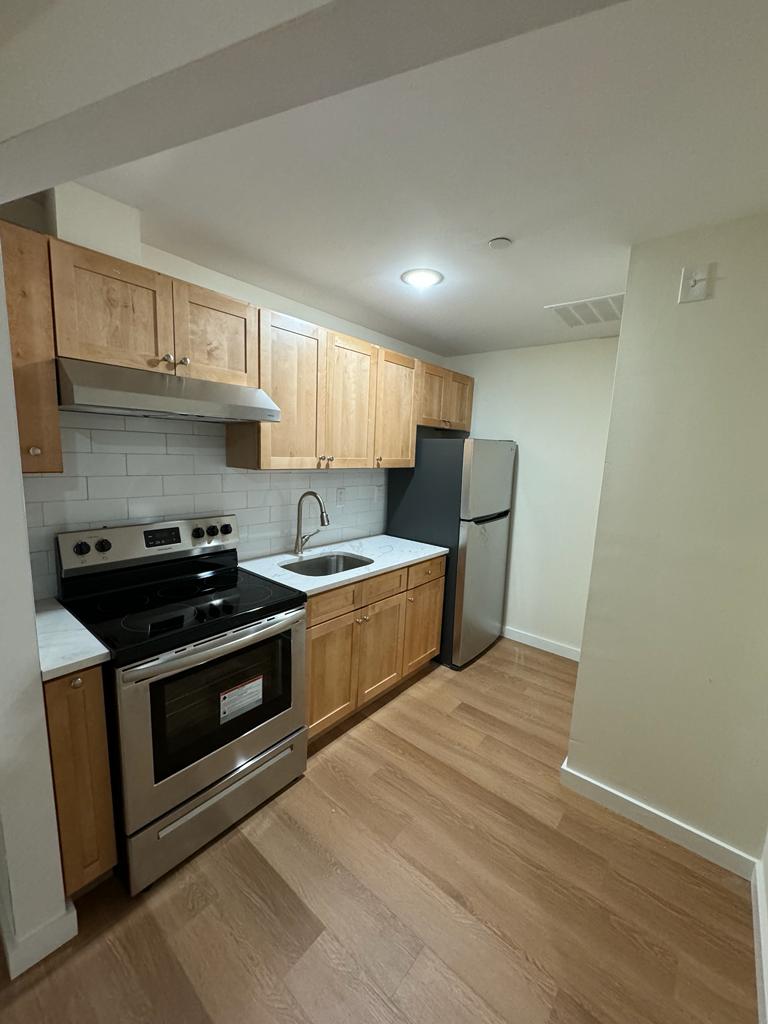
The Bronx averages $2,400 a month for a one-bedroom as of June 2026, according to Zumper’s rental index. White Plains averages $2,999 for the same unit size, according to RentCafe’s Yardi Matrix data from February 2026. That’s a gap of roughly $600 a month, or $7,200 a year, for renters making the move.
| Category | Bronx | White Plains | Source | As of |
|---|---|---|---|---|
| Studio, avg. rent | $2,550 | $2,780 | RentHop; RentCafe | Jun 2026; Feb 2026 |
| 1BR, avg. rent | $2,400 | $2,999 | Zumper; RentCafe | Jun 2026; Feb 2026 |
| 2BR, avg. rent | $3,495 | $4,107 | RentHop; RentCafe | Jun 2026; Feb 2026 |
| Entry-level condo | n/a – Bronx co-ops start well below this tier | ~$600,000 (Ritz-Carlton Residences, four blocks from the station) | Brick Underground, citing a named broker | 2017, price anchor only |
These figures disagree by several hundred dollars depending on which buildings each provider samples, so trust the spread, not any single number: Zumper’s Bronx-wide average sits at $3,105 across all unit types, while RentHop’s methodology puts a one-bedroom closer to $2,800.
Is it actually cheaper to live in White Plains than the Bronx? Not on rent – every current survey puts White Plains one-bedroom rent higher than the Bronx, typically by $500 to $900 a month. The math changes for buyers once property tax and the income-tax offset are factored in below.
The commute from a Bronx station, not “the Bronx”
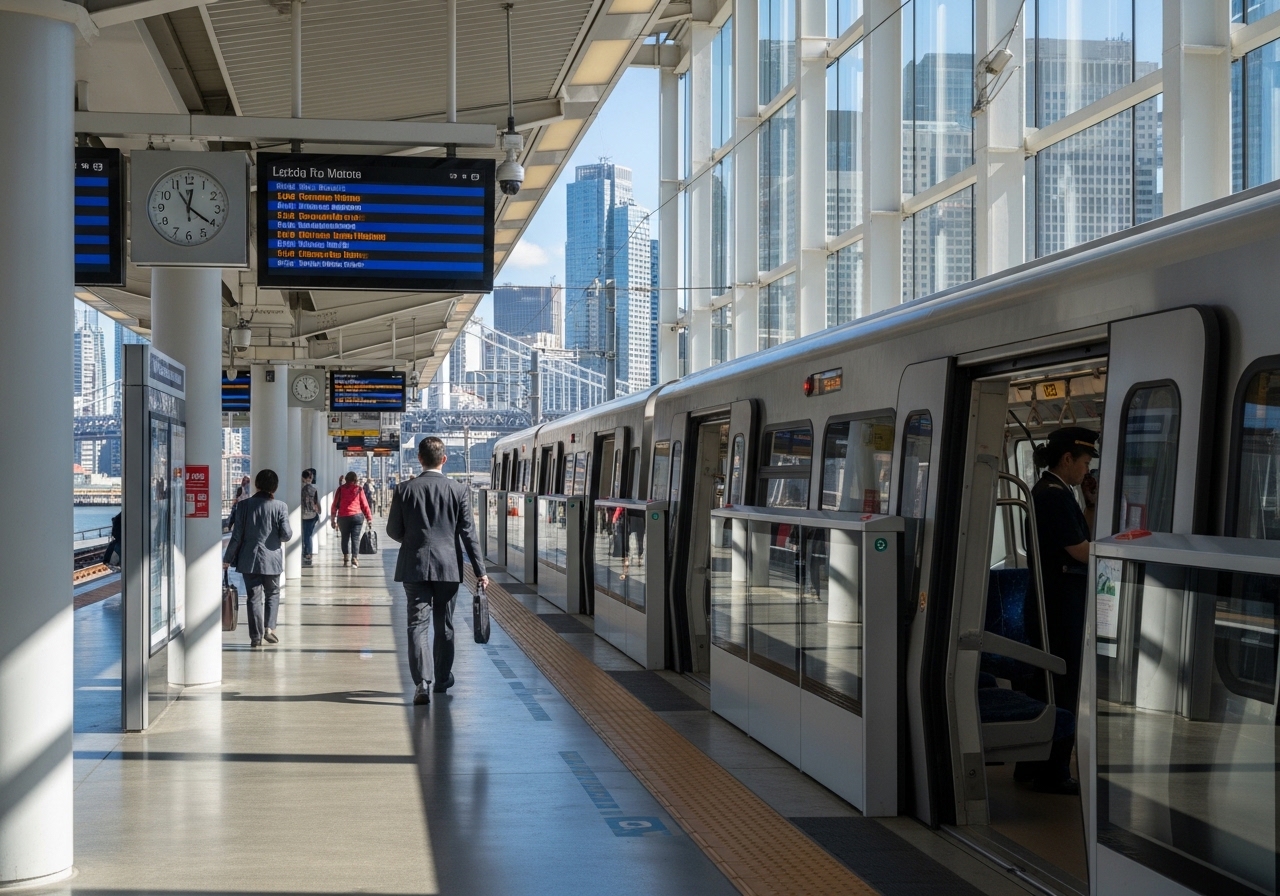
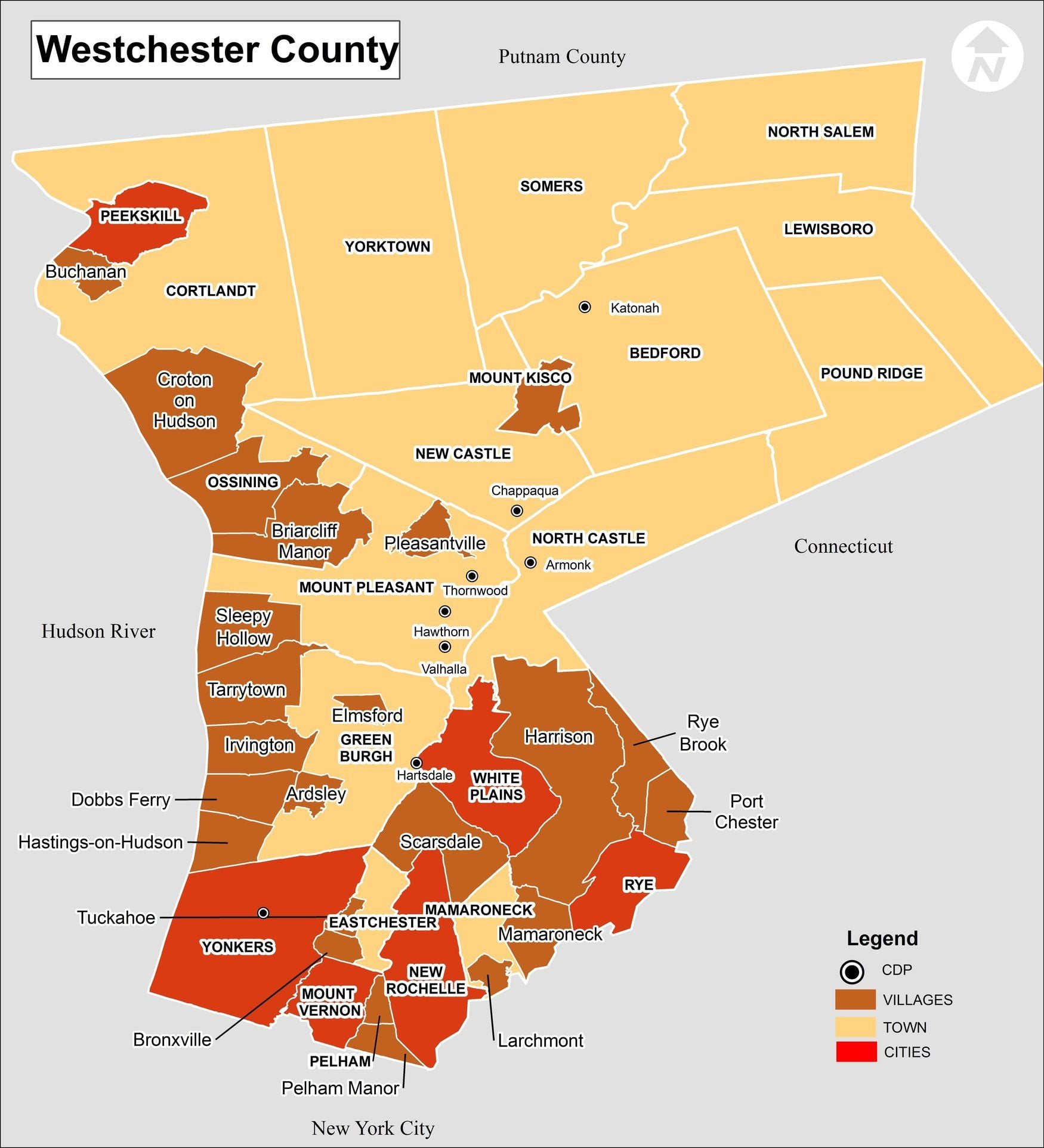
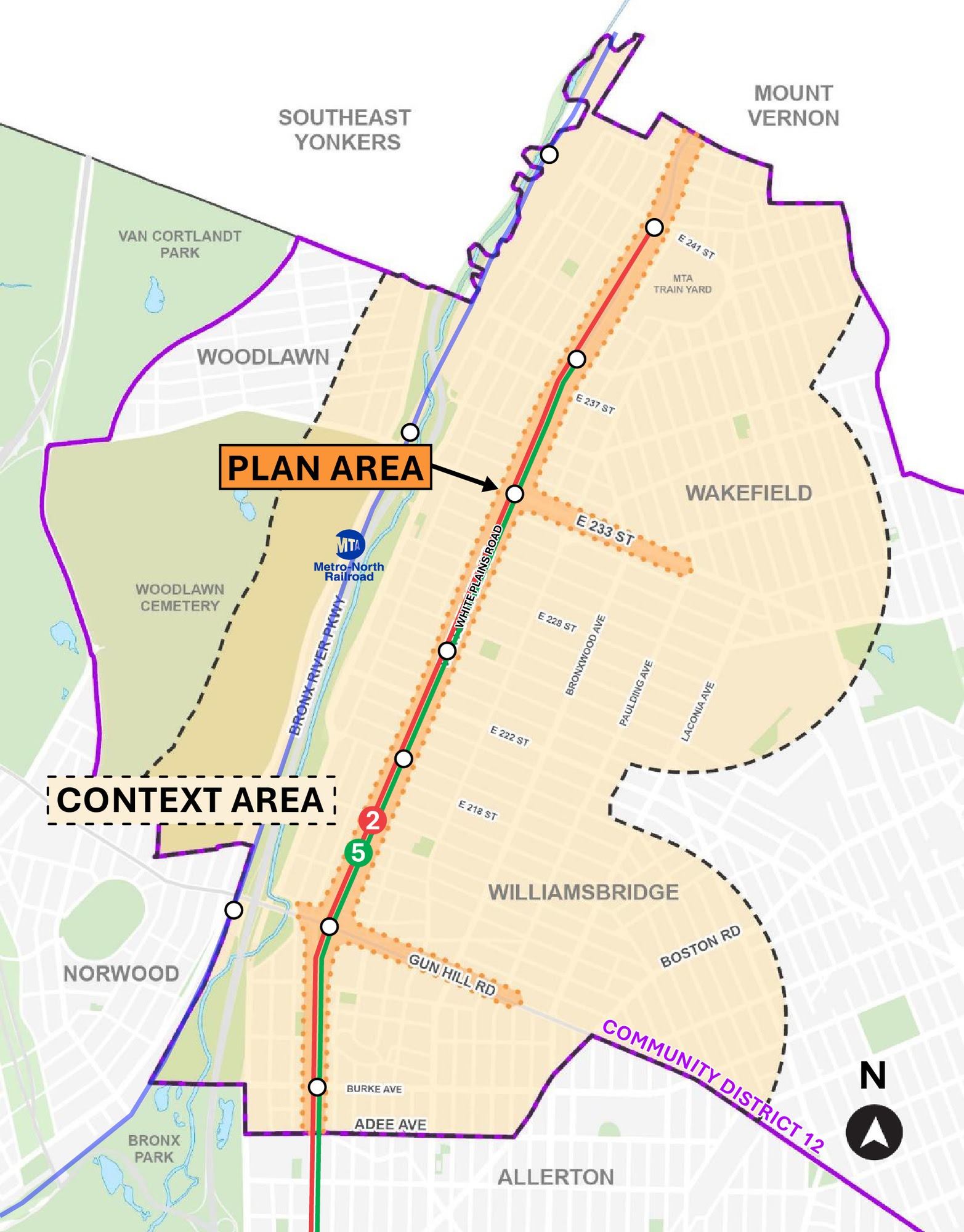
A commute from “the Bronx” isn’t one number. Woodlawn and Wakefield, the two northernmost stops on the Harlem Line’s official schedule, sit inside the Bronx at roughly the 12th and 13th mile marks, four stops south of White Plains on the same line. The direct train from Woodlawn covers that distance in about 24 minutes, according to route data for this specific pair, running roughly hourly outside peak hours – no transfer required. A monthly rail pass from Grand Central into the White Plains zone costs $299.75, per a current Metro-North fares guide; the same zone-based fare applies no matter which Bronx station you board from, since price is set by distance traveled, not by borough.
| Bronx origin | Line/mode | Time to White Plains | Notes |
|---|---|---|---|
| Woodlawn (Harlem Line) | Direct Metro-North | ~24 min | Last Bronx stop before Westchester begins |
| Wakefield (Harlem Line) | Direct Metro-North | Slightly longer than Woodlawn | One stop south of Woodlawn |
| Fordham (Harlem Line) | Direct Metro-North | Roughly 35–40 min | Mid-Bronx, more subway/bus feeder options |
| Southern/South Bronx (2/5 subway corridor) | Subway to Grand Central, then transfer | Over an hour combined | No direct rail option; requires a transfer |
The spread matters more than any one row: a household already living near the Harlem Line’s Bronx stations gains very little commute time by moving to White Plains, while a household starting from the subway-served southern Bronx gains the most.
Can I keep my Bronx commute if I still work in the city? Only if your current commute already runs through a Metro-North station near Woodlawn or Wakefield. A subway-based Bronx commute doesn’t carry over – you’d add a transfer to Grand Central plus a second train north, typically well over an hour round trip compared to a same-line ride.
Taxes: what you stop paying and what you start paying
New York City taxes its residents – everyone living in the Bronx, Brooklyn, Manhattan, Queens, or Staten Island – an additional 3.078% to 3.876% of taxable income on top of New York State tax, per the state’s published tax rate schedule. Move to White Plains and that resident tax stops the day your domicile changes: New York State’s nonresident rules tax only income earned from work physically performed in the state, not a Westchester resident’s full income, and New York City has no separate commuter tax for people who work in the city but live outside it.
That savings gets partly offset for buyers. New York City’s Class 1 property tax rate – the class covering one-, two-, and three-family homes, most of the Bronx’s housing stock – works out to about 1.19% of market value on average once the state’s assessment caps apply, per a 2025 analysis of Department of Finance data. White Plains homeowners pay closer to 1.97% of market value, per current assessment data, a rate that also translates to $257.64 per $1,000 of assessed value under the city’s FY2026–27 budget document.
| New York City (Class 1, Bronx) | White Plains | |
|---|---|---|
| Resident income tax | 3.078%–3.876% of taxable income | None (nonresident) |
| Effective property tax rate | ~1.19% of market value | ~1.97% of market value |
| On $100,000 taxable income | $3,078–$3,876 owed to NYC | $0 owed to NYC |
| On a $500,000 home | ~$5,950/yr property tax | ~$9,850/yr property tax |
Run both lines together and a household earning $100,000 with a $500,000 home saves roughly $3,000 to $3,900 a year in income tax by leaving the Bronx, and pays close to $3,900 more a year in property tax by buying in White Plains – close enough to cancel out for a mid-income buyer. A renter who owes no property tax at all keeps the income-tax savings outright and only faces the higher rent from the first table.
Do I still pay NYC income tax if I move to White Plains? No, provided White Plains becomes your actual domicile. New York State can still treat you as a statutory resident of NYC if you spend 183 or more days a year at a home you keep inside the city, regardless of where you say you live.
Renting or buying: two different decisions
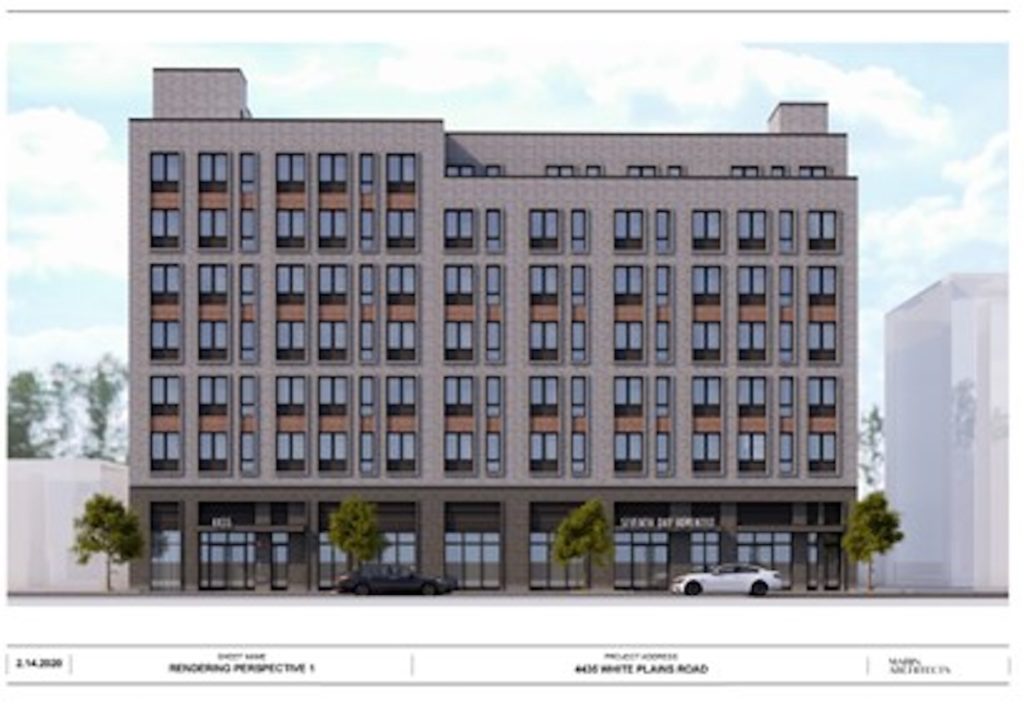
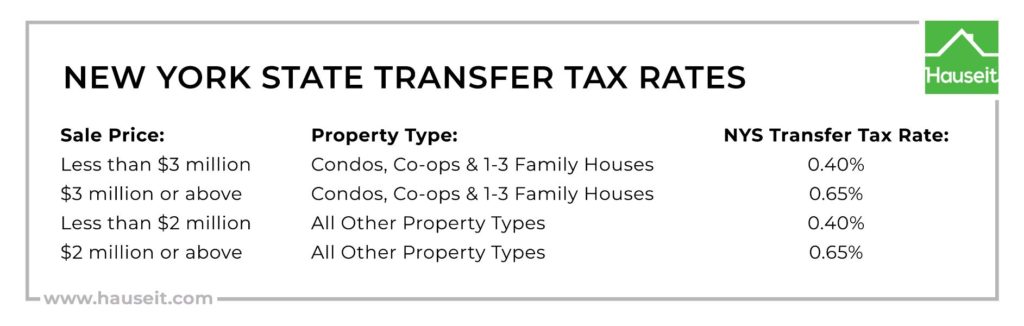
Renters comparing the Bronx to White Plains are making a lease decision: security deposit, lease-break penalties, and a rent gap that runs $500 to $900 a month higher in White Plains, with no property tax to weigh against it. Buyers and co-op owners face a different calculation entirely, one that includes closing costs, mortgage requalification, and the income-tax-versus-property-tax offset above. Co-op boards add a filter renters never face: board approval, often with debt-to-income and post-closing liquidity requirements stricter than a bank’s own underwriting.
What do I give up by leaving the Bronx? For renters in a rent-stabilized unit, potentially a below-market lease White Plains has no equivalent for – Westchester has no comparable rent-stabilization system for most private rentals. For anyone, existing subway or bus access that doesn’t require a car the way most of White Plains does outside its immediate downtown core.
Parking, and the one thing “ample parking” gets wrong
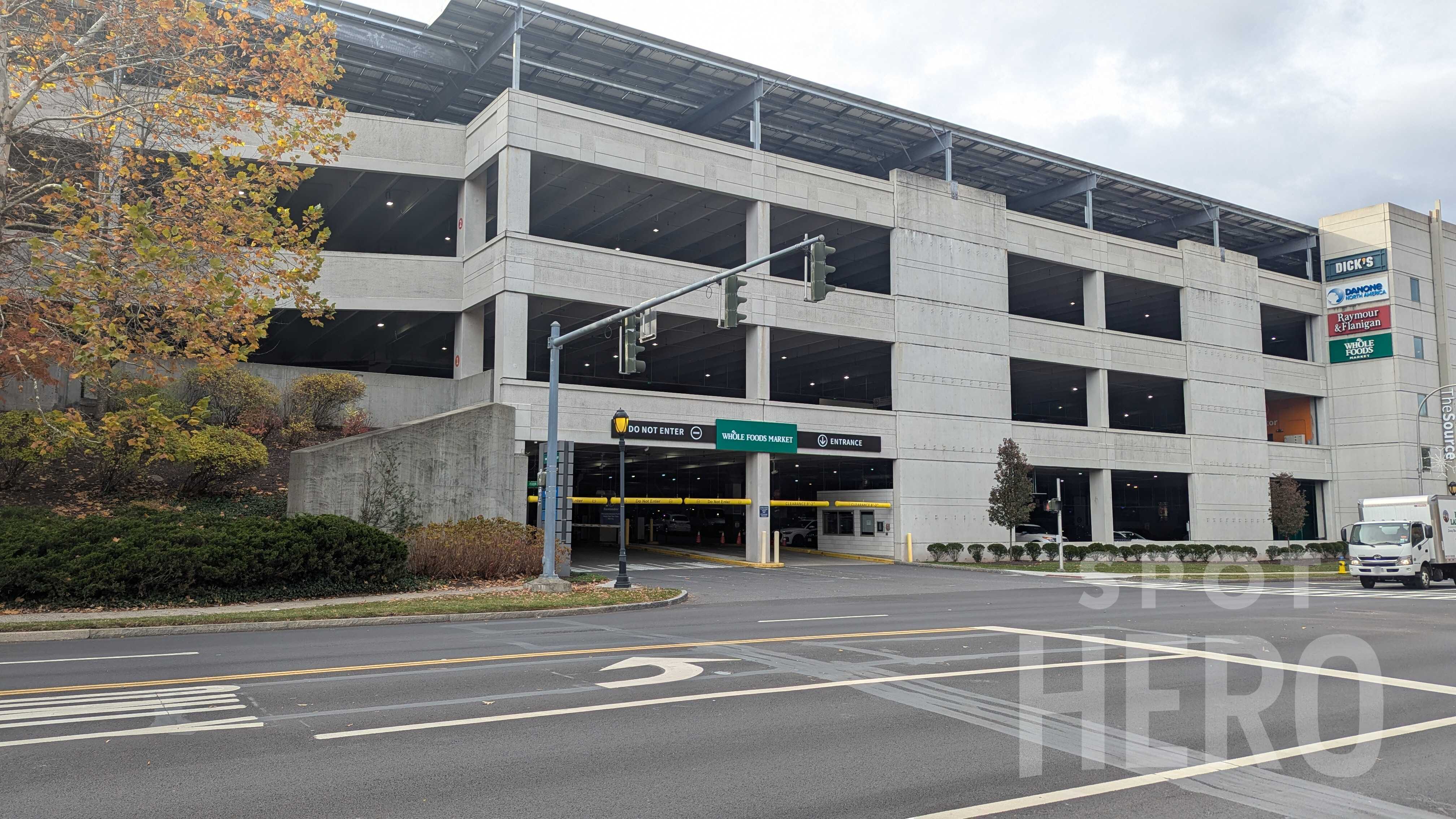
The main lot at the White Plains Metro-North station is permit-restricted to City of White Plains residents, according to the city’s own parking office. A Bronx-origin commuter who moves to White Plains gains access to that lot; one who keeps commuting from the Bronx without moving does not, and has to use the Lexington-Grove/TransCenter garage downtown instead, which is open to non-residents on a monthly or daily basis.
Schools: the zoning question nobody answers yet
No current, citable, side-by-side comparison of White Plains’ school zoning against New York City’s Department of Education zoning system turned up in research for this page. Families weighing this move should treat school fit as an open item to verify directly with the White Plains City School District and their current NYC zoned school, not as something any general guide can responsibly quantify without that data.
Who the move actually pays off for, and who should stay
The clearest case for moving is a buyer already earning enough that the NYC resident-tax bracket bites hard, purchasing rather than renting, who already commutes near Woodlawn or Wakefield. The clearest case for staying is a renter in a rent-stabilized Bronx unit with subway access to a job that doesn’t require the extra $500 to $900 a month White Plains rent commands, since a stabilized lease is a protection White Plains’ rental market doesn’t replicate.
Is White Plains walkable, or do I need a car? The downtown core around the Metro-North station and the Westchester Mall is walkable; most of the surrounding residential neighborhoods are not, and a household without a car will find its options narrower than in most of the Bronx.
Comments