
Market snapshot: what’s actually happening right now
The 99.3% sale-to-list ratio means well-priced homes are closing near asking, not below it. A 54-day median time on market is fast for a market with roughly 50 monthly closings, and it’s down slightly from 58 days a year earlier. Median household income in the neighborhood is $93,399, per Census Bureau American Community Survey estimates, up 2.4% year over year, a figure worth citing precisely because two other real-estate sites serving this same neighborhood report household income figures roughly $10,000 apart from each other without explaining why, likely reflecting different survey years or geographic boundaries drawn around different ZIP codes.
Is South Ozone Park a buyer’s market or a seller’s market right now?By the numbers, it favors sellers: a 99.3% sale-to-list ratio and 54-day median DOM both point to homes moving close to asking price. It is not a bidding-war market on the scale of some Brooklyn neighborhoods, but well-priced, move-in-ready homes are not sitting.
One-family or two-family: which one fits your goal
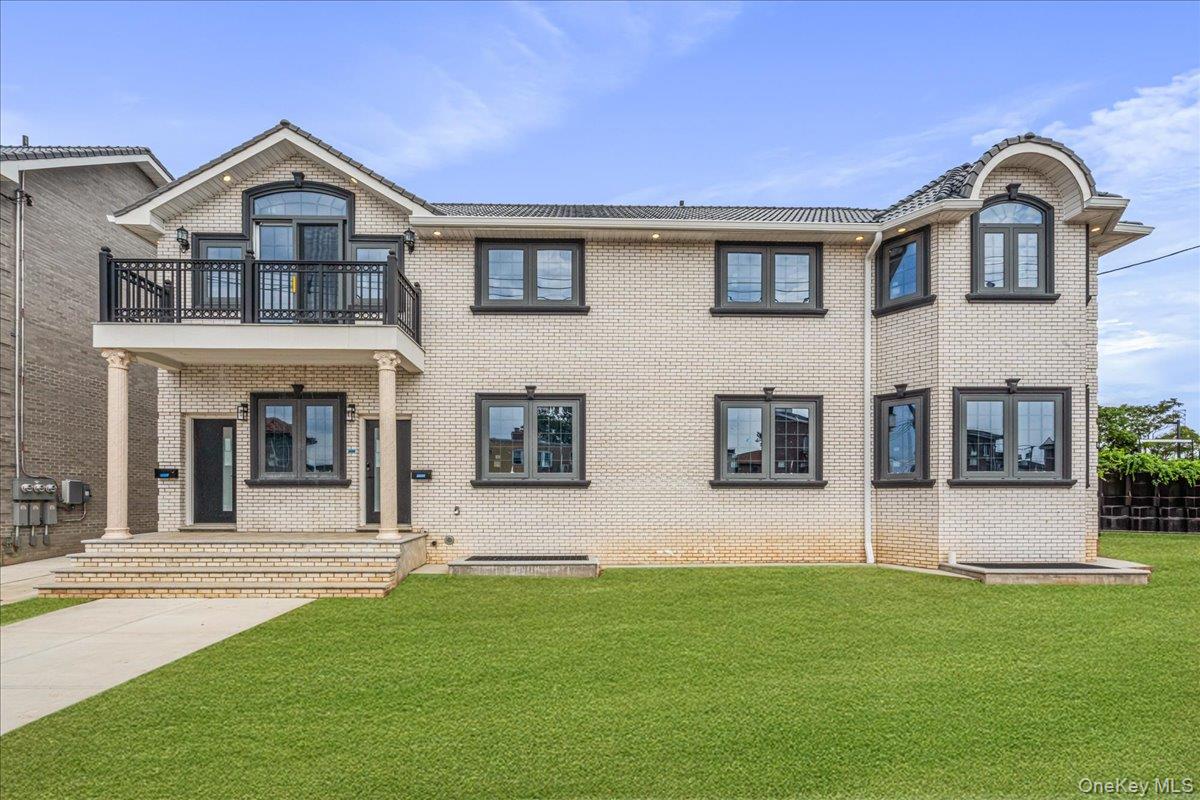
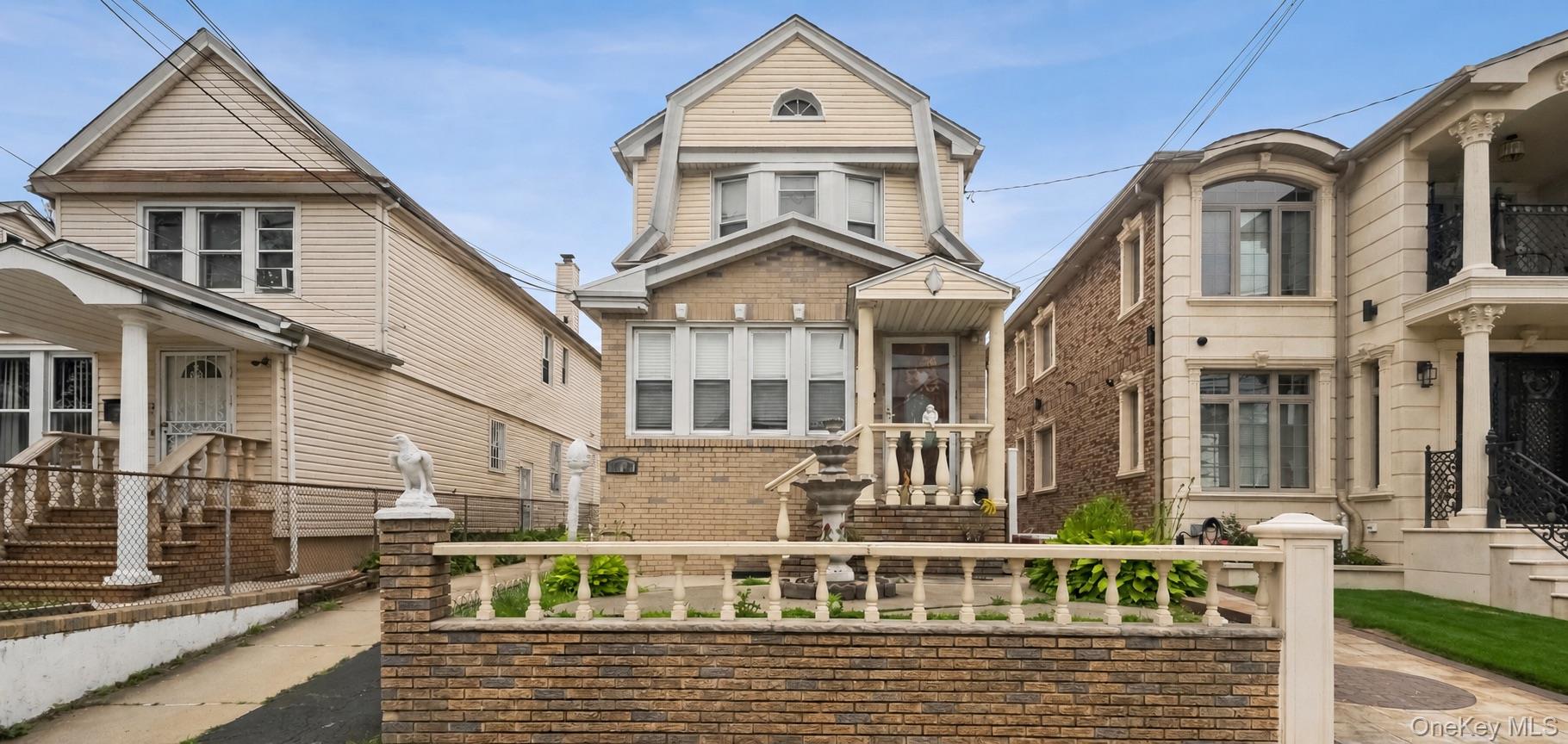
South Ozone Park’s housing stock is a mix of single-family detached homes, semi-attached homes, and two-family properties, common to Queens neighborhoods developed in the 1920s–1930s building boom that also shaped neighboring Ozone Park. An exact current count of the one-family versus two-family split for South Ozone Park specifically was not available from an independently sourced dataset at the time of writing; treat any precise percentage you see elsewhere as unverified until you can confirm it against an agent’s current MLS pull or NYC’s PLUTO property database.
What’s certain is the decision this stock forces on a buyer: a straight owner-occupant purchase behaves very differently from a two-family purchase with a rental unit attached.
| Property type | Typical role | Best fit for | Key risk |
|---|---|---|---|
| One-family detached/semi-attached | Owner-occupied primary residence | Buyers prioritizing privacy and full control over the property | No rental offset; full mortgage and tax burden falls on one household |
| Two-family (owner-occupant) | Live in one unit, rent the other | Buyers wanting to offset the mortgage with rental income | Landlord obligations, tenant screening, NYC housing code compliance |
| Two-family (pure investment) | Both units rented | Investors targeting cash flow over owner-occupant financing terms | Non-owner-occupant financing is costlier; requires active property management |
The deciding factor is rarely price alone, since a one-family and a two-family here can list within a similar band: it’s whether the buyer wants rental income, and the landlord responsibilities that come with it, or wants to avoid both entirely.
Buying in South Ozone Park: process and the real cost of closing
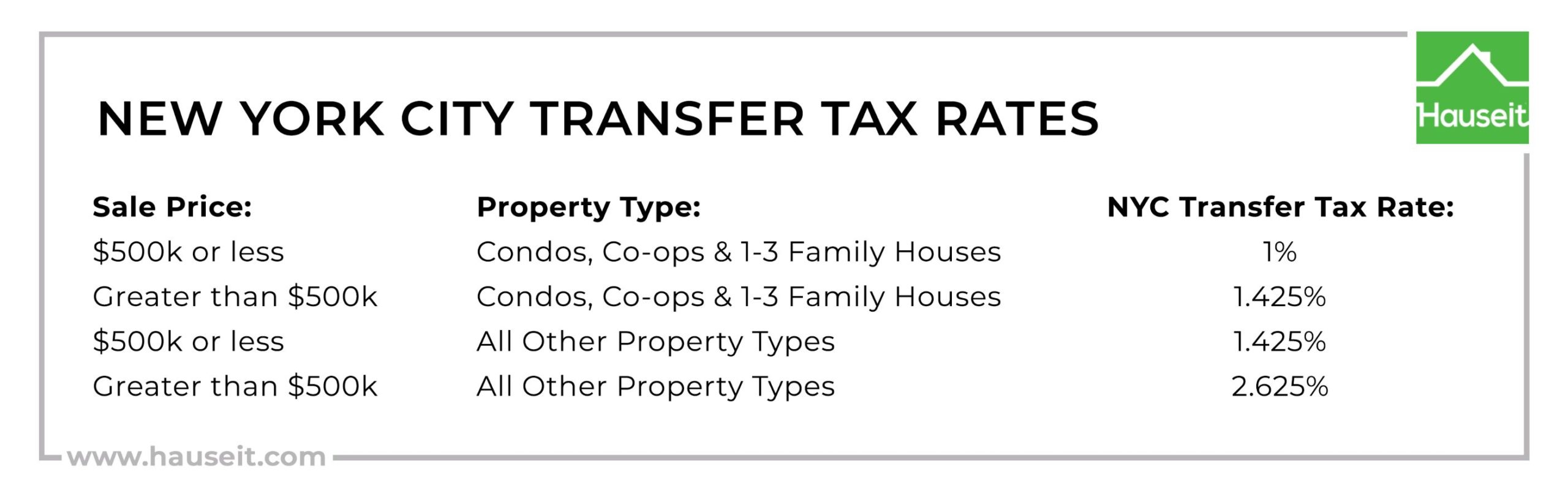
New York closing costs stack several distinct taxes, and South Ozone Park’s price level puts most buyers below the most expensive one. The New York State Mortgage Recording Tax applies to any financed purchase: the combined state and city rate runs from roughly 1.8% to 2.05% of the loan amount for one- and two-family homes, built from a basic state tax, a special additional state tax, an MCTD-region tax, and a NYC add-on. On a $780,000 purchase financed at 80% loan-to-value, that’s a loan of $624,000 and a mortgage recording tax in the neighborhood of $11,200 to $12,800, paid by the buyer at closing.
| Cost | Typical rate/amount | Who pays | Applies when |
|---|---|---|---|
| Mortgage Recording Tax | ~1.8%–2.05% of loan amount | Buyer | Any financed purchase |
| NYC Real Property Transfer Tax | 1.0% up to $500K, 1.425% above | Seller | Every sale |
| NY State Real Estate Transfer Tax | 0.4% of price | Seller | Every sale |
| Mansion Tax | 1%–3.9% of full price | Buyer | Purchases at $1,000,000 or more |
New York City’s HomeFirst program remains a genuine lever for first-time buyers at this price point: up to $100,000, or 20% of the purchase price, whichever is less, toward a down payment or closing costs. The city recently doubled the program’s funding to $82 million and expects to fund roughly 1,000 loans over five years, raising the income cap to 120% of Area Median Income for eligible applicants. Property taxes add a separate, recurring line: NYC Class 1 homes (one to three families) are assessed at 6% of market value, taxed at a Council-set rate that ran roughly 19.8% to 20.6% for fiscal year 2026 depending on the interim-versus-final adjustment. On a $780,000 home, that works out to an assessed value near $46,800 and an annual bill in the $9,200 to $9,700 range before any STAR exemption or other abatement, most of which apply automatically once an owner-occupant files for them.
How close are typical South Ozone Park prices to the NYC Mansion Tax threshold?Close, but usually under it. At a $780,000 median, a typical purchase sits about $220,000 below the $1,000,000 line. Homes priced above roughly $960,000 to $980,000 deserve a specific conversation with your attorney about how close an accepted offer is running to that cliff, since crossing it taxes the entire price, not just the amount above $1,000,000.
Selling in South Ozone Park
The market temperature described above argues against overpricing: homes here are closing near asking, which means buyers are already comparing your listing against realistic recent sales rather than negotiating hard off an inflated number. Given the age of the housing stock, condition disclosures and a pre-listing inspection carry more weight here than in a newer-construction market, where buyers assume systems are current. Pricing slightly under a hoped-for ceiling tends to produce faster offers in a market moving at this pace; a seller testing the market with an aspirational number risks sitting past the neighborhood’s typical time on market while comparable, realistically priced listings close around them.
The investment case for a two-family
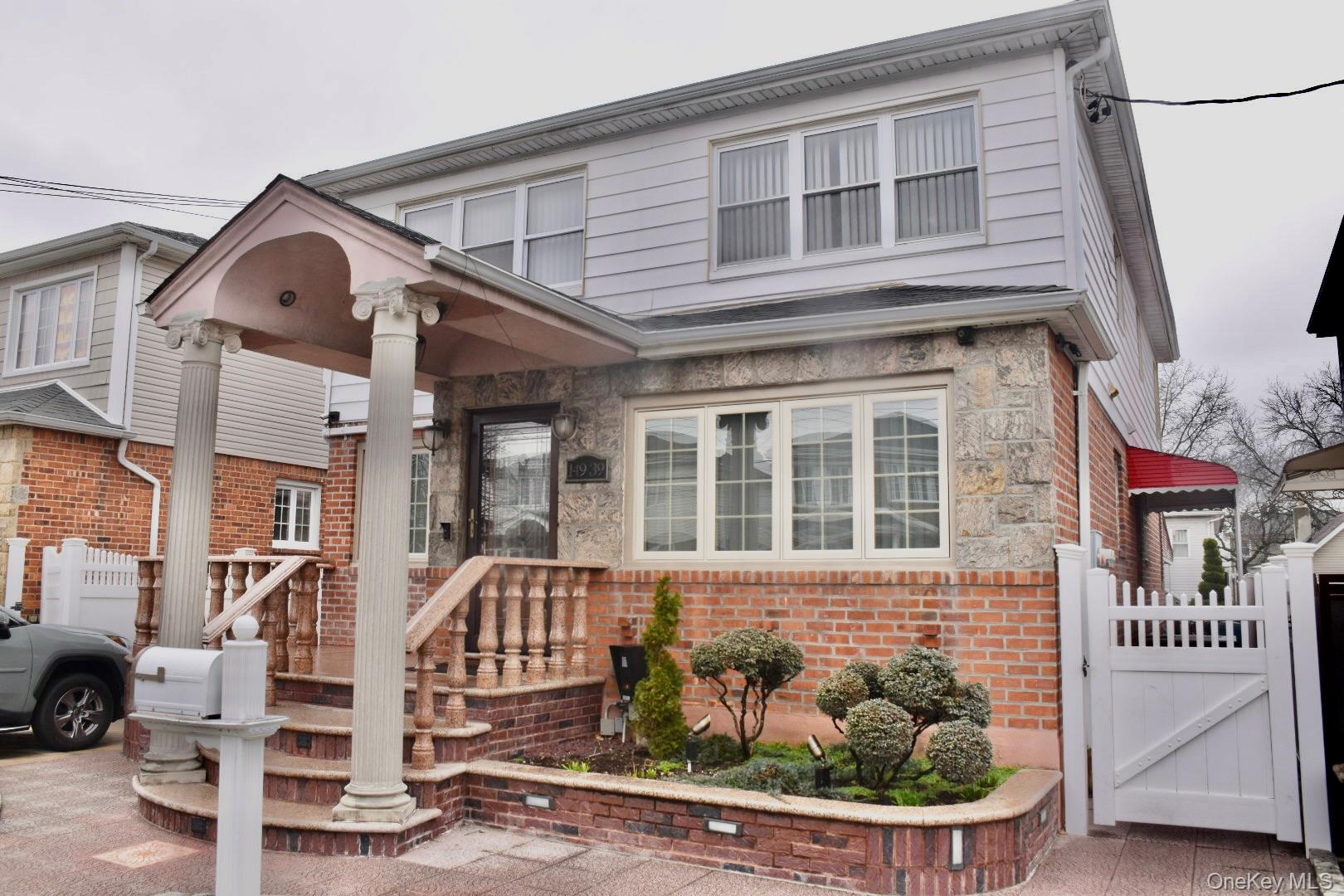
Rental income is the variable that makes or breaks two-family math here, and it’s also the number this page can’t state with confidence: no independently sourced, neighborhood-specific asking-rent index for South Ozone Park was available at the time of research. Before underwriting a purchase as an investment, pull current asking rents for comparable two-family units directly from live listing data, not from a generic borough-wide average, since submarket rent levels vary block to block in this part of Queens.
What can be stated with a source: a two-family purchase that isn’t the buyer’s primary residence typically faces different mortgage terms than an owner-occupant purchase, and New York taxes rental income from an accessory unit as ordinary income regardless of whether the owner lives on-site. Build the deal around actual asking rents verified this month.
Is a two-family home here a better investment than a one-family?Depends entirely on verified current rents, not on the purchase price alone. A two-family with a strong rental unit can offset a meaningful share of the mortgage; a two-family with a soft or vacant rental market changes the math to something closer to a one-family purchase with extra maintenance burden.
Flood, wind, and heat exposure
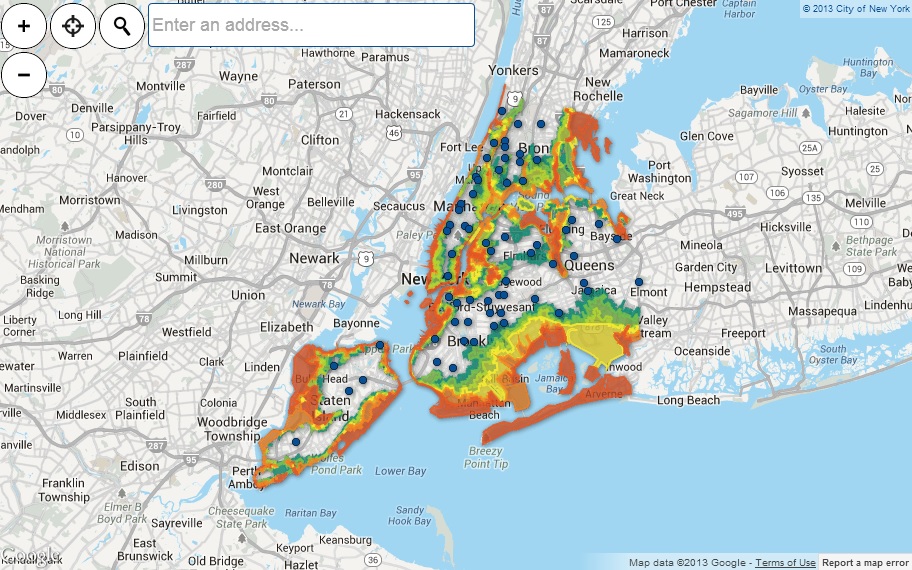
None of the market-facing sites covering this neighborhood mention climate risk, but First Street Foundation’s data, published through Redfin’s neighborhood pages, shows real exposure. Nineteen percent of South Ozone Park properties, 1,741 homes, are projected to face severe flooding at least once over the next 30 years, a minor-risk classification, but not a zero-risk one. Every property in the neighborhood carries a major wind-event classification tied to hurricane risk, and 99% face severe long-term heat exposure, with the area projected to see a 128% increase in days above 98°F over three decades.
| Hazard | Share of properties at risk (30-year) | Classification | Source |
|---|---|---|---|
| Flood | 19% (1,741 properties) | Minor | First Street, via Redfin |
| Severe wind | 100% | Major | First Street, via Redfin |
| Extreme heat | 99% | Severe | First Street, via Redfin |
That 19% flood figure is worth comparing to nearby South Jamaica, where First Street classifies 33% of properties at severe flood risk. The gap matters for insurance shopping and for any buyer weighing basement finishing or mechanical-room placement in an older home.
Does flood risk in South Ozone Park affect homeowners insurance costs?It can, particularly for the roughly one in five properties First Street flags as at severe 30-year risk. Ask any seller for their current homeowners insurance premium and whether it includes separate flood coverage; a property outside a mapped FEMA flood zone can still carry meaningful First Street-modeled risk that a standard policy doesn’t price in.
What older housing stock needs checked
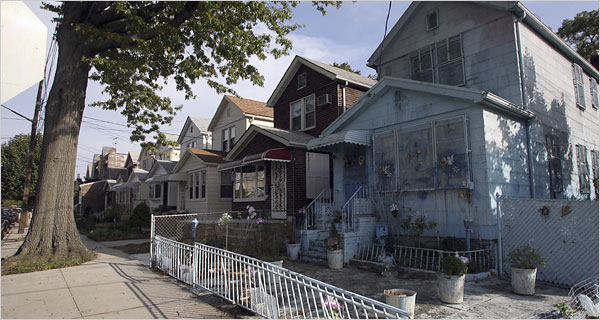
Housing built in the 1920s and 1930s boom that shaped this part of Queens commonly carries systems that have been replaced, patched, or left original, depending on the individual property’s maintenance history. A pre-offer or pre-closing inspection is the only reliable way to know which situation you’re buying into; don’t rely on a listing description’s “updated” claims alone. A licensed NYC home inspector should specifically check electrical systems predating modern code, aging boiler and heating equipment, roof condition, and basement moisture as a standard part of any pre-purchase inspection on housing this age.
Budget for the inspection as a real line item, and treat findings as a negotiating point: sellers in a market this close to full asking price have room to offer a credit rather than lose a deal over a fixable issue.
How South Ozone Park compares to nearby neighborhoods
| Neighborhood | Median sale price | Data date | Source |
|---|---|---|---|
| South Ozone Park | $780,000 | Jan 2026 | Redfin |
| Ozone Park | $780,000 | Jan 2026 | Redfin |
| South Jamaica | $755,000 | Feb 2026 | Redfin |
| South Richmond Hill | $871,000 | Mar 2025 | Rocket Homes (OneKey MLS/REBNY) |
| Richmond Hill | $887,000 | Dec 2025 | Redfin |
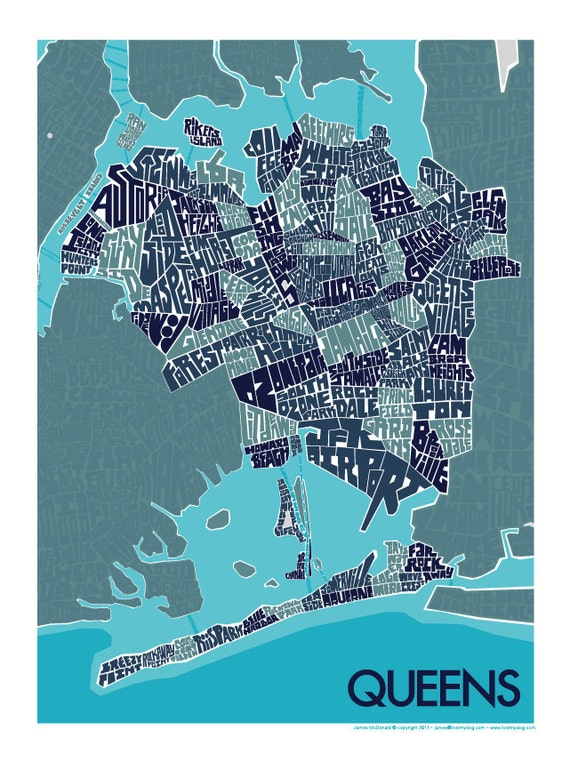
The South Richmond Hill figure is older than the others; it’s the most recent independently sourced number available, and it should be treated as a starting point rather than a current price. South Ozone Park and Ozone Park are priced almost identically as of January 2026, despite very different year-over-year trajectories: Ozone Park down 14.3%, South Ozone Park up 9.9%. Both South Richmond Hill and Richmond Hill run meaningfully higher than any of the three Ozone Park-adjacent neighborhoods.
How does South Ozone Park compare to Ozone Park for buyers?They’re priced almost the same right now, but on opposite trends: South Ozone Park is up 9.9% year over year while Ozone Park is down 14.3% over the same period, and Ozone Park’s median time on market runs longer, at 68 days versus 54. That divergence is worth asking a local agent about directly, since a single year-over-year swing on a market this size can reflect a shift in which homes happened to sell rather than a genuine repricing.
Transit and daily life
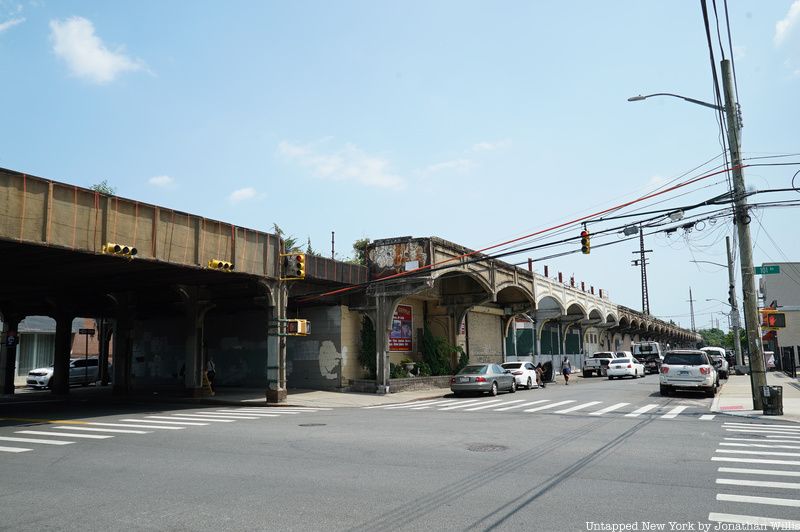
South Ozone Park sits among the top 5% of U.S. neighborhoods for walkability, and 31.4% of residents commute by train, both according to NeighborhoodScout’s analysis of Census data. Twenty percent of commuters here travel more than an hour each way, a genuinely long commute by national standards, and 31.9% of households own no car at all.
Comments