
Current Market Snapshot

Three separate MLS-derived snapshots for Sea Isle City, all dated 2026, show a market that is expensive, thin, and volatile month to month. Redfin’s citywide feed puts the May 2026 median sale price at $1,778,935, up 27.1% from a year earlier. A separate Redfin pull for the same city, sampled closer to Q1 2026, shows a $1.6 million median, $727 per square foot (down 16.4% year over year), and an average of 20 days on market against 119 days a year earlier, on a base of just 11 sales. Homes.com’s independent tracking, sampled in a different month, shows a $1,662,500 median (up 14% year over year) and 58 days on market, close to the 57-day national average.
None of these three figures should be read as more precise than the sample size allows.
| Town | Median sale price | $ / sq ft | Days on market | YoY sale-price change | Source month |
|---|---|---|---|---|---|
| Sea Isle City | $1.6M | $727 | 20 (vs. 119 prior year) | +23.1% | Redfin, ~Mar 2026 |
| Avalon | $2.6M | $1,950 | 158 (vs. 133 prior year) | -39.7% | Redfin, Jan 2026 |
| Ocean City | $1.4M | $811 | 99 (vs. 114 prior year) | +7.7% | Redfin, Jan 2026 |
Sources: Redfin, Sea Isle City, Redfin, Avalon, Redfin, Ocean City.
Avalon’s 158-day average and negative year-over-year swing reflect nine total sales that month: a handful of high-end closings can move the median by hundreds of thousands of dollars without any change in the town’s underlying value. Sea Isle City’s swing from 119 days to 20 days on 11 sales is the same effect in the opposite direction. A single-month figure from any of these towns is a data point, not a trend line.
What a public aggregator page cannot currently show for Sea Isle City is price broken out by property type (condo vs. townhouse vs. single-family) or by sub-area (Townsends Inlet vs. the Landis Avenue corridor vs. bayside). That split exists inside the live MLS feed, not in a scraped monthly snapshot: a buyer working with a local agent can pull it directly, while a page working from public data cannot responsibly fabricate it.
Why the Standard Investment Checklist Doesn’t Quite Apply Here
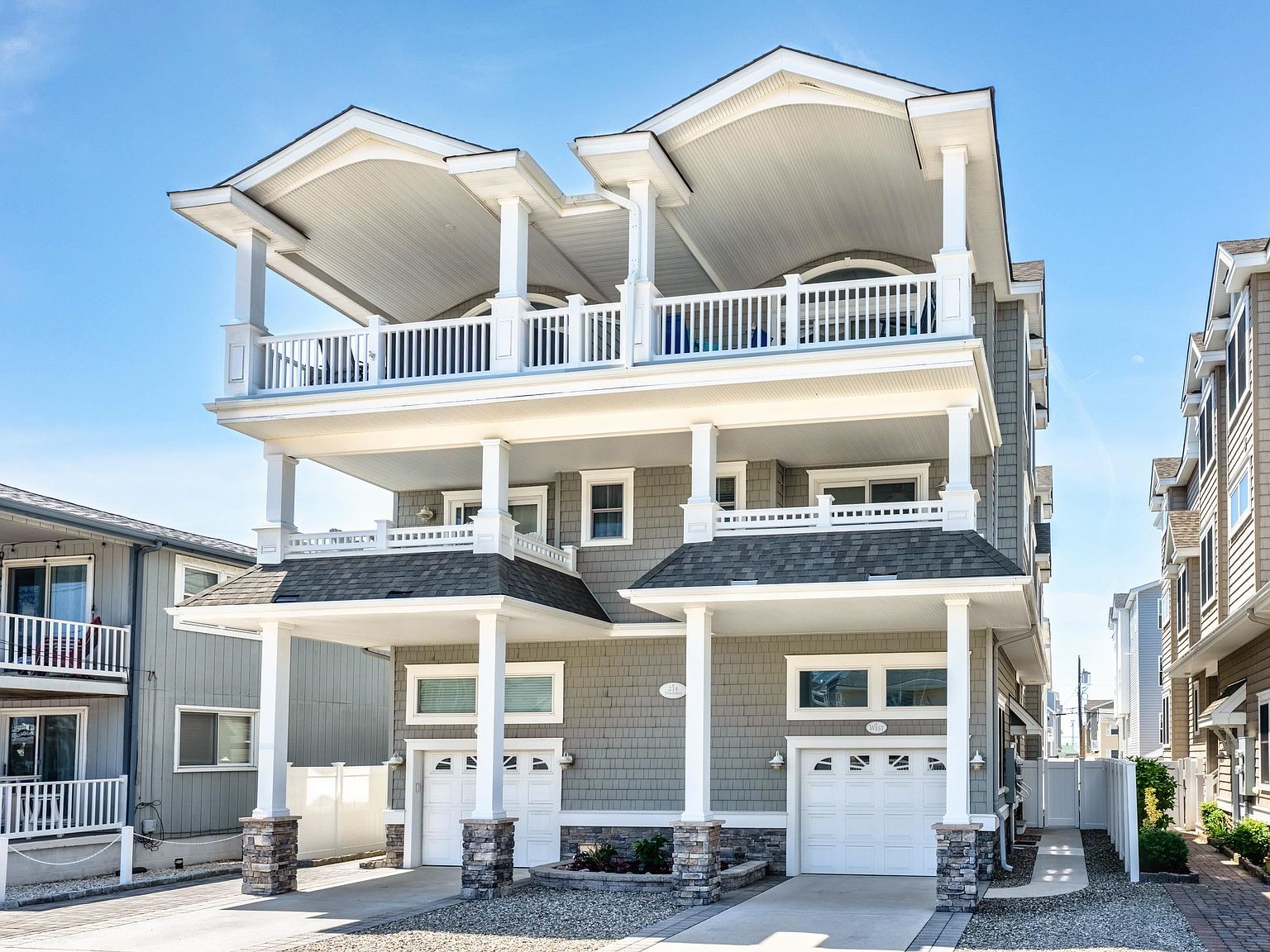
Most real-estate investment frameworks weight population growth, job-market diversity, and the unemployment rate as core signals, because in a year-round rental market those numbers predict tenant demand. Sea Isle City breaks that model at the input level: the city’s year-round population was 2,104 at the 2020 Census, and of its 6,992 housing units, 84.3% were vacant on Census day, empty for months at a time because most are second homes occupied only a handful of weeks a year (Census Reporter). A framework built around local job growth has almost nothing to measure in a town where most housing units aren’t anyone’s year-round residence.
The demand that actually prices this market is a mix of second-home buyers and short-term-rental income during roughly 12 to 14 peak weeks, rather than local wage growth or local hiring. The median resident is 63.7 years old, and 46.6% of residents are 65 or older (same Census source): a population a job-diversity metric has almost nothing to measure.
Who This Market Suits
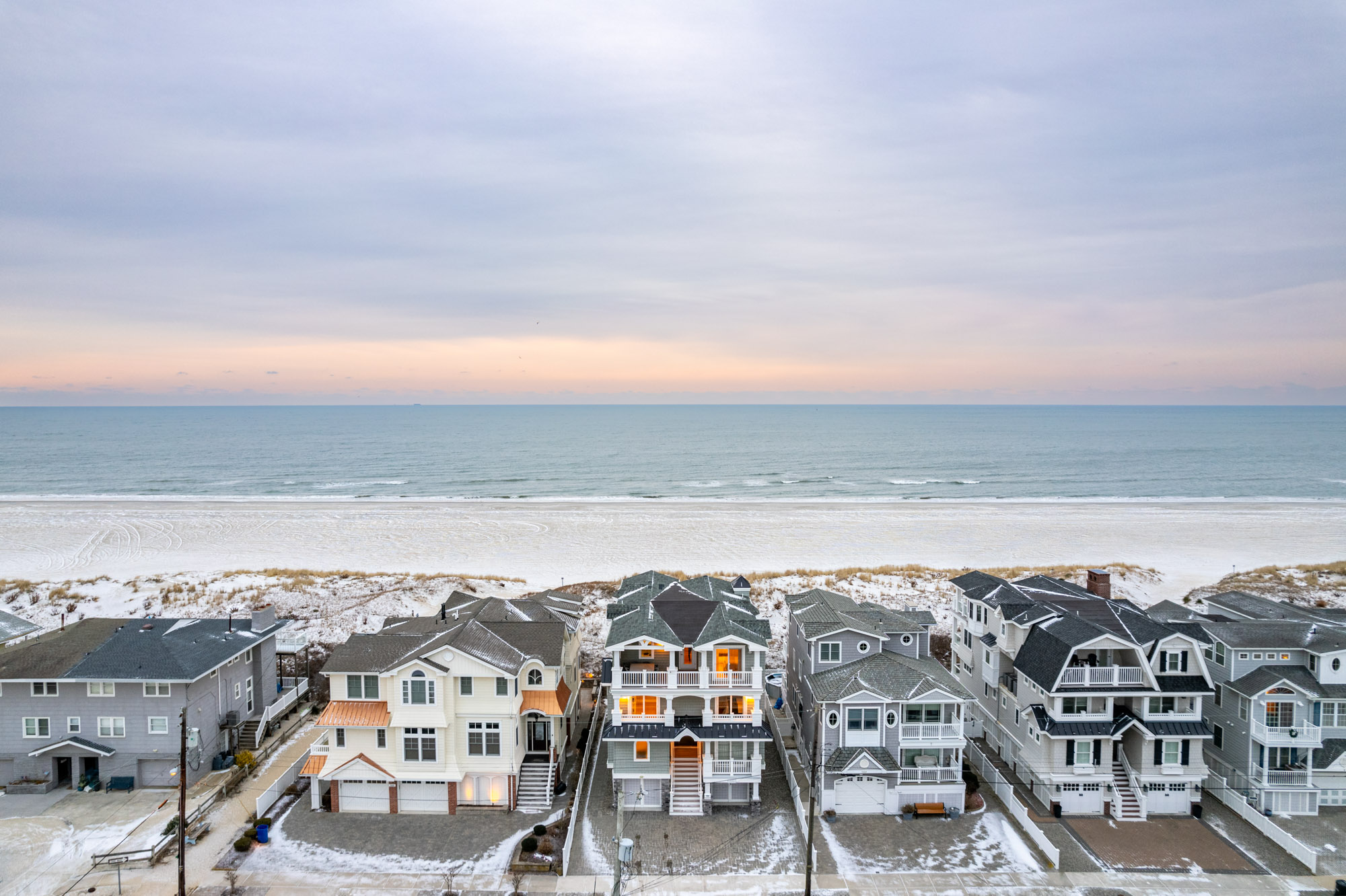
- Primary or retirement buyer. Weigh year-round livability and off-season quiet over rental yield; Sea Isle’s median-age profile signals a town built for this buyer, not a rental spreadsheet.
- Second-home buyer who rents occasionally. The permit and tax rules below apply the moment any rental income changes hands, regardless of whether it’s for a full season or a single week.
- Investor targeting short-term rental income. The booking-channel details two sections down decide whether that income is legal to collect the way you’re planning to collect it, before DOM volatility or thin sales volume matter at all.
Short-Term Rental Rules and What They Actually Cost
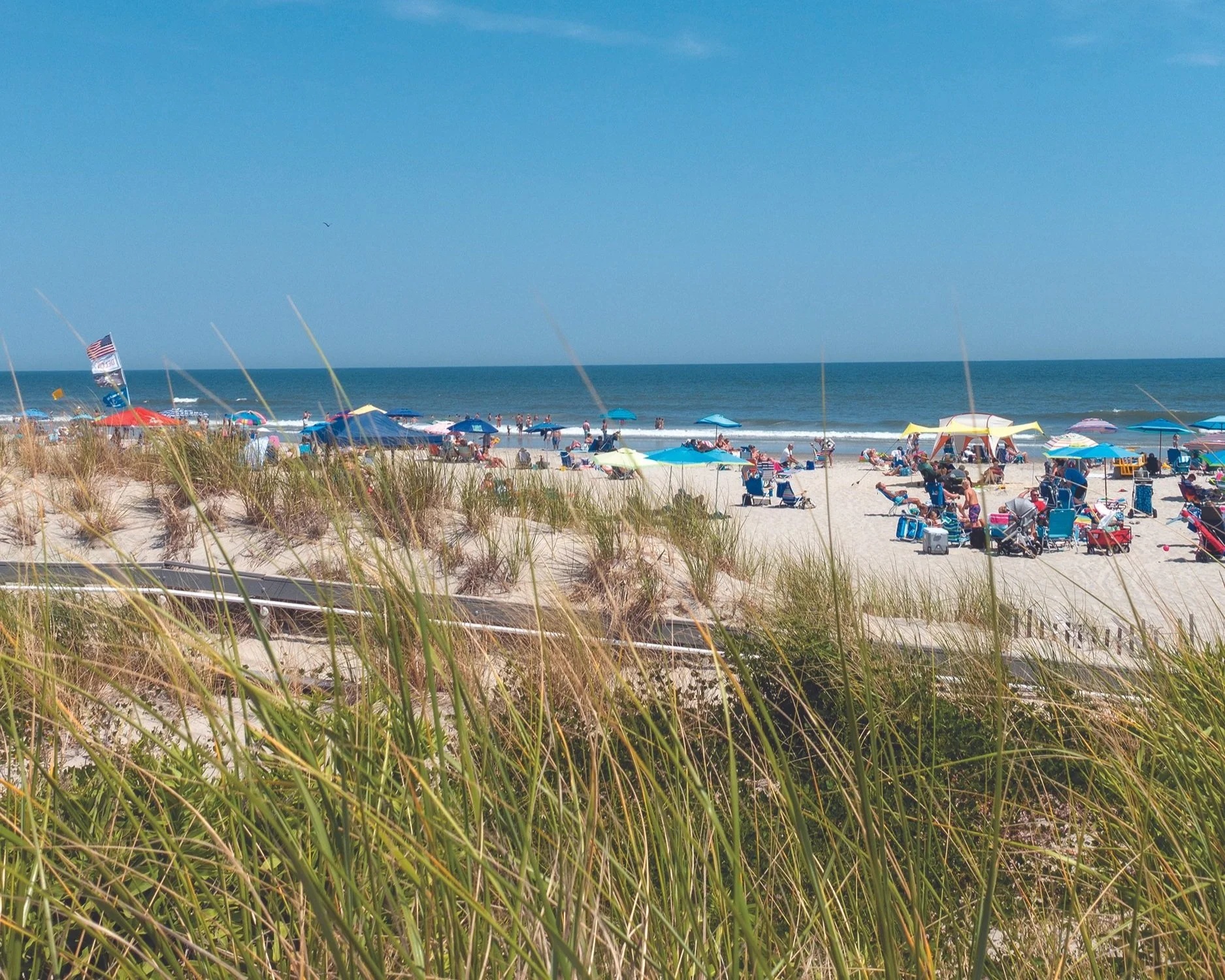
Every standard shore-town pitch, “rent it out to tourists,” skips a step: whether tax applies, and whether a permit is required, depends on how the rental is booked, not simply on the fact that a rental happened.
Under New Jersey’s transient accommodations law, Sales Tax (6.625%) and the State Occupancy Fee apply only when a rental is obtained through a “transient space marketplace” such as Airbnb or Vrbo, or when the owner offers three or more units for rent statewide (a “professionally managed unit”). A rental executed by a licensed New Jersey real estate broker, the traditional Jersey Shore model where a local agency handles the booking, is exempt from both taxes entirely (NJ Division of Taxation; Technical Bulletin TB-81R). Separately, state law lets municipalities add their own occupancy tax of up to 3% (N.J.S.A. 40:48F-1 to -7); Sea Isle City is not among the small set of towns publicly listed as having adopted a separate statutory hotel or tourism tax, though owners should confirm current status directly with the city before pricing a rental, since local ordinances change independently of state law.
| Booking method | Sales Tax + State Occupancy Fee owed? | Source |
|---|---|---|
| Booked through a licensed NJ real estate broker | No | NJ Div. of Taxation FAQ |
| Booked through Airbnb, Vrbo, or similar marketplace | Yes, marketplace collects and remits | TB-81R |
| Booked directly by an owner who rents 3+ units statewide | Yes, owner must register and remit | TB-81R |
| Lease of 90+ consecutive days | No, outside the transient-accommodation definition | TB-81R |
That’s the tax layer. Separately, Sea Isle City’s own rental-housing ordinance requires a permit before any dwelling unit is rented at all, regardless of booking channel or tax status.
| Requirement | Threshold / detail | Source |
|---|---|---|
| Rental permit required | Renting without one is a violation | Sea Isle City Code Ch. 11 |
| Penalty for renting without a permit | $500 to $1,000 per conviction | City Clerk FAQ |
| Minimum liability insurance | $500,000 combined property damage and bodily injury | Rental license application |
| License term | Valid until April 30 of the following year, renewed annually | City Code Ch. 11 |
| Late renewal fee | $200 after May 31 | Rental license application |
If the property is rented through a real estate agent or agency, that agency automatically satisfies the city’s contact-person requirement; a self-managed rental instead needs a Cape May County resident designated as the emergency contact for the duration of the lease.
Do I need a license to rent my Sea Isle City property short-term?Yes. City ordinance requires a rental permit for any rented dwelling unit, separate from and in addition to any state sales or occupancy tax that may apply based on how the booking was made.
Is Sea Isle City a good short-term rental investment?That depends on the booking channel more than the property. A broker-executed summer rental carries no state sales tax or occupancy fee; the same unit booked through Airbnb owes 6.625% Sales Tax plus the State Occupancy Fee on top of the city’s permit and insurance requirements.
How Sea Isle City Compares to Avalon and Ocean City

Avalon consistently prices above Sea Isle City: its January 2026 $/sq ft figure of $1,950 was more than double Sea Isle’s $727 in the same data set, reflecting a larger share of new, oversized construction and stricter local zoning. Ocean City runs the other direction, with an $811/sq ft figure and $1.4 million median that sit below Sea Isle’s, driven by a housing stock that includes far more modest, older, non-beach-block inventory alongside its high end. A buyer priced out of Avalon and unwilling to drop to Ocean City’s broader inventory mix lands squarely in Sea Isle’s range.
Is Sea Isle City cheaper than Avalon?On the available snapshots, yes by a wide margin – Sea Isle’s per-square-foot figure was well under half of Avalon’s in the same period – though Sea Isle still prices above Ocean City’s citywide median.
Neighborhoods Within Sea Isle City
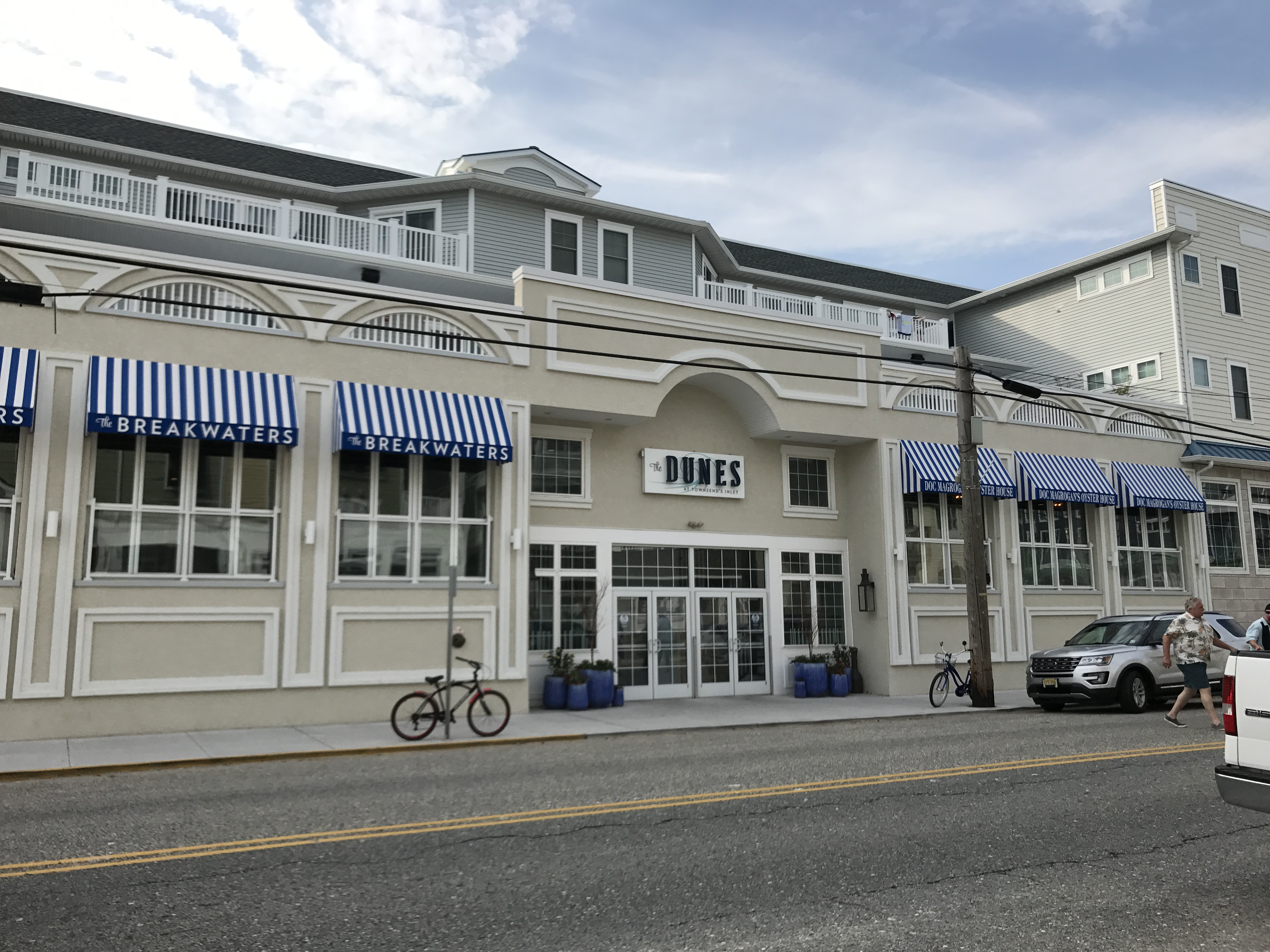
Townsends Inlet, at the island’s south end, is repeatedly named in current listings as a distinct, higher-tier micro-location. One recent listing at 135 89th Street, a five-bedroom, five-and-a-half-bath custom single-family home, was marketed specifically as being in “highly sought after Townsends Inlet” (Redfin). The Landis Avenue corridor and the bayside blocks form the market’s other two commonly referenced tiers, though no public aggregator currently prices these three areas separately.
What’s the difference between Townsends Inlet and the rest of Sea Isle City?Townsends Inlet is the island’s southern tip, named directly in current listings as a distinct, sought-after pocket; the rest of the market splits between the Landis Avenue commercial corridor and the quieter bayside blocks to the west.
Common Mistakes Buyers and Investors Make Here
- Assuming population or job-growth data says anything useful. With 84.3% of housing units vacant on Census day, those metrics describe almost none of the market’s actual demand driver.
- Booking summer rentals through a marketplace without pricing in the tax. A rental booked through Airbnb owes Sales Tax and the State Occupancy Fee that the same unit wouldn’t owe through a broker.
- Skipping the rental permit because “everyone just rents it out.” The $500 to $1,000 penalty and the $500,000 insurance requirement apply regardless of how casual the arrangement feels.
- Treating a single month’s DOM or median price as a trend. Sea Isle’s own data swung from 119 days on market to 20 in one year, on 11 total sales.
Comments