
Where Shadow Hills sits and what the zoning protects
Shadow Hills sits in the northeast San Fernando Valley, in the foothills of the Verdugo Mountains, inside the City of Los Angeles. Most residential parcels carry an RA (Suburban) zone designation, with some parcels zoned A2 (Agricultural); roughly 2,200 households share the area (Foothill Trails District Neighborhood Council). The zoning exists to keep horsekeeping legal at scale, not just scenic.
Can I actually keep horses on any lot in Shadow Hills, or only some? Only on lots of 20,000 square feet or more, and only up to one horse for every 5,000 square feet of lot area, per the city’s equine-keeping provisions. A smaller parcel inside the same zone doesn’t qualify regardless of the neighborhood’s reputation.
What the RA zone and equestrian rules actually allow
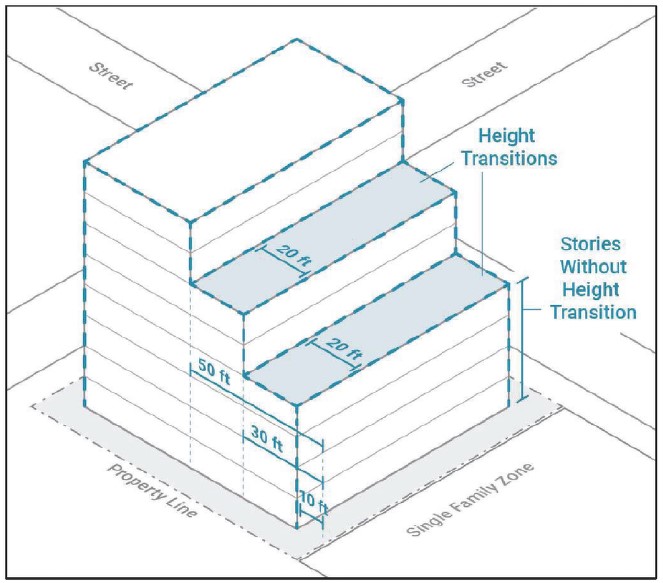
The base RA zone sets a residential floor: a minimum lot area of 17,500 square feet and a minimum width of 70 feet for a dwelling, independent of any horsekeeping question (LAMC Sec. 12.07). Horsekeeping itself is a separate threshold layered on top.
Lot and setback standards
City Council findings on equine keeping describe two further checkpoints for buyers. First, confirm whether the parcel sits inside a supplemental “K” Equinekeeping District or relies on the general RA/equine provisions; K District parcels get more consistent enforcement, while non-K parcels have generated complaints about inconsistent inspector interpretation. Second, in non-K districts, new construction generally needs to sit at least 75 feet from an existing equine structure, and a new barn generally needs 35 feet of separation from a home, before the equine use is treated as legally nonconforming (LA City Clerk report 14-0389).
The permit checklist before you build anything
Los Angeles won’t issue a building permit for new habitable space on RA-zoned lots, or on parcels inside a K District, until an Equine Keeping Checklist Form and site plan clear inspection under Zoning Information File 2438. Skipping this step is the single most common way a buyer’s renovation or ADU plan stalls after closing, and it’s worth requesting from a seller’s agent before writing an offer, not after.
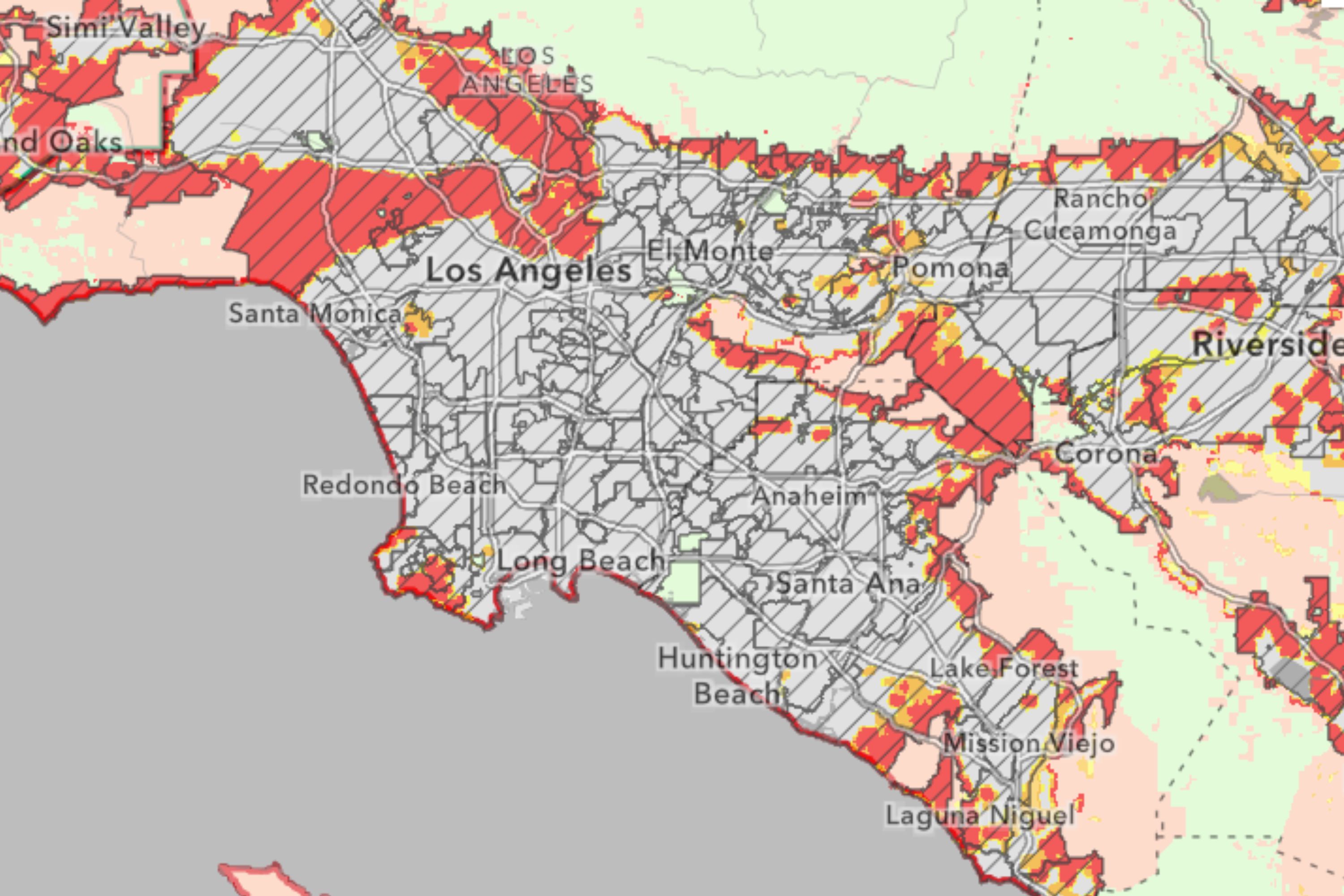
Does Shadow Hills’ wildfire risk affect insurance or financing? It can. The Los Angeles Fire Department lists Shadow Hills among the communities within the city’s Very High Fire Hazard Severity Zone, and First Street data reported by Redfin puts 93% of properties in the 91040 ZIP code at some wildfire risk over 30 years. Get a homeowners insurance quote before removing a financing contingency.
What homes actually cost right now
| Metric | Figure | Basis / timeframe | Source type |
|---|---|---|---|
| Shadow Hills neighborhood median sale price | $1.3M | January 2026, sold-price basis, up 17.1% YoY | Real estate aggregator (MLS/public records) |
| Shadow Hills median list price | $1.26M | June 2026, list-price basis, $619/sq ft | Real estate aggregator |
| 91040 ZIP-wide median sale price | $905K | 3 months ending May 2026, sold-price basis | Real estate aggregator |
| 91040 ZIP median price per square foot | $624 | Up 7.6% year over year | Real estate aggregator |
Why do different sites list such different median home prices for Shadow Hills? Because they draw the line differently. A neighborhood-specific figure on large equestrian lots reads higher than a ZIP-wide figure that folds in smaller, denser homes nearby, and a list price reads differently than a closed sale price. Always ask which boundary and which basis a number uses before comparing it to another source.
Risk factors to check before making an offer
Fire hazard severity zone status
Shadow Hills carries Very High Fire Hazard Severity Zone status under the Los Angeles Fire Department’s own designation. That status doesn’t force retrofits on an existing home, but it does trigger California’s state minimum fire-safe building and siting standards for new construction and for any new parcel approved after July 1, 2021, per a City Planning Department recommendation report, meaning a subdivision, a new accessory structure, or a major addition can face requirements an ordinary in-city remodel wouldn’t.
Financing an agricultural-zoned or large-lot property
Fannie Mae and Freddie Mac conventional loans generally exclude property used for farming, and the zoning label alone isn’t what decides it: an appraiser who documents active animal keeping, even something as small as a few goats generating milk income, can classify the whole property as agricultural use and outside conventional eligibility, according to mortgage broker Marimark Mortgage. FHA loans avoid an acreage cap but only appraise the value of the first 10 acres; USDA loans cap land value at 30% of the total property value, per Gustan Cho Associates. None of this makes a Shadow Hills purchase unfinanceable, but it means asking a lender about the property’s zoning and any income-producing use before waiving a financing contingency, not after.
ADUs, SB9, and what large lots can add
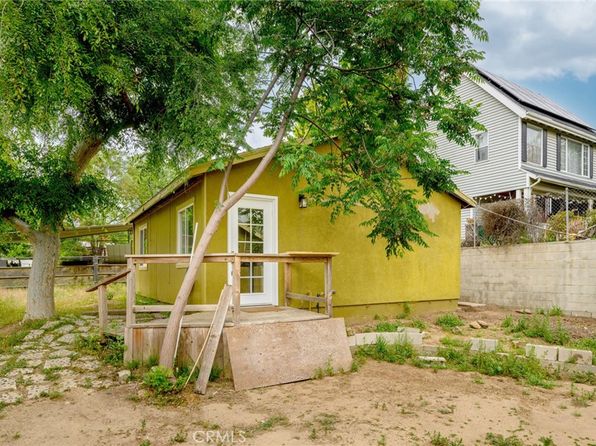
California law sets no minimum lot size for an accessory dwelling unit (Gov. Code §66314(b)(1) and §66321(b)(3), per CALI ADU’s statutory review), and the City of Los Angeles permits detached ADUs up to 1,200 square feet in every residential zone, RA included, per the ADU Zoning Hub’s Los Angeles guide. That opens real rental or multigenerational upside on Shadow Hills’ larger parcels. SB9 urban lot splits work differently: state law excludes them from high fire hazard severity zones, along with coastal zones, historic districts, earthquake fault zones, and floodplains, according to PropertyZoned’s guide to California ADU law, so an investor counting on splitting a Shadow Hills lot into two saleable parcels under SB9 should confirm that option doesn’t apply here before pricing it into a deal.
Is Shadow Hills a good fit for an investor building an ADU? The ADU path itself is open: no state minimum lot size applies, and the city allows up to 1,200 square feet detached. The SB9 lot-split path is closed here because of the fire hazard zone designation, so plan around a single additional unit rather than a subdivided second lot.
Water, septic, and utility due diligence
Sunland-Tujunga and the surrounding hillside pocket that includes Shadow Hills is one of the areas the county’s own plumbing guidance names as a place septic systems remain common, alongside legacy rural-subdivision lots and larger agricultural parcels, per the LA Plumbing Authority. A property on septic falls under LA County Department of Public Health Title 11 rules, and a failure or a property transfer can trigger mandatory inspection or connection review if a public sewer main runs within roughly 200 feet. Ask for the septic inspection and percolation report specifically; a “recently pumped” receipt from a seller isn’t the same document.
Schools, commute, and daily life
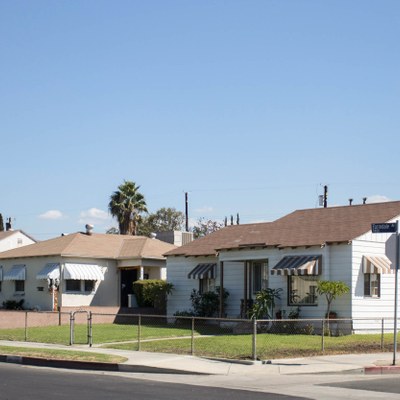
Public elementary assignment for most of the neighborhood runs through Stonehurst Avenue Elementary, with middle school splitting between Byrd Middle School in Sun Valley and Maclay Middle School in Pacoima depending on the exact street. Commute access runs through the I-5 and I-210 corridors toward Burbank, Glendale, and downtown Los Angeles.
For dining, Villa Terraza is the neighborhood’s best-known destination, and its building has more history than the usual “since 1936” mention suggests: German immigrant August Furst bought the property in 1936 and built it as the Old Vienna Gardens and his family home, nicknamed Furst Castle. The Furst family sold the property in the 1970s, and the current restaurant reopened under new ownership in 2016 after a lengthy permitting process, according to the Crescenta Valley Weekly.
How Shadow Hills compares to other LA equestrian neighborhoods
| Neighborhood | Zoning type | Typical horsekeeping lot size | Recent median sale price | Notes |
|---|---|---|---|---|
| Shadow Hills | RA plus K Equinekeeping District on most parcels | 20,000 sq ft minimum | $1.3M (Jan. 2026) | Up 17.1% YoY, 82 days on market |
| Lake View Terrace | RA, equestrian-zoned pockets | Comparable large lots | $920K (3 mo. ending Mar. 2026) | Up 16.5% YoY; 100% of parcels flagged for some wildfire risk |
| Chatsworth | RA (“LARA”) in specific pockets; much of the community isn’t equestrian-zoned | 20,000+ sq ft in RA pockets | $945K neighborhood-wide (Mar. 2026) | Equestrian-zoned parcels are a subset commanding a premium not reflected in this wider figure |
| La Tuna Canyon | Commonly A2 Agricultural | Varies, often larger acreage | No reliable aggregator median found | Zoning supports equine and agricultural use; open research task |
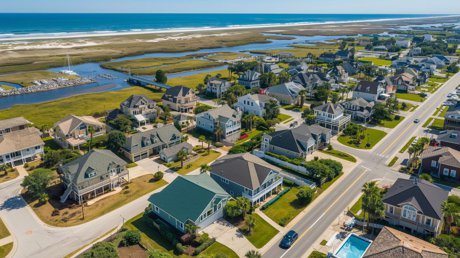
Shadow Hills currently carries the highest median of the three neighborhoods with usable price data (Lake View Terrace figures via Redfin, Chatsworth figures via Redfin), and its appreciation rate outpaces both. A buyer priced out of Shadow Hills by roughly $350,000 to $400,000 has a real, similarly-zoned alternative in Lake View Terrace or the equestrian pockets of Chatsworth rather than a categorically different lifestyle.
Who Shadow Hills fits, and who it doesn’t
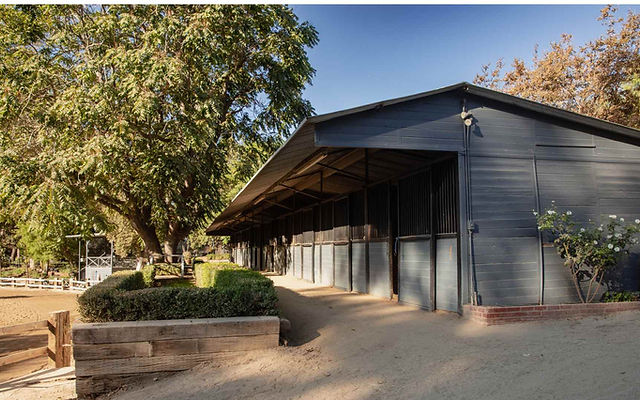
Shadow Hills suits a buyer who wants to actually keep horses, not just live near the idea of them, and who can carry a large-lot property’s maintenance and insurance costs. It fits an investor comfortable with conventional financing limits on agricultural-use parcels and interested in a single ADU rather than a lot split. It doesn’t fit a buyer who needs walkable daily errands, expects a short commute without a car, or wants a straightforward conventional loan on a lightly-used hobby parcel without first confirming the appraiser won’t flag it as agricultural.
Comments