
Rye Is a City, Not the Town, the Village, or Port Chester
“Rye” on a map search can mean four legally distinct governments, and mixing them up is not a cosmetic error – it changes which schools a child attends, which zoning board approves a renovation, and which Census numbers actually describe the place. The City of Rye received its own charter in 1942, making it the newest city in New York State (NY Courts, History of Westchester County Bench and Bar). It has its own council, its own zoning authority, and, mostly, its own school district. The separate Town of Rye, an entirely different government that contains the villages of Rye Brook and Port Chester plus unincorporated areas, reports a median household income around $113,000 and a population near 48,600 (New York Demographics, ACS-derived). The City of Rye reports a median household income of $239,815 and a population of roughly 16,400 (Census Reporter, ACS 2024 5-year estimate). A buyer who pulls “Rye” demographic data without checking which Rye they got is working from numbers for a different, much larger, much less affluent place.
| Entity | Legal type | Own school district? | Own zoning/government? | Common mix-up |
|---|---|---|---|---|
| City of Rye | Independent city (chartered 1942) | Mostly – two City neighborhoods (Greenhaven, The Preserve) are zoned to Rye Neck instead | Yes – own council, charter, zoning board | Treated as interchangeable with “Rye” the brand name |
| Town of Rye | Township surrounding/containing several villages | No single district; overlaps several | Town board governs only unincorporated areas | Confused with the City; five times the population, roughly half the household income |
| Village of Rye Brook | Incorporated village within the Town of Rye | Blind Brook-Rye UFSD | Own village board, layered under County and Town | Assumed to be part of “the City” because of the shared name |
| Village of Port Chester | Incorporated village within the Town of Rye | Port Chester-Rye UFSD | Own village board | Bundled into “Rye” real-estate searches despite a distinct, denser housing stock |
The practical consequence: a school district, a tax bill, and a zoning variance are all decided at the level of this table, not at the level of “Rye” as a place name.
Is Rye, NY a city, a town, or a village? It is legally a city – an independent municipal corporation chartered in 1942, separate from the surrounding Town of Rye and from the villages of Rye Brook and Port Chester, which are different governments entirely despite the shared name.
What Homes Are Actually Selling For
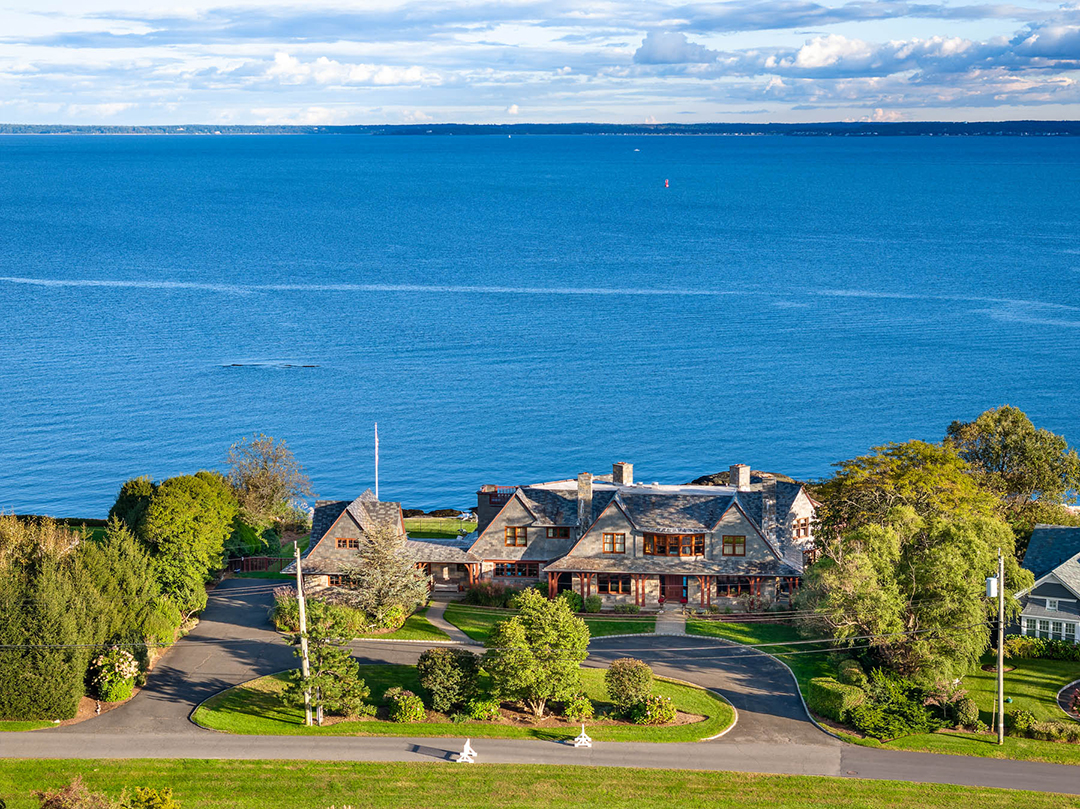
The March 2026 figures – sale prices down 13.3% year over year even as price per square foot rose 9.3%, and days on market climbing from 27 to 41 – point to a shift toward smaller or lower-priced closings rather than a broad decline across every home size. Countywide, Westchester’s median sale price sat at $750,000 in the same month (Redfin), underscoring how far Rye trades above the county baseline.
What It Costs to Own, Not Just Buy
Assessed value in the City of Rye is not the same figure as market value. The City’s 2025 budget materials describe an “average” $2 million home carrying a city-only tax component of $5,167 – a number that only makes sense if the assessed value behind it is a small fraction of $2 million, not the full price. This is a common, legal practice under New York’s assessment rules, and it means a buyer cannot multiply a listing price by a headline millage rate and get the actual bill.
The City’s 2026 budget sets the proposed city tax rate at $232.40 per $1,000 of assessed valuation, up from $216.48 in 2025 (City of Rye Tentative Budget). What a buyer actually pays is the combined city, county, school, and library levy – and per the City’s 2025 budget presentation as reported locally, that combination came to about $30,220 on a representative $2 million home, split 17% city, 21% county, 61% school, 1% library.
Assessed value and market value are two different numbers in Rye. A listing price alone tells a buyer almost nothing about the tax bill without the parcel’s actual assessment on record with the City Assessor.
Scaling that same effective combined rate, roughly 1.5% of market value, across other price points, and adding a mortgage at Freddie Mac’s most recent published 30-year average of 6.49% (week of July 9, 2026) with 20% down, gives a rough sense of the income a lender and a household budget would need to support:
| Home price | 20% down payment | Est. monthly cost (P&I + property tax) | Approx. required gross annual income (36% DTI, insurance excluded) |
|---|---|---|---|
| $1,500,000 | $300,000 | ~$9,470 | ~$316,000 |
| $2,200,000 (current median) | $440,000 | ~$13,880 | ~$463,000 |
| $3,500,000 | $700,000 | ~$22,090 | ~$736,000 |
This is an illustrative example built from the assumptions stated above, not a lender’s pre-approval math – insurance, HOA or co-op maintenance, and a buyer’s actual credit profile all move the real number.
How much income do I need to buy in Rye, NY? For a home at the current $2.2 million median, with 20% down and a 30-year mortgage near the current 6.49% average rate, the combined mortgage-and-property-tax payment implies a household income in the neighborhood of $450,000 to $470,000 under a standard 36% debt-to-income ceiling – before insurance or any co-op or HOA charges.
Co-op, Condo, or House: The Financing Difference
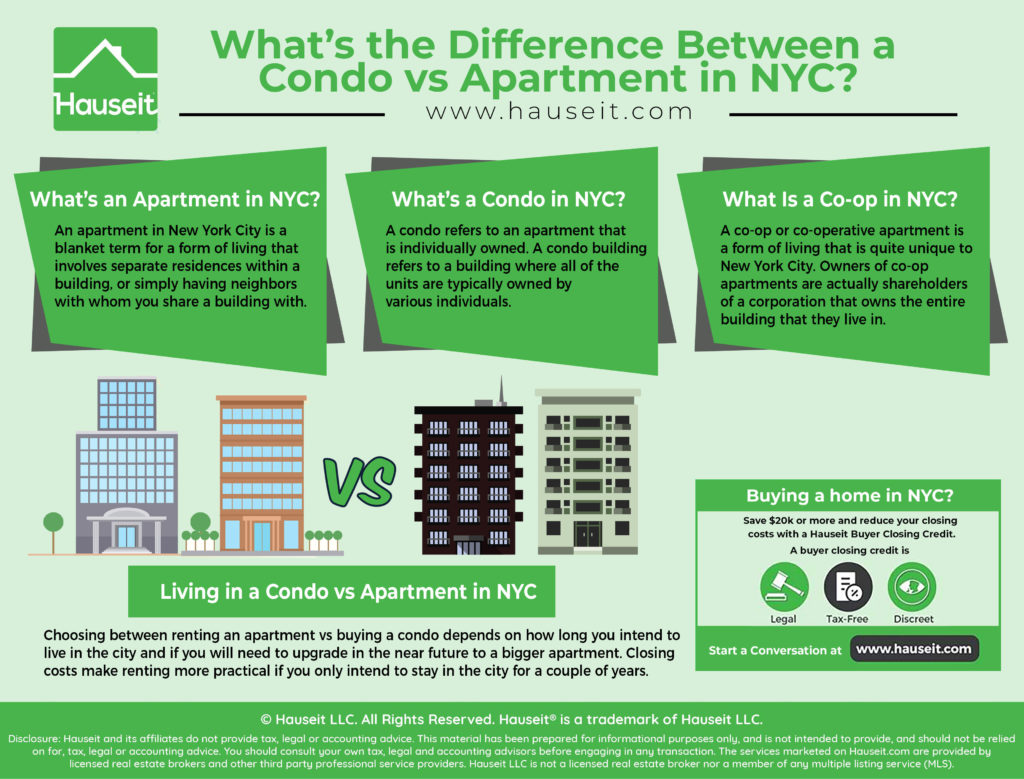
The City’s housing stock leans overwhelmingly single-family, so the co-ops and condos that do exist are a small share of the market – the figures below reflect general New York-area co-op board norms rather than Rye-specific board data, since no building-by-building Rye source was located. New York-area co-op boards typically require 20 to 25% down and hold buyers to a stricter 25–29% debt-to-income ceiling than a bank alone would apply, on top of a full board interview and financial-disclosure package (Brick Underground). Condo boards can review buyers too, but their leverage is limited to a right of first refusal, not an outright veto – a real difference in how much a buyer’s closing timeline can be derailed late in the process.
| Property type | Board approval | Typical down payment | Financing flexibility |
|---|---|---|---|
| Co-op | Full board interview and financial package; board can reject without stating a reason | 20–25% typical; some buildings 30%+ or all-cash only | Lowest – bank approval does not guarantee board approval |
| Condo | Board holds right of first refusal only | Often 10–20% | Higher – closer to a standard mortgage process |
| Single-family | None | Set by lender, not a board | Highest – no board layer at all |
Neighborhoods, Reconciled
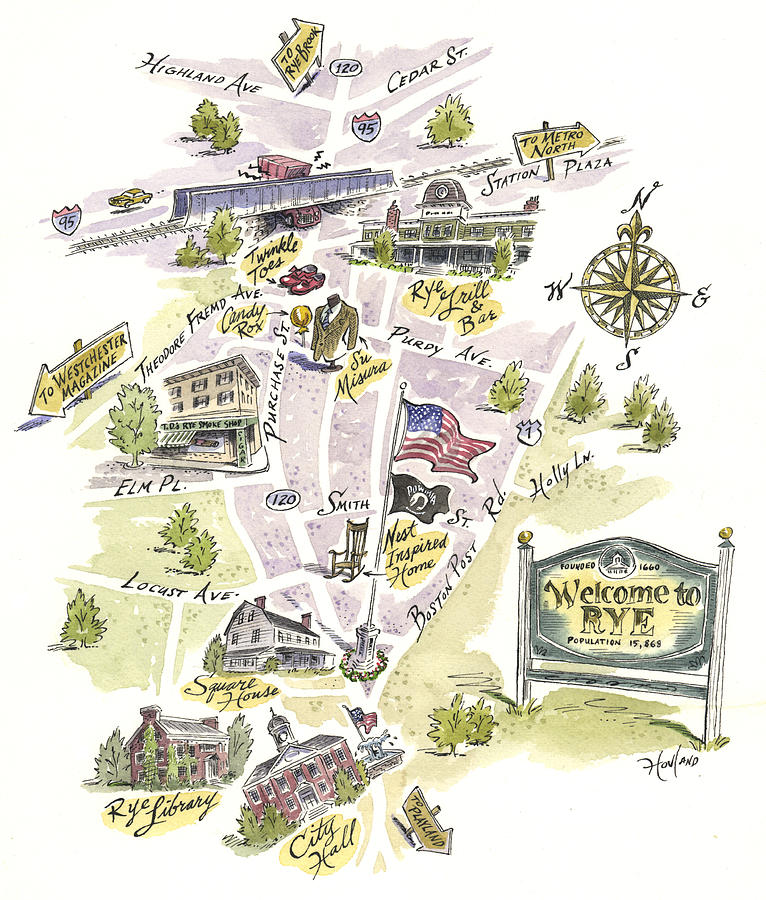
Sources describing Rye’s neighborhoods do not agree on which three or four areas define the city, because the city’s own 1985 Master Plan named more than a handful of historically distinct areas rather than a fixed short list. Milton and Indian Village both sit along the Blind Brook flood corridor discussed below. Greenhaven and The Preserve at Rye carry a different school-district assignment than the rest of the city – covered in the Schools section below, since it matters more there than as a neighborhood label.
Schools: The District Boundary Trap

A Rye mailing address does not guarantee Rye City School District enrollment. Rye Neck Union Free School District’s district page states plainly that it serves students from both the City of Rye and the Village of Mamaroneck (Rye Neck UFSD) – meaning specific streets inside the City limits, including Greenhaven and The Preserve at Rye, feed a different district entirely. Rye City School District itself carries a strong, independently verifiable record: Niche’s 2026 rankings place it #21 among New York districts and #6 in Westchester County, with an A+ overall grade, 88% math and 87% reading proficiency, and a 10:1 student-teacher ratio (Niche). None of that applies automatically to a City of Rye address; the only way to know which district a specific parcel feeds is to check the boundary, not the ZIP code.
Do all Rye addresses go to Rye City schools? No. Two City of Rye neighborhoods, Greenhaven and The Preserve at Rye, are zoned to the separate Rye Neck Union Free School District rather than Rye City School District, despite carrying a City of Rye address.
The Commute, Reconciled
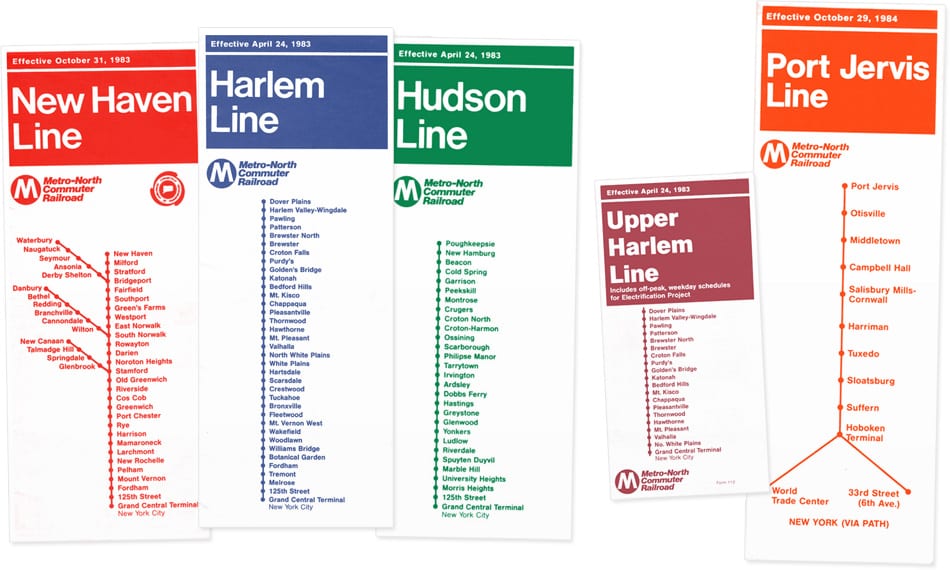
Two different numbers get quoted for the trip to Manhattan, and both are correct – they measure different things. The Census Bureau’s American Community Survey puts Rye residents’ mean travel time to work, across all modes and all destinations, at 39.8 minutes (Census Reporter). That figure blends short local trips with long ones and is not a train-only number. The train ride itself, Rye station to Grand Central on the Metro-North New Haven Line under the schedule effective March 29, 2026, runs roughly 45 to 53 minutes depending on service level, before adding walk and wait time on either end (MTA; Moovit, aggregating current MTA timetable data).
| Mode | Time of day | Duration | Source |
|---|---|---|---|
| Metro-North, faster service pattern | Varies by train | ~45 min, ride only | Moovit, aggregating MTA’s March 2026 timetable |
| Metro-North, local service pattern | Varies by train | ~53 min, ride only | Moovit, aggregating MTA’s March 2026 timetable |
| All-mode commute average | Annual survey average | 39.8 min | U.S. Census Bureau, ACS 2024 5-year, via Census Reporter |
| Driving | Off-peak | ~36 min | Rome2Rio, aggregating routing-engine data |
The spread commonly cited elsewhere collapses once the train-only ride time is separated from the door-to-door, all-mode average the Census actually measures.
Flood and Coastal Risk

Rye sits directly on Long Island Sound, and flood exposure is not evenly spread across the city. Blind Brook presents the greatest flood risk within City limits, and the Indian Village neighborhood is typically the most severely flooded area when the brook overflows its banks; a 2007 nor’easter pushed floodwater four to six feet deep on land there (Westchester County Hazard Mitigation Plan). Independently, First Street Foundation’s risk modeling, as reported through Redfin’s listing data, estimates 35% of properties in Rye, or 1,137 parcels, face severe flood risk over the next 30 years, a materially higher share than the county as a whole.
Is Rye, NY at flood risk? Unevenly. The Blind Brook corridor and the Indian Village neighborhood carry the City’s documented highest flood risk, with roughly a third of all Rye properties modeled at severe flood risk over 30 years, while the City has secured state funding for specific bridge and drainage projects aimed at that risk.
Who Rye Isn’t a Good Fit For
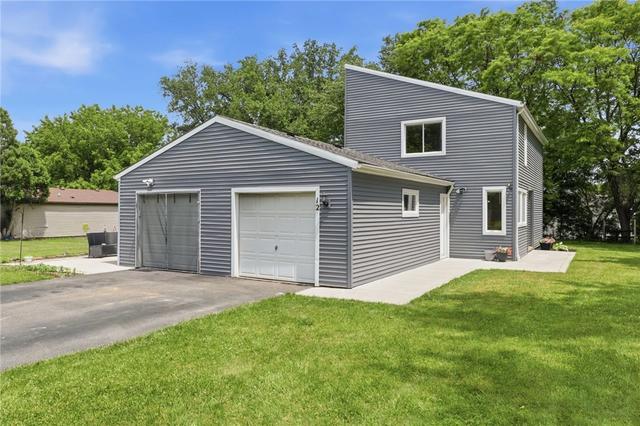
- Buyers needing inventory under $1 million. The current median sits above $2 million; sub-$1 million single-family stock is scarce enough that most buyers in that range end up looking at condos or neighboring towns instead.
- Renters needing a large, flexible rental market. The housing stock skews owner-occupied and single-family; renters have a materially thinner set of options than in denser Westchester communities.
- Buyers who need a same-week close on financing. Anyone financing a co-op purchase should plan for a multi-week board process on top of mortgage underwriting, not a condo-speed close.
- Anyone who needs frequent off-peak rail service. Midday and evening Metro-North service runs less frequently than during the AM/PM peaks; check the actual timetable before assuming door-to-door times hold up outside rush periods.
A Brief History
Settlement here dates to 1660, and the area spent much of the following two centuries in a New York–Connecticut border dispute before formally joining Westchester County. It became a city, its own government separate from the Town of Rye, only in 1942, the most recent city charter granted anywhere in New York State.
Comments