
What Drives the Price of an SPI Condo
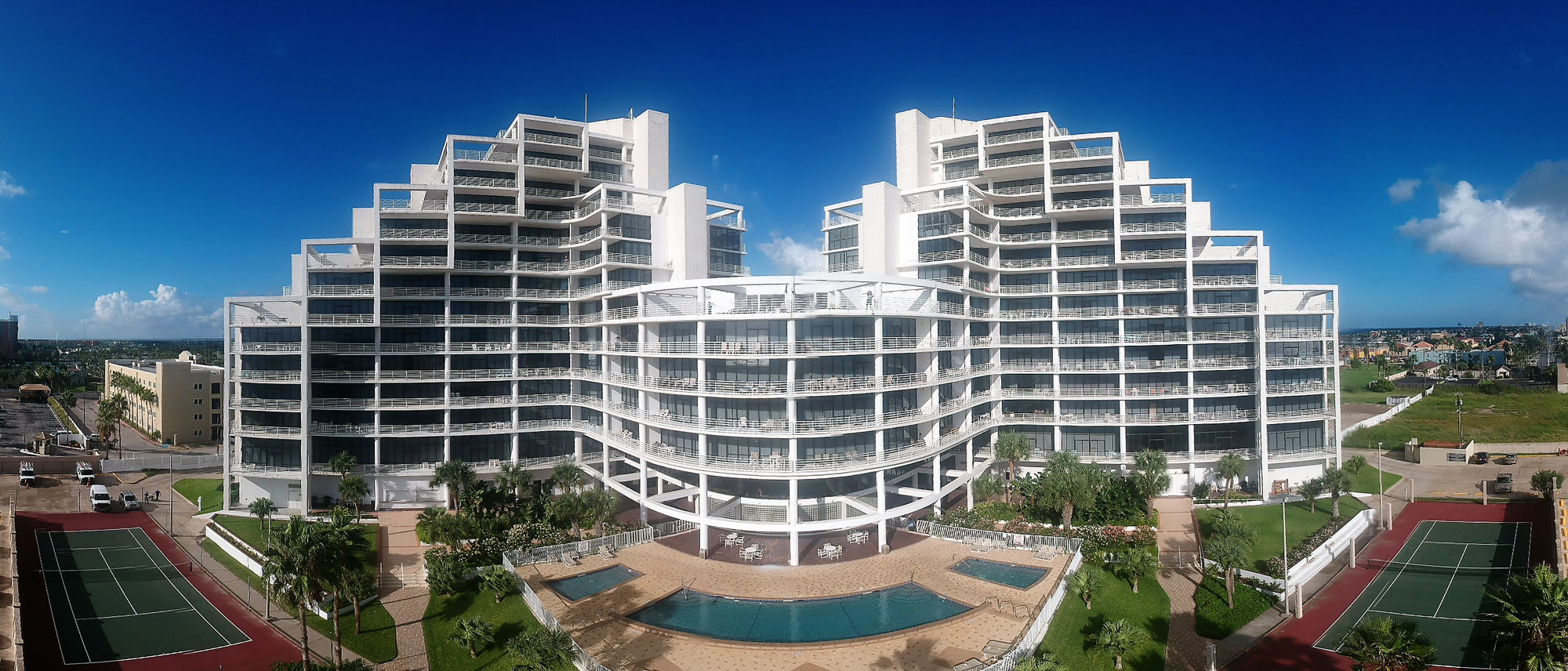
Listing portals show condo prices spread widely by building, and HOA fees spread even more widely than the sale prices do. In six named towers checked against current building profiles, monthly HOA fees ran from $315 at a smaller mid-island building to $1,700 at a full-service high-rise.
| Building | Built | Units | Monthly HOA fee |
|---|---|---|---|
| Beach House II | — | — | $315 to $553 |
| Inverness at South Padre | 1987 | 97 | $600 to $800 |
| Breakers Plaza | 1982 | 125 | $567 to $585 |
| Suntide III | 1983 | 118 | $600 to $1,400 |
| Bridgepoint | 1984 | 117 | $1,200 to $1,600 |
| The Sapphire | 2006 | 96 | $900 to $1,700 |
Fee ranges: Suntide III, Beach House II, Inverness, Breakers Plaza, Bridgepoint, The Sapphire (Homes.com).
Age alone doesn’t set the fee. Bridgepoint (1984) and The Sapphire (2006) both charge near the top of the range, because full-service amenities, on-site management, and higher insurance load push dues up regardless of the building’s decade. A cheap-looking HOA fee on an older tower is worth checking against the building’s reserve line, covered next.
Condo vs. Townhome vs. Single-Family: What Changes for a Buyer
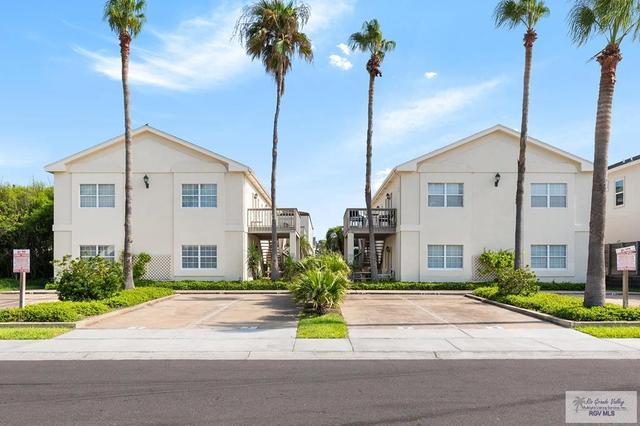
A condo purchase adds two layers a single-family home doesn’t have: the HOA’s financial health becomes part of the collateral, and the building’s rental posture determines which loan products are on the table. Townhomes with individually platted lots sidestep both issues; standalone homes sidestep them entirely.
HOA Fees, Reserves, and the Building-Age Risk Buyers Miss
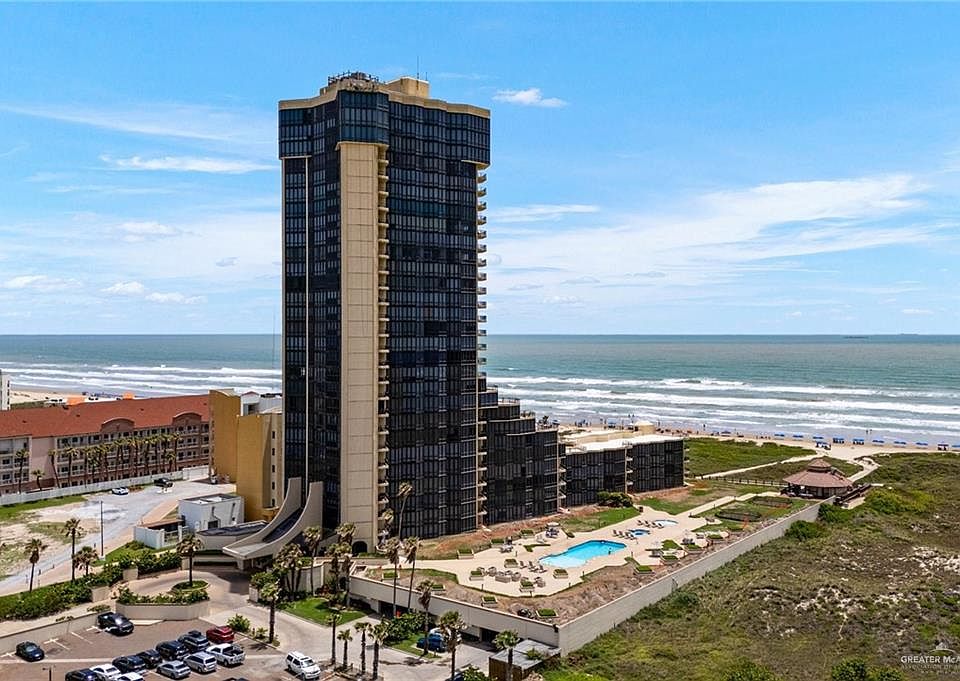
The number that matters more than the current HOA fee is the percentage of the annual budget going into reserves. Under the Fannie Mae Selling Guide, an association funding reserves below 10% of its annual budgeted income makes the whole building non-warrantable for conventional loans, not just the unit in question (Fannie Mae Selling Guide). That threshold rises to 15% for loan applications dated on or after January 4, 2027, under Lender Letter LL-2026-03 (GoverningDocs).
Suntide III, a 118-unit tower completed in 1983, currently lists HOA fees from $600 to $1,400 depending on unit line, a spread wide enough to suggest the association assesses differently by floor or view tier rather than charging a flat rate. Ask any older building for its current reserve percentage and its most recent reserve study date before writing an offer; the association isn’t required to volunteer either number until the resale certificate stage, covered below.
What happens if the HOA’s reserve fund is underfunded? The building can lose its Fannie Mae/Freddie Mac warrantable status, which removes conventional financing for every unit in it, not only the one being sold. Buyers already in the building may then need a portfolio loan to refinance, and resale values across the building typically soften once buyers know financing is restricted.
Financing an SPI Condo: Warrantable vs. Non-Warrantable
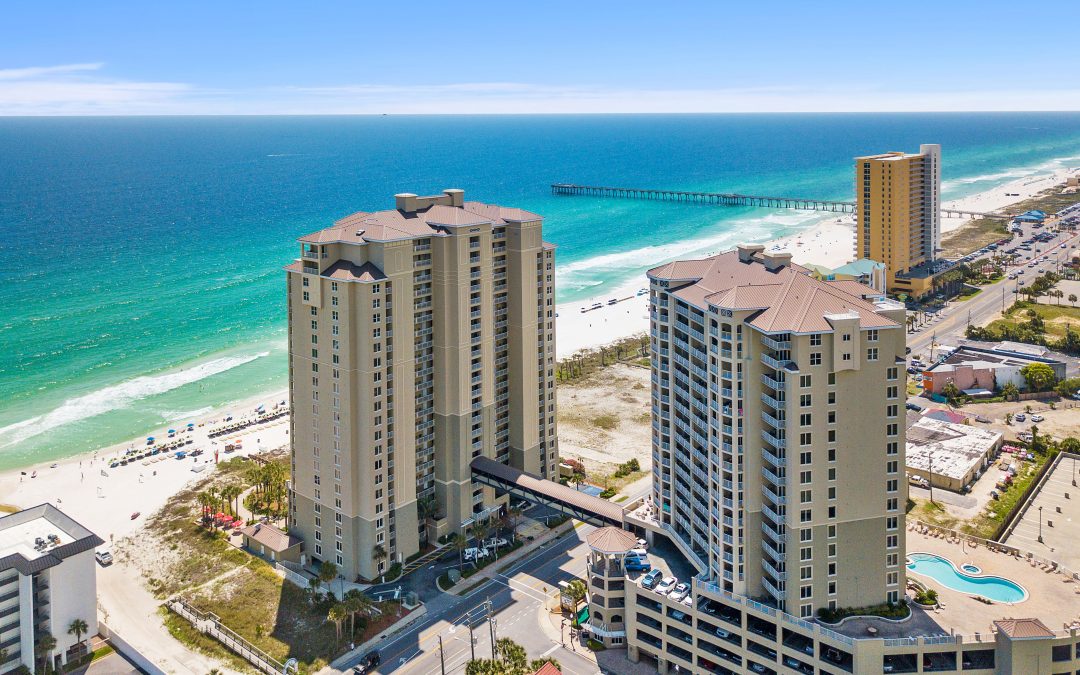
Two GSE rule changes from March 2026 directly affect SPI buildings that lean on short-term rental income. The 50% investor-concentration cap that used to block financing in heavily rented buildings was retired on March 18, 2026, but a short-term-rental operating model still disqualifies a building outright under separate criteria (Newrez).
| Factor | Warrantable condo | Non-warrantable condo |
|---|---|---|
| Daily/weekly rentals | Prohibited or restricted by governing docs | Condotel-style operation permitted |
| Reserve funding | At or above 15% of budget (loans dated Jan 4, 2027+) | Below the required threshold |
| Single-entity ownership | 20% or less of units (21+ unit projects) | One entity owns more than 20% |
| Active litigation | None material or structural | Active structural/safety litigation |
| Typical loan | Conventional, Fannie/Freddie-eligible | Portfolio or non-QM, often 20% to 30% down |
| GSE rule | Prior standard | 2026 standard | Effective |
|---|---|---|---|
| Investor concentration cap | 50% max | Cap retired for Full Review | March 18, 2026 |
| Reserve minimum | 10% of budget | 15% of budget | January 4, 2027 |
| Master-policy per-unit deductible | Uncapped | Capped at $50,000 | July 1, 2026 |
| Limited/Streamlined Review | Available | Eliminated | August 3, 2026 |
Source for both tables: GoverningDocs, citing Lender Letter LL-2026-03. The reserve-percentage change is the one buyers should ask about first: it applies retroactively to any building’s existing budget, and only a small share of associations nationally were already meeting the 15% mark when the rule was announced.
What’s the difference between a warrantable and non-warrantable condo loan? A warrantable condo qualifies for a conventional Fannie Mae or Freddie Mac loan, typically with a lower rate and a smaller down payment. A non-warrantable condo, common in buildings that run active short-term rental programs, requires a portfolio or non-QM lender, usually at a higher rate and a larger down payment.
Insurance: TWIA, Flood Zones, and Coverage Gaps
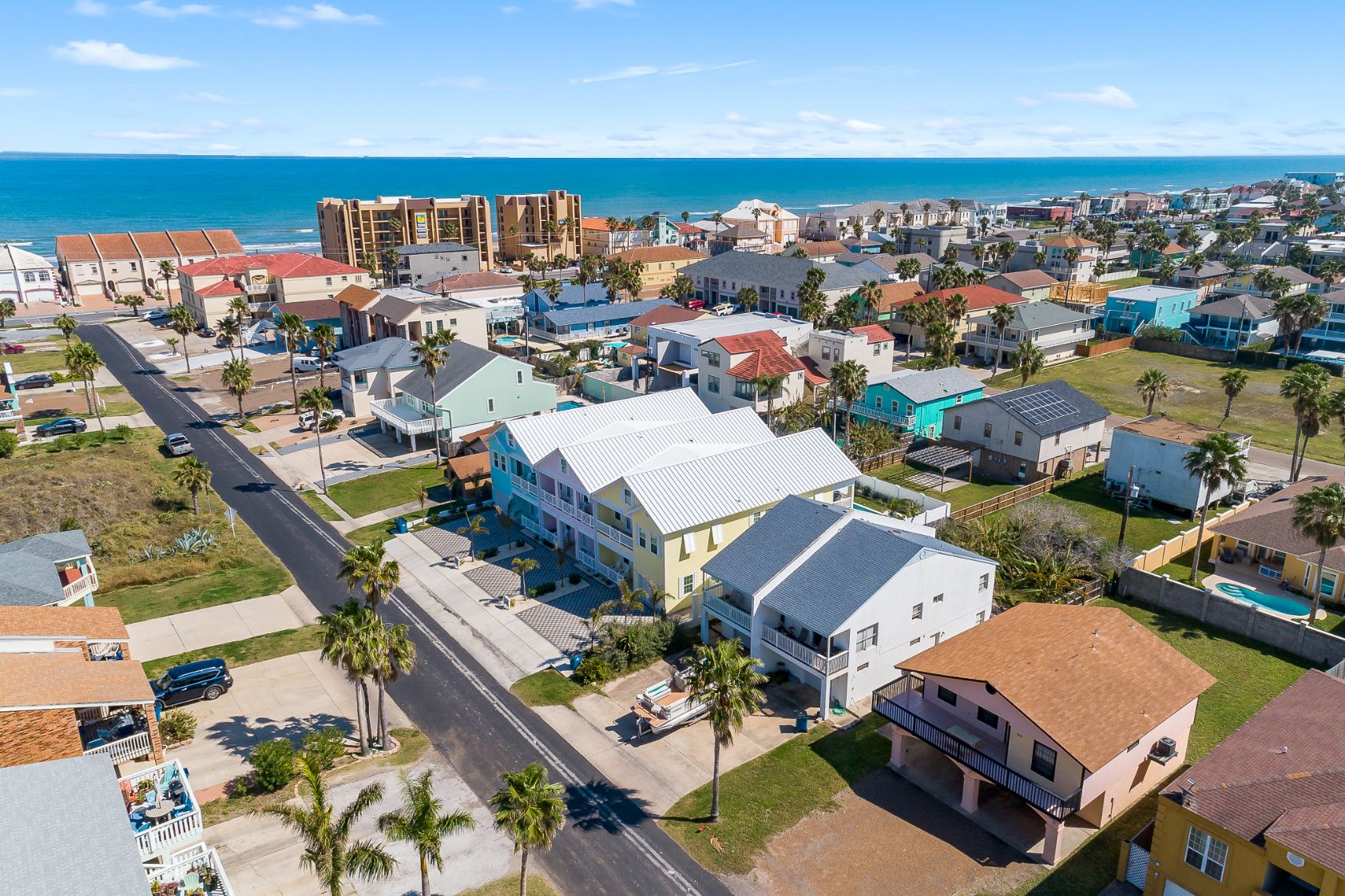
Windstorm and hail coverage on the island typically runs through the Texas Windstorm Insurance Association rather than a standard homeowners policy, since most private insurers won’t write wind coverage this close to the coast. To qualify, the unit needs a WPI-8 building-code certification, proof of denial from at least one private insurer, and flood insurance if it sits in a V, VE, or V1-30 flood zone (TWIA). The average residential TWIA premium sat near $2,480 a year as of mid-2025 (Insurify).
Is TWIA the only windstorm insurance option on the island? No. Some private carriers still write coastal wind coverage on a case-by-case basis. TWIA exists as the insurer of last resort for properties that can’t get coverage privately, which in practice covers most older SPI condo towers.
TWIA covers wind and hail only. Flood damage runs through a separate NFIP or private flood policy, and neither one covers storm surge under a standard homeowners form.
Renting It Out: SPI’s Permit, Tax, and Per-Building Rules
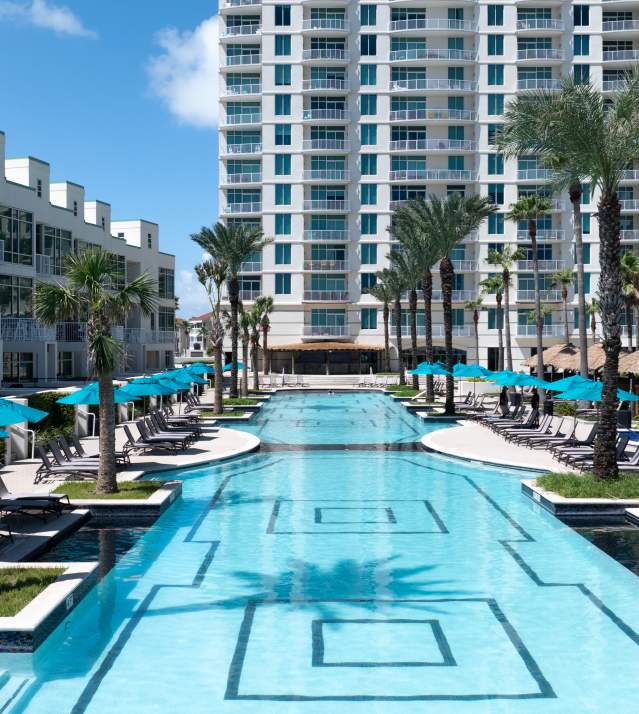
Any SPI unit rented for fewer than 30 consecutive days needs a city short-term rental registration, currently priced near $125 a year, with the permit number posted in every listing (Avalara). Combined Hotel Occupancy Tax runs to 17% of gross rental revenue: 8.5% city tax plus a 2% venue tax, 0.5% Cameron County tax, and 6% state tax, filed separately with three different agencies (City of South Padre Island). A license can be revoked after three citations within 12 months, and city ordinance explicitly notes its rules don’t override a stricter HOA restriction on rentals.
Can every South Padre Island condo be rented short-term? City ordinance permits it island-wide, but individual HOAs can restrict or prohibit short-term rentals in their governing documents regardless of what the city allows. Get the building’s current rental policy in writing before making an offer if rental income is part of the plan.
What the HOA Must Disclose Before You Close
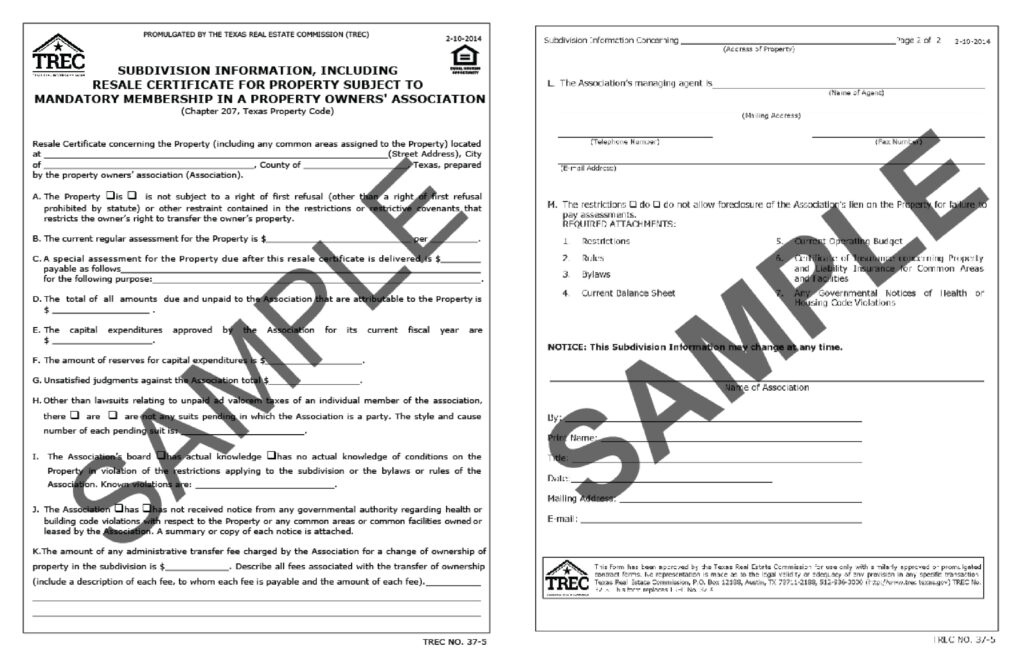
Texas law requires a selling unit owner to furnish a resale certificate under Property Code §82.157, covering current assessments, any past-due amounts, the operating budget, reserve balance, and pending litigation. The association has 10 business days to produce it once requested, may charge no more than $375 for it under a 2025 fee cap, and the certificate must be dated within three months of delivery (Texas Legislature, SB 711; Texas Property Code §82.157). Separately, §82.156 gives condo buyers a five-day right to cancel the contract after receiving the certificate, a protection HOA buyers under Chapter 207 don’t get.
Do I need a resale certificate before I close? Yes, by statute, unless the association fails to provide one and both parties agree in writing to waive it. Read it inside the five-day cancellation window: it’s the only point in the transaction where the HOA’s finances and any pending litigation are disclosed under oath.
Creative Financing and Ownership Structures
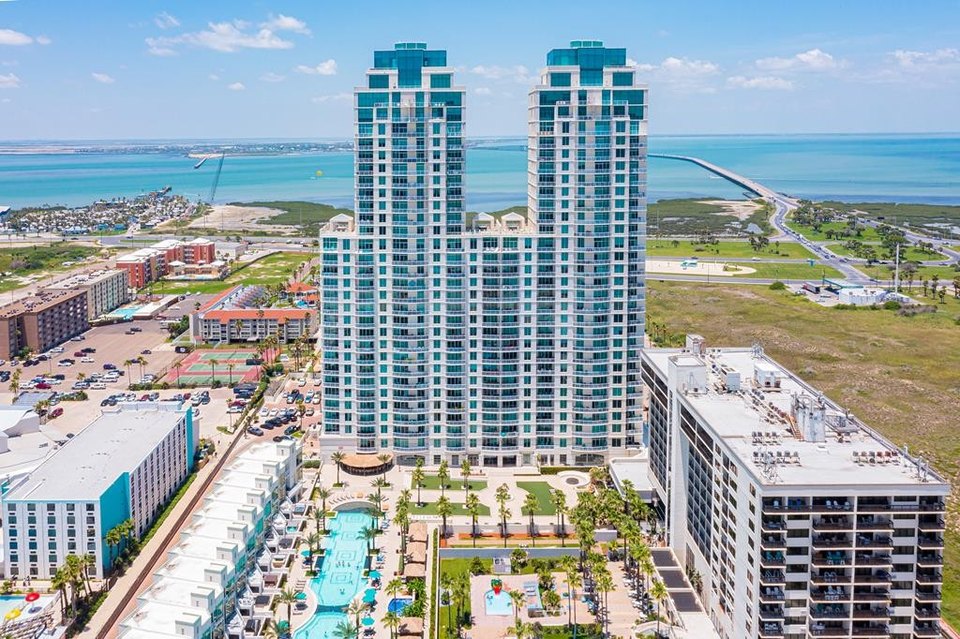
When a building is non-warrantable, or a buyer wants to spread the cost across partners, three structures come up repeatedly: seller financing, where the seller carries the note directly; subject-to purchases, where the buyer takes over payments on the seller’s existing mortgage without formally assuming it; and multi-owner LLC partnerships, where several buyers split the down payment and personal-use weeks. These are general real estate financing mechanisms, not SPI-specific figures, and each carries legal and tax complexity that calls for a real estate attorney to draft the agreement before money changes hands.
Common Mistakes Buyers Make on SPI
- Assuming any building allows short-term rental. City permitting says nothing about what the HOA allows.
- Not asking for the reserve study’s actual date. A stated reserve percentage without a recent study behind it can be an estimate, not an audited figure.
- Budgeting one insurance line instead of two. TWIA plus a separate flood policy is the norm here, not the exception.
- Missing the five-day resale certificate cancellation window. Once it passes, the right to walk away over something the certificate reveals is gone.
- Assuming conventional financing is automatic. Confirm the building’s current warrantable status with the lender before writing an offer, not after.
Comments