
What “real estate agent,” “REALTOR®,” and “broker” mean in Utah
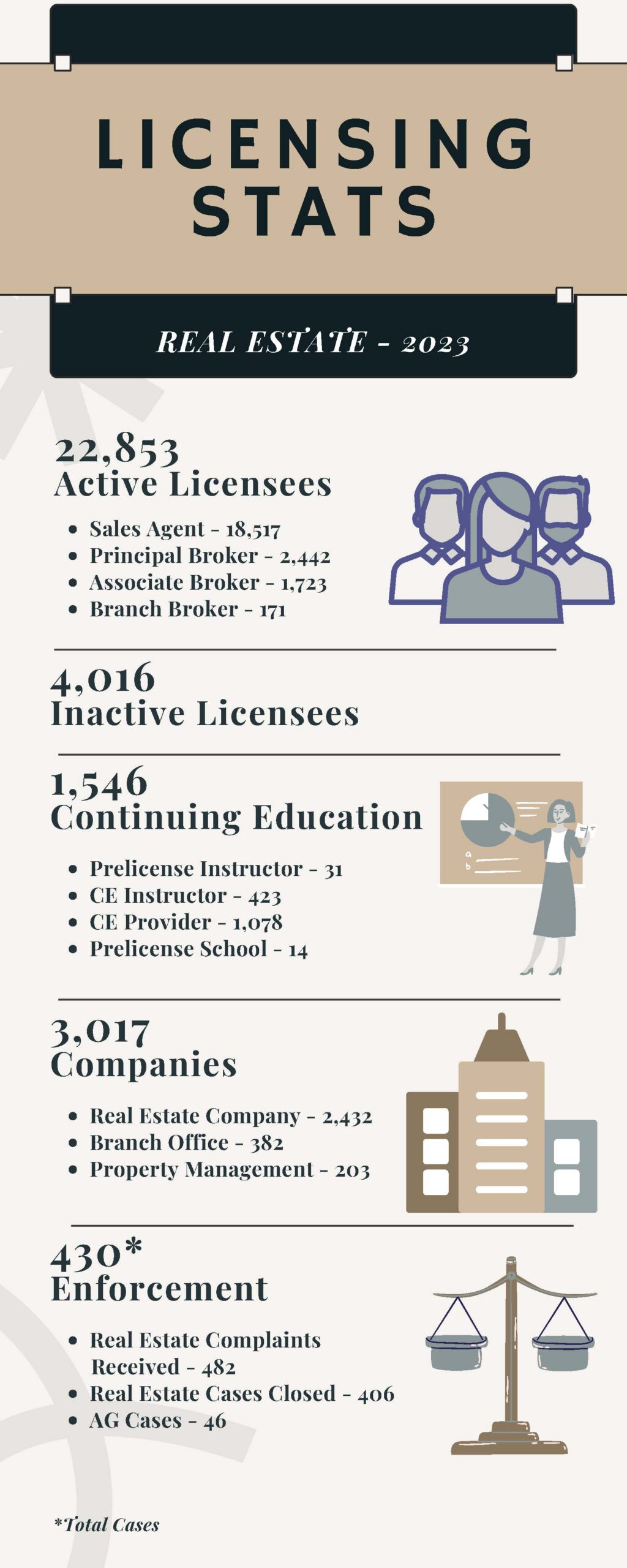
The three words get used interchangeably by every Utah agent-matching site, and that’s a problem, because they describe three different things. A real estate agent in Utah holds a Sales Agent license: 120 hours of state-approved pre-license education plus a passing exam score, with no prior experience required. That agent must work under a supervising broker; they cannot operate independently. A broker has cleared a second tier: 120 additional hours covering Utah law and broker practice, plus either three years of active licensed experience or documented equivalent experience totaling 60 experience points. REALTOR® is neither license level. It’s a trademarked membership designation; only agents who belong to the National Association of REALTORS® may use the term, and membership brings a code-of-ethics obligation on top of state licensing.
| Term | What it legally means in Utah | What to verify |
|---|---|---|
| Sales Agent | Entry-level license, 120 hrs pre-license education, must work under a broker | Which broker they’re affiliated with, and whether that affiliation is current |
| Associate Broker | Broker-level license, working under another principal broker rather than running their own office | Whether they’re supervising your transaction directly or handing it to a team member |
| Principal Broker | Supervises an office; legally responsible for the agents affiliated with it | Who the principal broker is if your day-to-day contact is a sales agent |
| REALTOR® | Membership designation, not a license tier; requires NAR’s code of ethics | That “REALTOR®” isn’t being used as a synonym for “licensed,” since not every licensee is one |
The distinction matters most when something goes wrong: complaints about a sales agent’s conduct go through the agent’s supervising broker and the state, while an ethics complaint against a REALTOR® can also go to the local REALTOR association, a second avenue a non-member licensee doesn’t offer you.
How to verify a license before you call anyone
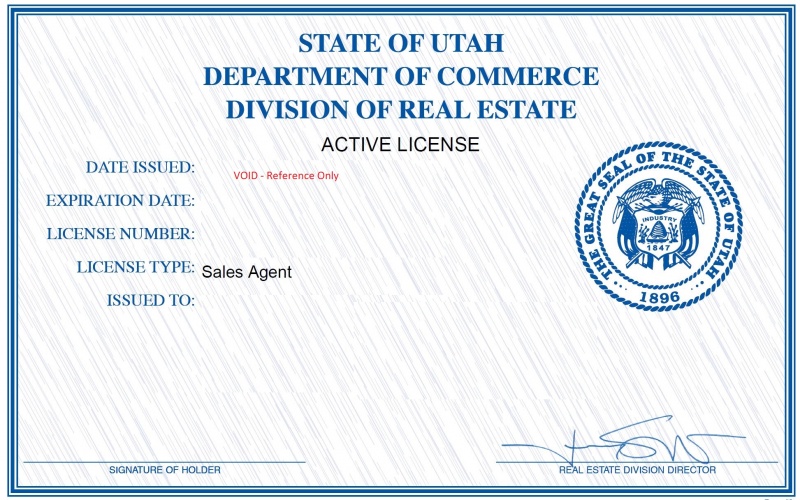
This step costs nothing and takes under a minute, and none of the four biggest Utah agent-matching sites tell you it exists. The Utah Division of Real Estate runs a free public license lookup where you can search by name and see license status (active, inactive, expired, or suspended), the license type, and the supervising broker on file. An inactive or expired result is a hard stop: it means the person can’t legally negotiate your purchase or sale right now, regardless of what their marketing says. If a dispute later involves financial loss caused by a licensee’s fraud or a similar violation, Utah maintains a Real Estate Education, Research, and Recovery Fund that consumers can file a claim against; that’s a real backstop, though it comes after the fact and shouldn’t substitute for checking status up front.
How do I check if an agent’s license is active?Search the agent’s name in Utah’s public license lookup. A result showing “Active” plus a current supervising broker means they’re authorized to practice; “Inactive,” “Expired,” or “Suspended” means stop and ask why before proceeding.
How agency and dual agency work in Utah
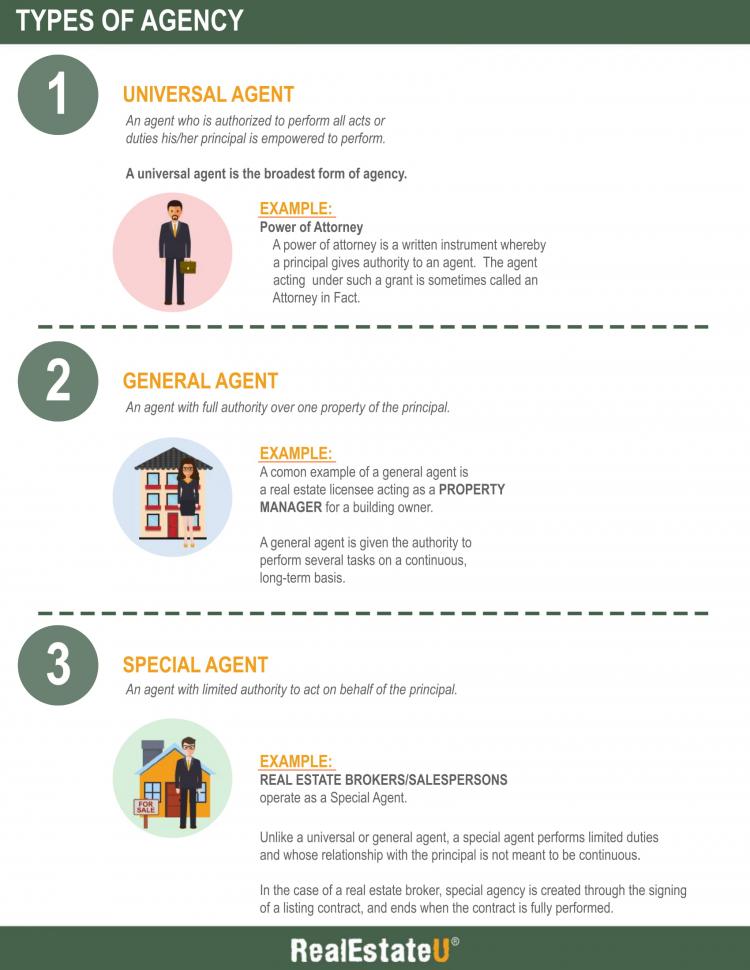
Utah law is direct about this: a licensee who acts for more than one party in the same transaction, buyer and seller both, must have the informed written consent of every party involved. That’s a statutory requirement, not a courtesy. In practice, “dual agency” happens when one agent represents both sides, and “designated agency” happens when a brokerage assigns two different agents, one per side, from within the same firm. Neither is illegal in Utah, and neither automatically means worse representation, but both mean your agent’s duty of full advocacy is legally divided the moment the second party signs on. Ask directly, before you sign anything, whether the brokerage you’re considering represents sellers of homes you might tour. If yes, ask how they handle a scenario where you want to bid on one of their own in-house listings.
Dual and designated agency specifically
The consent has to be informed, meaning you understand what it changes before you agree to it: a dual or designated agent generally cannot advise you on price strategy the way a single-side agent would, since that advice would work against the other client they also represent.
Can one agent represent both the buyer and seller in Utah?Yes, with informed written consent from both parties, which Utah law requires before the agent can act for more than one side of the same deal. Ask about it before you sign, not after an offer is already on the table.
What changed in how buyer’s agents get hired
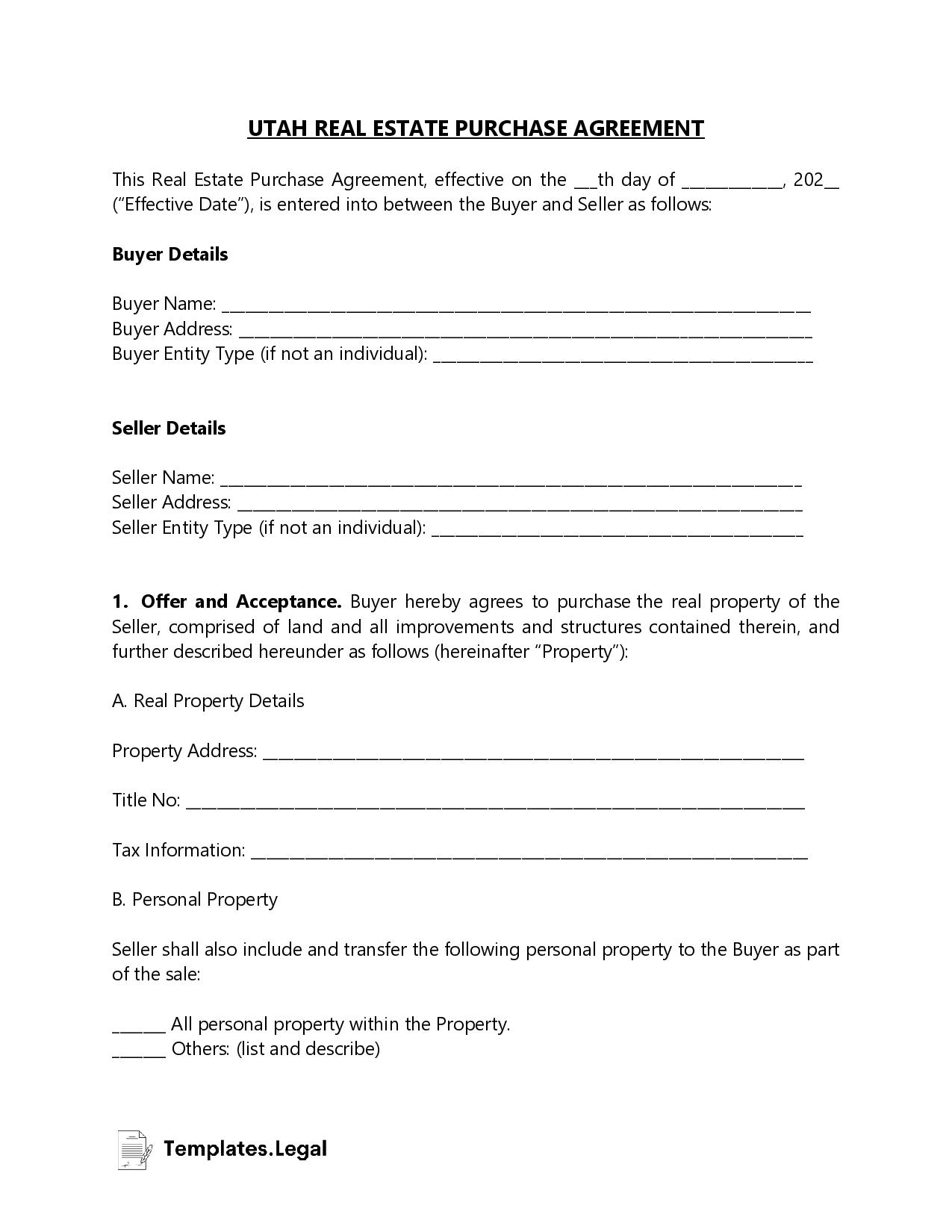
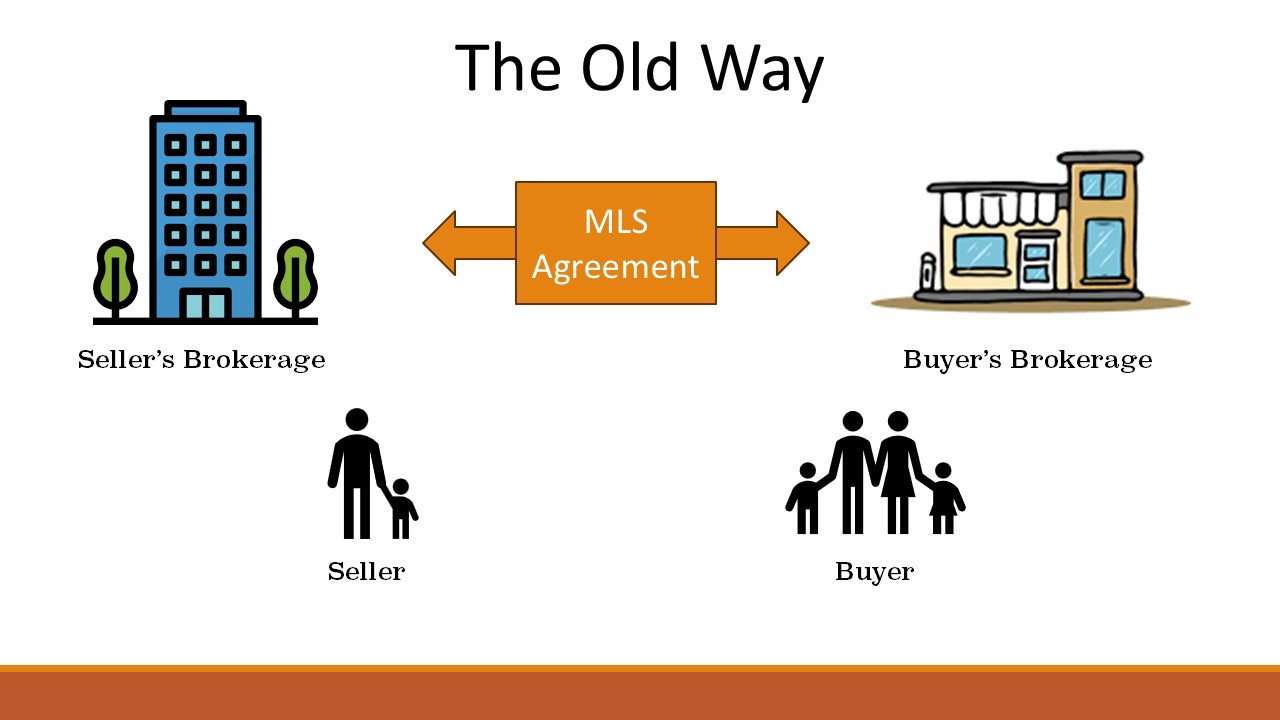
Since August 17, 2024, agents who use the MLS are required to have a signed written agreement with a buyer before touring a home with them, in person or by video walkthrough. That agreement has to state a specific dollar amount or percentage the agent will be paid, or the exact method for calculating it; an open-ended range isn’t allowed. This is a national rule change from a settlement the National Association of REALTORS® reached over broker-commission practices, and Utah agents working through the MLS follow it the same as agents anywhere else. It means you should expect to be handed a document at your very first showing request, not at closing, and you should read the compensation line before you sign, since it’s the number you’re contractually bound to once you tour.
Do I have to sign an agreement before touring homes with an agent now?Yes, if the agent participates in the MLS. The agreement must state a specific fee or rate in writing before the first tour; it can’t be a vague range, and every term is negotiable.
What commission costs now, and what’s negotiable
Two things changed for how that fee gets paid, not for whether it exists. Buyer-agent compensation can no longer be advertised inside the MLS; it has to be negotiated directly between buyer and agent, or between the listing broker and buyer’s broker off the MLS. Sellers are no longer required to offer buyer-agent compensation at all, though most still do to attract a wider buyer pool. For a buyer, the fee your agent earns is written into your buyer-broker agreement regardless of what the seller ultimately offers, and if the seller’s offer falls short of that number, you may owe the difference.
| Commission component | Typical current range | Who typically pays it |
|---|---|---|
| Listing-side fee | 2.5% to 3% | Seller, negotiated in the listing agreement |
| Buyer-side fee | 2.5% to 3% | Negotiated in the buyer-broker agreement; often covered by a seller concession, not guaranteed |
| Discount/flat-fee listing | 1% to 2% or a flat dollar amount | Seller, in exchange for reduced service scope |
| Buyer-paid out of pocket | Full negotiated buyer-side rate | Buyer directly, if the seller declines to offer a concession |
Is 6% commission still standard in Utah?No single rate is standard anywhere, including Utah. National survey data puts the combined total near 5.70%, and every component of it is negotiable in writing before you tour or list.
How to interview and score an agent

Most guides hand you a list of questions with no way to judge the answers. A question is only useful if you know what a strong answer sounds like and what a weak one gives away. In Salt Lake County, June 2026 MLS data put the single-family median at $685,000, up 7% year-over-year, with inventory down to 1.5 months’ supply, tight enough that a buyer’s agent’s local pricing instinct is worth testing directly in the interview rather than taking on faith.
| Question | Strong-answer signal | Red-flag signal |
|---|---|---|
| “How many transactions have you closed in this specific area in the last 12 months?” | A specific number, with addresses or a neighborhood pattern they can name | A vague “a lot” or a pivot to years licensed instead of recent volume |
| “Will you personally handle my transaction, or hand it to a team member?” | A direct answer naming who does what | Deflection, or discovering later a junior team member is the real contact |
| “Do you or your brokerage represent sellers of homes I might want to tour?” | A clear yes or no, with an explanation of how dual/designated agency would be handled | Hesitation, or “it won’t be an issue” without explaining why |
| “What’s your strategy if my offer isn’t the highest one?” | A concrete lever: financing terms, timeline flexibility, escalation clause structure | A shrug, or “we’ll just offer more,” with no other tool named |
| “What will you do differently in a market with 1.5 months of supply than in a slower one?” | A specific adjustment: pre-inspection strategy, faster response windows, tighter comps | A generic answer that doesn’t distinguish current conditions from any other market |
Buyer-side questions
Add one buyer-specific question: how they’ll structure your buyer-broker agreement if you’re not ready to commit exclusively yet. A short-term or non-exclusive version exists, and a good agent will offer it without you having to ask first.
Seller-side questions
Add one seller-specific question: what their pricing strategy is if the home doesn’t get an offer in the first two weeks, given the county’s rising days-on-market trend. An agent with no answer beyond “we’ll see” hasn’t planned for the market you’re actually in.
Signs you’re about to hire the wrong agent

- They can’t explain dual agency without prompting. If a licensee doesn’t bring up who else they represent until you ask directly, that’s a disclosure problem, not a coincidence.
- The buyer-broker agreement has a blank or a range where the fee should be. Utah agents working the MLS are required to state a specific number; a range is a rule violation, not a flexible option.
- They discourage you from checking their license. A licensed agent in good standing has nothing to lose from a 30-second lookup.
- Every answer to a market-conditions question is the same regardless of the question. Canned answers usually mean canned service once you’re under contract.
A bad hire here doesn’t just cost you a bad experience. It can mean a missed inspection contingency, a listing priced against stale comps while the county’s median climbs toward $685,000, or a disclosure gap that surfaces as liability after closing.
Timing: when to start the search

Start interviewing three to six months before you expect to list or begin touring, which gives you time to check licenses, compare answers to the scored questions above, and walk away from a poor fit without time pressure forcing a rushed decision.
Differences by who you are
| Reader type | What changes in your hiring criteria |
|---|---|
| First-time buyer | Prioritize an agent who explains the buyer-broker agreement line by line before you sign; you’re the most exposed to an unclear fee structure |
| Repeat seller | Prioritize recent transaction count in your specific price band over general years-licensed; pricing accuracy matters more than tenure |
| Investor | Prioritize an agent who can discuss cap rate and rent comps, not just sale comps, and who discloses upfront if they also list properties you might bid against |
| Agent-side reader (new licensee) | Use the terminology table above to plan your own path from Sales Agent to broker, and treat the interview table as a model for how a well-prepared client will now question you |
Comments