
Where Queens Village Is
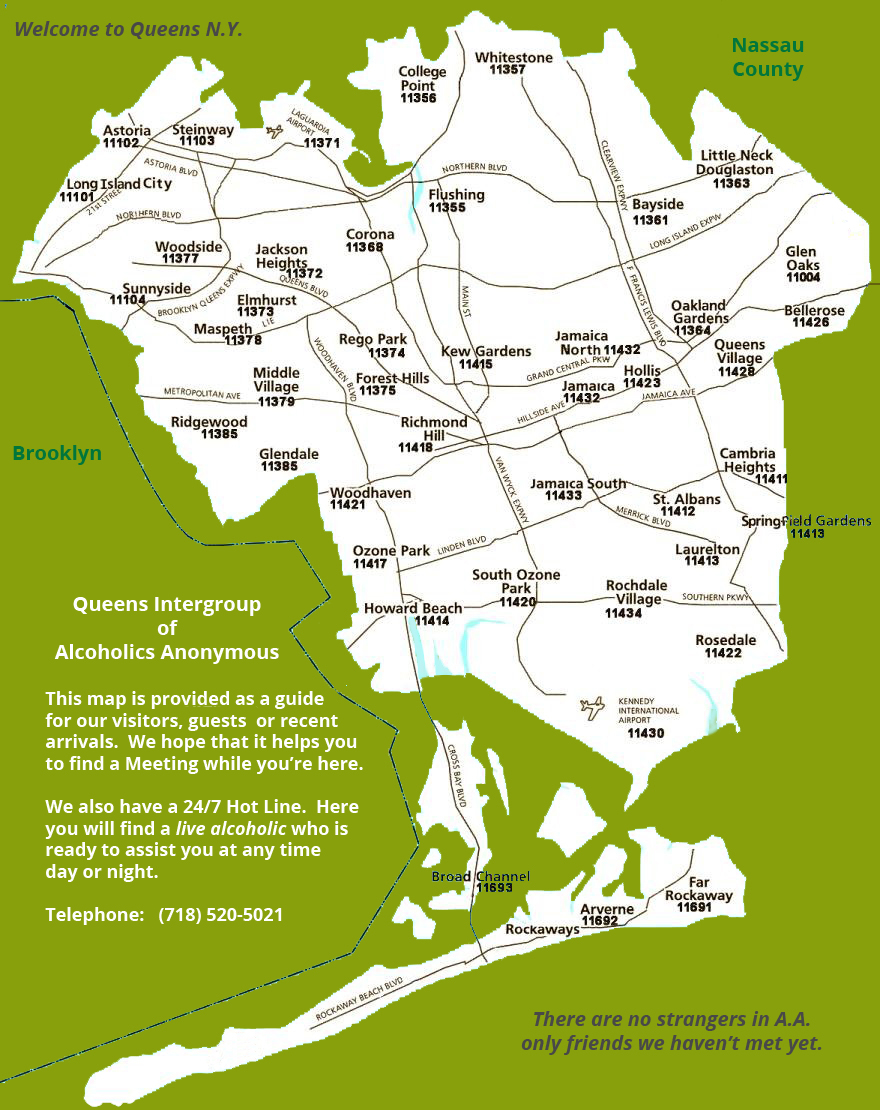
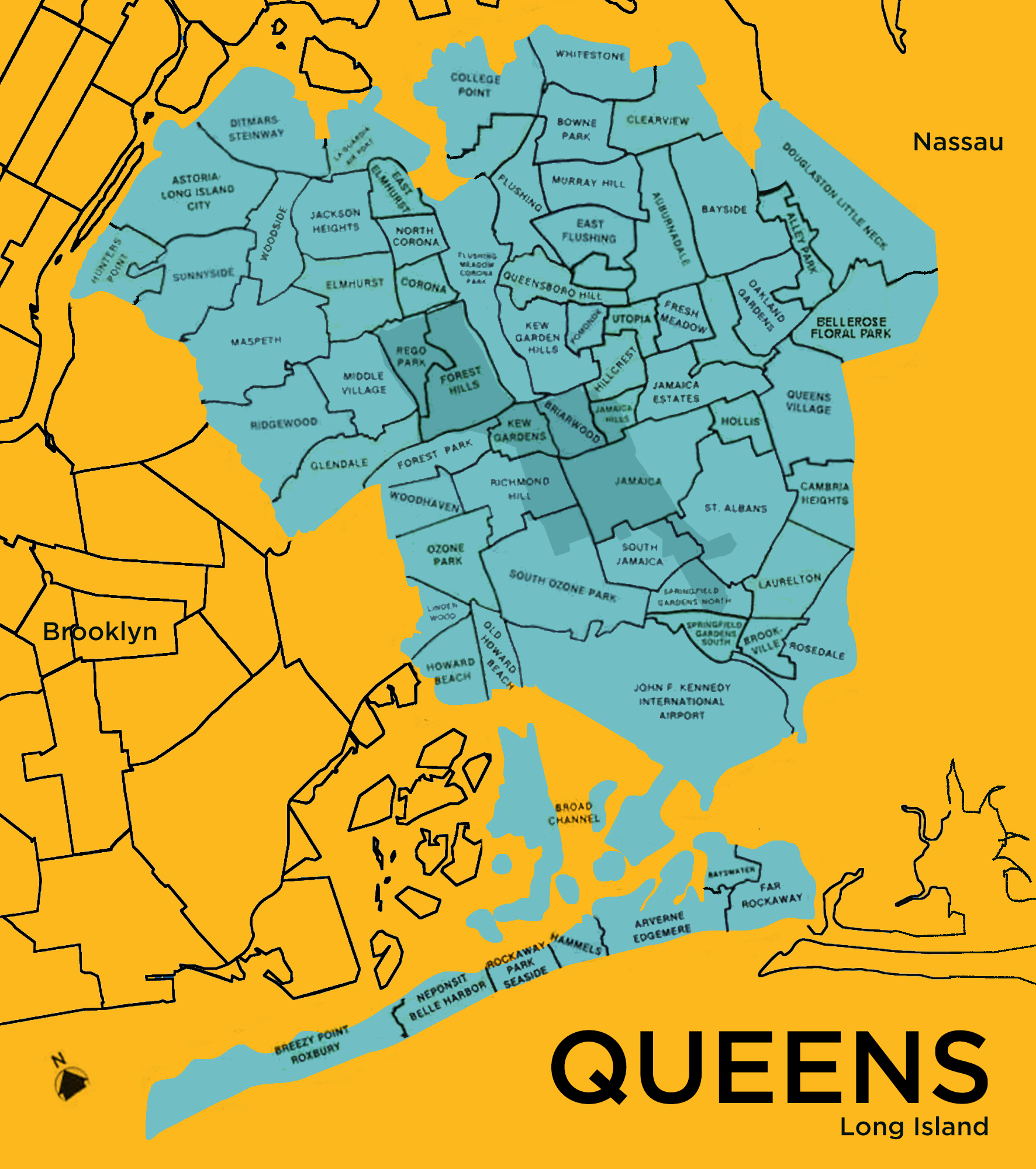
Queens Village sits in eastern Queens, bordered by Hollis to the west, Cambria Heights to the south, Bellerose and Elmont in Nassau County to the east, and Oakland Gardens to the north, across ZIP codes 11427, 11428, and 11429. Belmont Park and the new UBS Arena, both in Elmont, sit in Nassau County’s Town of Hempstead, not within Queens Village or New York City, even though most write-ups list them as neighborhood attractions.
Is Queens Village part of Nassau County?No. It’s a New York City neighborhood inside Queens County. The Nassau line runs along its eastern edge, close enough that Belmont Park and UBS Arena feel local even though both sit across it.
Three Sub-Areas, Three Price Tiers
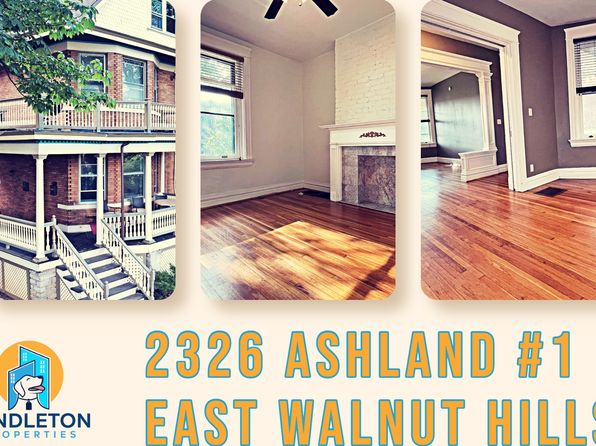
Central Queens Village, Bellaire, and Hollis Hills carry the same neighborhood name and three different housing markets.
| Sub-area | Approximate boundary | Dominant housing | Price band | Character note |
|---|---|---|---|---|
| Central Queens Village | Around Hillside Ave, Springfield Blvd, and the LIRR tracks | Attached/semi-detached Colonial and Cape Cod, 1920s–30s | $600,000 to $850,000 single-family (Redfin new-listing median $837K; Homes.com 12-mo. average $597,719) | Densest of the three; retail strip on Jamaica Ave |
| Bellaire | Western Queens Village, near the Cross Island Pkwy | Detached single- and two-family | Median sale $760,000 (Redfin) | Slightly larger lots than central Queens Village |
| Hollis Hills | Springfield Blvd east to Grand Central Pkwy | Larger detached Tudor/Colonial, some postwar | Median house sale $1.1M, flat YoY; co-op median $322K (PropertyShark) | Highest tier; closest to Cunningham and Alley Pond Parks |
A buyer comparing listings across the neighborhood without separating these three is comparing three markets as one: Hollis Hills runs roughly 45 to 85 percent above the central Queens Village and Bellaire figures for a comparable single-family lot.
What’s the difference between Queens Village and Hollis Hills?Hollis Hills is one of Queens Village’s three sub-areas, in the north toward Cunningham Park, with a median single-family sale near $1.1 million, well above the $600,000-to-$850,000 range typical of central Queens Village and Bellaire.
Housing and Real Estate Prices
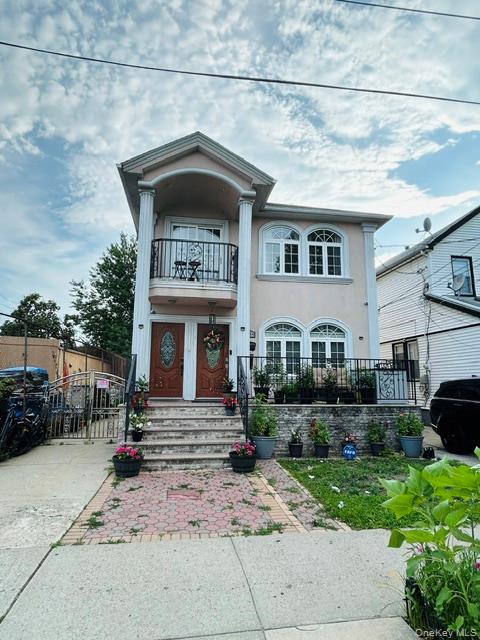
Home values across the neighborhood as a whole average $689,247, up 1.7% over the past year, per Zillow, while newly listed homes carry a median asking price of $837,000 and typically find a buyer within about 42 days, per Redfin. One recent Bellaire sale shows the lower end of that spread: a three-bedroom, one-bath house at 99-34 Bellaire Place sold for $409,000 in April 2025, older and smaller stock than the renovated colonials pulling the sub-area’s $760,000 median up (Redfin, OneKey MLS).
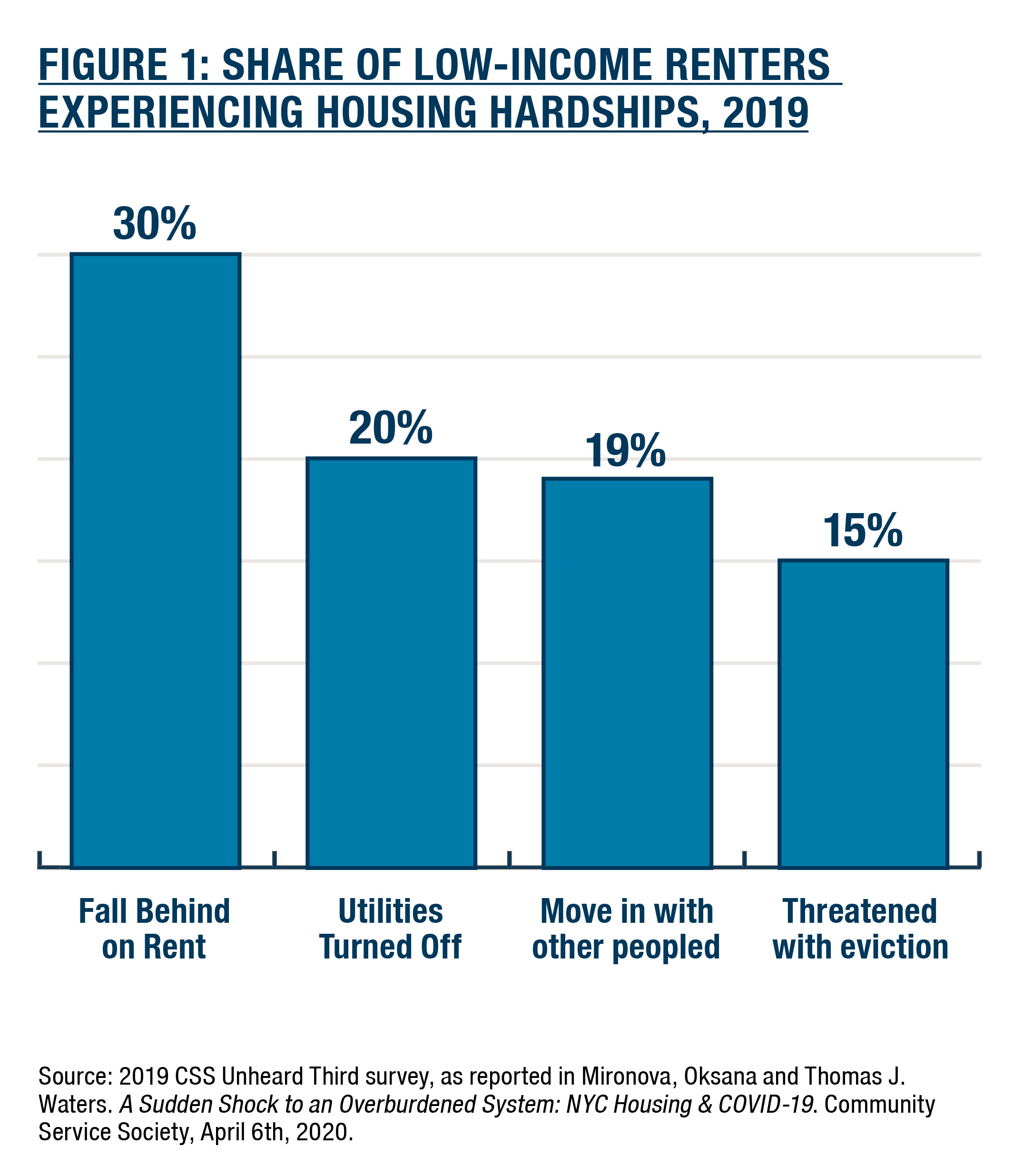
NYU Furman Center’s citywide comparison places Queens Village 10th of 59 neighborhoods by median household income, at $103,230, and 18th by rent level, with a homeownership rate of 72.4%, little changed from 72.3% in 2000. Severe rent burden among renter households climbed from 18.9% in 2010 to 27.1% as of the 2017–2021 American Community Survey.
Zoned Schools for Queens Village Addresses
Three schools carry the zoning for most Queens Village addresses: P.S. 33 Edward M. Funk for elementary grades, Jean Nuzzi Intermediate School for middle grades, and Martin Van Buren High School. Searches for “top schools serving Queens Village” often surface citywide specialized high schools like Stuyvesant or Bronx Science; those require a separate, competitive citywide exam and aren’t tied to any Queens Village address.
| School | Grade band | Type | Rating source |
|---|---|---|---|
| P.S. 33 Edward M. Funk | K–5 | Zoned public | GreatSchools 4/10; Niche B- |
| Jean Nuzzi Intermediate School (I.S. 109) | 6–8 | Zoned public | Open research item, no rating captured this pass |
| Martin Van Buren High School | 9–12 | Zoned public | Open research item, no rating captured this pass |
P.S. 33 enrolls about 792 students, and state testing shows 40% math and 37% reading proficiency.
Getting to Manhattan: LIRR, Bus, and Driving
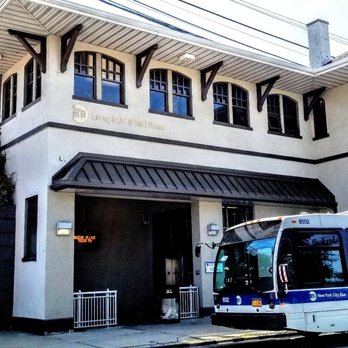
A one-way LIRR ticket from Queens Village to Penn Station costs $7.25 peak and $5.25 off-peak, with a $130.50 monthly pass, under the fare schedule effective January 4, 2026.
| Mode | Approx. time to Midtown | Approx. one-way cost | Frequency/notes |
|---|---|---|---|
| LIRR (Queens Village station) | 35 to 45 min to Penn Station | $7.25 peak / $5.25 off-peak | Hourly to half-hourly off-peak, denser at rush hour (MTA timetable) |
| Bus + subway (Q2/Q3/Q36 to E or F) | About 60 min to Midtown | $3.00, one free transfer (MTA) | Buses run every 10 to 20 min weekdays |
| Driving (Cross Island/Grand Central Pkwy) | 35 to 55 min, traffic-dependent | Tolls plus parking | Worse at rush hour |
Does Queens Village have subway access?No line runs directly into the neighborhood. Residents reach the subway by bus, typically the Q2, Q3, or Q36 to the E or F train, or take the LIRR directly into Penn Station or Grand Central Madison.
Safety and Crime
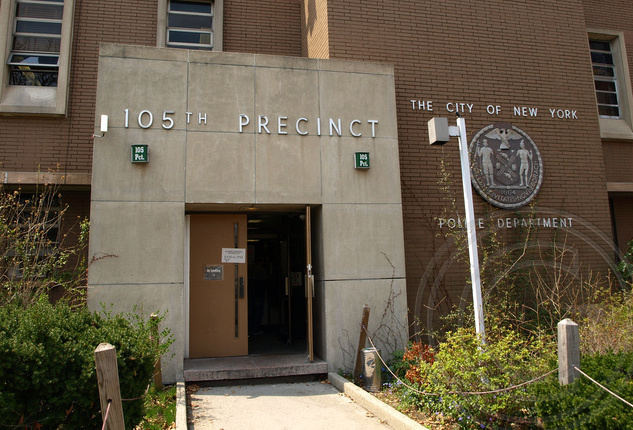
Major crime in the 105th Precinct, covering Queens Village, Cambria Heights, Bellerose, Glen Oaks, Floral Park, and Bellaire, totaled 283 complaints year to date through the week ending April 26, 2026, down 16.5% from 339 over the same period in 2025, per NYPD CompStat.
| Category | 2026 YTD | 2025 YTD | % change | Change since 1990 |
|---|---|---|---|---|
| Murder | 0 | 1 | −100% | −86.7% |
| Robbery | 13 | 28 | −53.6% | −92.5% |
| Felony assault | 65 | 69 | −5.8% | −49.0% |
| Burglary | 23 | 52 | −55.8% | −94.7% |
| Grand larceny | 126 | 128 | −1.6% | −39.8% |
Burglary and robbery, the crimes tied most directly to relocation anxiety, are down more than half year over year.
Who Queens Village Fits – and Who It Doesn’t
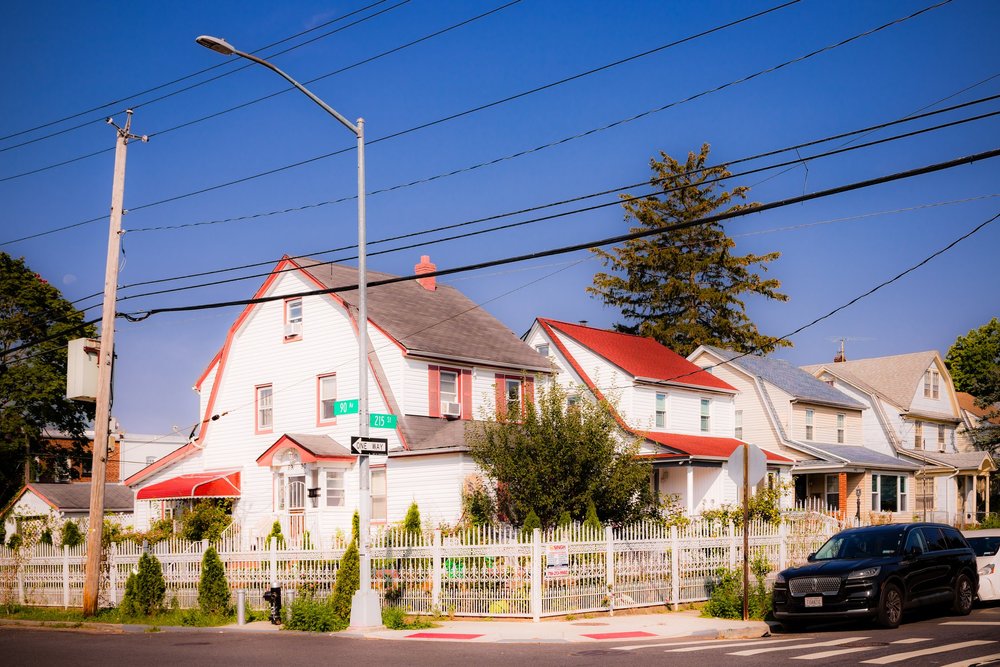
- Fits buyers priced out of closer-in Queens neighborhoods who want a detached house with a driveway and are comfortable with a car or a longer transit combination.
- Fits families anchored to the zoned schools above, since P.S. 33, Jean Nuzzi, and Martin Van Buren accept by address, not by exam.
- Doesn’t fit subway-dependent commuters with no tolerance for a bus transfer or an LIRR fare.
- Doesn’t fit buyers wanting dense, walkable nightlife or elevator apartments; the stock is overwhelmingly one- and two-family houses.
- Doesn’t fit anyone pricing the whole neighborhood off the Hollis Hills table above; central Queens Village and Bellaire run well below it.
Is Queens Village a good place to raise a family?For families anchored to the zoned schools and comfortable owning a car, yes: detached housing, improving crime figures, and address-based school assignment. Families needing subway access or car-free daily life will find the commute a bigger obstacle than the schools.
Demographics and Community
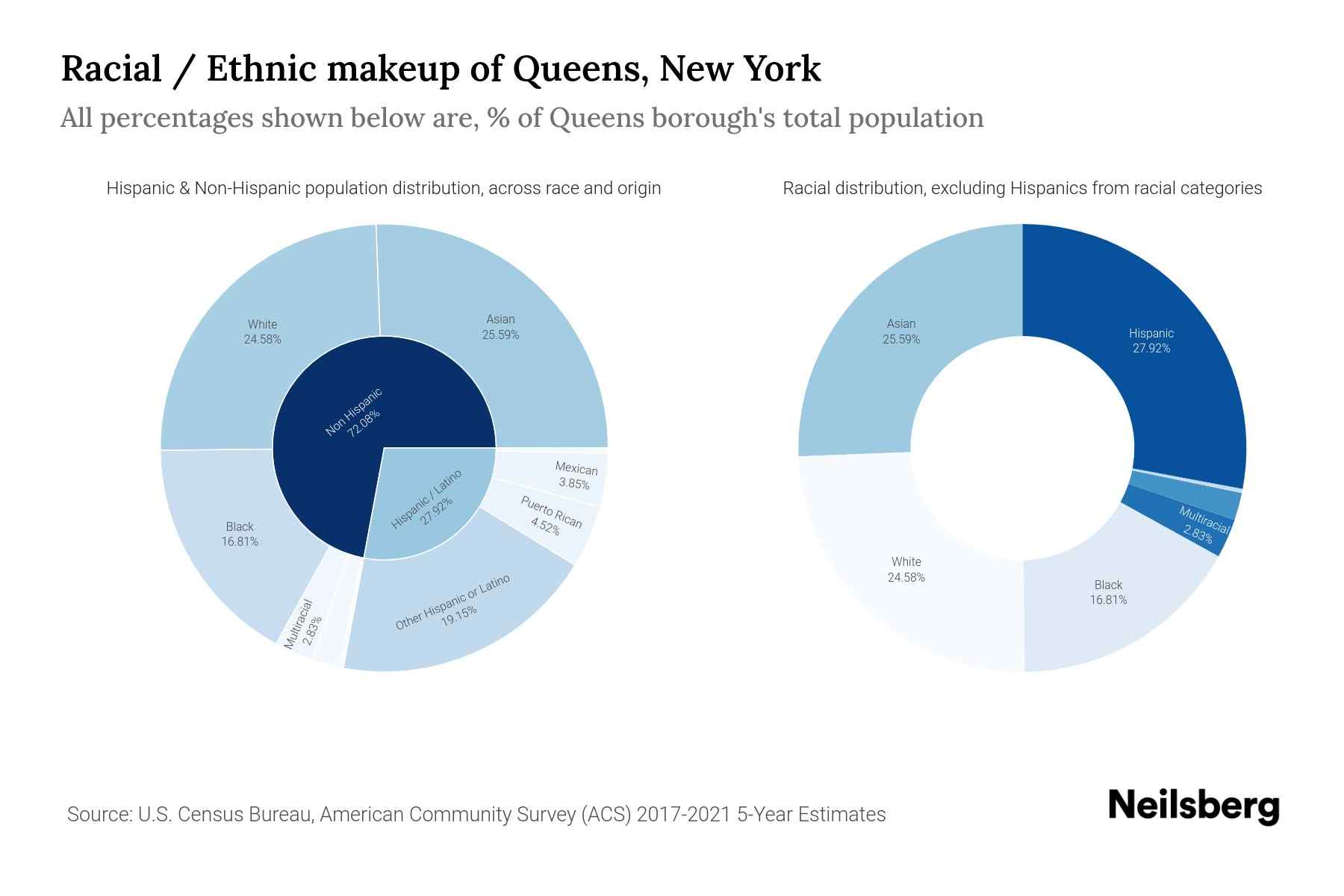
Neighborhood Tabulation Area QN1303, the NYC Department of City Planning’s boundary for Queens Village, held 54,345 residents at the 2020 Census, up 3.5% from 52,504 in 2010. Furman Center’s citywide comparison places the neighborhood 15th of 59 by nonwhite population share.
How many people live in Queens Village?54,345, per the 2020 Census count for QN1303, the city’s official boundary for the neighborhood. That’s up 3.5% from 52,504 in 2010.
A Short History

Most of Queens Village’s Colonial and Tudor housing stock dates to building booms in the 1920s and 1930s, when the area shifted from farmland into a Long Island Rail Road commuter suburb. Development slowed by mid-century, and the housing mix and street grid have changed little since.
Comments