
Pool type and what it costs over time
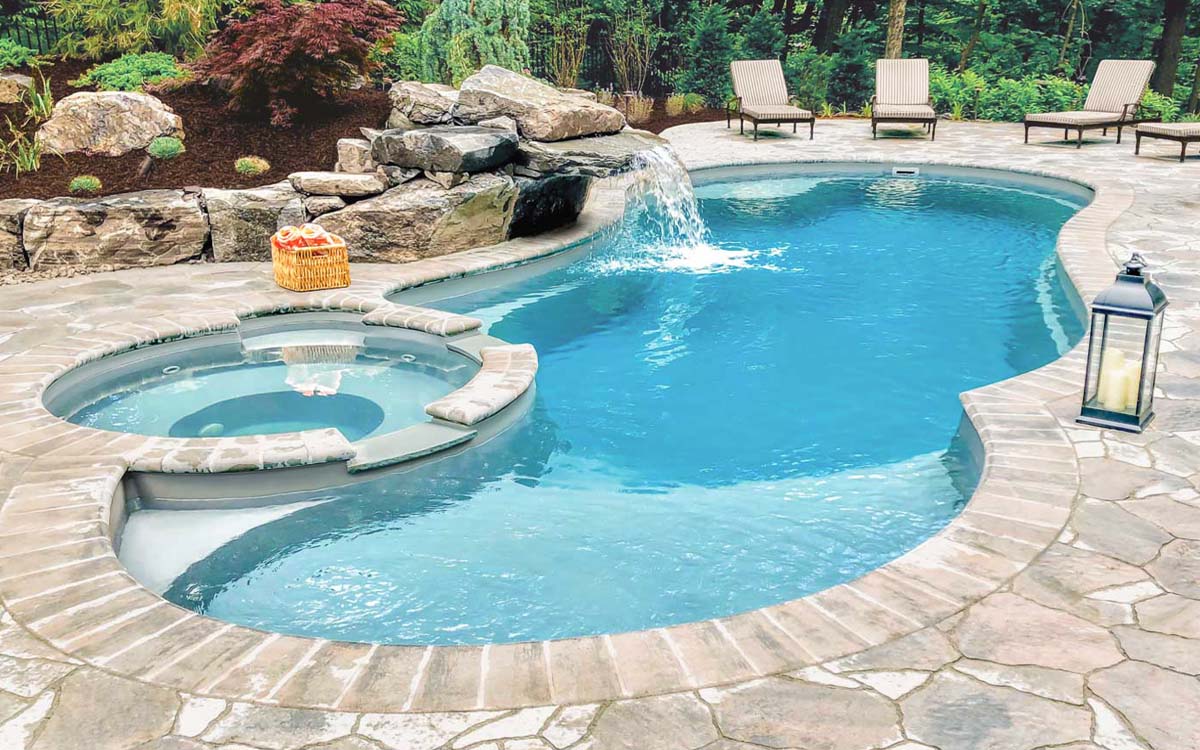
| Pool category | 2026 typical install cost | What drives the cost |
|---|---|---|
| Above-ground | $1,021 to $5,939 (avg. ~$3,350) | Steel vs. aluminum frame, liner quality, DIY vs. professional install |
| Semi-inground | $4,000 to $25,000 (avg. $12,000) | Liner material, excavation depth |
| In-ground fiberglass | $25,065 to $48,995 (avg. $33,270) | Shell size, shape, excavation access |
| In-ground, all materials | $44,499 to $87,349 (avg. $65,909); low end $14,000, high end $135,000+ | Material, size, heating, lighting, custom shape |
| Custom shapes (lagoon, infinity) | $38,000 to $150,000+ | Excavation complexity, edge and water features |
Material choice sits ahead of almost every other cost driver in Angi’s 2026 pricing data: fiberglass installs faster and needs less structural work than concrete at a comparable size, while a custom lagoon shape can run as much as three full-size fiberglass pools. None of this changes what maintenance costs once the pool exists.
Is this pool even legal? The check every guide skips
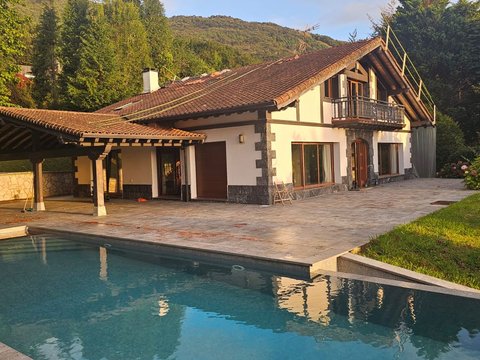
Every buyer’s guide on this topic recommends a pool inspection. Almost none of them mention checking whether the pool was ever permitted. An inspector checks whether the equipment works. A permit search tells you whether the local building department has a record of the structure at all.
An unpermitted pool creates three separate problems at closing: an appraiser may be unable to include it in the valuation without permit history to support the improvement, a title company may flag it during the title search, and some jurisdictions can require it be brought up to current code, drained, or removed regardless of how long it’s stood there. This risk sits entirely outside the standard home-inspection scope, and it’s the biggest gap between what buyer guides recommend and what actually derails pool transactions.
The fix is cheap relative to the risk: request the building permit history from the seller or the county before the inspection contingency expires, not after.
Does an in-ground pool need a permit, and what happens if it doesn’t have one?Most jurisdictions require a permit for in-ground pool construction, covering structural, electrical, and drain-cover work. An unpermitted pool can complicate financing, delay closing while the seller retroactively permits the work, or become the buyer’s responsibility to resolve after closing, depending on the purchase contract’s as-is language.
What a pool costs by region
| Region example | 2026 typical in-ground install cost | Context |
|---|---|---|
| Vermont | $52,000 to $79,000 | Colder climate, shorter pool season, similar labor and material costs to warmer states |
| Alabama | $34,000 to $55,000 | Warmer climate, longer usable season, lower regional labor costs |
| Dallas–Fort Worth, TX | 20% to 30% above national average | Local soil conditions require extra engineering; off-season (fall/winter) builds run 15% to 25% cheaper |
| National average | $65,909 | Baseline for comparison |
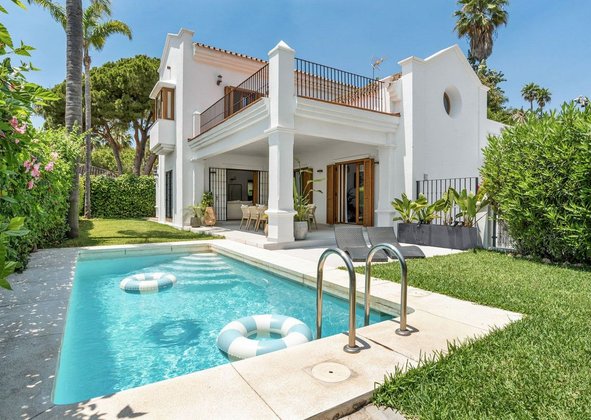
A buyer comparing a Vermont listing against an Alabama one isn’t pricing the same product. One offers a five- or six-month usable season and the other is swimmable most of the year, at a build cost that runs in the opposite direction of what that usage gap would suggest.
Will adding a pool raise my property tax bill immediately?In most states, a permanent in-ground pool is added to the property’s assessed value at the next reappraisal cycle, not instantly. Texas requires appraisal districts to reappraise at least once every three years and caps annual assessed-value increases at 10% for homesteaded properties, though that cap doesn’t apply the year a new improvement like a pool is first added to the roll.
Insurance in 2026: why “premiums go up” isn’t the full story
A pool adds roughly $50 to $100 a year to a standard homeowners premium on its own, and that figure hasn’t moved much in years. The current risk is availability, not price. Florida non-renewed 3.35% of homeowners policies in 2024, and California non-renewed 3.18%, both among the highest rates nationally, according to a Weiss Ratings analysis of NAIC Market Conduct Annual Statement filings. A pool doesn’t cause a non-renewal on its own, but it adds liability exposure and an “other structures” claim category right as carriers in these states narrow who they’ll write at all.
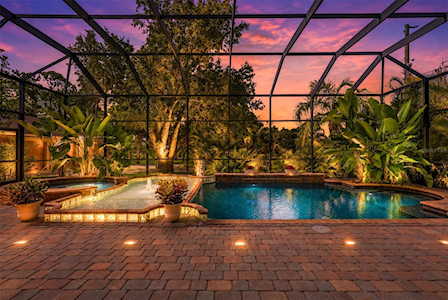
Is homeowners insurance getting harder to find for pool homes in Florida or California?Both states have among the highest homeowners non-renewal rates in the country (Florida 3.35%, California 3.18% in 2024). A pool’s liability exposure and detached-structure coverage needs are underwriting factors carriers weigh alongside wildfire, hurricane, and litigation risk, so shop multiple carriers and confirm the specific liability limit before waiving that contingency.
Financing and appraisal: does loan type change anything
| Loan type | In-ground pool treatment | Above-ground pool treatment | Common closing conditions |
|---|---|---|---|
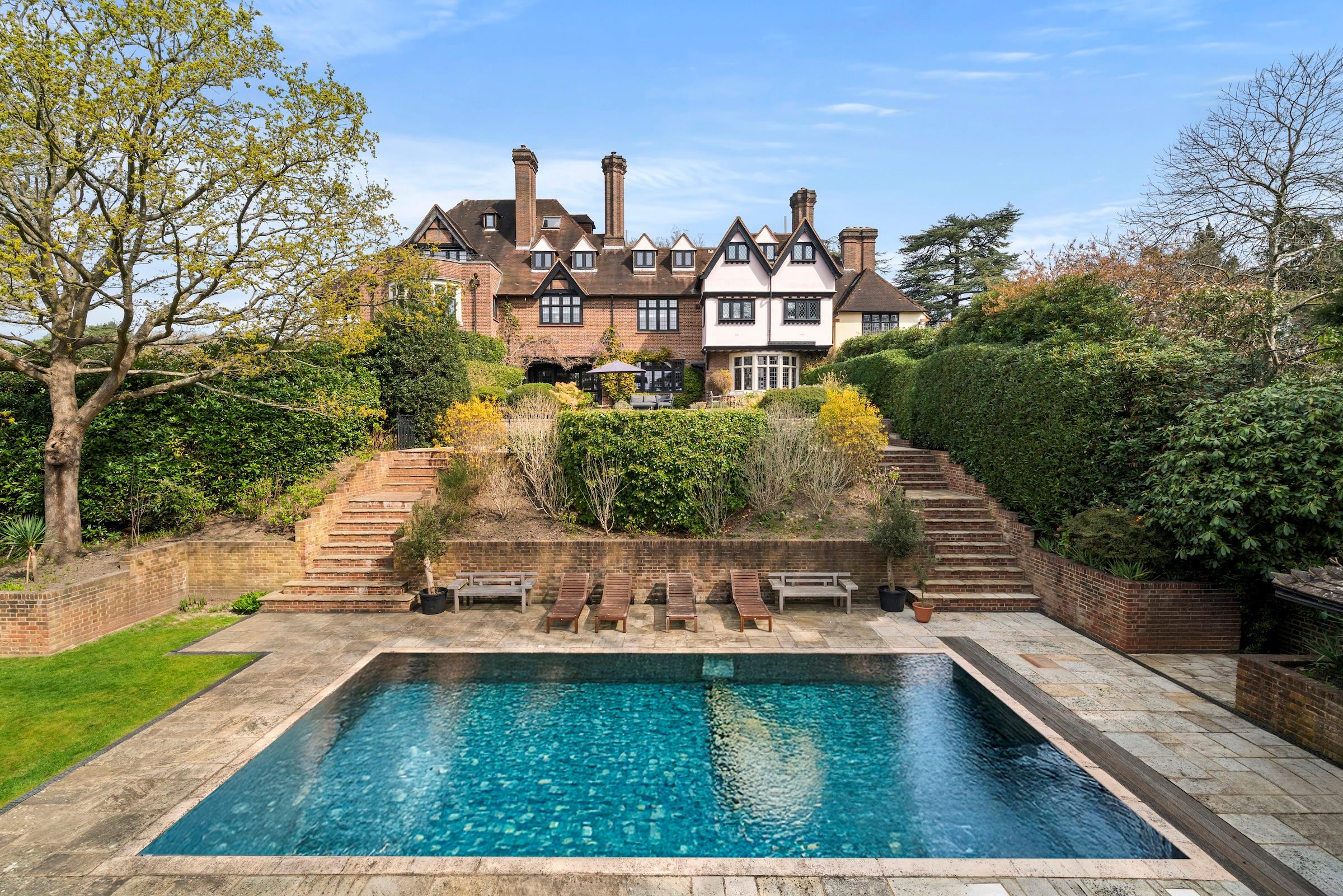
| FHA | Counted in value if operational; lender must confirm compliance with local ordinances (HUD 4000.1) | Personal property, excluded from appraised value, though safety features may still be flagged | An empty or winterized pool gets an “extraordinary assumption” of repair; structurally unstable pools must be repaired or filled before closing |
| VA | Treated as a site improvement; the appraiser checks safety, fencing, and structural soundness per VA Pamphlet 26-7 | Generally personal property unless above-ground pools are customary in that market | Damaged fencing is the most common condition; in Texas, Florida, and Arizona a pool can add $15,000 to $40,000 to appraised value through comparable sales, while cooler-climate markets are often neutral |
| Conventional | Value depends on finding comparable sales with pools in the immediate market; no pool comps means little or no value credited | Same personal-property treatment as FHA/VA generally | No federal minimum-property standard applies; appraiser discretion and local comps decide everything |
The FHA and VA rows share a mechanic that pool-buying guides consistently skip: an empty or winterized pool doesn’t automatically fail an appraisal. Both programs let the appraiser assume it can be restored to working order instead of requiring it be filled or drained on the spot.
Will an FHA or VA appraiser require pool repairs before I can close?Only if there’s a visible structural defect, unstable sides, or equipment that clearly doesn’t function. Algae or a winterized cover alone won’t trigger a repair condition under either program.
Safety requirements: federal floor, state reality
| Requirement | Federal/public-pool floor | Residential example | What to verify before closing |
|---|---|---|---|
| Anti-entrapment drain covers | The Virginia Graeme Baker Act requires ASME/ANSI A112.19.8-compliant covers on public and semi-public pools | Not separately mandated for private single-family pools by federal law | Whether the pool was ever used as a rental or HOA amenity, which could trigger the federal standard retroactively |
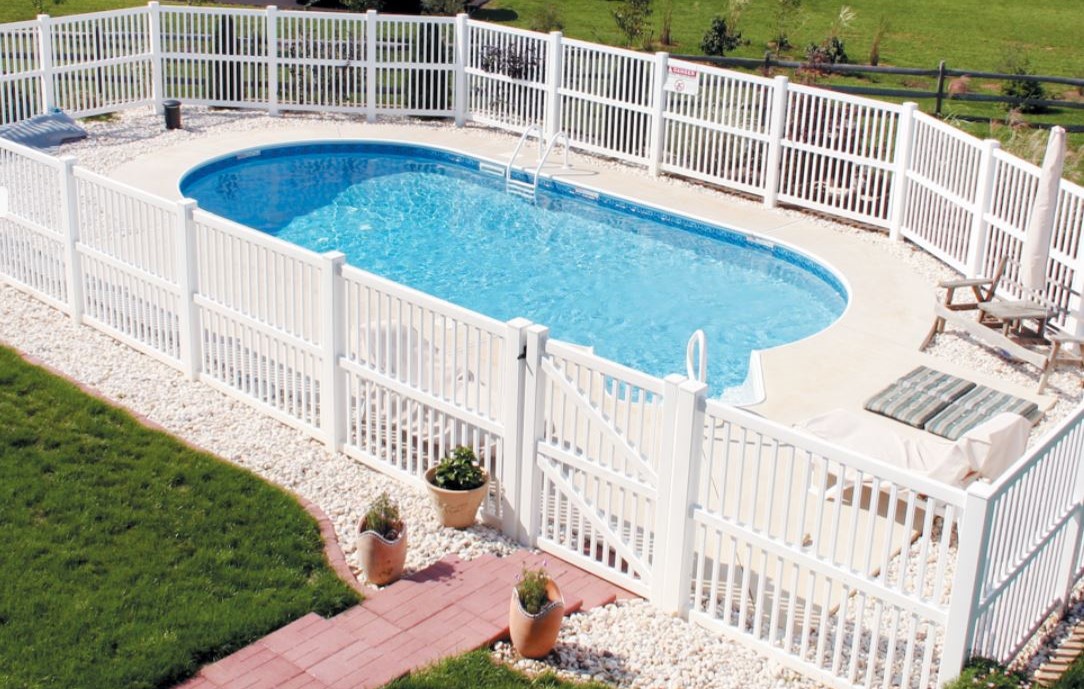
| Barrier/fencing | No federal mandate for private residential pools | California’s Swimming Pool Safety Act: pools built or remodeled after January 1, 2007 need at least one of seven listed safety features, including fencing, an approved pool cover, and self-closing doors | Which of the state’s listed options the specific pool actually uses, documented in writing |
| Ordinance compliance for financed purchases | HUD 4000.1 requires the lender confirm compliance with local ordinances | Varies by county | Ask the appraiser or agent for the specific ordinance citation, not a general assurance |
Does the federal anti-entrapment drain cover law apply to my backyard pool?Not directly. The Virginia Graeme Baker Act’s drain-cover mandate applies to public and semi-public pools. A private, single-family residential pool isn’t covered by that federal requirement, though state and local codes may impose their own drain-cover or barrier rules.
If you’re selling, not buying
Disclosure obligations for a pool’s age, permit status, and incident history are set at the state level and vary too widely for one national answer to be honest. What holds everywhere: a documented permit history and service records turn a pool into a selling point instead of a question mark, and withholding a known defect, a cracked shell or a non-functioning drain cover, carries the same disclosure risk as withholding any other known material defect.
If you’re an investor
There’s no public dataset connecting pool ownership to short-term-rental booking rates or occupancy solid enough to state a number here, and pretending otherwise would misrepresent how thin that evidence is. What is documented is the insurance and permitting layer: a property used for short-term rental typically needs a commercial or rental-use endorsement instead of a standard owner-occupant homeowners policy, worth confirming with a carrier before assuming a pool adds rental value.
Is a pool worth it? What the resale numbers really show
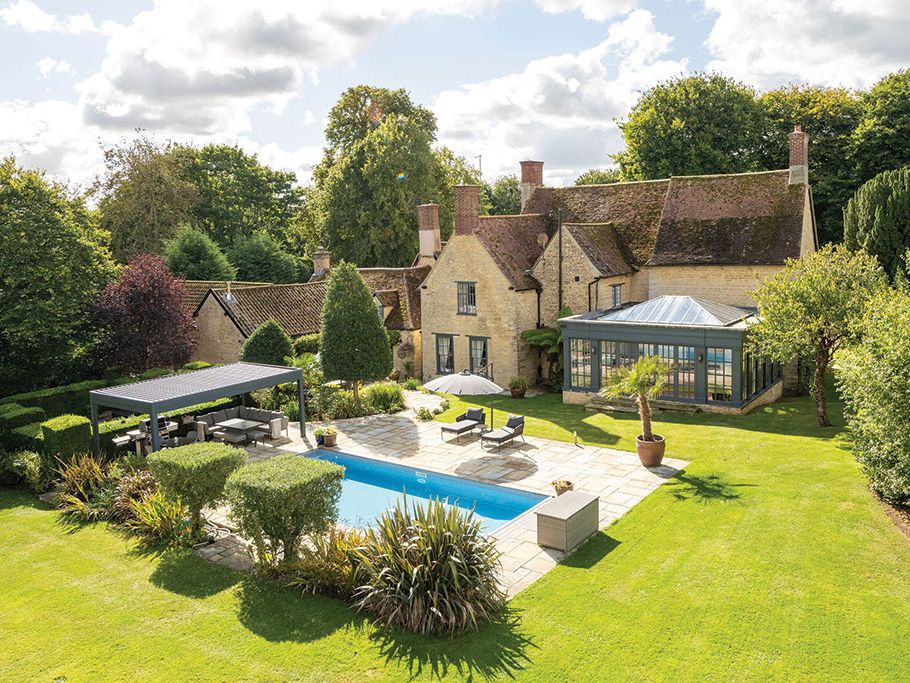
Resale impact depends far more on regional pool density and buyer expectations in that specific market than on any national percentage. A pool in a Phoenix subdivision where every comparable home has one lands close to a neutral feature. A pool in a Seattle listing, where most comparables don’t have one, becomes a genuine differentiator, for better or worse depending on the buyer.
Comments