
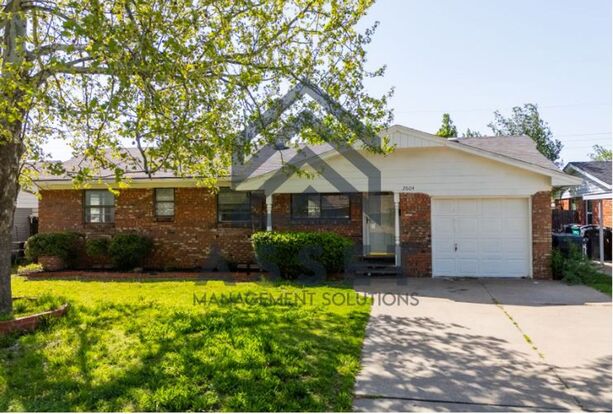
Oklahoma City has real rent-to-own inventory, and almost none of the sites showing it explain what you’re actually signing, which is the gap this page is built to close.
How an Oklahoma rent-to-own contract is actually structured
A rent-to-own deal in Oklahoma is one of two things, and the difference is not cosmetic. It’s either a lease with an option to purchase, or a contract for deed (sometimes called a land contract or lease-purchase agreement). In an option, you pay for the right to buy later; you’re never obligated to close, and if you walk away, you typically forfeit the option fee and nothing more. In a contract for deed, you’ve already agreed to buy, you’re building what Oklahoma courts call equitable title with every payment, and backing out carries real consequences: you can lose accrued equity, and depending on how the contract is written, the seller may have to go through foreclosure to remove you rather than simple eviction.
| Structure | Is the buyer obligated to complete the purchase? | What happens if the buyer can’t or won’t buy? | Typical use case |
|---|---|---|---|
| Lease-option | No, purchase is optional | Option fee forfeited; lease can continue or end per its own terms | Buyer still building credit or savings, wants an out |
| Contract for deed (lease-purchase) | Yes, buyer has agreed to purchase | Seller must foreclose under 16 O.S. § 11A if land is included; buyer risks losing equitable title and payments made | Buyer and seller both committed, financing arranged informally |
| Option contract disguised as a purchase | Ambiguous by design | Seller may claim the right to evict via ordinary FED proceedings instead of foreclosing | Predatory sellers exploiting buyers unfamiliar with the distinction |
The row that matters most is the third one. A contract that reads like a purchase agreement but is legally structured as an option gives the seller a much faster way to remove you, and to keep every dollar you’ve paid, if you miss a payment near the end of the term.
What Oklahoma law does to these contracts
A seller who tries to evict you the way a landlord evicts a renter is testing whether your contract counts as real estate under 16 O.S. § 11A. The statute treats contracts for deed as constructive mortgages, subject to the same foreclosure rules as an actual mortgage, and it states outright that no foreclosure can begin unless the contract has already been filed with the county clerk and mortgage tax paid on it. If your contract covers the house and the land it sits on, the seller has to foreclose. If land isn’t part of the deal, ordinary Forcible Entry and Detainer (FED) rules apply instead, according to Legal Aid Services of Oklahoma, the clearest breakdown of this distinction available to buyers. A landlord-side Oklahoma City attorney’s case analysis confirms the same rule from the seller’s side: a contract-for-deed holder generally cannot be removed through FED, the seller has to bring a foreclosure action, because the buyer already holds equitable title the moment they take possession.
Can a rent-to-own seller evict me the way a landlord would? Only if your contract is written as a bare option or excludes the land from the sale. If the contract covers the land and reads as a purchase agreement, Oklahoma law requires the seller to foreclose, a slower, court-supervised process, not a landlord-style eviction.
Signs the deal is structured against you

The riskiest pattern in this market is a contract dressed up with purchase language, monthly “payments toward the home,” even a stated purchase price, that is legally still just an option. Sellers who use this structure can, right before you’d otherwise complete the purchase, manufacture a reason to evict you through ordinary FED proceedings and keep every payment you’ve made, because you were never anything but a tenant in the law’s eyes. Watch for these markers:
- No mention of equitable title or foreclosure rights anywhere in the contract. A legitimate purchase agreement names what happens if you default; a document silent on it is often silent on purpose.
- The contract omits the land, or is vague about what “the property” includes. That single omission can be the difference between a foreclosure requirement and an ordinary eviction.
- The seller discourages recording the contract with the county clerk. An unrecorded agreement leaves you exposed if the seller resells or refinances the property during your lease term.
- Vague or missing default-and-cure language. Oklahoma’s Consumer Protection Act can expose a seller who misrepresents price, fees, or default consequences to a separate claim, according to a breakdown of the relevant Oklahoma statutes, but that protection only helps after the fact.
What is an option contract, and why is it risky? It’s an agreement giving you the right to buy later without an obligation to. The risk shows up when a seller writes what should be a purchase agreement using option-contract language, letting them evict through ordinary landlord procedures instead of foreclosing, right when you’d otherwise be completing the purchase.
What to do before you sign
Every rent-to-own agreement involving Oklahoma real estate has to be in writing to be enforceable at all, under the state’s Statute of Frauds, and any agreement resembling a purchase should be filed with the county clerk before you rely on it for anything. Filing does two things: it puts the world on notice that you hold an interest in the property, protecting you if the seller tries to sell or refinance out from under you, and per 16 O.S. § 11A, it’s a precondition the seller needs met before they can even start foreclosure, meaning an unrecorded contract can leave both sides in legal limbo if things go wrong.
Recording isn’t free, and the cost is a useful gut-check before you sign. Oklahoma County’s clerk charges $18 for the first page of a recorded instrument plus a $10 preservation fee, and Canadian County’s schedule lists mortgage tax at $0.10 per $100 of the contract’s debt, less if the term runs under five years. Cleveland County’s clerk notes that a contract for deed only needs mortgage tax paid if its own deed isn’t filed within six months.
| Step | Why it matters | Who to involve |
|---|---|---|
| Order a title search | Confirms the seller actually holds clear title and there are no existing liens ahead of your interest | Title company or abstractor |
| Record the contract with the county clerk | Establishes your interest against third parties; a precondition for foreclosure protections under 16 O.S. § 11A | County clerk’s office; attorney to prepare the filing |
| Have an attorney review default and eviction language | Determines whether the contract functions as a purchase agreement or a disguised option | Real estate attorney |
| Confirm written notice procedures | Oklahoma’s landlord-tenant statute requires written notice before eviction even in rent-to-own arrangements | Attorney; keep copies of all notices received |
These four steps cost a few hundred dollars combined in most cases, against a purchase that can run into six figures.
Is the option fee refundable if I don’t buy? No, the option fee is non-refundable by design in every version of this arrangement found in Oklahoma practice. What varies is everything else: how much rent credits toward the purchase, and whether missing the option deadline forfeits only the fee or the accumulated credits too.
Why most Realtors won’t touch these deals

Licensed Oklahoma agents work almost entirely in MLS-listed, conventionally financed transactions, and rent-to-own deals rarely go through the MLS. Most agents’ commission structures simply don’t fit a multi-year, owner-financed arrangement, so the professional you need here is a real estate attorney or a title company experienced with owner financing.
Why won’t more Realtors help with rent-to-own deals? These transactions don’t run through the MLS or a standard mortgage closing, and a typical agent’s commission structure doesn’t fit them. A real estate attorney or a title company that handles owner financing is the more relevant professional here.
Finding a legitimate listing in Oklahoma City
Skip the generic advice to browse listings and start with the sellers who actually offer these deals: small-scale owner-investors advertising directly, often on FSBO platforms or by word of mouth in a specific neighborhood, and sellers who already hold multiple rental properties and prefer a buyer over another tenant. Before contacting any of them, pull the county assessor’s record for the property to confirm who currently holds title, and ask directly whether the property has any existing mortgage, since a rent-to-own deal on a mortgaged property carries due-on-sale risk that most sellers won’t volunteer. A title company already working with owner-financed sales in the metro can run this check for a flat fee well before you’ve paid an option fee to anyone.
Why won’t more Realtors help with rent-to-own deals?
What renting-to-own costs in today’s OKC market
Oklahoma County’s most recently published Fair Market Rent for a two-bedroom unit is $1,180 a month, the highest of the state’s 77 counties, according to HUD’s Fair Market Rent dataset. That figure is a rent benchmark, not a purchase price, but it’s useful for sanity-checking whether a quoted “rent” in a rent-to-own deal is inflated to disguise part of the purchase price as rent, which changes how much of your payment actually builds toward ownership.
There’s no state-published figure for what a typical OKC option fee runs, in dollars or as a percentage of price. Any number quoted elsewhere as a “standard” percentage reflects one seller’s practice, not a rule.
Is rent-to-own my only option if I have bad credit? No, FHA loans allow lower down payments and more credit flexibility than a conventional mortgage, and that path is worth comparing directly against a rent-to-own arrangement before choosing either one.
Comments