
What “for rent by owner” means, and how it differs from an MLS listing
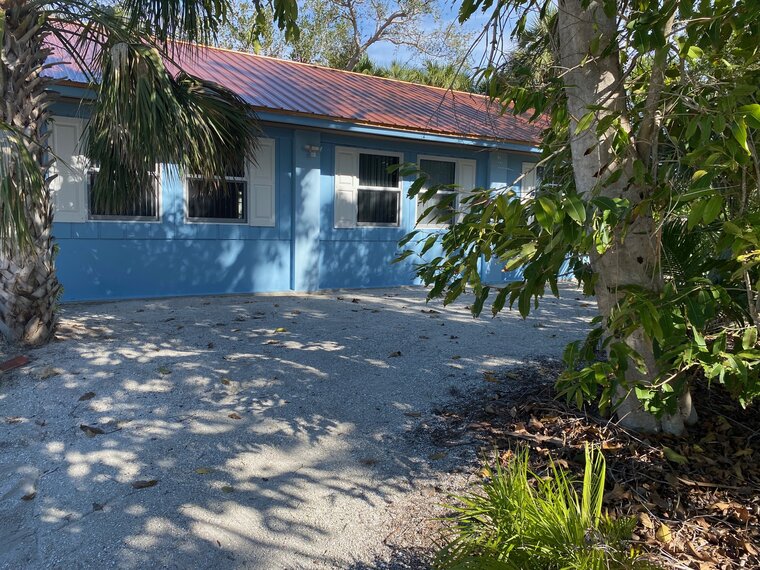
“For rent by owner” means the listing comes straight from the person who owns the house, with no leasing agent between you and them. That single label covers two different pools of inventory. Some by-owner houses are entered into the same Multiple Listing Service that agents use, verified through a licensed board. Others sit entirely outside that system, posted only on classifieds, social media, or the owner’s own site, with no verification step at all.
| Criterion | MLS-listed by owner | Non-MLS / FSBO listing |
|---|---|---|
| Verification | Entered through a licensed real estate board with basic data standards | No listing-board check; content is whatever the poster wrote |
| Where it appears | Syndicates to Zillow, Realtor.com, Apartments.com automatically | Usually posted to one platform or group, e.g. a Facebook Marketplace ad |
| Photo provenance | Tied to the MLS record, typically the owner’s or a photographer’s images | Can be copied from another posting, a pattern the FTC flags as a scam signal |
| Price history | Often shows prior listing or price changes | Usually shows none |
An MLS entry doesn’t guarantee the deal is safe, but it does mean someone outside the transaction has checked basic facts about the listing. A non-MLS post has had no such check.
Are for-rent-by-owner listings on the MLS the same as FSBO listings? No. An MLS by-owner listing has cleared a licensed board’s basic data check; a pure FSBO or Craigslist-style post has not, which is why photo and address verification matters more for the second kind.
What owner-rented houses cost, by neighborhood

Dedicated house-only rent breakdowns by neighborhood aren’t published; the closest available proxy is the whole rental-market index, which blends houses and apartment units. Cross-checked against the citywide house-specific figure above, the tiers below still show real spread.
| Area | Typical monthly rent, all rental homes | Source |
|---|---|---|
| Brickell | $3,747 | RentCafe / Yardi Matrix, June 2026 |
| Wynwood | $3,468 | Same |
| Little Havana | $2,579 | Same |
| Kendall Commons | $2,543 | Same |
| Southwest Coconut Grove | $2,398 | Same |
A house in Little Havana and a house in Brickell aren’t competing for the same tenant or the same price, even though both show up under one citywide FRBO search. At the very top of the range, Village of Key Biscayne averaged $6,500 a month in early 2026, the highest submarket tracked near Brickell by RentHop.
Is it cheaper to rent a house directly from the owner in Miami? Not reliably. Price is driven far more by neighborhood tier than by whether an agent is involved; the spread between Little Havana and Key Biscayne is roughly $4,000 a month, which dwarfs whatever negotiation room a direct deal might create.
How to avoid rental scams when you’re dealing directly with an owner
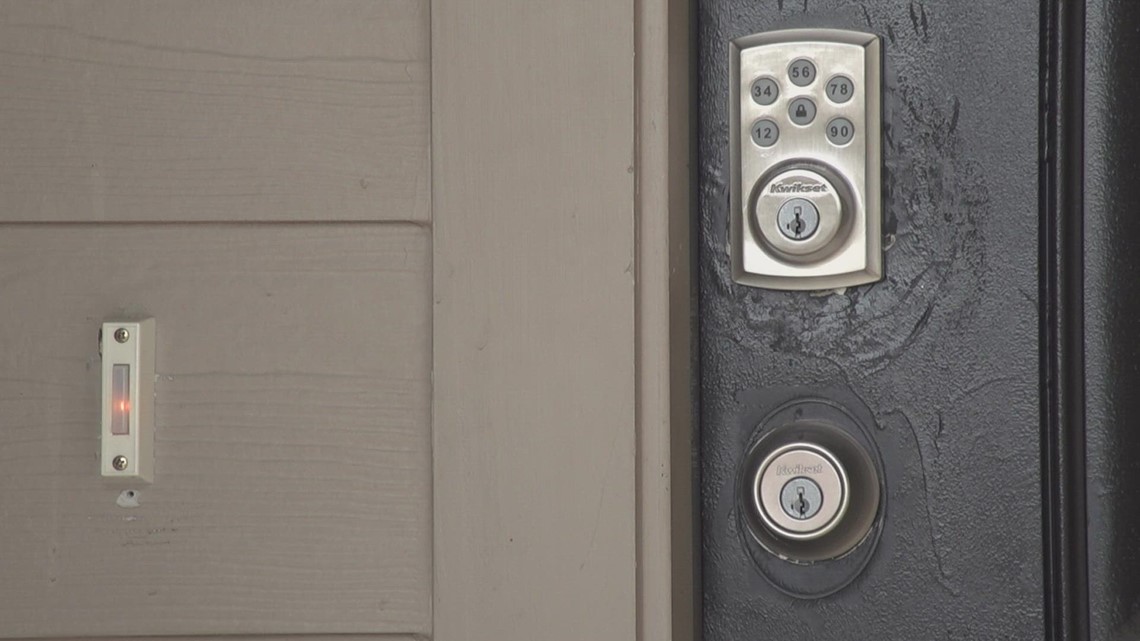
Renters reported $65 million in rental-scam losses to the FTC between 2020 and mid-2025, with a median loss of $1,000; about half of those scams started on Facebook and 16% on Craigslist (FTC Data Spotlight, December 2025). Renters aged 18 to 29 were three times more likely than other adults to lose money this way. A by-owner deal removes the one party, the agent, whose license and reputation are on the line if the listing is fake, so verification falls entirely on the renter.
| Red flag | Why it’s suspicious | What to do |
|---|---|---|
| Rent priced well below comparable nearby listings | Low prices generate urgency and a flood of inquiries | Compare against at least two other listings on the same block first |
| Owner refuses an in-person viewing, claims to be out of the country | A standard excuse to avoid ever producing a working key | Ask for a live video walkthrough; a static or pre-recorded clip is a warning sign |
| Payment requested by wire transfer, gift card, or cryptocurrency | These are irreversible once sent and untraceable | Pay by credit card or another method that allows a dispute |
| Listing photos carry an MLS watermark on an ad claiming to be a private rental | Signals the photos were pulled from an unrelated for-sale listing | Search the address plus “for sale” to check the real listing status |
| Applicant is asked to obtain and submit their own credit report before any viewing | Legitimate owners normally pull the check themselves | Decline until a lease is actually ready to sign |
What should I do if an owner asks for payment before I’ve seen the property? Stop and refuse. Ask for a live video walkthrough at minimum, and never send money by wire transfer, gift card, or cryptocurrency before you’ve verified the listing independently.
What Florida law protects, and what it doesn’t
| Topic | What FL law requires | Statute |
|---|---|---|
| Security deposit cap | No statutory maximum; amount is negotiated | F.S. 83.49(1) |
| Deposit return, no claim | Full refund within 15 days of move-out | F.S. 83.49(3) |
| Deposit return, with a claim | Certified-mail notice within 30 days; tenant has 15 days to object | F.S. 83.49(3)(a)-(b) |
| Tenant notice to vacate | At least 7 days’ written notice, certified mail or hand delivery | F.S. 83.49(5) |
| Flood-history disclosure | Separate written form before signing any lease of 1+ year | F.S. 83.512, effective 10/1/2025 |
Security deposit handling and return deadlines
If a landlord doesn’t intend to keep any of the deposit, the full amount is due back within 15 days of move-out. If they do intend a deduction, they must send certified-mail notice within 30 days, and the tenant then has 15 days to object in writing before the landlord can act on the claim (F.S. 83.49(3)). Text messages, email, and regular mail don’t satisfy the certified-mail requirement on either side.
Can a landlord in Florida charge any security deposit amount they want? Yes. There is no statewide cap. What’s regulated is how the deposit is held and returned, not how large it can be.
HOA and condo rental restrictions
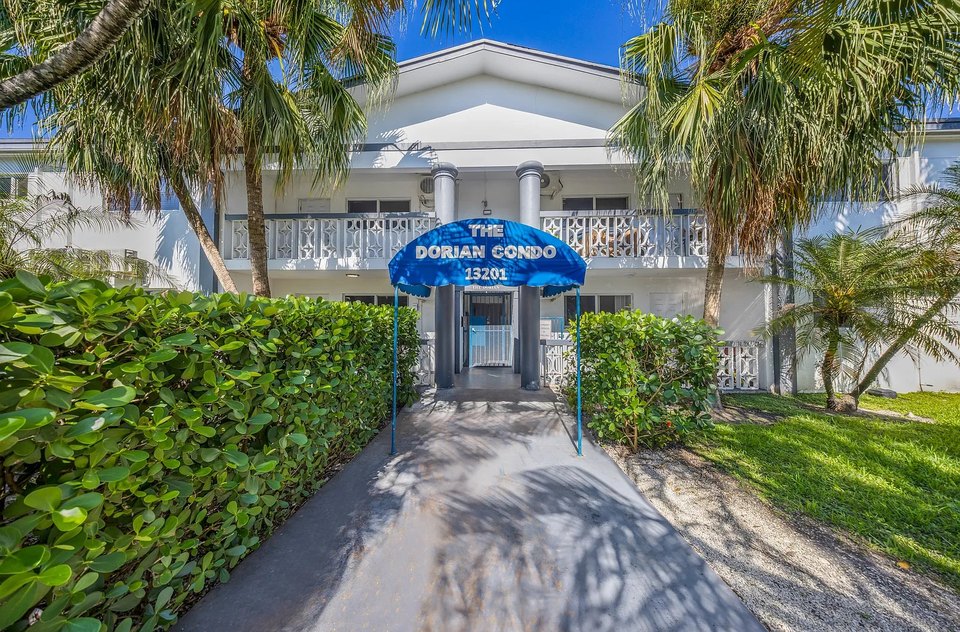
A large share of Miami’s rental houses sit inside a condominium or homeowners’ association, and association rules can override what a listing site shows. Under F.S. 718.110(13), a condo amendment that adds a minimum lease term or caps how often a unit can be rented applies only to owners who consent or who buy after the amendment takes effect, not automatically to every existing owner. HOAs, under a separate 2021 law, have broader power: an amendment requiring leases of six months or more, or limiting rentals to three times a year, can bind every parcel owner regardless of when they bought. None of this shows up in an MLS listing or a rental-search filter; it lives in the association’s governing documents.
The new flood-history disclosure law
As of October 1, 2025, Florida requires every landlord signing a lease of a year or longer to hand over a separate, standalone flood-history disclosure before the lease is signed, stating whether the property has flooded during the landlord’s ownership, whether a flood insurance claim was filed, and whether FEMA assistance was received (F.S. 83.512). If a landlord skips this and the tenant later suffers a substantial loss, defined as damage worth half or more of the property’s value, from an undisclosed flood, the tenant can terminate the lease and get prepaid rent back.
Applying and moving in without a property manager
- Ask what the application actually requires. Some owners run a formal credit and background check; others just want pay stubs and a conversation.
- Get everything in the lease itself, not a side text or email, including who pays for lawn care, pest control, and appliance repairs.
- Confirm ownership before paying anything, through the county property appraiser’s public record rather than taking the poster’s word for it.
- Check whether the property sits in a condo or HOA, and ask how long their own approval process typically takes before move-in.
Renters insurance when there’s no property manager
Nobody automatically requires or verifies renters insurance in a private, by-owner deal. Some owners ask for proof of a policy before handing over keys; many never ask at all. A condo or HOA’s building insurance covers common areas and structure, not a tenant’s belongings inside the unit. Renters who want coverage need to buy an individual policy on their own initiative.
Renting out your own house without an agent
Florida doesn’t require a listing agent to rent out a house you own. What changes is that every landlord obligation above, deposit handling, flood disclosure, HOA compliance, now falls entirely on you instead of an agent or property manager. If the house sits in a condo or HOA, check the governing documents for a minimum lease term or a rental-frequency cap before you advertise, since violating either can force you to unwind a signed lease. Getting onto the actual MLS as a for-sale-by-owner-style rental typically requires a flat-fee MLS entry service, since standard MLS access is normally limited to licensed agents.
Do I need a real estate agent to rent out my house in Miami? No, it isn’t legally required. What you lose without one is someone else absorbing the compliance work, screening, deposit handling, and disclosure paperwork, that a managed rental would otherwise route through a licensed professional.
Consider still using an agent or a flat-fee MLS service if you don’t live near the property, need the unit filled on a tight timeline, or have never handled a Florida deposit claim before; the 83.49 notice deadlines are unforgiving of a missed certified-mail step.
Common mistakes on both sides of an FRBO deal
- Relying on a verbal agreement or a text thread instead of a signed lease.
- Paying or accepting money before confirming ownership through the county property appraiser’s site.
- Ignoring HOA or condo rental restrictions until after move-in, when the association can still enforce a minimum lease term against the tenant already living there.
- Assuming a deposit is capped by law. It is not, under F.S. 83.49(1).
- Treating flood risk as someone else’s problem. Hurricane Helene alone caused more than $1.8 billion in residential damage in Hillsborough County in 2024.
Comments