
What “for rent by owner” actually changes about a Kansas City lease
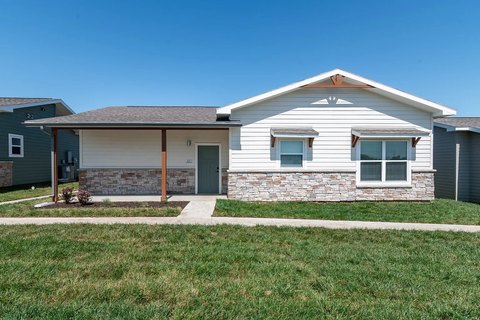
FRBO means the person who owns the house is also the one showing it, signing the lease, and fixing what breaks, with no management company in between. You get a direct line to a decision-maker and often more room to negotiate specific terms, but you lose the professional screening and standardized maintenance trail a management company provides – so the verification and legal-rights steps below matter more here than on a managed listing.
Finding current owner-direct houses in the KC metro
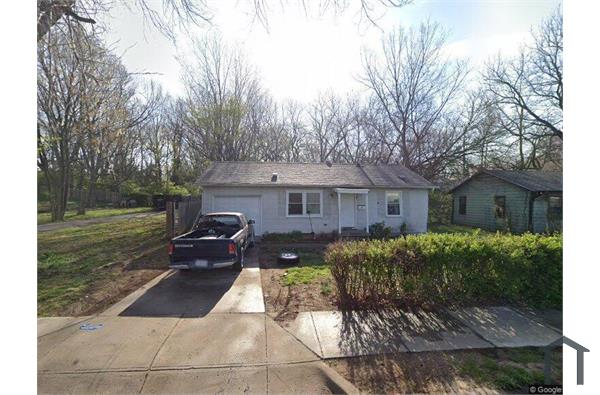
This page doesn’t run a live listings feed, so treat it as the research step before you search, not a replacement for the search itself. Filter any major rental site to “house” and “by owner” for the Kansas City, MO metro, and expect the pool to run smaller and turn over faster than the general apartment market: aggregator sites typically show well under 150 owner-direct houses live in the metro at a given time, concentrated below $2,000 a month. Cross-reference any address you find against the county verification steps below before you contact the poster.
Before you send money: confirming who actually owns the house
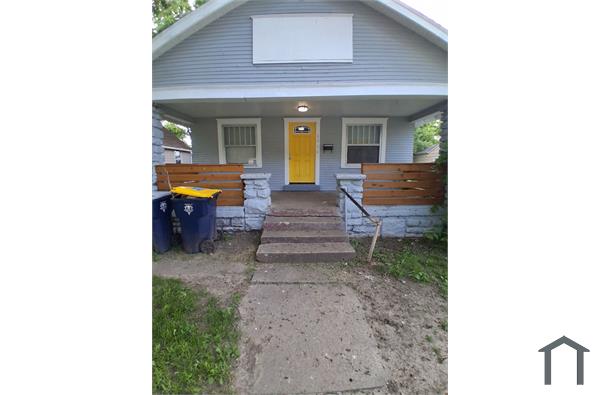
Search the exact street address plus “for rent” before you do anything else. If the same address turns up on a different site at a different price or with different contact information, that’s the single most-reported rental-scam pattern the FTC tracks, and it costs the average victim about $1,000.
To confirm ownership directly:
- Check the county parcel record. Look up the address in the assessor/parcel search for the county the property sits in – Jackson County, Clay County, or Platte County – and check that the recorded owner’s name matches who you’re corresponding with.
- Ask about mismatches directly. Property managers, LLCs, and family members holding title differently from the person emailing you are common and not automatically a red flag, but the person should explain the gap in one sentence, not deflect.
- Insist on a live viewing. An in-person or live video walkthrough is required before you pay anything; a prerecorded video or photos alone confirms nothing about who’s on the other end of the message.
| Signal observed | Likely meaning | Recommended action |
|---|---|---|
| Rent priced well below comparable houses in the area | Common bait pattern in FTC-reported scams | Compare against the price table below; get a written reason for the gap |
| Refuses to meet or show the property in person | Money-upfront pressure pattern the FTC specifically flags | Do not send any payment; request a live video tour instead |
| Same address listed on multiple sites at different prices | The most commonly reported scam mechanic: a copied listing with swapped contact details | Search the address before making contact; verify via county records |
| Asks for SSN, paystubs, or ID before a lease exists | Identity-theft pattern documented in FTC reports | Provide only after ownership is confirmed and you’re formally applying |
| Requests rent or deposit via wire, cash app, or gift card | Untraceable-payment pattern common to reported losses | Insist on a traceable method tied to the verified owner’s name |
The table separates what you’re seeing from what it usually means: a low price alone isn’t proof of fraud, but a low price combined with refusal to meet in person is the exact combination federal data describes as the most common scam setup.
A common mistake worth naming directly: assuming a tour of the outside of the house is enough. Scammers have been known to point renters to real, occupied or vacant houses and describe an interior they’ve never seen; get inside, or don’t send money.
Is renting a house by owner in Kansas City safe?It carries more verification burden than a managed rental, not more inherent danger. The risk concentrates in one specific combination: no in-person viewing plus pressure to pay fast. Remove either half of that combination and most of the exposure goes with it.
Your rights as a Missouri tenant in a direct-owner lease
Missouri law sets a floor here regardless of whether your landlord is a person or a property-management company.
Security deposits
A Missouri landlord cannot demand more than two months’ rent as a security deposit, under RSMo § 535.300. The deposit has to sit in a bank, credit union, or federally insured depository institution while you’re a tenant, and within 30 days of the tenancy ending, the landlord must either return it in full or send an itemized list of what was withheld and why.
How much deposit can a Missouri landlord legally ask for?No more than two months’ rent. If a landlord wrongfully withholds any part of it, the same statute lets you recover up to twice the amount wrongfully kept – a remedy separate from the deposit cap itself.
Ending a month-to-month lease
Without a fixed-term lease, either side can end a month-to-month tenancy with at least one month’s written notice, timed to a rent-paying date, under RSMo § 441.060. A private owner doesn’t need a reason to decline renewal on that notice; they just need to put it in writing and give you the full month.
Habitability
Missouri’s implied warranty of habitability didn’t come from the legislature. It came from a 1973 Kansas City Court of Appeals case, King v. Moorehead, 495 S.W.2d 65. The court held that every residential lease in the state carries an implied duty to keep the home safe, sanitary, and fit to live in, tied specifically to Kansas City’s own housing code at the time. A private KC landlord who ignores serious repairs isn’t just being unresponsive; they’re arguably in breach of a duty state courts recognized decades before it applied to any national landlord.
What’s actually negotiable with a private landlord
An individual owner, without a corporate approval chain, can typically move on things a property-management company structurally can’t.
- Move-in date. Ask for a shift of a week or two around signing; an owner juggling one property can often accommodate it, where a managed building runs on a fixed turnover schedule.
- Minor pre-move-in repairs. Ask for a specific, named item fixed before you sign, and get the commitment written into the lease itself, not left as a verbal promise.
- Pet deposit structure. Some owners will accept a smaller upfront pet fee for a slightly higher monthly rent, or vice versa; ask which they’d prefer rather than assuming the posted number is fixed.
Don’t expect that same flexibility on the security-deposit cap or the habitability duty described above. Those are statutory floors, not negotiating points, and a landlord who offers to waive either one is offering less legal protection, not a favor.
Can I negotiate the move-in date or rent with a private landlord?Move-in date and small repair commitments are the most reliably negotiable items with an individual owner. For rent itself, ask directly how long the listing has been posted before making an offer below asking; a house that’s sat for several weeks gives you real leverage a fresh listing doesn’t.
What a fair price looks like right now
Kansas City’s median house rent sits at $1,575 a month against $1,250 for apartments overall, as of June 2026. By bedroom count, the metro’s rents (all property types combined, since no house-only breakdown by bedroom is published) run roughly as follows.
| Bedrooms | Typical monthly rent, Kansas City metro | Note |
|---|---|---|
| Studio | $995 | Rare among FRBO houses; mostly apartment inventory |
| 1 bedroom | $1,125 | Smaller share of the house-rental pool |
| 2 bedroom | $1,395 | Common starting point for owner-direct houses |
| 4+ bedroom | $1,850 | Houses dominate this bracket over apartments |
Because houses run $325 above the metro’s blended apartment average, a 2- or 3-bedroom FRBO house priced noticeably under $1,395 deserves the same scrutiny as a below-market price anywhere else: not automatic rejection, but a direct question about why.
What if the listing looks legitimate but the price seems too low?Compare it against the bedroom-count figures above first. A price alone rarely proves anything; a below-range price paired with resistance to an in-person viewing is the combination worth acting on.
Comments