
What “in-law suite” means, and where it doesn’t hold up
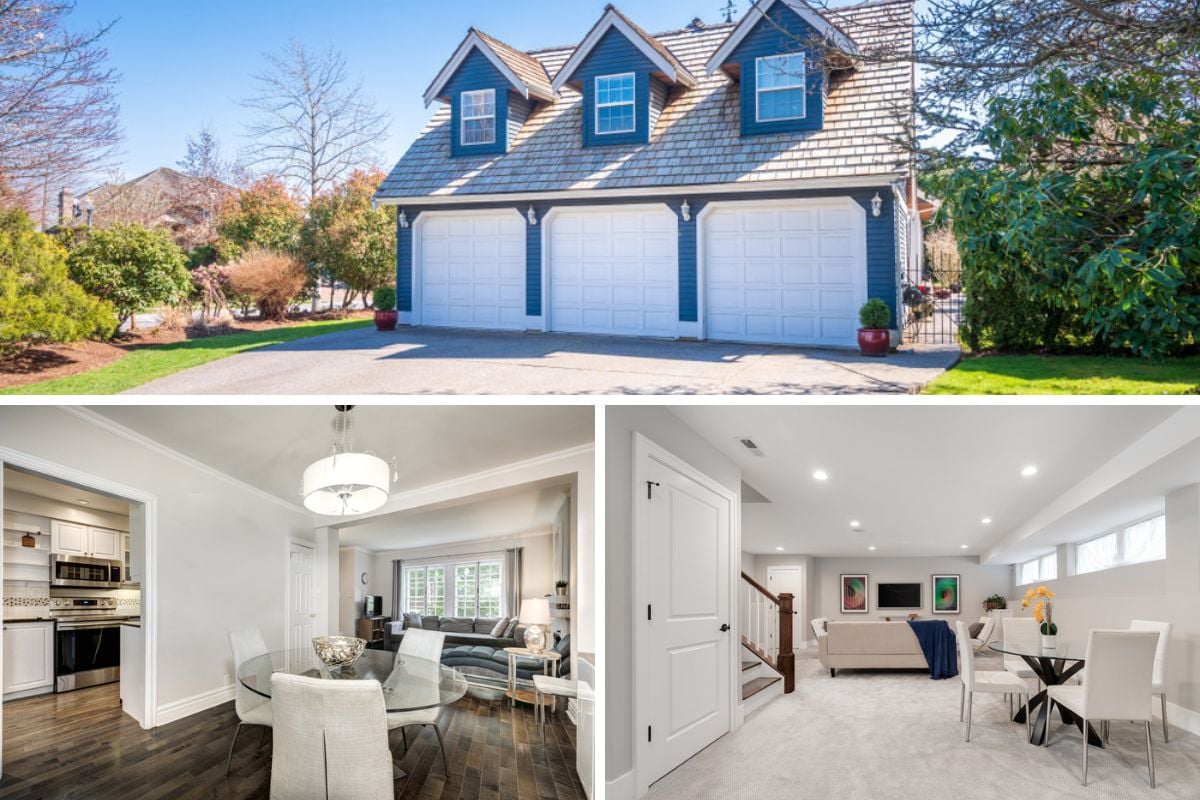
No jurisdiction defines “in-law suite” in its building code. What buyers actually run into is a state-by-state patchwork of accessory dwelling unit (ADU) and junior accessory dwelling unit (JADU) law, and the requirements attached to that legal category determine whether the space you’re buying can be rented, occupied by a non-relative, or insured as a separate unit.
| State | Common local term | Legal status (2026) | Notable recent change |
|---|---|---|---|
| California | ADU / JADU | Ministerial, by-right approval statewide; no owner-occupancy requirement | Owner-occupancy mandate removed; local agencies barred from denying permits for ADUs built before Jan. 1, 2020, on code-compliance grounds |
| Massachusetts | Accessory dwelling unit / in-law apartment | By right in single-family zoning statewide since Feb. 2, 2025 | Affordable Homes Act preempted local bylaws that conflicted with the new state standard |
| New York | Accessory apartment | No statewide statute; regulated entirely by municipality | Some towns, Islip in Suffolk County among them, still require owner-occupancy of the principal dwelling for the permit to stay valid |
| Most other states | Accessory apartment / granny flat / secondary suite | Governed by local zoning ordinance; no statewide ADU law | Varies by city; confirm nothing is assumed legal until the local planning department says so |
The same square footage that’s a by-right ADU in Sacramento can be an unpermitted, code-violating addition two states over, with no way to tell from a listing photo. Confirm the actual zoning classification and permit history with the local building department before treating the space as real, usable square footage.
Does an in-law suite have to have its own kitchen? Not always. Many jurisdictions classify a space without a kitchen as an accessory bedroom rather than an ADU, which changes both its legal status and whether it can be rented as a separate unit. A kitchenette with a cooktop, sink, and refrigerator is usually enough to trigger ADU classification; a single hot plate typically is not.
How to actually search for one
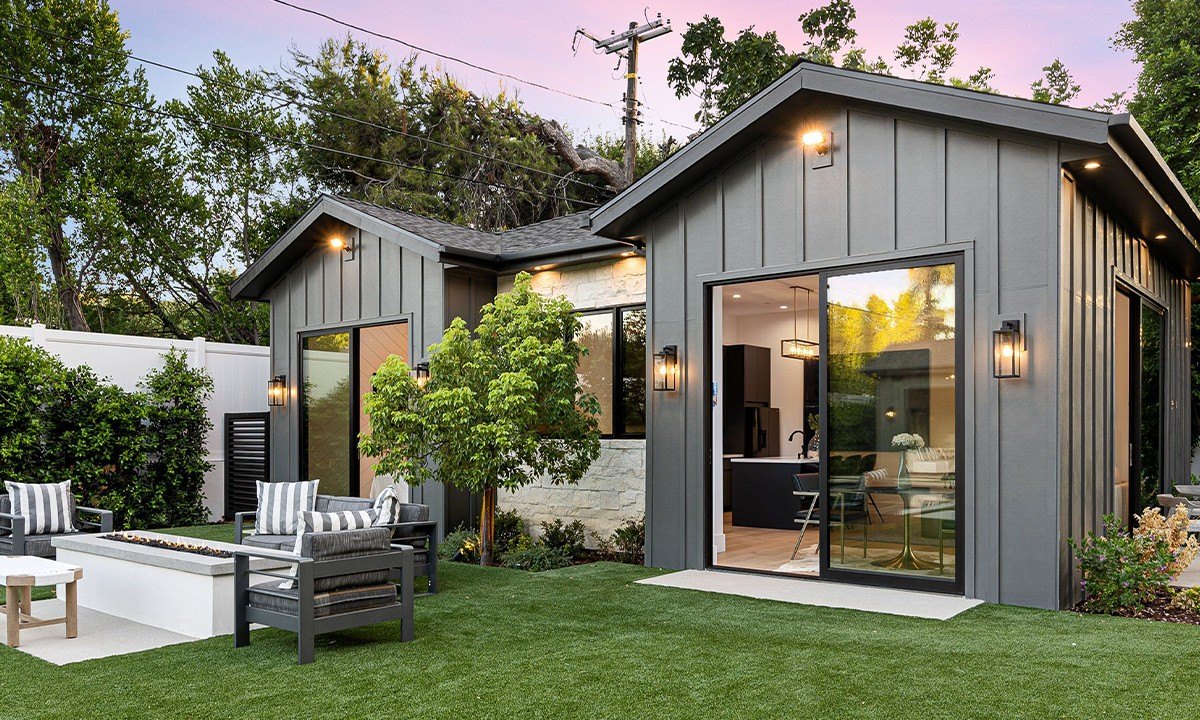
Portal coverage of this feature is inconsistent. Homes.com runs a dedicated “in-law suite” filter with its own listing pages by state and county: as of this search, Los Angeles County alone carried 269 active listings tagged this way. Redfin and Zillow do not offer an equivalent checkbox filter for this specific feature; both require a keyword search using terms like “ADU,” “guest house,” “granny flat,” or “in-law.”
A buyer’s agent working directly in the MLS can search fields a public portal doesn’t expose: separate entrance, additional kitchen, or ADU-specific remarks, plus permit history where the jurisdiction shares it. Any keyword match on a public portal is a lead, not a confirmation, since the same phrase in a listing description often turns out to be a converted den or a bonus room with no legally separate unit behind it.
What to verify before you make an offer
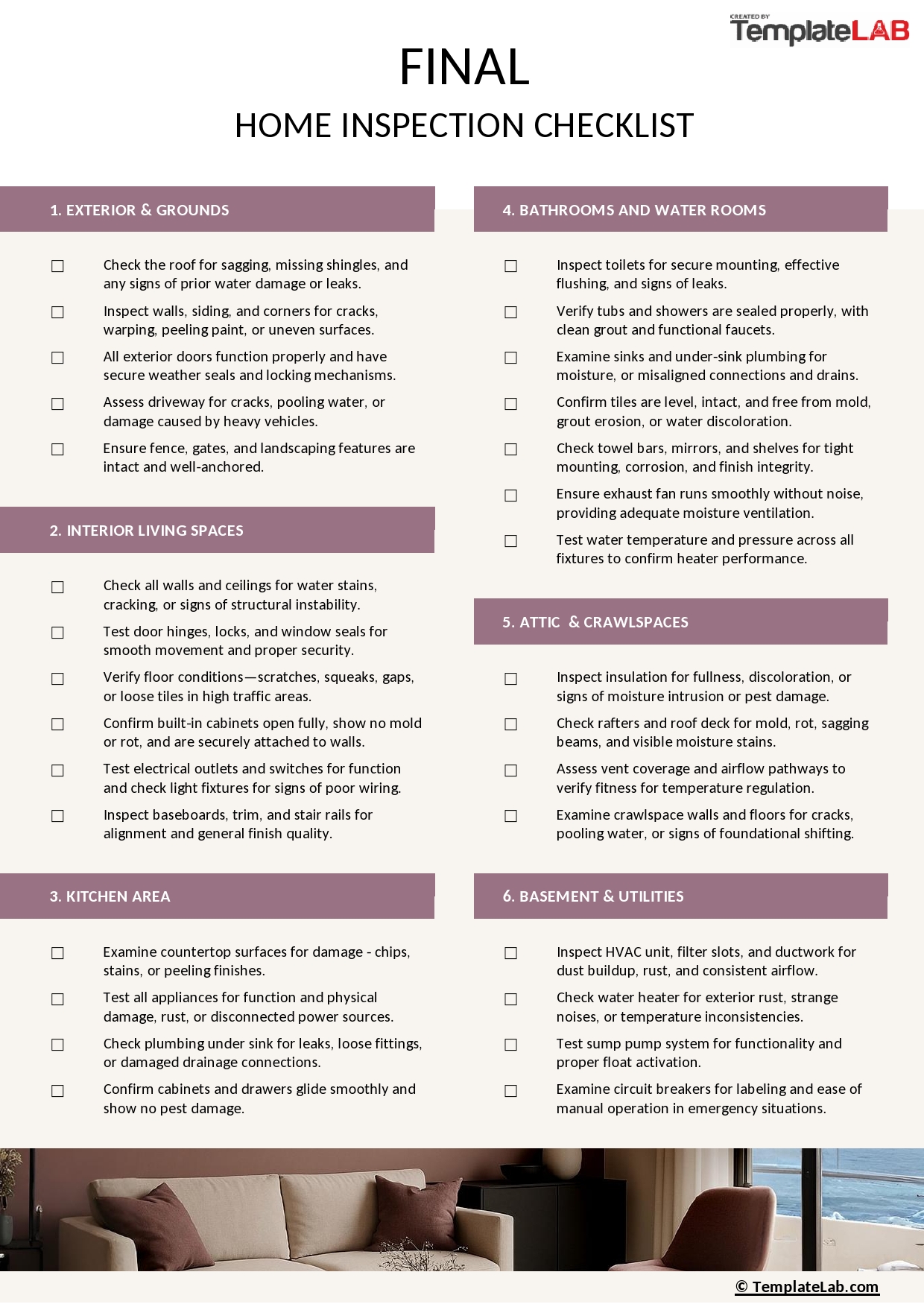
- Zoning classification. Ask the local planning or building department whether the unit is zoned and permitted as an ADU, an accessory apartment, or nothing at all.
- Permit and certificate of occupancy history. Pull the property’s permit record; an addition with no matching permit is the single biggest red flag in this transaction type.
- HOA rules. Many HOA covenants restrict or ban secondary units even where the municipality allows them; check the declaration, not just the zoning code.
- Rental compliance. If you intend to rent the suite, confirm minimum lease terms and short-term rental restrictions separately from ADU legality, since these are regulated differently in most jurisdictions.
Inspection red flags for converted suites
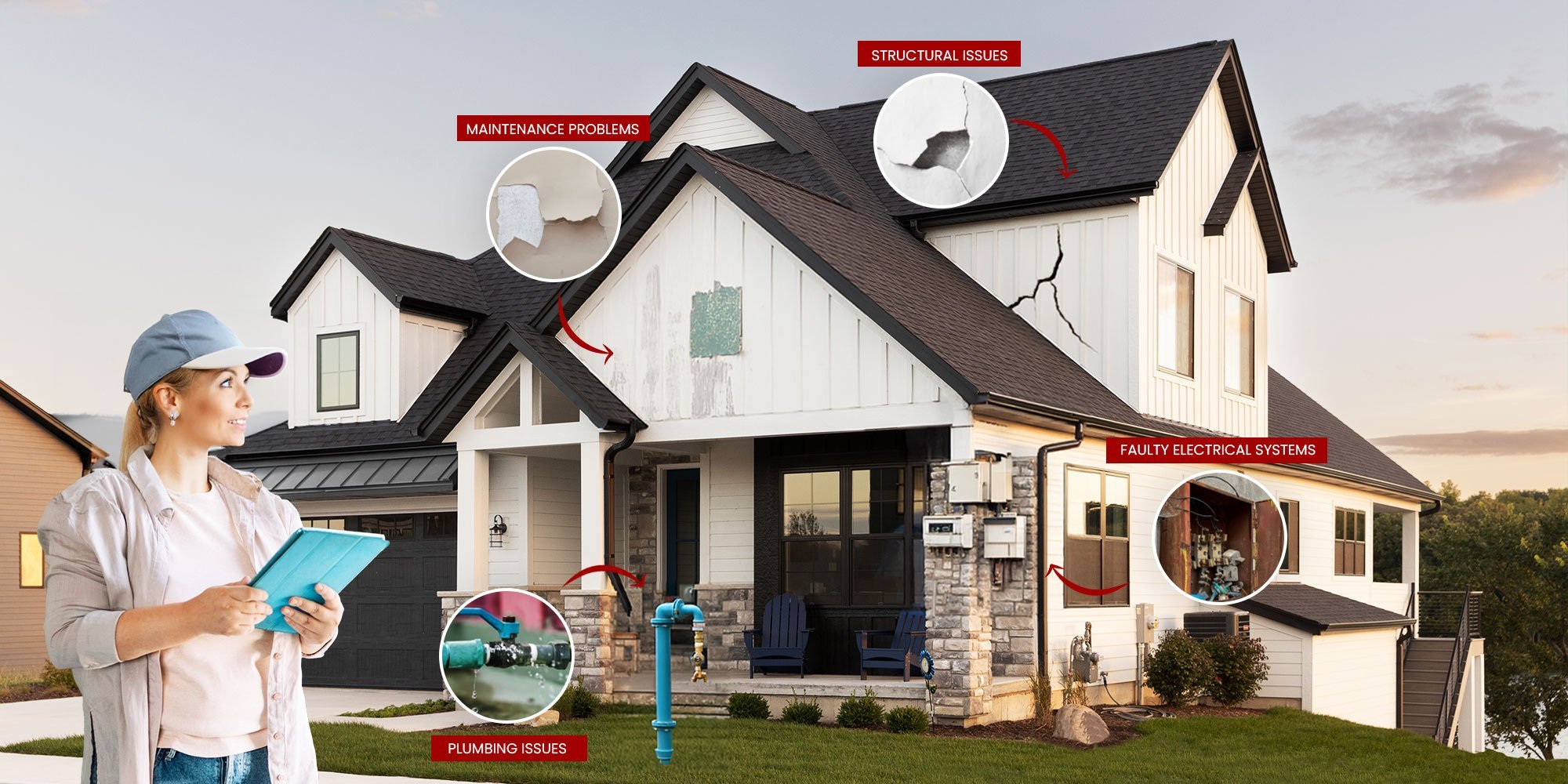
| What you observe | Likely cause | Buyer action |
|---|---|---|
| No egress window in a below-grade bedroom | Conversion done without a code-required emergency exit | Confirm with the inspector before closing; retrofitting egress can run into the tens of thousands |
| Kitchen or bathroom plumbing with no visible permit sticker or inspection record | Owner-installed work never inspected | Request the permit file directly from the building department, not just the seller |
| Separate electrical subpanel with unlabeled circuits | Unpermitted electrical work added for the second unit | Have a licensed electrician verify the panel before waiving the inspection contingency |
| Exterior door added to a bedroom with no corresponding permit | Retrofitted separate entrance for rental use | Ask directly whether the seller ever rented the space, and to whom |
An inspection report that flags two or more of these together is a strong signal the suite was never brought into compliance, whatever the listing calls it.
What happens if the suite was built without a permit? In most states, it stays an open liability: it likely won’t count in the appraisal, an insurer may deny a claim involving it, and a future sale can stall until it’s brought into compliance or removed. California is the notable exception, with a statutory path to legalize suites built before 2020 without a compliance penalty.
Financing and appraisal
Since October 8, 2025, Fannie Mae’s Selling Guide allows income from an existing ADU to count toward a borrower’s qualifying income, provided the property is a one-unit principal residence, the loan is a purchase or limited cash-out refinance, and the ADU income stays at or under 30% of the borrower’s total qualifying income. The lender documents the income with a Single-Family Comparable Rent Schedule (Form 1007) alongside the standard appraisal. Desktop Underwriter support arrives with version 12.1 in the first quarter of 2026, though lenders can already apply the rule manually.
| Loan / property scenario | How the ADU is treated | What it means for you |
|---|---|---|
| One-unit principal residence, purchase | ADU rental income countable, capped at 30% of qualifying income | Can materially increase how much home you qualify for |
| One-unit principal residence, limited cash-out refinance | Same 30% cap applies | Useful if you already own the property and want the income recognized |
| Cash-out refinance | Not eligible under the current rule | Don’t plan on pulling equity based on projected ADU rent |
| 2–4 unit property | ADU rules don’t apply; appraised under multi-unit guidelines instead | A “suite” on a duplex or triplex is a different underwriting conversation entirely |
Ask your loan officer directly whether their institution has adopted the manual-underwriting version of the rule yet: adoption timelines vary by lender even though the guide change is already in effect.
Can I use in-law suite rental income to qualify for a mortgage? Yes, on a one-unit principal residence bought with a purchase loan or refinanced with a limited cash-out refinance, up to 30% of your qualifying income, as of Fannie Mae’s October 2025 guide update. It doesn’t apply to cash-out refinances or to properties already classified as 2–4 units.
What it does to resale and rental value

Reliable data here is thinner than the marketing claims suggest. Federal Housing Finance Agency appraisal data for California puts the 2023 median appraised value of single-family properties with an ADU at roughly $1,064,000, against about $715,000 for comparable properties without one, with value growth running stronger for ADU properties over the 2013 to 2023 period the agency tracked.
For investors, the math runs through the same 30% qualifying-income cap described above, which limits how much an ADU can move the needle on an owner-occupied purchase loan. A pure investment property with no owner occupancy doesn’t qualify for Fannie Mae’s ADU-income rule at all, since it requires a principal residence; house-hacking one unit while renting the other stays the more common structure for buyers trying to use ADU income to qualify.
Does an in-law suite always add resale value? Not reliably. FHFA’s own data shows properties with ADUs appraising higher on average in California, but the agency stops short of calling this a clean, causal premium, since ADU properties tend to differ from non-ADU properties in other ways too.
Buying vs. building
If you can’t find a home with a legal suite already in place, building one in 2026 runs a national average of about $180,000, with a typical range of $40,000 to $360,000 depending on type and finish; a garage conversion averages closer to $110,000. That’s a separate project with its own permitting timeline, and this guide doesn’t walk through it step by step.
Insurance and cohabitation exposure
A detached in-law suite is typically covered under a standard homeowners policy’s “other structures” clause, which is usually capped at 10% of your dwelling coverage, often not enough to rebuild a fully equipped unit. Renting the suite to a non-relative on a lease generally requires a separate landlord policy. Renting to a family member on an informal, no-lease basis can leave both parties without clear protections if the arrangement ends in a dispute over who has the right to stay. Tell your insurer about the suite and its intended use before you close.
Comments