
What “for rent by owner” means in Cleveland
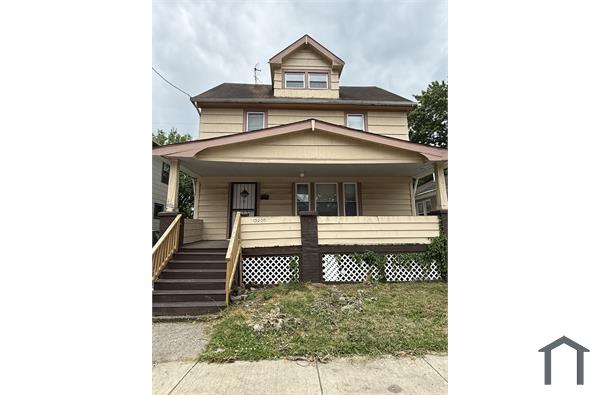
FRBO means the person you’re dealing with is the owner, not a leasing company or property manager, so there’s no institutional backstop if something goes wrong: no corporate complaints line, no standardized lease template, no company policy on deposits. That absence is what the rest of this page is built around.
Before you send any money: verifying the listing and the owner
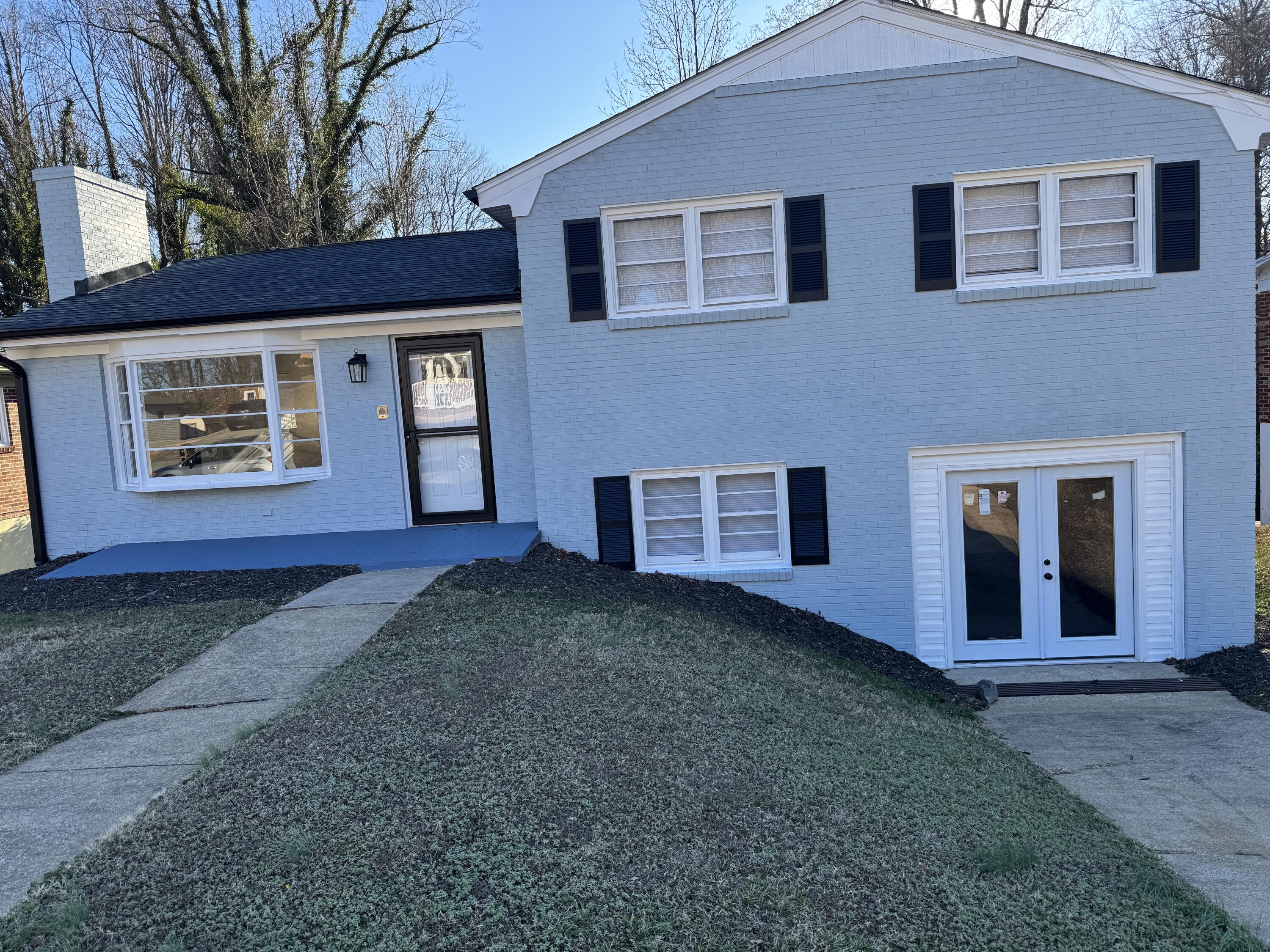
The Federal Trade Commission’s guidance on rental listing scams centers on payment method and sequencing. Anyone who insists on a wire transfer, gift card, or cryptocurrency before you’ve toured the unit is very likely a scammer, since those payment types can’t be reversed once sent. A rent well below comparable houses nearby, pressure to decide within hours, and refusal to show the property in person round out the pattern the FTC flags most often.
Two Cleveland-specific checks turn that general advice into something concrete. Run the address through the Cuyahoga County Fiscal Officer’s MyPlace property search, a free tool that shows whether the name on the listing matches the recorded owner. Then ask for the property’s Certificate Approving Rental Occupancy number before paying anything (the next section covers what that document actually requires).
| What to check | Why it matters | How to check it |
|---|---|---|
| Owner name matches public records | Scammers frequently list properties they don’t own or control | Search the address on Cuyahoga County’s MyPlace tool |
| Payment method requested | Wire transfers, gift cards, and crypto are irreversible once sent | Decline any such request before a signed lease |
| Certificate Approving Rental Occupancy number | Confirms the unit is legally registered to rent | Ask the owner directly; cross-check against the city’s rental registration portal |
| In-person or live video tour offered | Refusal to show the unit is a core FTC red flag | Insist on a tour before sending any money |
Is renting from a private owner in Cleveland safe? It carries more risk than a managed listing because no company backs the transaction, but the added step is concrete: run the address through Cuyahoga County’s MyPlace tool to confirm the owner’s name before you pay anything, and never pay before a tour.
What Cleveland legally requires of the owner
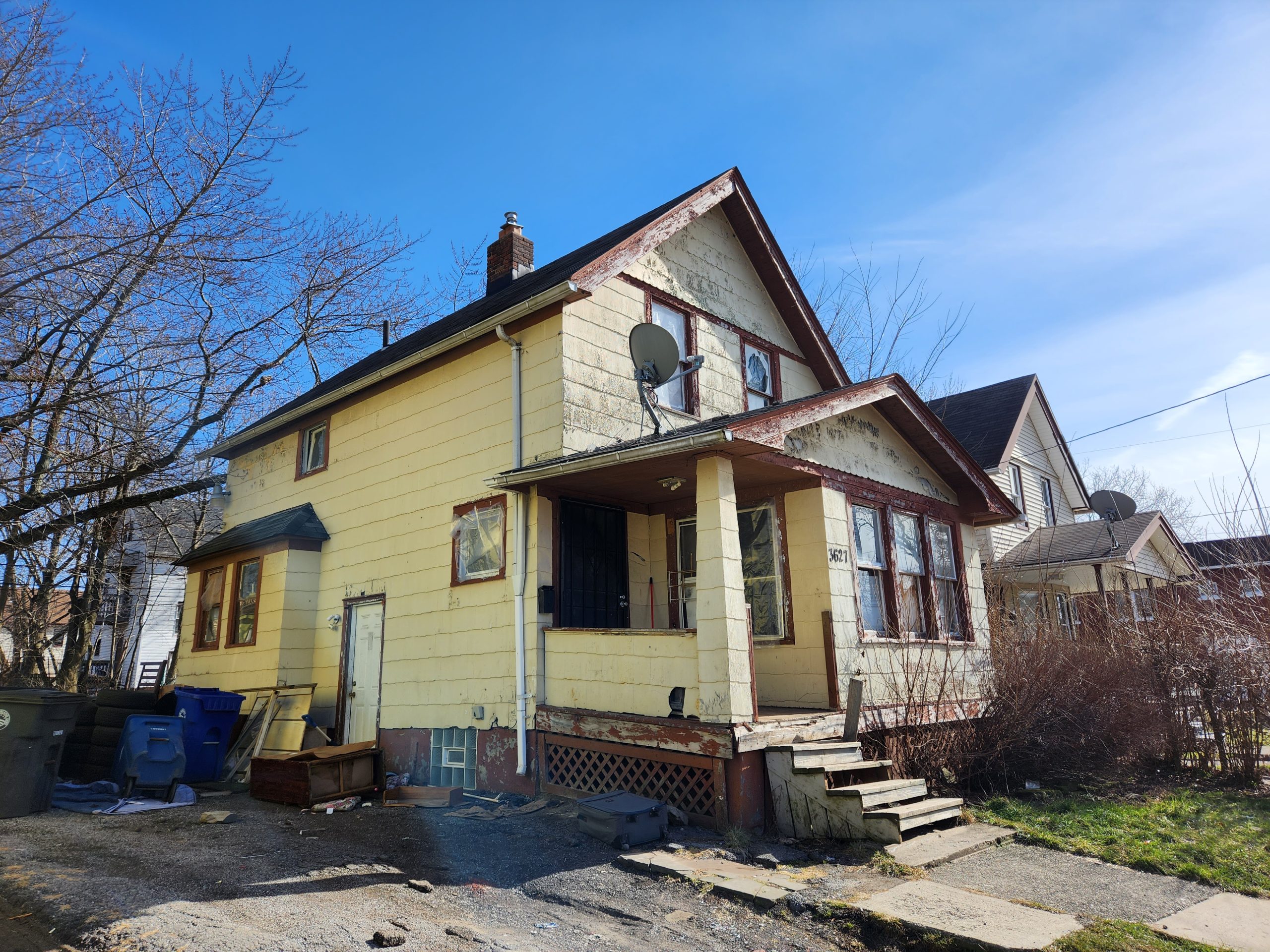
Since Cleveland’s Residents First legislation took effect, every owner of a non-owner-occupied residential unit in the city must register it and hold a Certificate Approving Rental Occupancy, at a fee of $70 per unit, capped at $30,000 a year for one owner. If the owner lives outside Cuyahoga County or an adjacent county, the city also requires a notarized Local Agent in Charge affidavit naming someone reachable locally. Lead Safe Certification is a prerequisite for the certificate, not an optional add-on.
None of this guarantees a good landlord. It gives a renter something specific to ask for, and something checkable if the owner refuses.
Does an individual landlord in Cleveland have to register the property? Yes, and Lead Safe Certification is required before the city will issue the Certificate Approving Rental Occupancy, on top of the base $70-per-unit registration fee.
How paying and documenting rent differs with an individual owner
- No tenant portal. Expect a check, money order, or occasionally cash rather than an automated online payment system with a built-in receipt trail.
- Ask for a receipt every time. Without a portal, the burden of proving “I paid” falls on you; photograph checks and keep any written confirmation.
- The deposit policy is whatever the individual sets, within the limits Ohio law imposes below, rather than a standardized company policy.
Ohio’s security deposit rules in plain terms
Ohio law doesn’t cap how much a landlord can charge as a deposit, but under Ohio Revised Code 5321.16, if it exceeds $50 or one month’s rent, whichever is greater, and you stay six months or longer, the owner owes 5% annual interest on the amount above that threshold, paid to you each year. After you move out, the owner has 30 days to return the deposit or send an itemized list of deductions. Miss that window without an itemized list, and the owner forfeits the right to keep any of it and may owe double the wrongfully withheld amount plus attorney fees.
Where to actually search, and why the counts don’t match
Rent estimates for Cleveland houses vary by platform because each pulls from its own listing pool on its own schedule. Rentimate.com puts a two-bedroom house at $1,359 and a three-bedroom at $1,386; Zumper’s most recent figure for the citywide house median sits at $1,450. Neither site publishes how many listings feed its average.
| Bedrooms | Approx. range | Source, date |
|---|---|---|
| 1 | ~$899 | Rentimate.com, Feb. 2026 |
| 2 | ~$1,359 | Rentimate.com, Feb. 2026 |
| 3 | $1,386 to $1,450 | Rentimate.com (Feb. 2026); Zumper citywide median (June 2026) |
| 4 | ~$1,537 | Rentimate.com, Feb. 2026 |
| 5 | ~$1,961 | Rentimate.com, Feb. 2026 |
Directory sites that filter for FRBO houses in Cleveland also disagree sharply with each other on how many are currently listed, sometimes by a factor of two or more, because each platform only shows what’s posted directly to it. Checking two or three platforms in parallel is more reliable than trusting one site’s count.
Why do different rental sites show different numbers of FRBO houses in Cleveland? Each platform indexes only the listings posted to it, not a shared citywide inventory. Check at least two platforms side by side rather than treating one site’s count as the full market.
Neighborhoods with more owner-operated rental stock
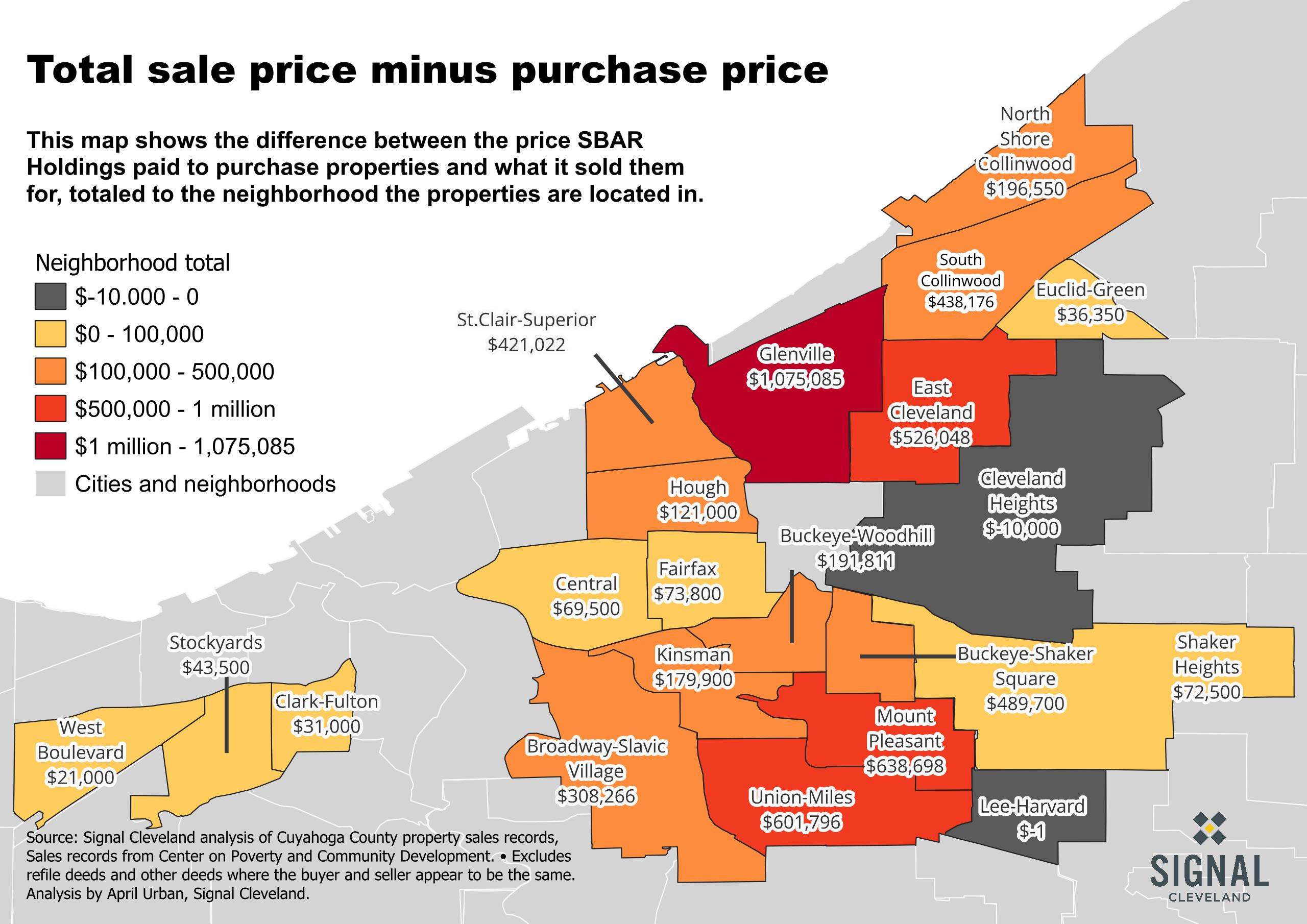
No public, dated dataset breaks Cleveland’s rental inventory down by owner-operated versus company-managed at the neighborhood level, so this page won’t manufacture one. Neighborhood-level rent averages do vary substantially across the city. Cross-checking a specific address on MyPlace tells you, property by property, whether you’re dealing with an individual owner or an LLC.
When FRBO isn’t the right fit
Cleveland has no citywide ordinance banning source-of-income discrimination, so an individual owner in the city can legally decline a Housing Choice Voucher; five nearby Cuyahoga County municipalities, including Cleveland Heights and University Heights, prohibit that refusal. A voucher holder searching within Cleveland proper should ask directly and early rather than assume a protection that doesn’t apply inside city limits. Renters who want a standardized lease, a company complaints process, or deposit handling through a portal may simply prefer a managed listing instead.
Do private owners in Cleveland accept Section 8/vouchers? It depends on the individual owner. Cleveland proper has no law requiring acceptance, though several adjacent suburbs, including Cleveland Heights and University Heights, do ban refusal.
Comments