
Finding Current Listings
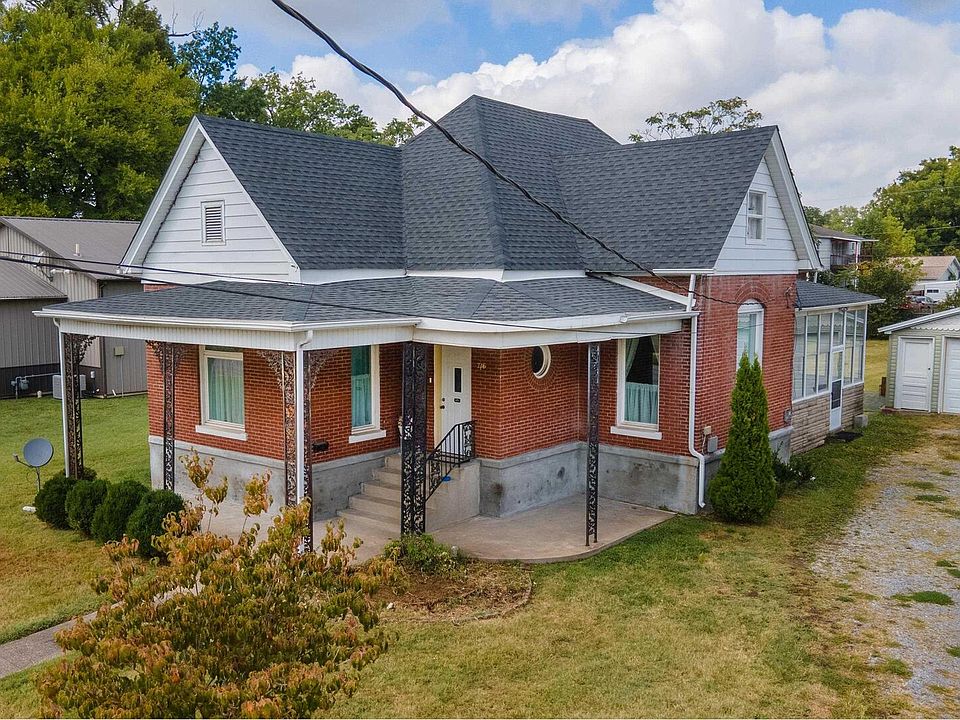
Because live inventory changes daily and no confirmed MLS feed is embedded here, the fastest path to what’s actually on the market in Marion right now is a direct MLS-connected search through a Williamson County REALTOR or a major portal’s Marion filter set by price, beds, and lot type. Filter for property type early: acreage and well-and-septic listings behave differently from in-town homes on city utilities, covered later on this page. New listings in Marion’s core zip codes typically appear on the local MLS within a day, so a saved search with instant alerts outperforms checking back manually.
What Homes Are Actually Selling For in Marion Right Now
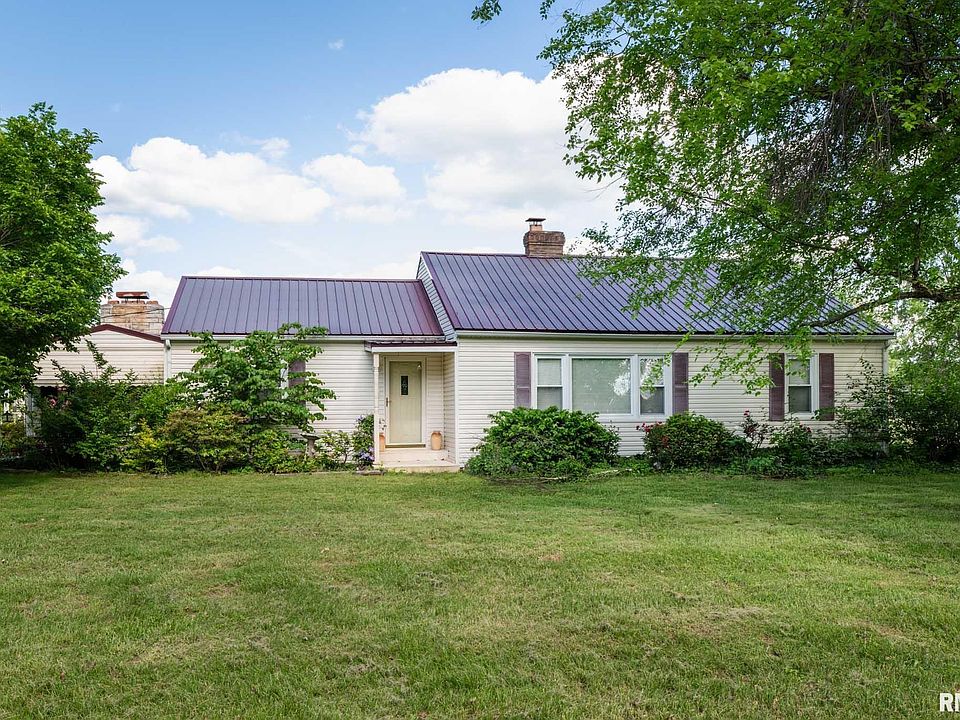
Redfin’s most recent monthly snapshot puts Marion’s median sale price at $213,000, up 16.4% from a year earlier, with the typical home selling in 99 days, down from 101 days the year before (see the callout above for why Homes.com’s figure differs). Citywide, average homes sell about 6% below list price and go pending in around 88 days; well-priced “hot” homes sell near list price and go pending in about 49 days. That is a different market from Marion County as a whole, which includes many smaller surrounding towns and posted a $126,000 median with 71 days on market in Redfin’s most recent county-level snapshot.
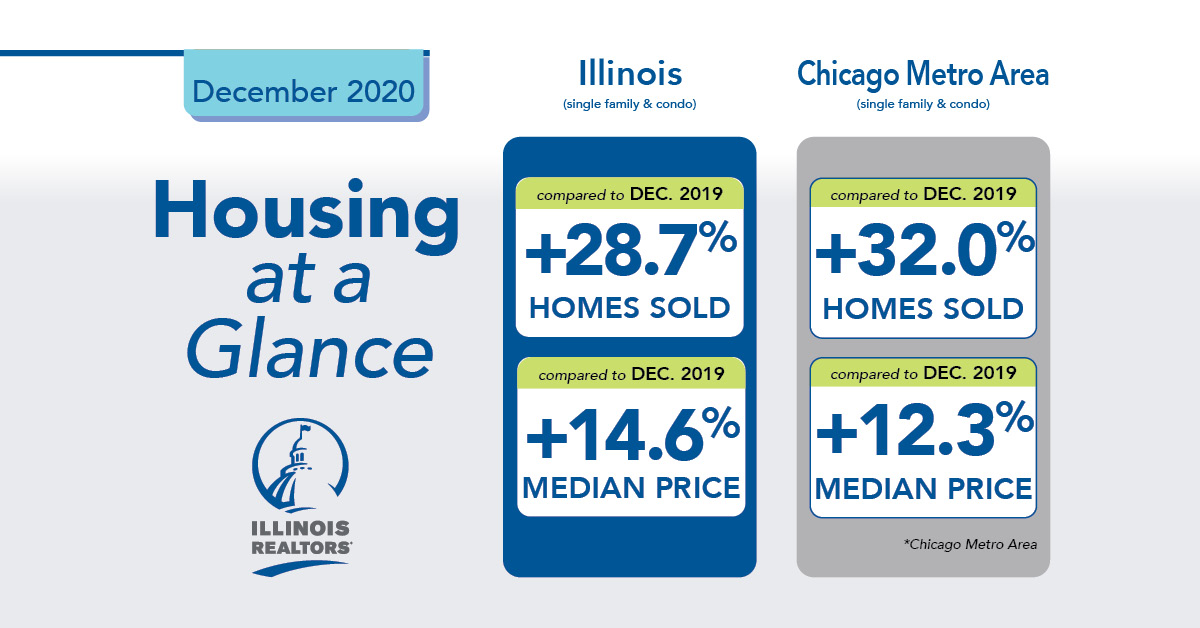
Zoom out and Marion’s $213,000 median works out to about 64% of the $333,814 median for Illinois overall, which was up 5.6% year over year and moving in 50 days as of Redfin’s statewide snapshot.
How fast are homes selling in Marion right now?It depends which snapshot is used: Redfin’s current figure is 99 days on average, dropping to about 49 days for well-priced “hot” homes; Homes.com’s figure is 238 days. Rural and acreage listings tend to sit closer to the higher end of that range, while move-in-ready homes in established in-town subdivisions tend to sell faster.
Neighborhoods and Areas Worth Knowing
Marion’s price and pace of sale vary more by subdivision and zip code than by the city as a whole, a layer none of the major portals structure clearly.
| Area / subdivision | Price position vs. city median | Notable trait |
|---|---|---|
| Spring Garden Estates | Generally near or above the city median | Wooded in-town lots, city utilities, no lake or acreage premium |
| Lake of Egypt / Egypt Shores | Above the city median for lake-view or lake-access lots | Private community boat-ramp access tied to a small annual association fee; well and septic common on undeveloped lots |
| Morningside area (near Lincoln Elementary) | Near the city median | Confirm the exact school-zone boundary directly with Marion CUSD 2, since lines shift |
| Rural Williamson County acreage | Wide range, often lower per square foot but higher for larger tracts | Well and septic standard; see the rural buying section below |
The lake-access rows carry a real premium and the rural row carries the widest spread, the opposite of how the city-wide median makes Marion look from outside.
What It Costs to Buy Here
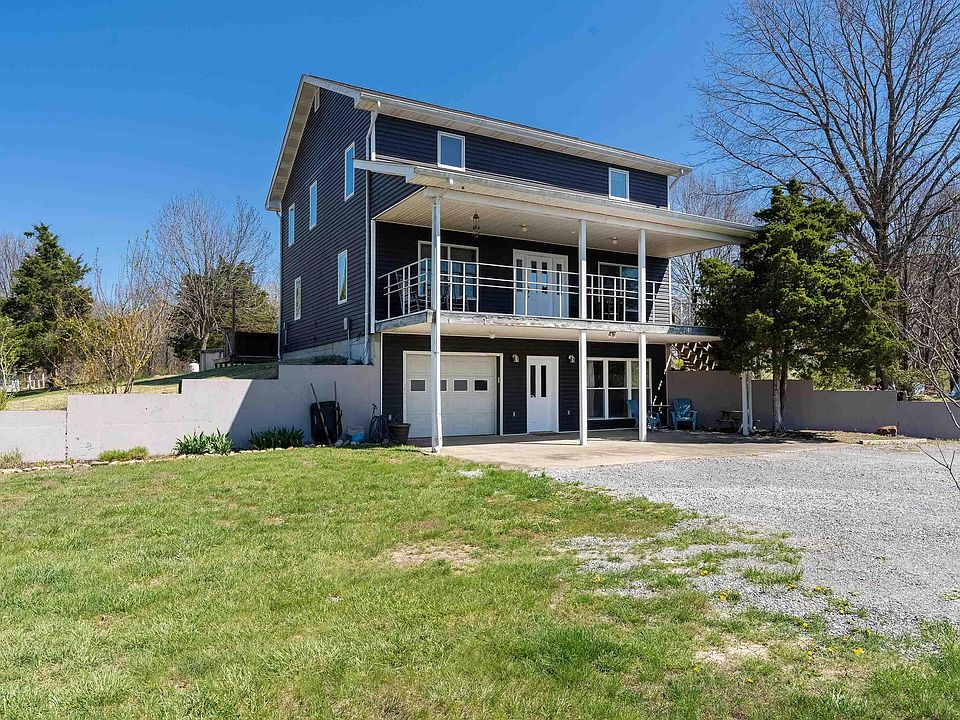
Illinois carries one of the highest effective property tax rates in the country at about 1.92% of home value statewide. Williamson County runs above that state average: third-party assessment trackers put the county’s median effective rate near 2.30%, meaning a $213,000 home would carry an estimated $4,900 annual property tax bill before any homestead exemption. Williamson County’s own equalization factor, set at 1.0300 for the current tax year, confirms that most property is assessed close to the state-mandated one-third of market value, so that estimate holds up against the county’s math as well as third-party trackers.
On top of the down payment, buyers should budget separately for closing costs. The CFPB puts typical closing costs at 2% to 5% of the purchase price, excluding the down payment, covering the appraisal, title search, title insurance, lender fees, and prepaid taxes and insurance. On a $213,000 purchase, that is close to $4,260 to $10,650 in cash due at closing beyond whatever the buyer puts down.
Financing a Home in Marion: VA, FHA, and Conventional Compared
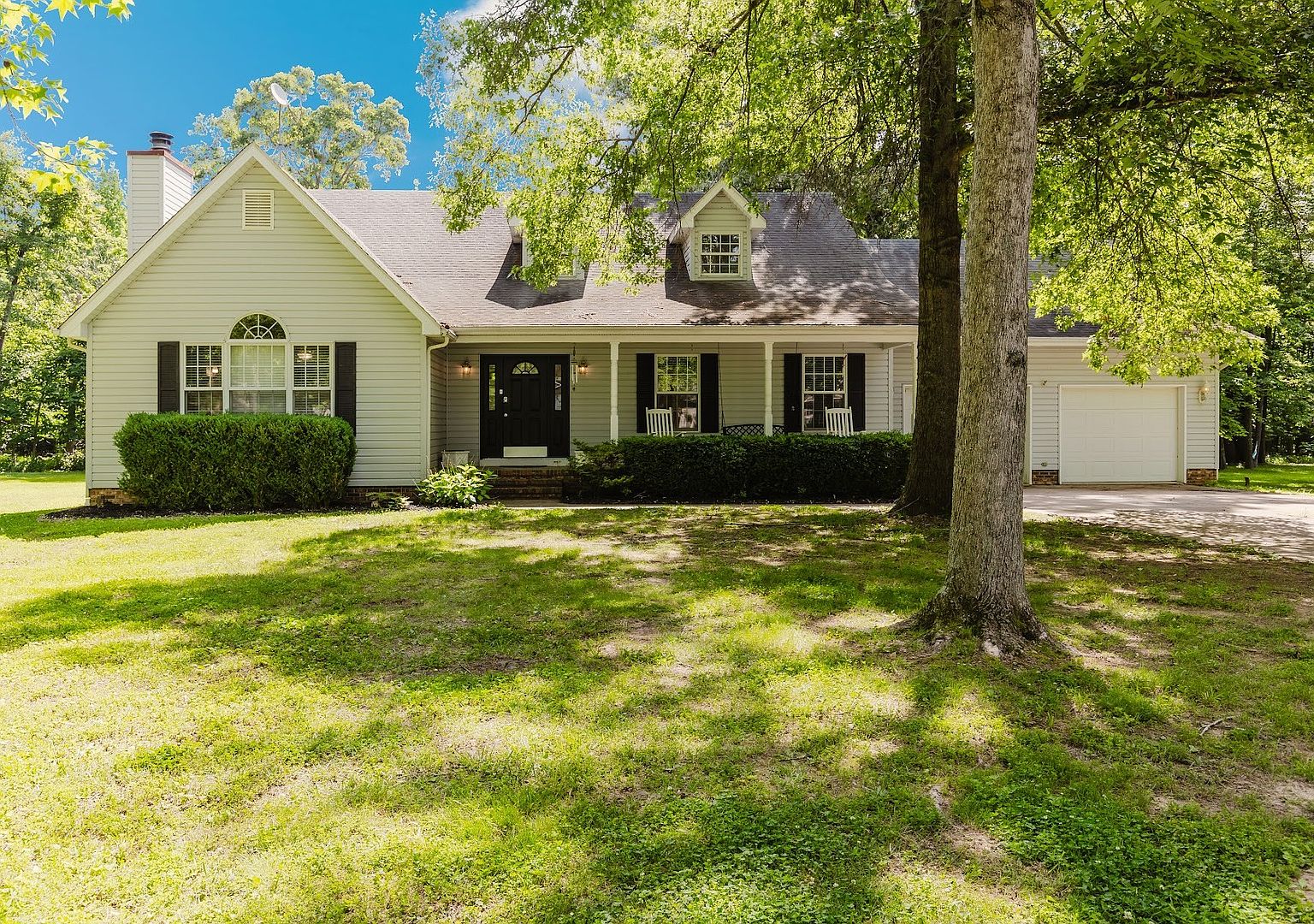
A veteran with full VA entitlement can finance 100% of a $213,000 Marion home with no down payment; a conventional buyer putting the standard 3% down needs $6,390 in cash before closing costs, and an FHA buyer at 3.5% down needs $7,455.
The figures below assume Freddie Mac’s most recent weekly average 30-year fixed rate of 6.49%, reported July 9, 2026, applied to a $213,000 purchase price for comparability across programs. Actual rates vary by lender, credit profile, and loan program.
| Program | Typical down payment | Est. monthly cost (P&I + program insurance) | Est. income needed* |
|---|---|---|---|
| VA, full entitlement | $0 (2.15% funding fee, usually financed; waived with VA disability compensation) | ~$1,374/mo | ~$40,200/yr at the VA’s 41% guideline |
| FHA, 580+ credit | 3.5% ($7,455) | ~$1,417/mo (includes upfront + annual MIP) | ~$39,500/yr at a 43% DTI ceiling |
| Conventional, 3% down | 3% ($6,390); PMI required until 20% equity | ~$1,425/mo (includes estimated PMI) | ~$38,000/yr at a 45% DTI ceiling |
| Conventional, 20% down | 20% ($42,600); no PMI | ~$1,076/mo | ~$28,700/yr at a 45% DTI ceiling |
*Income figures apply each program’s own published DTI ceiling to principal, interest, and program-specific mortgage insurance only. They exclude property tax, homeowners insurance, and other debt, so a real pre-approval will ask for more income than shown here.
The gap between the VA row and the 20%-down conventional row is the entire down payment, over $42,000 in this example, why VA-eligible buyers can move faster in Marion even when their offer price matches everyone else’s.
VA eligibility near Marion
Marion is home to the Marion VA Medical Center at 2401 West Main Street, a 55-bed acute-care hospital that opened in 1942 and now serves close to 43,722 veterans a year across 27 southern Illinois counties. Marion lenders and title companies handle VA closings routinely rather than as a rarity, and John A. Logan College, the community college in nearby Carterville, is one of the medical center’s nursing-training partners.
A veteran with full entitlement can finance up to whatever a lender approves with zero down, since the VA no longer imposes a loan limit on borrowers with full entitlement. A veteran with partial entitlement, meaning an existing VA loan not yet fully restored, is capped by the 2026 conforming loan limit of $832,750 for zero-down financing; above that, a down payment covering about 25% of the amount over the remaining entitlement is typically required. The funding fee is 2.15% of the loan amount on a first-time zero-down use and 3.3% on subsequent uses, usually financed into the loan.
Can I buy a rural property near Marion with a VA loan?Yes. VA loans cover rural and acreage purchases the same way they cover in-town homes, provided the property is the veteran’s primary residence and meets VA minimum property requirements. A well and septic system will need to pass their own inspection requirements before closing, covered in the next section.
Buying Rural or Acreage Property Near Marion
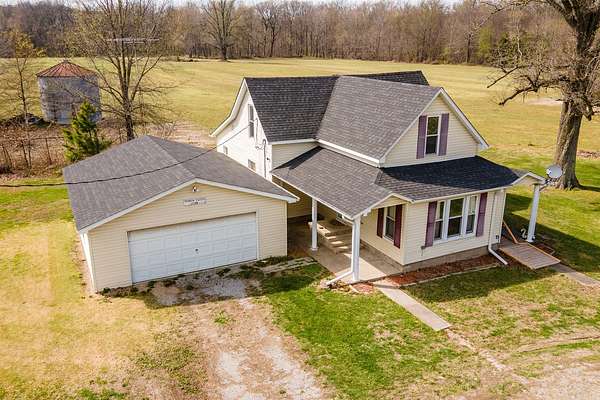
A meaningful share of the homes for sale around Marion sit outside city utilities on private wells and septic systems, and standard homebuying advice about inspections and timelines needs adjusting for them.
- Test the well before closing, not after. The EPA recommends testing a private well at least once a year for total coliform bacteria, nitrates, total dissolved solids, and pH, and testing immediately after any change in ownership or after flooding, land disturbance, or new construction nearby.
- Get the septic pumping history, not just a look at the tank. The EPA recommends a professional septic inspection every one to three years and pumping every three to five years. Ask the seller for pumping records instead of relying on a visual check, since most problems sit underground.
- Confirm financing eligibility for the specific parcel. VA and FHA loans both apply minimum property standards to the well and septic system as well as to the borrower, and an appraiser may require repairs before closing. Conventional loans have more flexibility, but lenders still want a satisfactory well and septic inspection in the file.
- Time the commute in person. Rural Williamson County parcels can add real drive time to the Marion VA Medical Center, downtown Marion, and John A. Logan College; a showing is a better test of this than a map.
What should I check before buying acreage or a well-and-septic property here?At minimum: a current well water test for bacteria and nitrates, septic pumping and inspection records from the seller, confirmation that the specific loan program accepts the property’s water and waste systems, and a drive-time check to work, the VA Medical Center, or school done in person rather than estimated from a map.
Flood, Wildfire, and Other Risk Factors to Check Before Buying
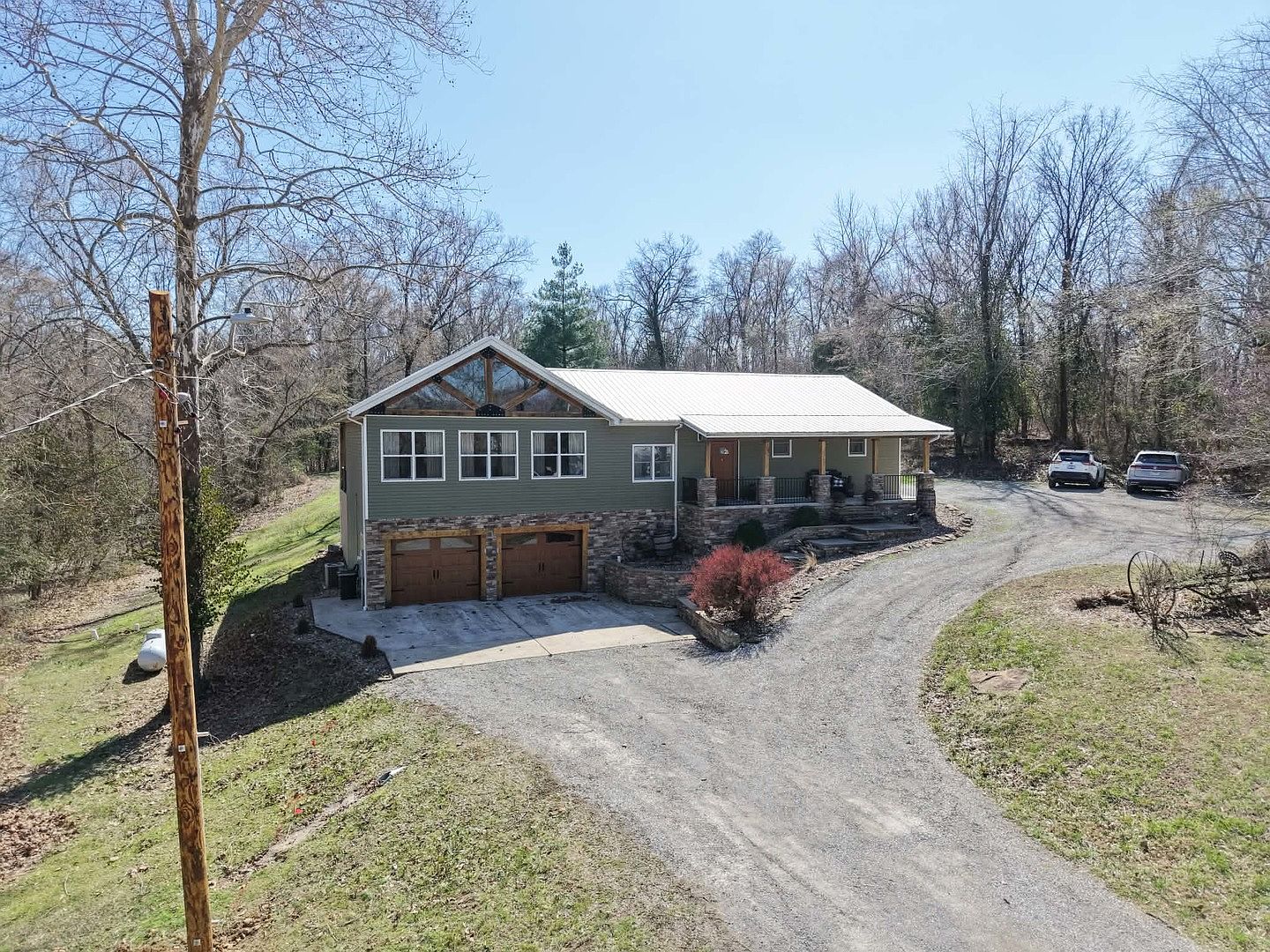
First Street’s climate-risk modeling, the same data Redfin licenses for its own listings, puts 21% of Marion properties at risk of flooding over the next 30 years and 60% at some risk of wildfire over the same period.
| Risk type | Share of Marion properties affected (30-yr) | Source |
|---|---|---|
| Flood | 21% | First Street / Redfin |
| Wildfire | 60%, rated moderate citywide | First Street / Redfin |
| Severe wind (hurricane, tornado, storm) | 97% at minor risk | First Street / Redfin |
| Extreme heat | 99% at major risk; days above 107°F projected up 185% in 30 years | First Street / Redfin |
Heat is the outlier here: Marion’s flood and wildfire shares look moderate next to national coastal and Western markets, but a 99% major-heat-risk rating means most homes in the area will see meaningfully more extreme-heat days by the 2050s, worth raising during a showing when checking cooling costs and HVAC age.
Is Marion at real risk of flooding?First Street’s data puts 21% of Marion properties at some flood risk within a 30-year window: below national high-risk coastal benchmarks, but meaningfully above zero, and rising more slowly than the national average. Flood insurance isn’t automatically required outside a FEMA-designated flood zone, but a buyer on a low-lying lot should ask specifically.
Common Mistakes Buyers Make in This Market
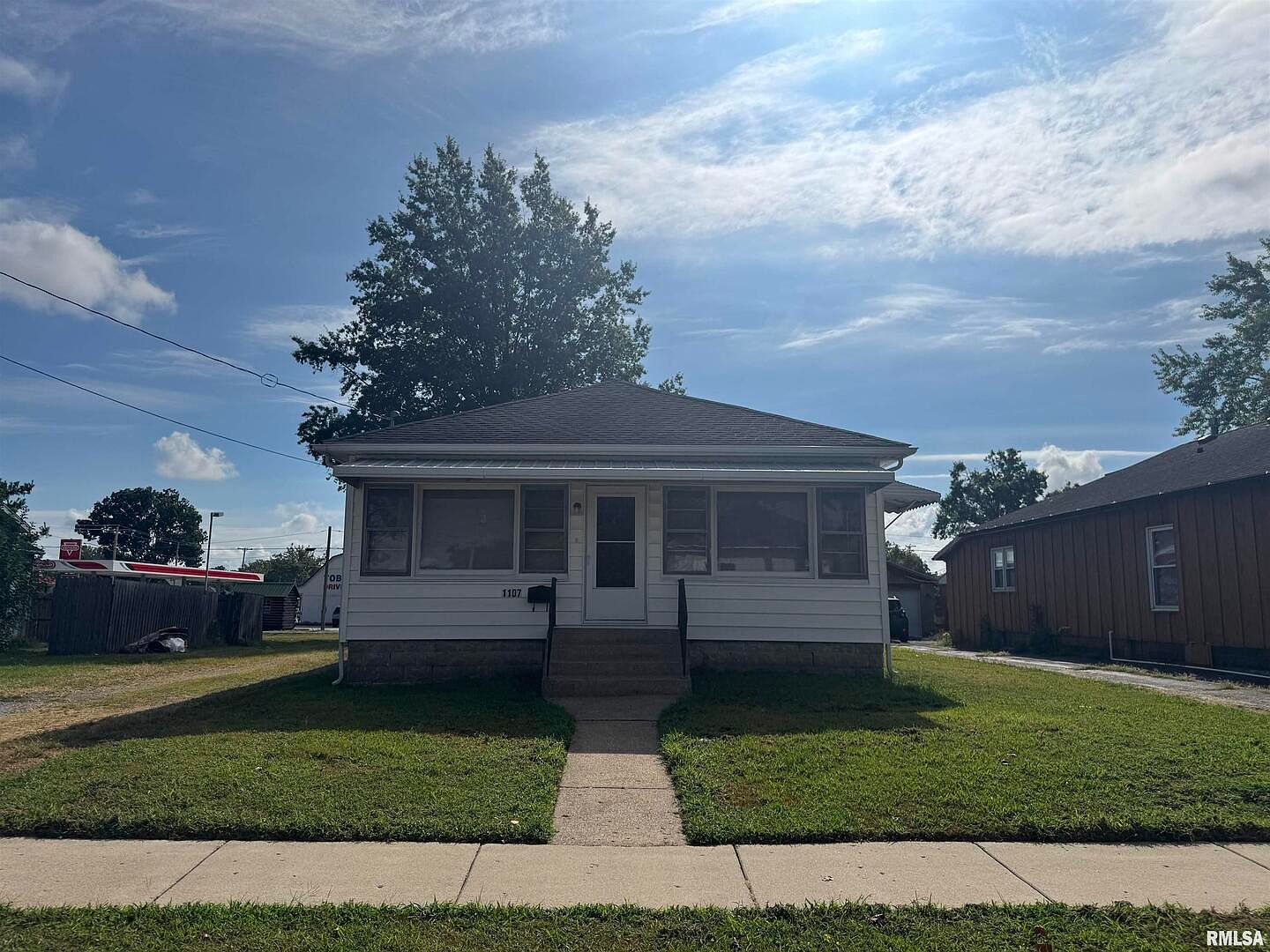
- Trusting a single portal’s price or days-on-market figure. Homes.com, Redfin, and Illinois’s own state data can disagree by tens of thousands of dollars and well over 100 days for the same city in the same month; ask an agent to pull the actual MLS comparables.
- Treating a well-and-septic property like a city-utility home financially. A failed drainfield can cost more to replace than a year of mortgage payments, well beyond the price of the inspection that would have caught it.
- Assuming VA financing works everywhere without checking the property. VA and FHA both apply minimum property requirements to the well, septic, and general condition, in addition to the borrower’s eligibility.
- Underestimating rural commute time. A parcel that looks ten minutes from downtown Marion on a map can run closer to twenty-five minutes on township roads, worth timing out in person before writing an offer.
Comments