
Who Can Own What: Condos, Houses, and Land
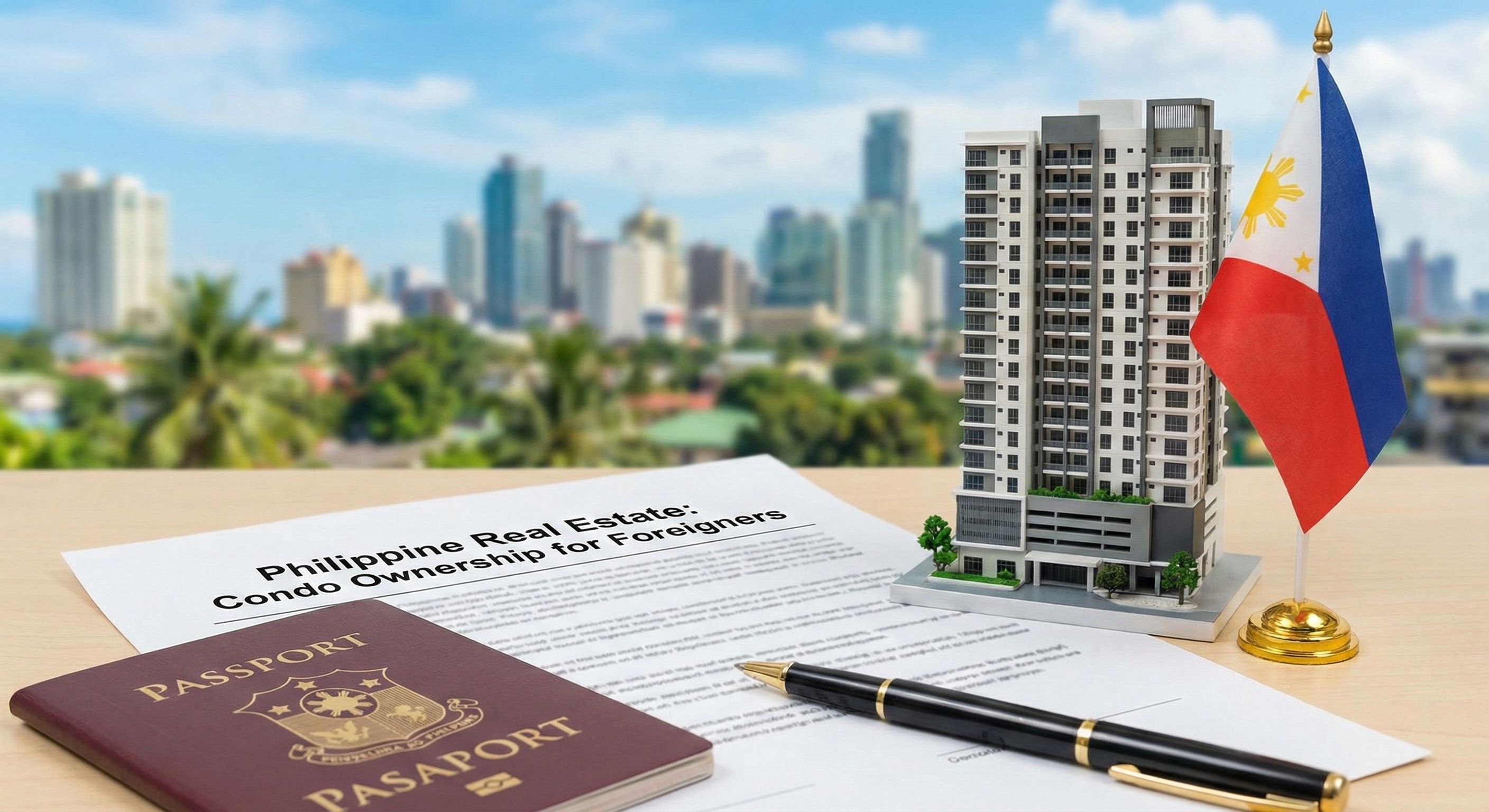
A US citizen, a British retiree, and a foreign spouse of a Filipino national all face different rules under the same law.
| Buyer type | Can own land | Can own condo unit | Structure required | Typical price band (Metro Manila reference) |
|---|---|---|---|---|
| Foreign national, no Filipino ties | No | Yes, up to the project’s 40% foreign quota | None for a condo; a corporation or lease for land | ₱3.5M to ₱7.4M condo |
| Former natural-born Filipino (dual citizen, RA 9225) | Yes, up to 1,000 sqm urban / 1 ha rural | Yes, no cap | Proof of former citizenship | Same as the Filipino market |
| Foreign spouse of a Filipino citizen | No; title sits with the Filipino spouse | Yes, subject to the 40% cap | Land titled solely in the spouse’s name | Varies by location |
| Filipino-majority corporation | Yes | Yes | SEC registration, 60%+ genuine Filipino equity | Investment/commercial scale |
| Qualified foreign investor under RA 12252 | Lease only, up to 99 years, not ownership | Not applicable | BOI/FIRB-registered project; tourism needs $5M minimum, with 70% infused within 3 years | Industrial/tourism scale, not a single home |
For a single foreign buyer without a Filipino spouse or corporate structure, the condominium route is the only one that reaches a Condominium Certificate of Title in their own name; every other row requires citizenship history, a spouse, or a formal 60/40 entity.
The 40% figure is a legal ceiling, not a guaranteed available quota. Developers and existing owners can fill a building’s foreign allocation well before the legal maximum, so the number of foreign-eligible units actually open for sale in a specific building is often lower than 40% of total floor area. This gap between the legal cap and practical availability is worth confirming in writing before making an offer.
Can a US citizen buy a house in the Philippines outright?No. A US citizen can own a condominium unit outright, capped at 40% foreign ownership per project under RA 4726, but the Constitution reserves land, and therefore a standalone house-and-lot, for Filipino citizens and Filipino-majority corporations.
What Buying Costs Beyond the Listing Price

| Cost item | Typical rate/amount | Who typically pays | When due |
|---|---|---|---|
| Capital gains tax | 6% of selling price or BIR zonal value, whichever is higher | Seller (customary; negotiable) | Within 30 days of the notarized deed |
| Documentary stamp tax | 1.5% of the higher of price or zonal value | Buyer (customary; negotiable) | Within 5 days after the month the deed was notarized |
| Local transfer tax | 0.5% to 0.75%; Cebu City charges 0.75% | Buyer | Typically within 60 days of notarization |
| Registration fee | About ₱11,000 to ₱15,000 on a ₱3,000,000 property, per the Supreme Court’s fee schedule | Buyer | At title registration |
| Broker’s commission | 3% to 5% of selling price | Seller (customary) | At closing |
On the ₱7,365,600 median Metro Manila house price BSP recorded for Q3 2025, these five items add roughly ₱830,000 to ₱1,010,000, before legal, notarial, or moving costs are counted.
Inheritance Is the One Land Exception
Hereditary succession is the one route by which a foreign national can end up holding an interest in Philippine land without a corporation, a spouse, or former citizenship. A foreign heir who inherits a condominium unit is exempt from the 40% cap calculation for that specific transfer. Land inherited intestate by a foreign heir passes to them directly, though banks and courts still require a certified extrajudicial settlement before the title clears. Selling that inherited property later triggers the same capital gains and documentary stamp taxes shown above.
What happens if I buy through a Filipino spouse or nominee?Buying through a Filipino spouse means the land title sits solely in the spouse’s name, a structure with real estate-planning consequences if the marriage ends. Buying through a nominee, a Filipino holding title on a foreigner’s behalf without genuine ownership, violates the Anti-Dummy Law and carries 5 to 15 years imprisonment for both parties, with forfeiture of the property or shares.
Financing: Who Qualifies and How
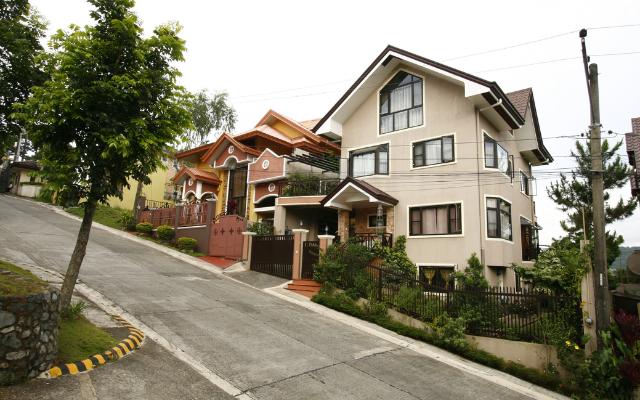
Philippine banks rarely lend to a foreigner who lives abroad; financing routes narrow sharply once residency and visa status enter the picture. A foreign national typically needs a long-term visa, such as a Special Resident Retiree’s Visa or a working visa, plus an Alien Certificate of Registration, to qualify for a local mortgage at all. BDO extends condo financing up to 80% of appraised value for foreigners holding a qualifying visa; UnionBank advertises up to 90% for holders of a valid ACR or SRRV; BPI’s condo-only cap for foreign applicants sits at 60% of appraised value. China Bank markets its HomePlus loan specifically to foreign condominium buyers, requiring proof of income, a valid visa, and a Philippine Tax Identification Number. Buyers who don’t qualify for a bank loan commonly turn to developer in-house financing, running 12% to 18% per annum once the zero-interest construction-period plan ends.
Do Philippine banks offer mortgages to foreign buyers?Some do, almost exclusively for condominium units and almost exclusively to foreigners who already hold Philippine residency documentation. A foreigner still living abroad, without a local visa on file, is unlikely to qualify no matter how strong their income looks on paper.
Where to Buy: A Regional Price Comparison
| Region | Median price, Q3 2025 | Trend note | Best suited for |
|---|---|---|---|
| NCR (Metro Manila), houses | ₱7,365,600 | NCR led national growth at 2.3% YoY | Buyers prioritizing CBD access over space |
| NCR, condominiums | ₱4,719,518 | Highest condo median nationwide | Foreign buyers using the 40%-cap condo route |
| Areas Outside NCR, houses | ₱3,164,000 | Grew 1.6% YoY nationally | Buyers wanting a house-and-lot on Filipino-titled land |
| Metro Mindanao, all housing types | ₱3,230,927 | Lowest entry point among BSP’s ten reporting strata | Investors prioritizing entry price |
| Nationwide, all housing types | ₱3,462,235 | Slowest annual growth since the index began in 2016, 1.9% YoY | Baseline reference |
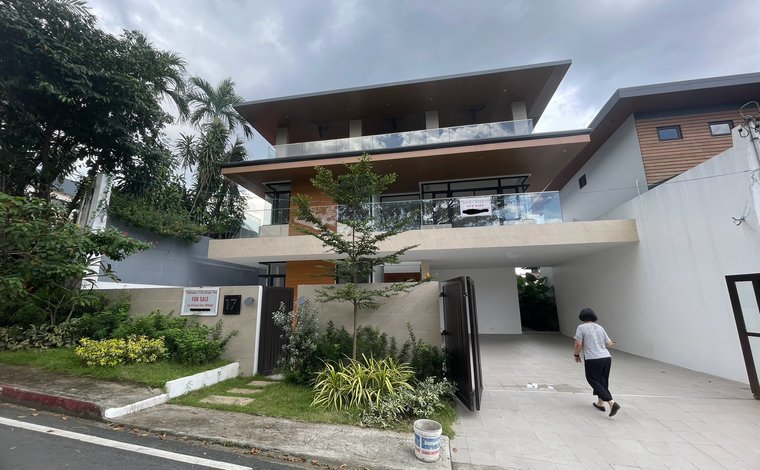
A house outside Metro Manila costs less than half the NCR house median, while an NCR condominium median sits closer to the nationwide house figure than to the NCR house figure itself. Metro Manila’s unsold condo inventory stood at 79,200 units at end-2025, with remaining inventory life falling to 6.8 years by Q1 2026 from a 13.4-year peak in mid-2025, oversupply that gives condo buyers real negotiating room in that segment.
Is Cebu or Metro Manila better value for investors?Metro Cebu posted double-digit quarterly price growth in Q2 2025, faster than the national average, from a lower entry point than Metro Manila. Metro Manila offers deeper liquidity and the largest foreign-eligible condo inventory, but Cebu currently combines a lower cost of entry with faster recorded appreciation.
Due-Diligence Mistakes That Cost Buyers Money
- Unverified title: confirm the Transfer Certificate of Title or Condominium Certificate of Title directly at the Registry of Deeds, not from a photocopy the seller supplies.
- Foreign quota already exceeded: get the condominium corporation’s current foreign-ownership percentage in writing before signing; a sale that pushes a building over 40% cannot be registered.
- Pre-selling risk: a developer’s License to Sell from the Department of Human Settlements and Urban Development confirms registration, not completion; check the developer’s track record on prior projects.
- Undisclosed HOA dues: request the latest statement of account; unpaid association dues can attach to the unit as a lien that follows the property, not the seller.
- Vague “as-is” disclosure: ask for a written list of known defects and recent maintenance records before waiving inspection.
- Nominee arrangements: never place land in a Filipino nominee’s name to bypass ownership rules; the Anti-Dummy Law applies to both parties in the arrangement.
Do I need a Philippine visa just to sign a purchase contract?No. Signing a deed of sale for a condominium unit doesn’t require any visa, and some buyers complete a purchase on a 30-day tourist entry. What a visa changes is everything downstream of signing: opening a local bank account, wiring funds smoothly, and qualifying for financing all get harder without an Alien Certificate of Registration or a longer-term visa on file.
Which Path Fits Your Situation
- Foreign retiree without a Filipino spouse: the condominium route, checked against the building’s current foreign-ownership percentage, is usually the only clean path to a title in your own name.
- OFW or balikbayan who reacquired Filipino citizenship under RA 9225: land ownership opens up, subject to BP 185/RA 8179’s caps of 1,000 sqm urban or 1 hectare rural.
- Domestic Filipino investor: none of the foreign-ownership caps apply; the decision is mostly the cost table and regional data above.
- Foreign spouse of a Filipino citizen: the land title sits solely in the Filipino spouse’s name; plan the estate and any future separation scenario with a lawyer during the purchase decision.
- Agent sourcing for a foreign client: verify which route applies (condo cap, dual citizenship, spouse, or corporation) before showing house-and-lot listings the client cannot legally close on.
Comments