
This Is Brooklyn, Indiana, Not the Borough
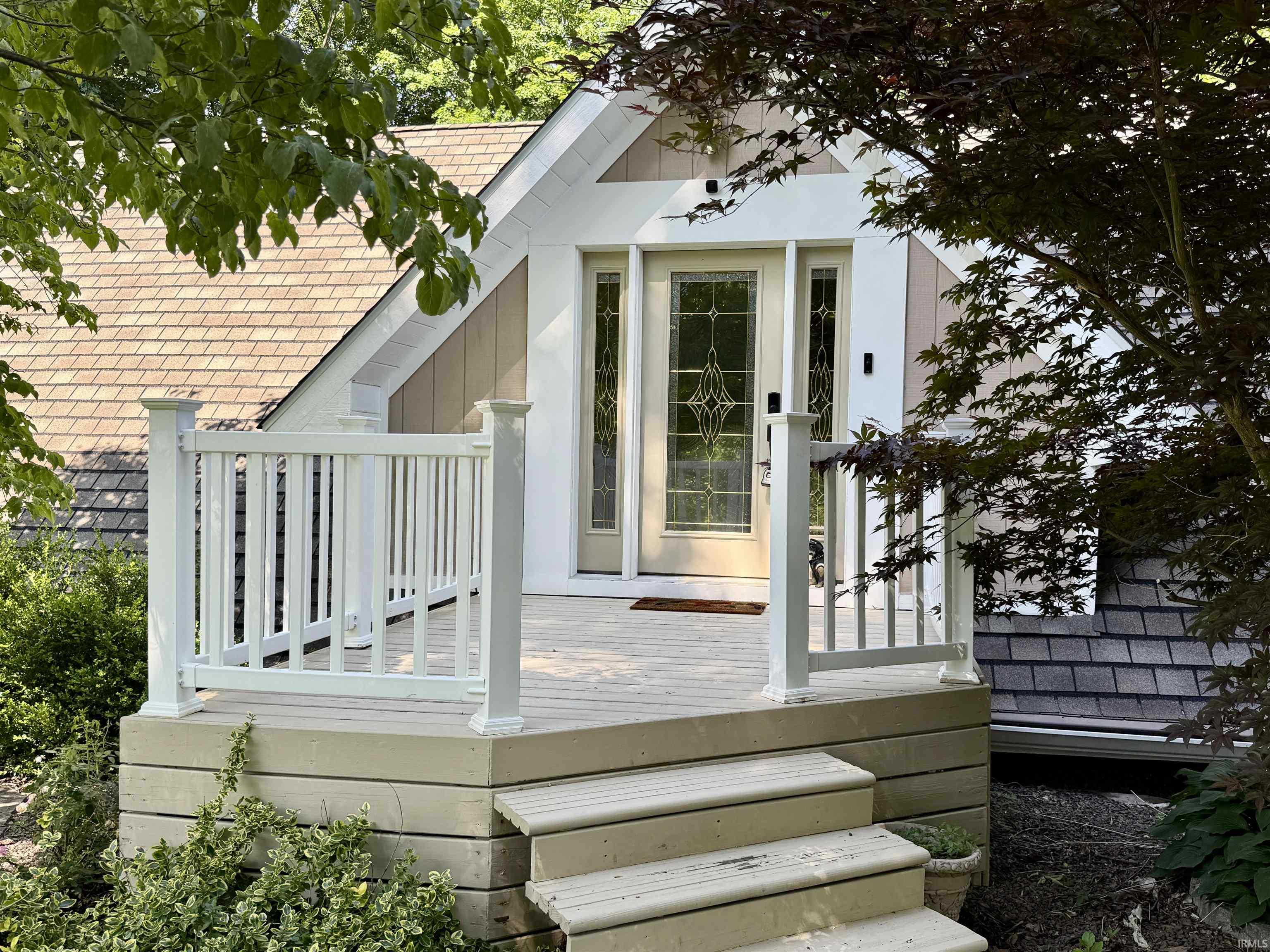
If you typed this search expecting brownstones, you’re one search result away from the wrong Brooklyn. This one is a small Morgan County town, laid out well before the borough became a byword for anything. It sits in Clay Township, and that township happens to straddle three ZIP codes: 46111 (Brooklyn itself), 46151 (Martinsville), and 46158 (Mooresville). That’s the reason a search for “homes in Brooklyn, IN” on any national portal will also surface addresses that say Mooresville or Martinsville: the matching radius isn’t wrong, the town boundary and the ZIP boundary just aren’t the same shape. A property a mile outside Brooklyn’s own limits can carry a neighboring town’s mailing address while still sitting inside the same township, the same school attendance zone, and the same rough commute.
Is this the same Brooklyn as in New York?No. This is a town of roughly 2,500 people in Morgan County, Indiana, part of the Indianapolis metro area, unrelated to the New York City borough beyond sharing a name.
Why the Home-Value Numbers You’ll Find Don’t Match
Two publicly available estimates for the surrounding county land in different places, and the gap is worth understanding before you anchor on either one. The Census Bureau’s American Community Survey puts Morgan County’s 2024 median property value at $237,600, built from what owners across the whole county report their homes are worth, including people who bought decades ago. A separate automated valuation model from Zillow puts the county’s average home value at $290,699, built from a different methodology entirely. Neither number is wrong; they’re measuring different things (a self-reported median across all owners against a computed average that leans on recent comparable sales), and a $53,000 gap between them at the county level is a reasonable warning against treating any single “typical price” figure as precise at the town level, where Brooklyn’s own sample is far smaller than the county’s.
Why do the value estimates I see online not match?Because they measure different things. Government survey data reflects what all owners report their homes are worth, including long-term owners; automated valuation models weight recent sales more heavily. Expect them to disagree, sometimes by a wide margin, especially in a town this small.
Schools: Brooklyn STEM Academy and the Martinsville District
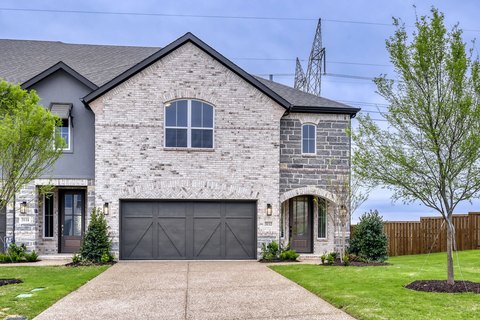
Grade-school children in Brooklyn attend Brooklyn STEM Academy, a K–6 school inside town limits, part of the Metropolitan School District of Martinsville. Older students move to John R. Wooden Middle School and Martinsville High School, about 8 miles away in Martinsville proper; Martinsville High School received an ‘A’ rating from the Indiana Department of Education in the 2017–18 school year. Districtwide, 98% of MSD Martinsville teachers are licensed and the student-to-teacher ratio is 14:1, both better than the state average; the district spends $12,157 per student annually.
Brooklyn STEM Academy has held Indiana Department of Education STEM certification since the 2016–17 school year, a status the school must reapply for and requalify every five years.
Commuting to Indianapolis and Bloomington
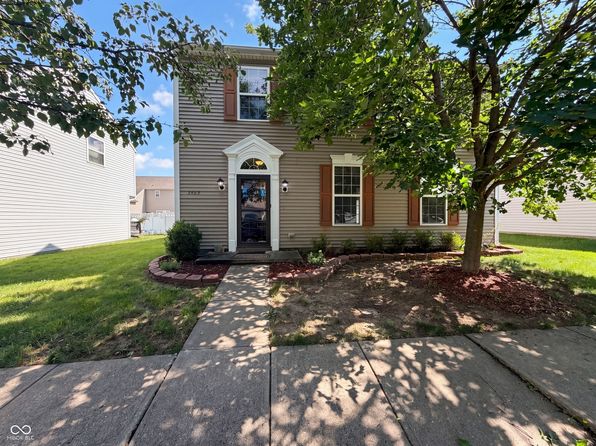
The average commute for Brooklyn residents runs 31.2 minutes. About 722 workers commute into Brooklyn from outside Morgan County or Indiana entirely, evidence this functions as a bedroom community as much as a standalone town. Roughly one in ten residents commutes under 5 minutes; about 7% commute 90 minutes or more.
Buying Land or a Rural Parcel Near Brooklyn
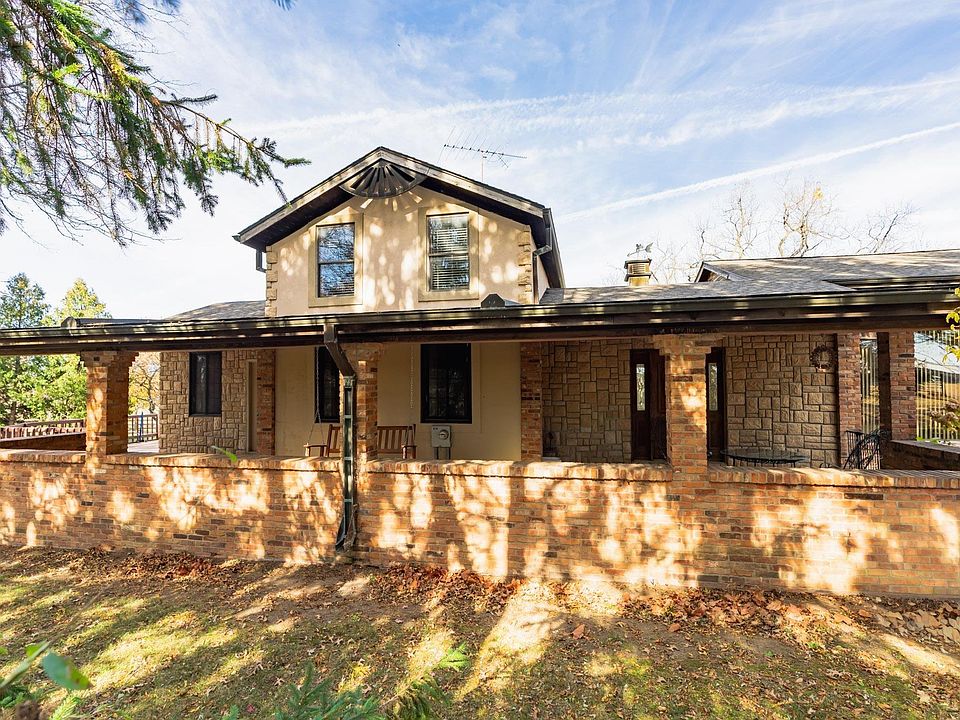
Inside Brooklyn’s town limits, the town itself runs the utilities: electric, water, sewer, trash, and stormwater are all billed by the Town of Brooklyn, with meters read on the 15th of each month and payment due by the 15th. That means a property with a Brooklyn address and inside the actual town boundary is very likely on municipal water and sewer already, not well and septic. The well-and-septic question becomes relevant once you move outside the incorporated boundary into the surrounding, unincorporated parts of Clay Township, where county rules rather than town utility service apply. Before making an offer on any parcel described as “near Brooklyn” rather than plainly inside it, confirm with the seller’s agent or the county whether the lot is inside town limits or in the township proper, since that single fact determines which utility rules govern the property.
Does this property have city water and sewer?If the address is genuinely inside Brooklyn’s town limits, almost certainly yes, since the town bills for both directly. Outside the limits, in the surrounding township, assume well and septic until an agent or the county confirms otherwise.
Financing: Conventional, FHA, and USDA Rural Development
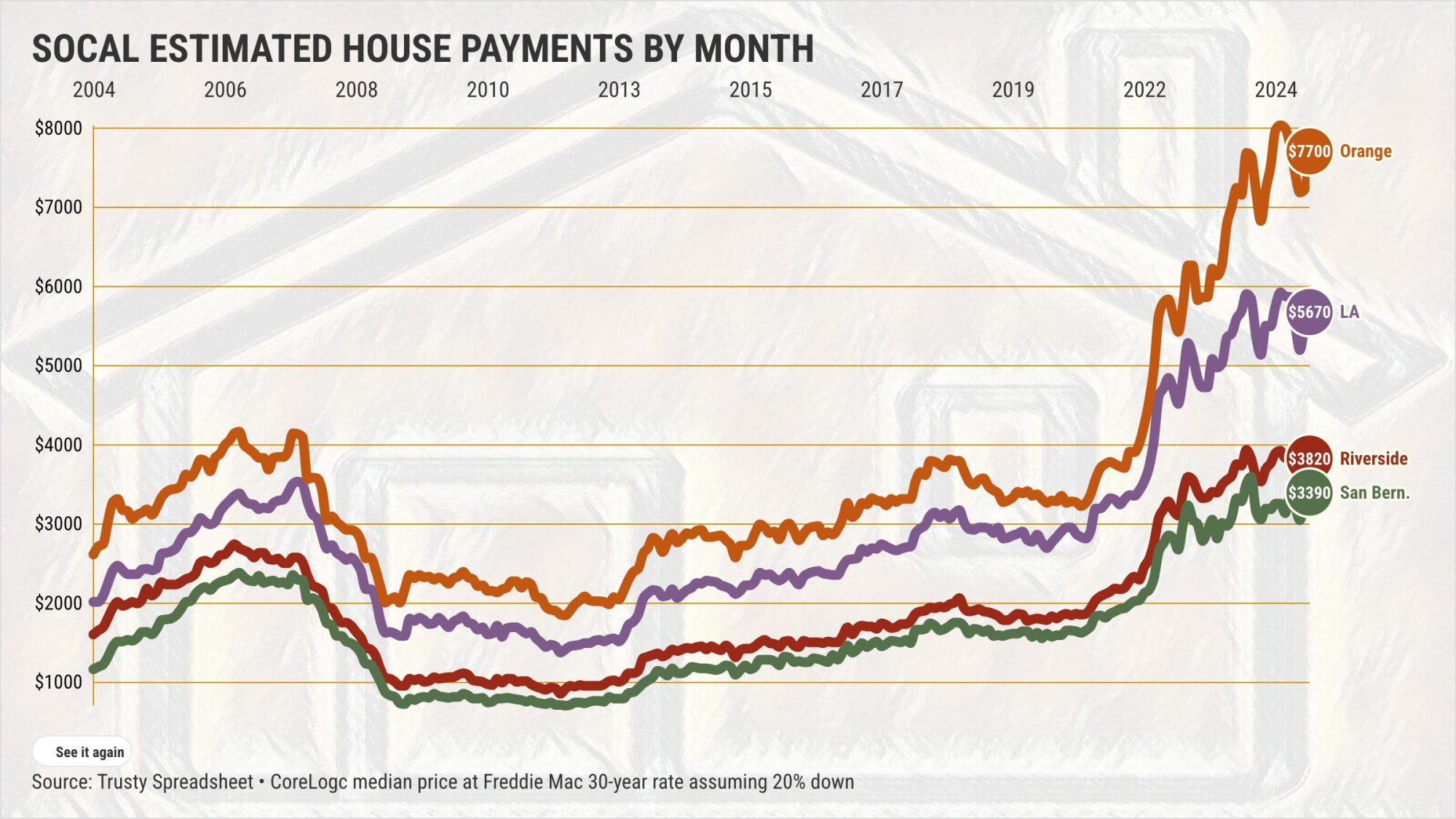
USDA Rural Development loans, which can require no down payment, are restricted by law to areas that aren’t a city or town of more than 50,000 people plus its adjoining urbanized area. Brooklyn’s population of roughly 2,500 puts it nowhere near that threshold, but USDA eligibility is drawn as a specific map polygon, not a town-limit line, so confirming any individual address on the official eligibility map before assuming a USDA loan applies is a five-minute step worth taking, not an afterthought.
| Loan type | Minimum down payment | Best fit |
|---|---|---|
| Conventional | Typically 3% to 20%, set by the individual lender | Buyers with stronger credit and savings who want to skip mortgage insurance sooner |
| FHA | 3.5% (FICO 580+) or 10% (FICO 500 to 579) | First-time or lower-credit buyers who want federally insured flexibility, per HUD |
| USDA Rural Development | 0%, subject to area and income eligibility | Buyers on an eligible rural parcel who qualify under income limits |
A USDA loan’s zero-down advantage depends on two separate checks passing, not one: the address must clear the rural-area map, and the borrower’s income must clear USDA’s own limit for the county.
Is Brooklyn, IN eligible for a USDA loan?The town’s small size puts it well within the rural population threshold USDA uses, but eligibility is drawn address by address on USDA’s official map, so confirm the specific parcel there before counting on it.
Buying as an Investor
A town of 2,500 people with a $119,000 median value against a $237,600 county median is the kind of gap that draws land-and-hold and fixer-resale interest. Investors weighing a Brooklyn purchase should treat any online value estimate as a starting range rather than a number to underwrite against, and should pull actual comparable closed sales for the specific block or road in question instead of relying on town-wide averages. The small population also means the local pool of comparable sales is thin: a single closed sale can move a “typical price” reading noticeably in either direction.
Is Brooklyn, IN a good area for investors?It has below-county pricing and steady bedroom-community commuting, but the small number of annual sales means value data is noisier here than in a larger market; verify with local comparables rather than town-wide averages.
Common Mistakes Searching This Market
- Trusting one portal’s listing count. Different sites match different boundaries around “Brooklyn,” so counts of 7, 9, or 10 homes across three sites aren’t contradictory, they’re using different radii.
- Assuming well and septic on every rural-sounding listing. Confirm town-limit status first; in-town properties are almost always on municipal utilities.
- Skipping the USDA eligibility check because the area “looks rural.” The map, not the zip code, is the authority.
- Confusing this town with the New York City borough when reading market commentary, forecasts, or price context online.
Where to See Live Listings
Because inventory here changes by the day and any static number in this article will be stale within a week, search directly on a current MLS-fed portal for up-to-the-minute listings, rather than relying on any snapshot published here or elsewhere.
Comments