
Mobile Home or Manufactured Home
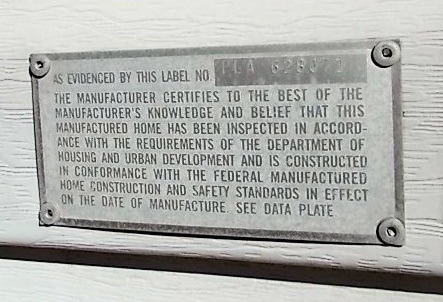
Federal law drew a hard line on June 15, 1976: homes built after that date must meet the Manufactured Home Construction and Safety Standards, commonly called the HUD Code, and carry a red certification tag on each section, according to HUD.gov. Homes built before that date are mobile homes in the strict legal sense; homes built after it are manufactured homes, though most people still use the two terms interchangeably in everyday conversation. For a renter, the distinction mainly resurfaces at financing and insurance time, both covered further down this page.
How a Mobile Home Rental Can Be Structured
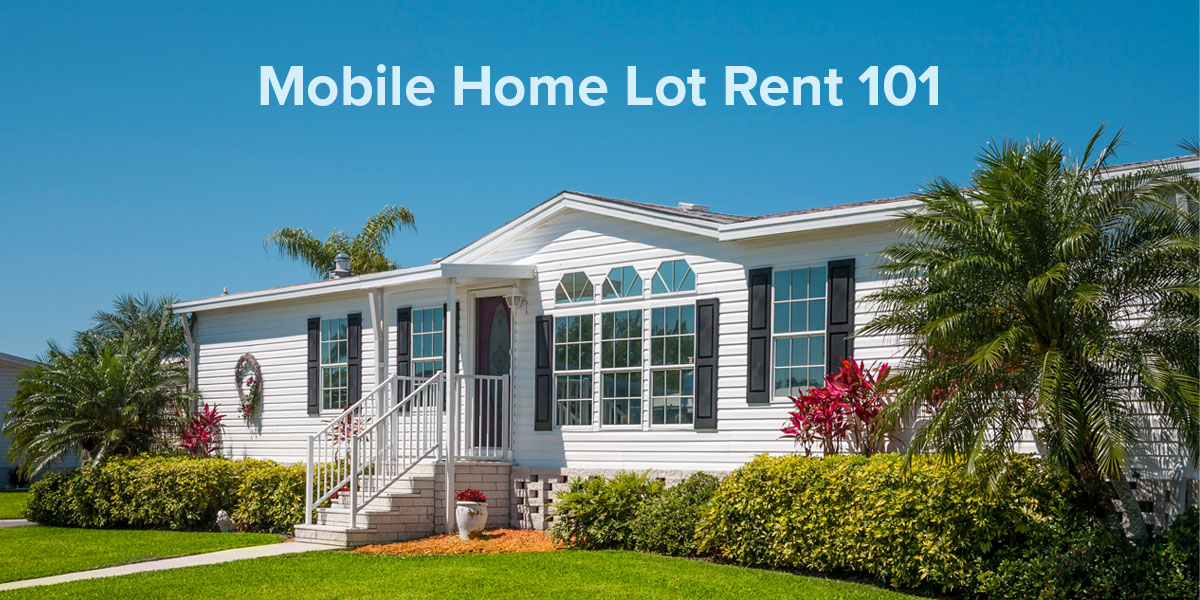
Four arrangements cover almost every situation, and which one applies changes who is responsible for what.
Home and lot, both rented from a community
The landlord owns the home and the land; the tenant pays one combined bill and is governed by ordinary residential landlord-tenant law, not the specialized manufactured-home-park statutes described below.
You own the home, you rent only the lot
The homeowner pays lot rent to the community owner and is covered by the state’s manufactured-home-park statute (see the table further down), which typically gives the homeowner stronger protection against no-cause eviction than a straight renter has.
Renting directly from a private owner on land the owner controls
No community rules, no shared amenities, and no park-closure statute; the arrangement runs on the same landlord-tenant law that governs a single-family rental house.
Rent-to-own
A portion of each payment is credited toward an eventual purchase, usually under a separate contract layered on top of the lease.
Choose rent-to-own if you plan to stay in the same community for several years and want a documented path to ownership; choose a straight rental if you are testing the lifestyle, expect to relocate for work, or are not ready to take on chattel-loan financing (the financing section below explains why that loan type matters).
| Arrangement | Who owns home / land | Typical cost profile | Best for |
|---|---|---|---|
| Home + lot, rented from community | Landlord owns both | One combined monthly payment | Short-term renters, first-time mobile-home living |
| You own home, rent lot only | Tenant owns home, landlord owns land | Lot rent only, plus home upkeep | Existing owners relocating or downsizing |
| Private owner, private land | Landlord owns both, no park | Negotiated directly, no amenity fees | Rural settings, longer-term tenants who want fewer shared rules |
| Rent-to-own | Transitional | Rent plus an equity-building component | Renters committed to buying in that specific community |
Can I rent out a mobile home I own if I don’t own the land under it?
Yes. You sublease or lease the home itself while continuing to pay lot rent to the community as the homeowner of record. Most community rules require you to notify management and get the new occupant approved, since the community is still leasing the land to you, not to your tenant.
What Renting a Mobile Home Costs Today
The one nationally tracked, dated figure is lot rent: $752 a month on average in the second quarter of 2025, per Northmarq, against national occupancy of 94.9 percent. On the purchase side, which matters for anyone weighing rent-to-own or buy-to-rent, the average price of a new manufactured home in 2025 was $115,557, split between $156,170 for multi-section homes and $95,074 for single-section homes, while the average resale price of an existing manufactured home was $73,326, according to MHInsider’s 2025 industry data.
| Cost item | Typical figure | What it depends on | Who pays |
|---|---|---|---|
| Lot rent (land only) | $752/month national average, Q2 2025 | Region, occupancy, amenities | Renter or homeowner-in-place |
| Combined home + lot rent | No verified national figure published | Local market, home size | Renter |
| New manufactured home, purchase | $115,557 average (2025) | Single- vs multi-section | Buyer |
| Existing manufactured home, resale | $73,326 average (2025) | Age, condition, location | Buyer |
| Community occupancy (context for negotiating) | 94.9% national, Q2 2025 | Region | N/A |
Land rent is the only line item here with a dated national figure behind it; every other flat rent number circulating for this market is a local estimate, not a verified average.
The Tenant’s Process, Compressed
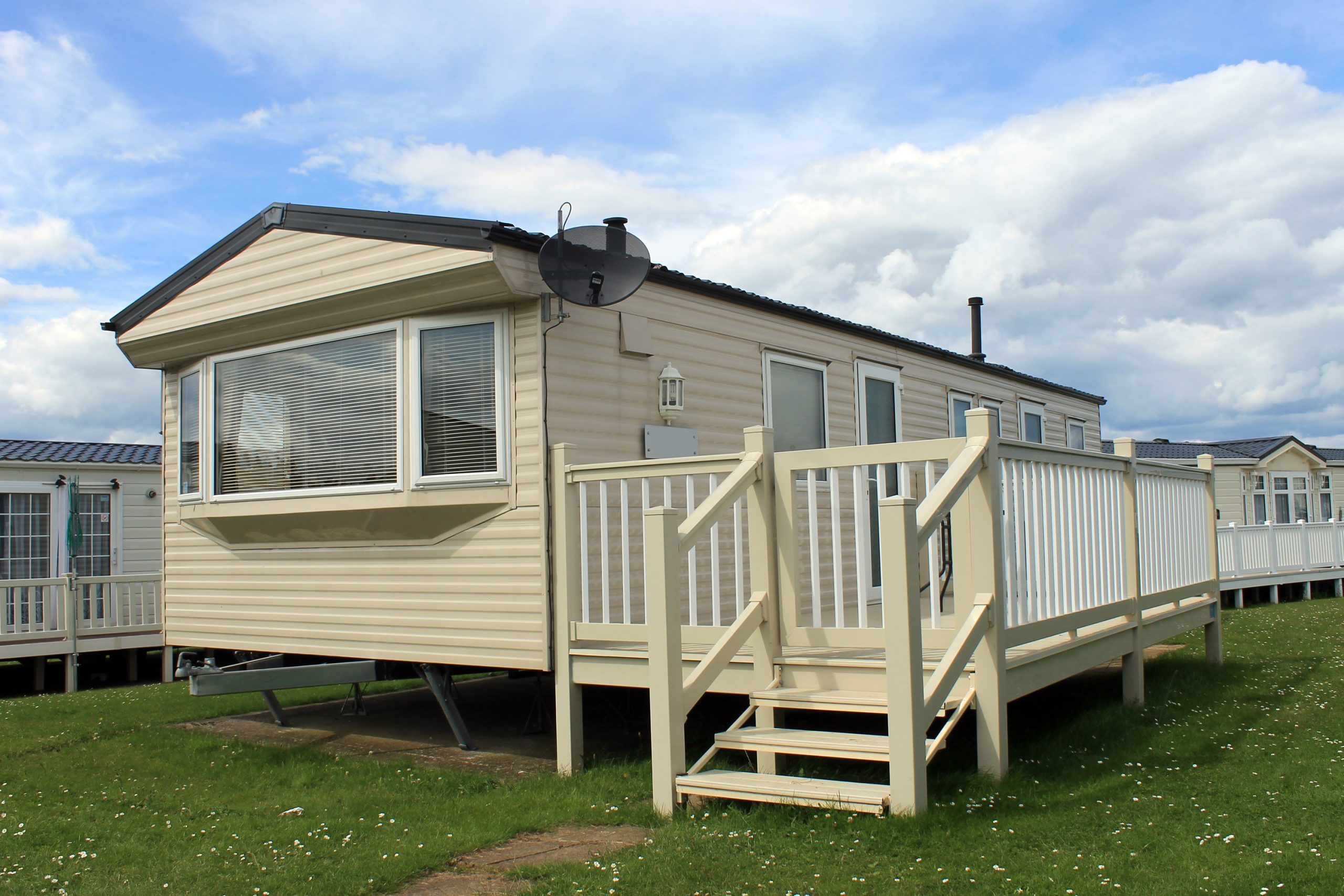
Search listings by arrangement type first, not just by price, since a home-plus-lot listing and a lot-only listing are not comparable numbers. Tour the physical home for skirting condition, tie-down anchors, soft spots in the subfloor, and the HVAC filter’s last-change date; these are the details a photo won’t show you. Ask for the lease before you apply, not after approval, so you can check the notice periods described in the next section against your own timeline. Confirm in writing what the lot rent includes, since that single line item is the most common source of a rent number that turns out to be understated.
Lease Terms and What Happens When a Community Sells or Closes
Every leader in this space tells renters to “check your state.” Here is what five states actually require when a community owner wants to close the park or convert the land to another use.
| State | Closure notice required | Relocation payment or assistance | Governing law |
|---|---|---|---|
| California | 12 months if no local permits needed; 60-day hearing notice plus 6 months after permit approval | Closure Impact Report required; compensation for unrelocatable homes | Mobilehome Residency Law, Civil Code §798.56(g) |
| Oregon | 365 days | $6,000 (single-wide), $8,000 (double-wide), or $10,000 (triple-wide or larger) per space | ORS 90.645 |
| Washington | 12 to 24 months, depending on assistance level chosen | $10,000 to $17,000 per home, scaled by section count | RCW 59.20, as amended by SB 5198 |
| Michigan | 6 months for parks under 100 lots; 12 months for parks of 100 lots or more | Notice-based; no fixed statewide dollar figure located | Mobile Home Commission Act (Public Act 96 of 1987) |
| Minnesota | At least 9 months | Payment through the state manufactured home relocation trust fund | Minn. Stat. §327C.095 |
Oregon’s rule shows how specific this can get: a park closing a section with double-wide homes owes each of those households $8,000 in relocation payment on top of the 365-day notice, a figure that scales up to $10,000 for anything wider, under ORS 90.645. None of the amount is discretionary once the closure conditions are met.
What happens to my lease if the community is sold or shuts down?
A sale alone does not end your tenancy; the new owner steps into the existing lease and lot-rent terms. A closure or land-use conversion triggers the notice period and, in most of the states above, a relocation payment, but the notice period starts on the date the written notice is delivered, not on the date rumors start.
Renting Out a Manufactured Home: The Owner’s Math
Treat the following as an illustration of the mechanics, not a market prediction: a $115,557 new home financed and rented out at $752 in lot rent passed through to the tenant, plus a separate home rent the owner sets locally, produces a return that depends almost entirely on vacancy and financing cost, both of which are set locally and change often. What is not illustrative is the financing gap behind that math: the CFPB found that manufactured-housing loan applications are approved around 27 to 30 percent of the time, against 70 percent or more for site-built homes, and that 42 percent of manufactured-home purchase loans close as chattel loans rather than mortgages.

Red flags an investor should treat as disqualifying, or at least as reasons to renegotiate price, before buying a home to rent out:
- Park redevelopment rumors or a pending zoning change on the community’s land, which can trigger the closure-notice mechanics in the table above regardless of your lease with your own tenant.
- A lot-rent-to-home-rent ratio above roughly one-third, which leaves little room to absorb the 3-to-5-percent annual lot-rent increases many communities apply, still cover your own financing cost, and survive a vacancy cycle without going cash-flow negative.
- A home built close to the outer edge of its practical, HUD-compliant service life, since resale and refinancing options both narrow as a home ages.
- Park rules that restrict or forbid subleasing, which can make the entire buy-to-rent plan unworkable regardless of the numbers.
A widely repeated claim in this space holds that manufactured homes depreciate 3 to 5 percent a year. No primary study behind that specific range surfaced in this research; the closest verifiable statement comes from the CFPB, which found that owners who do not own the land under their home are more likely to see it depreciate and have fewer protections if they fall behind on payments, without attaching a fixed percentage. Use the qualitative point, not the invented number, when underwriting a deal.
Choose buy-to-rent if you can absorb a market where most manufactured-housing loan applications are denied and you have identified a community with subleasing rules that clearly permit your plan; choose buy-to-live, or a straight rental instead, if either of those conditions is unresolved.
Is renting out a manufactured home a good investment right now?
It depends on financing access more than on the property itself: with roughly 70 percent of manufactured-housing loan applications not resulting in an origination, the harder constraint is usually getting the deal financed on workable terms, not finding a tenant once it is.
Financing and Insurance for Owners
| Financing type | Typical term | Typical rate (Dec. 2025) | Typical down payment | When it applies |
|---|---|---|---|---|
| Chattel loan (home only) | 15 to 20 years | 7% to 10% | 10% to 20% | Land is rented, not owned |
| MH Advantage / conventional mortgage | 30 years | 6.5% to 7.5% | 3% to 20% | Home is on a permanent foundation on owned land |
| Community acquisition (investor buying a park) | Commercial terms, no fixed schedule | Priced off a cap rate near 5.9% | Equity plus commercial debt | Buying the whole community, not one home |
Rate and term figures for the household loans come from AmeriSave’s published December 2025 ranges; the community-acquisition benchmark comes from Northmarq’s 2025 transaction data, where the median sale price ran $45,500 to $52,200 per space.
Do I need a special insurance policy to rent out a manufactured home?
Yes, an HO-7 policy, not a standard landlord or homeowners form. If your tenant carries renters insurance for their belongings, that policy still will not cover the structure; you need the HO-7, or a comparable manufactured-home landlord policy, on the home itself.
Mistakes That Cost Both Sides Money
- Signing before confirming what lot rent includes. Water, sewer, and trash get bundled in some communities and billed separately in others; find out before you sign, not on your first bill.
- Skipping the tie-down and skirting check on a tour. These are structural, not cosmetic, and expensive to retrofit after move-in.
- Buying to rent without checking the park’s subleasing rules first. A great numbers-on-paper deal is worthless if the community won’t approve your tenant.
- Assuming age-restricted eligibility is informal. Many 55-and-older communities verify at least one resident per household meets the age threshold at move-in and periodically after, and a household that doesn’t qualify can be denied occupancy even after a lease is signed.
Moving In, Living There, Moving Out
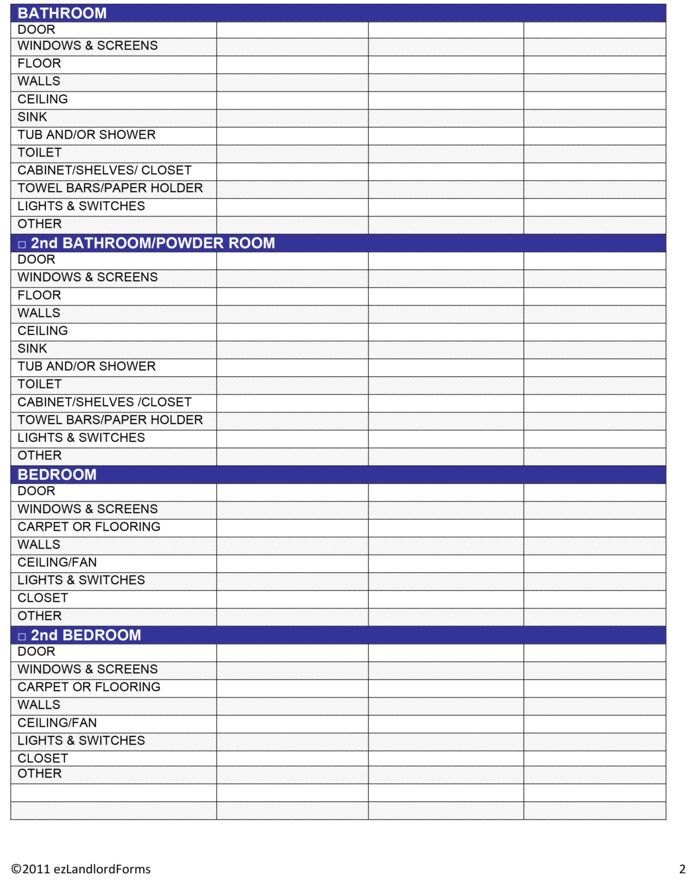
Maintenance responsibility typically splits by ownership: a homeowner-tenant handles the home’s interior and exterior upkeep while the community handles roads, common areas, and shared utilities; a straight renter of a home-plus-lot package usually has less to maintain but also less latitude to alter the home. Move-out timelines vary by the reason for leaving far more than most guides acknowledge: a tenant-initiated move typically runs on a standard 30-day notice, a landlord non-renewal on a longer notice tied to local law, and a park closure on the multi-month, statute-driven timeline covered above. Document the unit’s condition with photos on both move-in and move-out days.
Comments