
Where the Market Stands Right Now
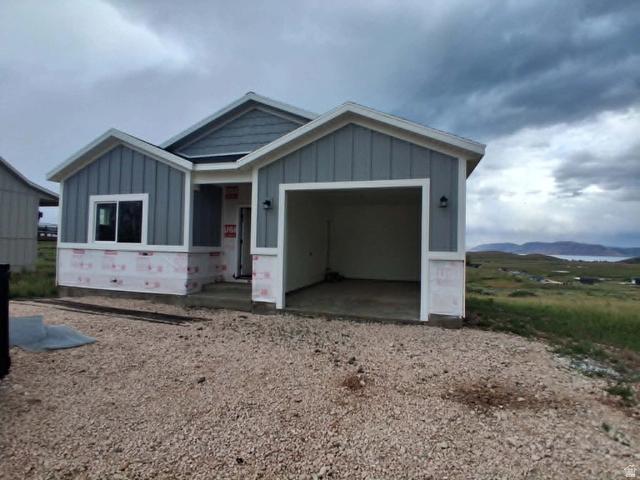
Redfin’s citywide figure is the most current public number available for Garden City as a whole, and it covers single-family homes, condos, and townhouses together. Redfin itself flags that monthly medians in a market this size move on a handful of closings, so a single month can swing hard in either direction. No public source currently publishes a clean, zip-isolated median for 84028 alone; treat the citywide figure as a directional anchor, not a precise quote for a specific 84028 listing.
Listings run the full range from condo units in the low $100,000s to lakefront custom homes well past $2 million, based on active and recently sold properties tracked by Redfin. New-construction listings currently carry a median asking price around $675,000. For a live, filterable grid of what’s actually on the market this week, your agent’s MLS portal will beat any static page, including this one.
Is 84028 the Right Zip Code
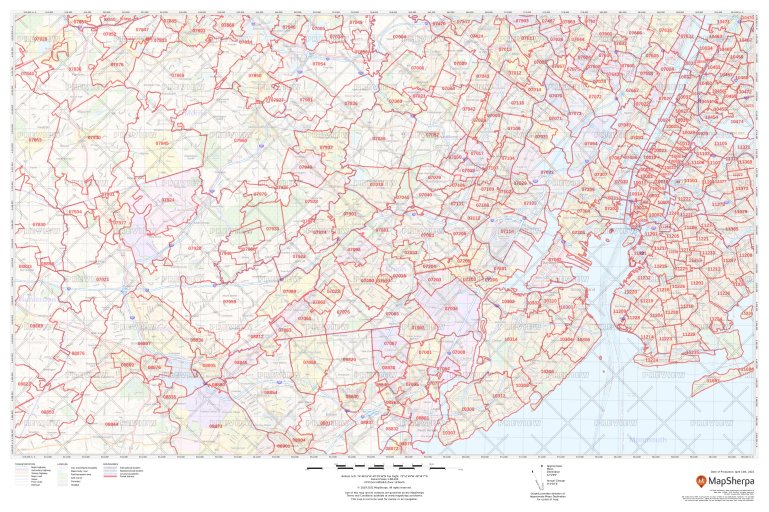
Garden City addresses split across two USPS zip codes, 84028 and 84038. Search engines and portals treat them as separate markets and sometimes report sharply different medians for each: one snapshot from Movoto put 84038 at a median around $479,500, while other portal pulls for the same zip have shown very different figures within months of each other. That inconsistency is a sign of thin sales volume, not a stable price gap you should plan around. Don’t filter your search by zip code alone. Confirm with your agent which zip a specific address or subdivision carries, and pull comparables by neighborhood, not by zip prefix.
Why do some Garden City listings show zip 84038 instead of 84028?Garden City’s mailing addresses split across two zip codes. Both cover parts of the same town and the same Bear Lake shoreline; the split reflects postal routing, not a meaningful difference in what you’re buying. Confirm the exact zip on any listing you’re serious about, since portal-level price data for the two codes doesn’t always agree.
Buying for Short-Term Rental: License Requirements
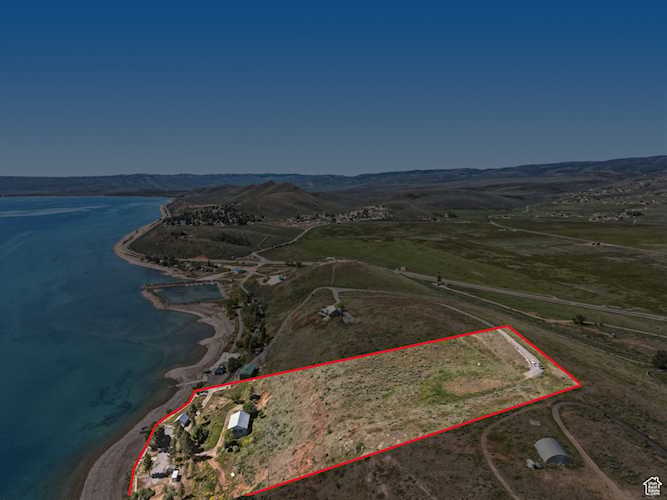
Utah has no statewide STR license. Garden City issues its own, and the requirements are specific enough to plan around rather than guess at.
Documents You’ll Need
The Garden City short-term rental application requires proof of ownership, a scaled site plan showing every parking space, a scaled floor plan, proof of insurance for the unit, the zone designation, and current Town and State sales tax collection numbers in the owner’s name. If the property doesn’t have direct vehicular access shown on the site plan, a notarized temporary access easement from every property owner along the access route is required too. A licensed inspection by the Garden City Building Inspector and Fire Chief is part of the process, not optional paperwork.
The application fee is $100 plus $130 per rental unit, non-refundable, and new applications are only accepted January 1 through April 30 each year, so a buyer who closes in June cannot simply file and start renting; the next application window is the following January.
Ongoing Compliance
Every licensed unit needs a 24-hour emergency contact who lives within 15 minutes of the property, posted rules at the property, and collection of Sales, Resort, and Transient Rental Taxes on every stay. The current Rich County Transient Room Tax rate is 4.5%, effective October 1, 2025 (Utah State Tax Commission Bulletin TB-13-25); that’s layered on top of the standard 4.85% state sales tax and other statewide lodging charges, so total tax on a nightly stay runs well above the base sales tax rate alone.
Do I need a license to Airbnb my Garden City home?Yes. Garden City requires a short-term rental license for stays booked through platforms like Airbnb or Vrbo, separate from any state tax registration. The license doesn’t override your HOA; a licensed property can still be blocked from renting by its own subdivision’s CC&Rs.
HOA Rules That Override the City’s Approval
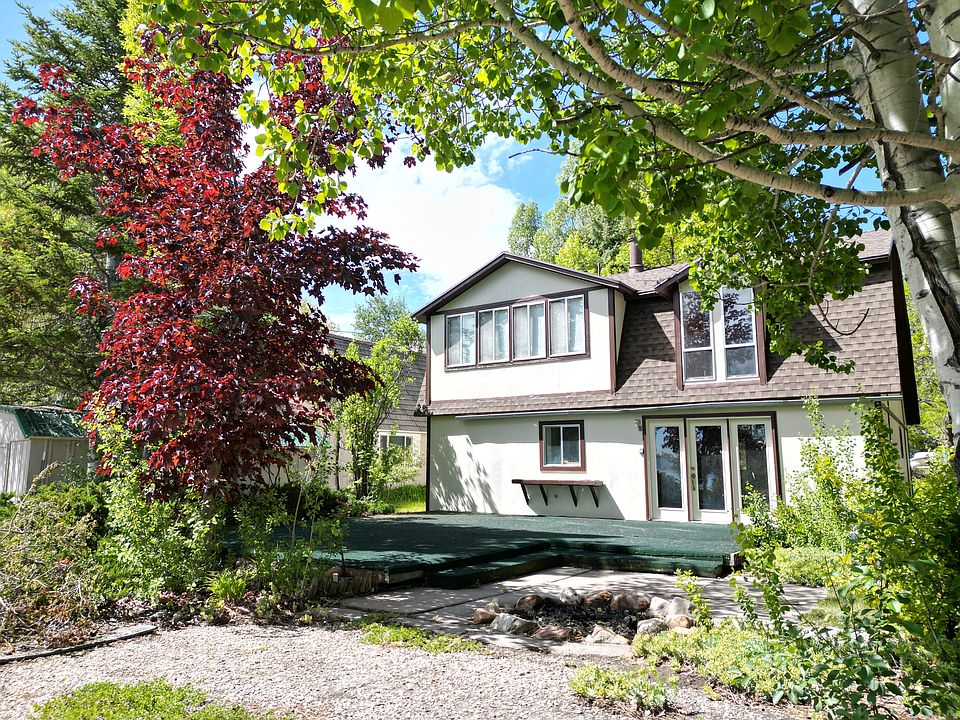
A city STR license is necessary but not sufficient. The application itself states plainly that the license does not preclude following the appropriate Homeowner Association CC&Rs, and that not all subdivisions within Garden City limits allow short-term rentals. That means a buyer can complete the entire city process, pay the fee, and pass inspection, and still be blocked from renting by a subdivision’s own governing documents. Read the actual CC&Rs for any subdivision before assuming a listing’s “STR approved” tag reflects the HOA’s current position, not just the city’s.
What Owning Here Costs Beyond the Mortgage
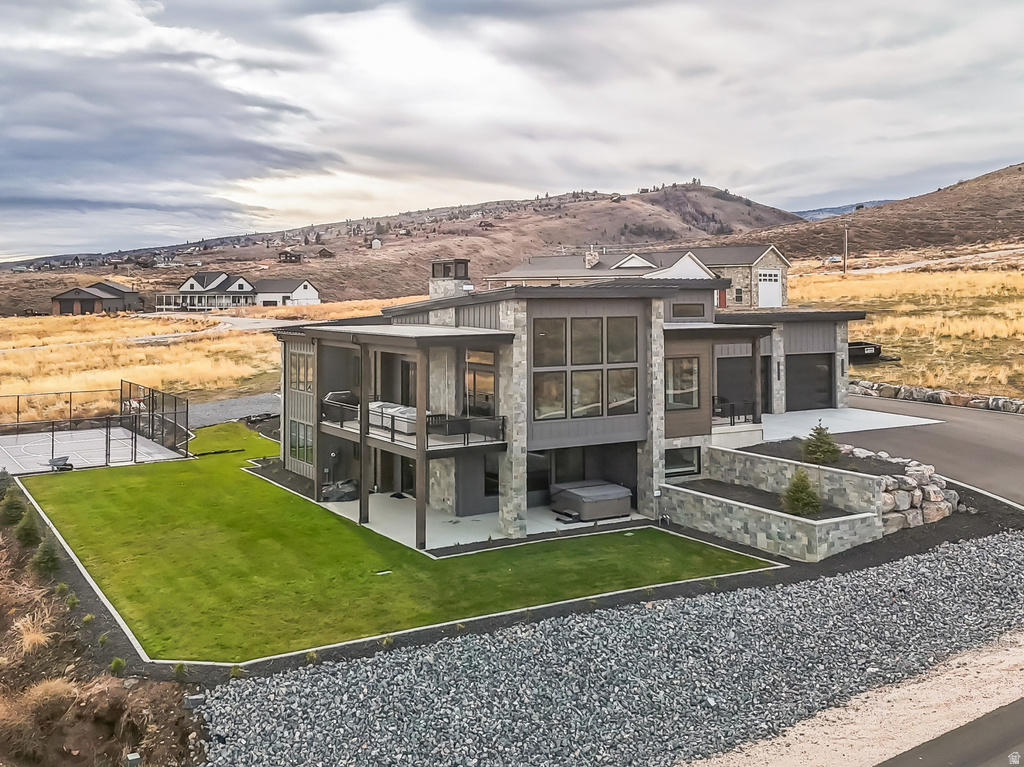
Utah’s primary-residence property tax exemption cuts the taxable value of a home by 45%, so a primary residence pays tax on 55% of its assessed market value (Utah State Tax Commission). That exemption is explicitly unavailable to vacation homes, second homes, and nightly rentals; Summit County’s assessor states this directly, and the rule is statewide. Most Garden City buyers, second-home owners and investors rather than year-round residents, will pay property tax on the full assessed value with no 45% reduction.
On a $500,000 assessed home at a representative 1% combined local rate, that’s roughly $5,000 a year in property tax without the exemption versus roughly $2,750 with it, a gap that belongs in a carrying-cost estimate before closing.
| Cost type | Primary-residence buyer | Second-home / STR buyer |
|---|---|---|
| Property tax base | 55% of assessed value (45% exemption applies) | 100% of assessed value, no exemption |
| Rich County Transient Room Tax | Not applicable | 4.5% of gross rental charges |
| State sales tax on rental income | Not applicable | 4.85% of gross rental charges |
| STR license fee | Not applicable | $100 plus $130 per rented unit, annual |
The table isolates the tax layer specifically; HOA dues vary by subdivision and aren’t published centrally, so they sit outside this comparison.
Neighborhoods Worth Knowing
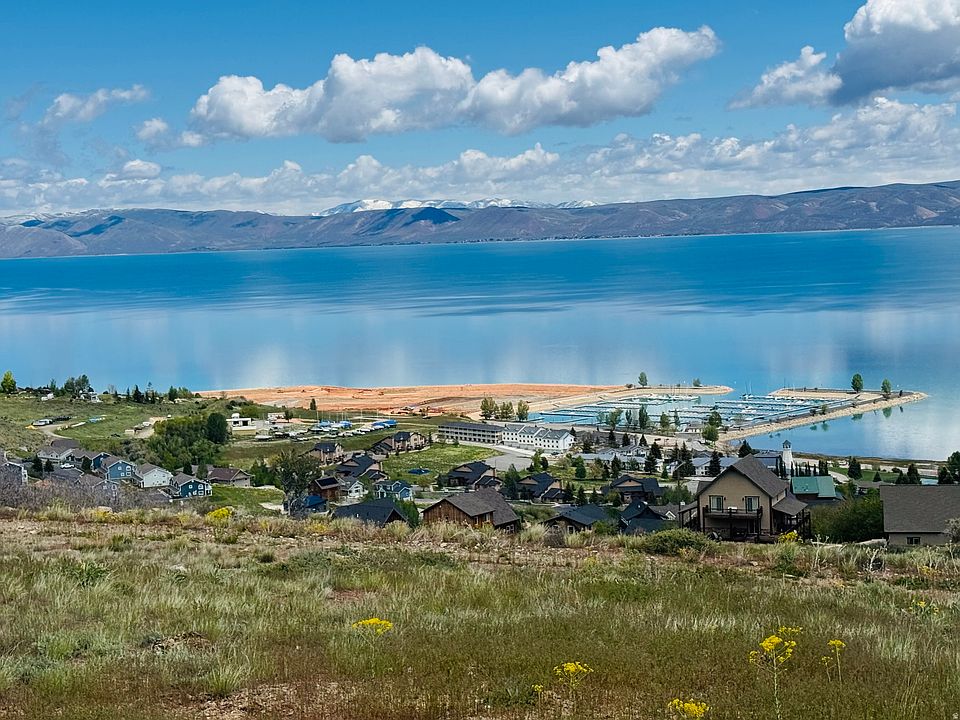
Garden City’s subdivisions carry real name recognition in local listings, Sweetwater, Swan Creek, and the Country Club Drive area among them, all of which turn up repeatedly in current MLS-fed listing addresses on Redfin.
| Subdivision | Confirmed via | Notable feature |
|---|---|---|
| Sweetwater | Active/recent MLS-fed listings (Redfin) | Condo and townhome mix near the marina area |
| Swan Creek | Active/recent MLS-fed listings (Redfin) | Single-family homes marketed for multi-generational gatherings |
| Country Club Drive area | Active/recent MLS-fed listings (Redfin) | Golf-course-adjacent lots and homes |
No subdivision above has a publicly confirmed short-term-rental posture as of this writing. Pull the specific CC&Rs for any of these before assuming a listing agent’s “STR-approved” claim still holds.
Risks Worth Knowing Before You Buy
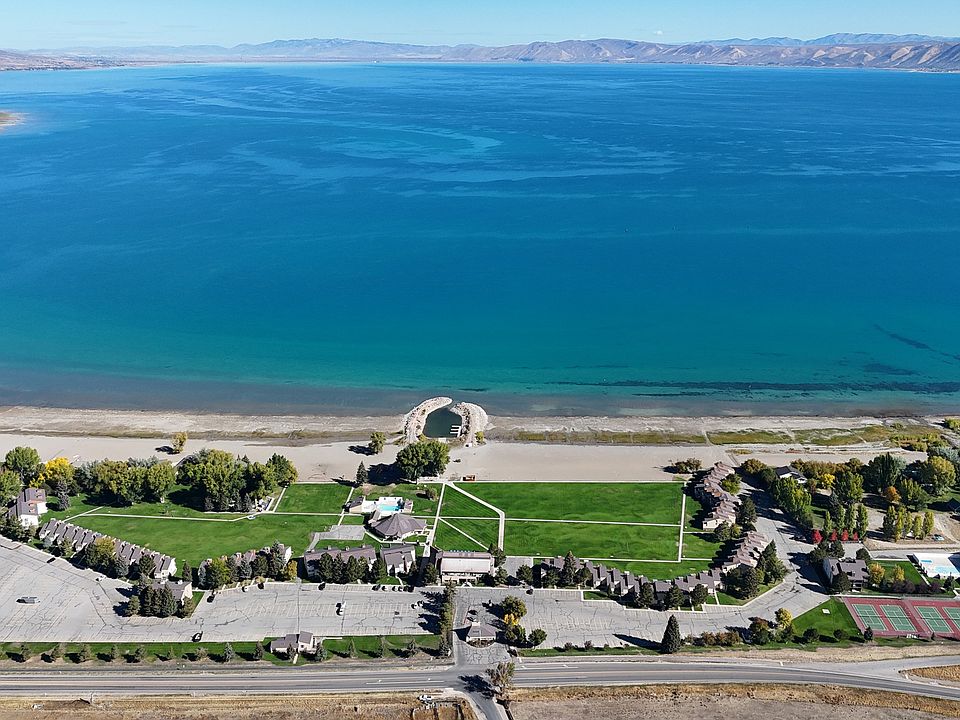
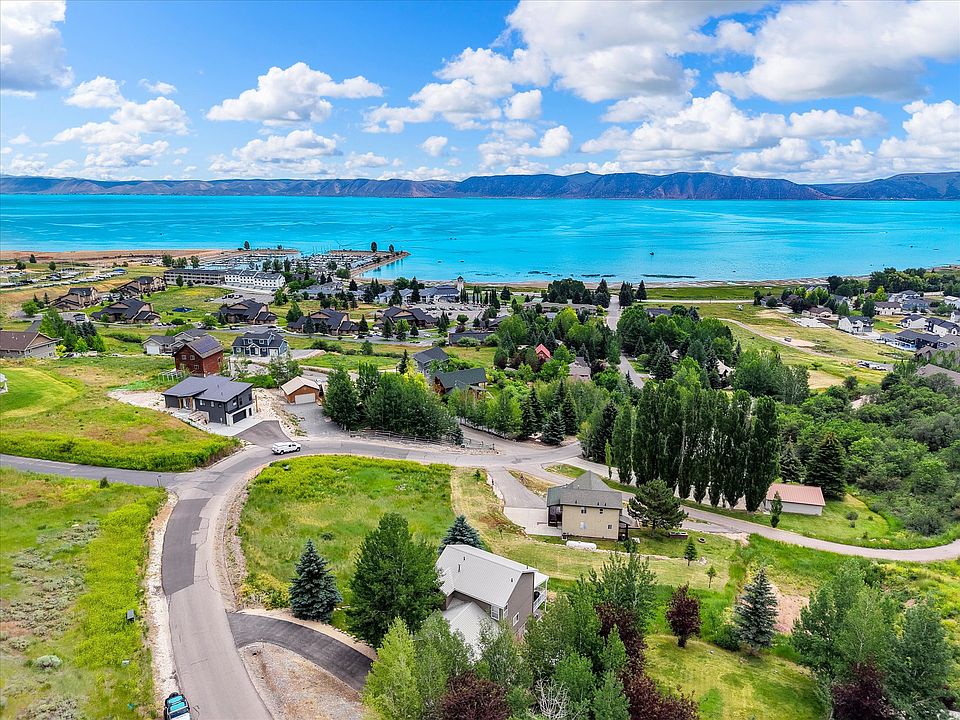
Bear Lake sits at a target elevation of 5,924 feet, and its water level isn’t fixed. Bear Lake Watch, the lake’s monitoring group, states that during prolonged drought the level can drop three to five feet a year, exposing large stretches of lakebed. Live elevation readings are tracked continuously by a federal gauge at the State Park Marina. A lakefront or marina-adjacent property’s usability, dock access, swimmable shoreline, boat launch depth, moves with that number, not with the listing photos taken in a wet year.
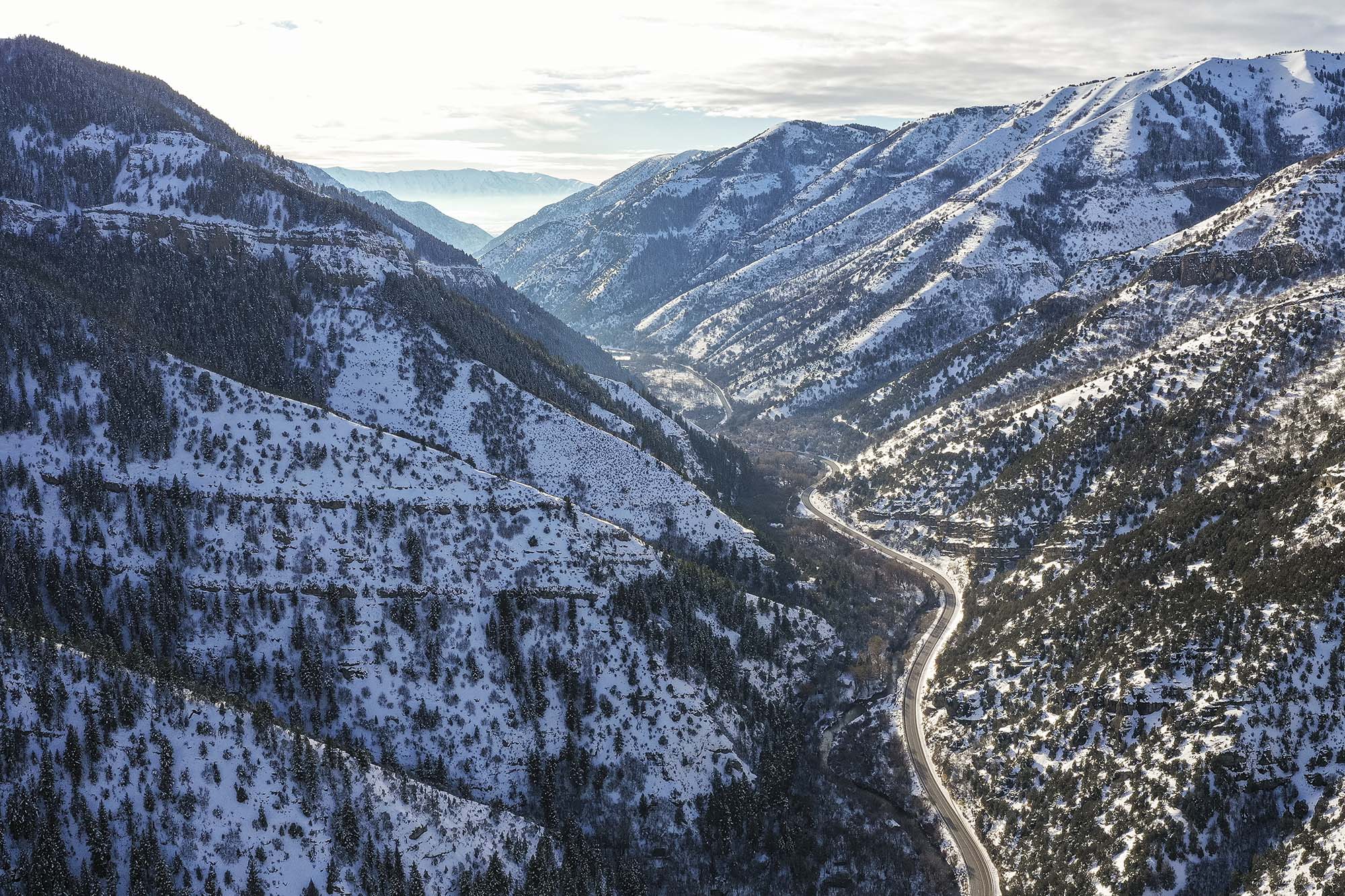
Winter access is a separate risk. US-89 through Logan Canyon is the primary route between Garden City and Logan, and it closes without much notice when avalanche danger spikes. On January 12, 2024, UDOT shut the highway in both directions between milepost 460 in Logan and milepost 490 in Garden City after an avalanche crossed the road; the closure ran roughly from 7 a.m. to midnight that day, with a follow-up overnight closure the next evening (Standard-Examiner). That’s a documented full-day cutoff of the main road to the nearest hospital-scale city, and it recurs most winters in some form.
Does Bear Lake ever run low on water?Yes, during drought years. The lake’s target elevation is 5,924 feet, and Bear Lake Watch reports drops of three to five feet a year are possible in prolonged dry periods, which can leave marinas and docks high and dry until the lake refills.
Who Garden City Fits
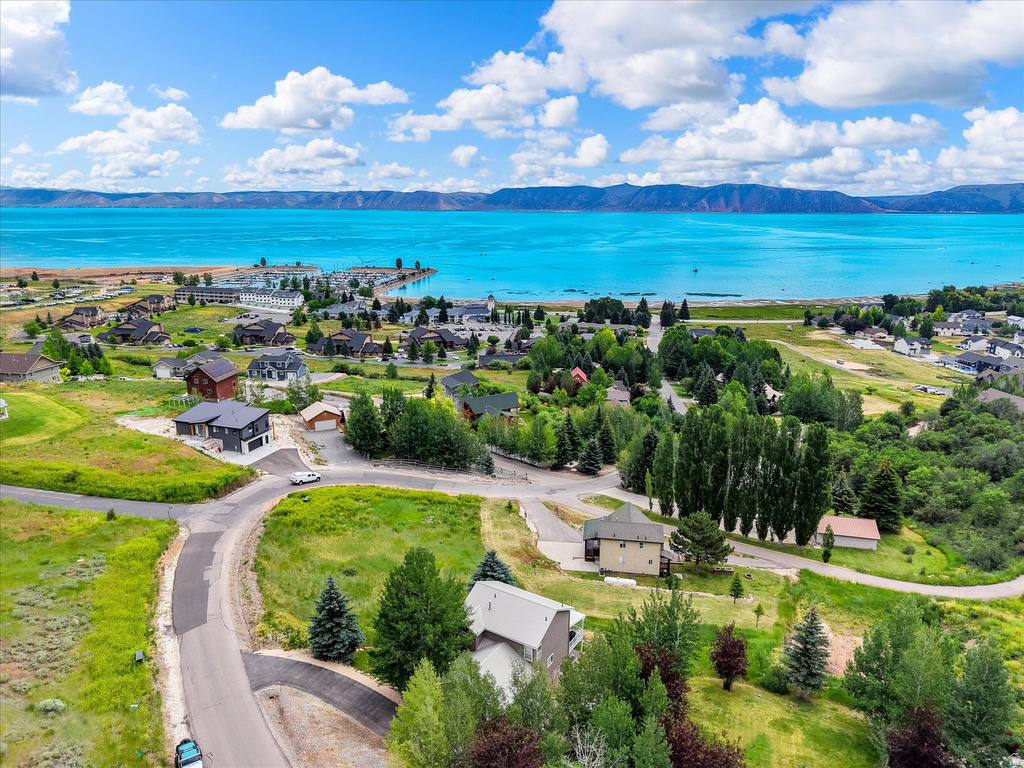
Garden City works well as a second home or a licensed short-term rental for buyers who accept seasonal access risk and full property tax exposure. It works poorly as a primary residence for anyone who needs the 45% tax exemption. The town’s own year-round population, an estimated 713 residents as of the 2023 Census Bureau estimate, is a fraction of what the lake’s summer crowds suggest.
Is Garden City a good full-time home, or only a vacation property?For most buyers, it functions as a vacation or rental property rather than a full-time home. The primary-residence tax exemption and winter road access both point toward second-home or investment use as the more common fit.
Comments