
Who Flat Branch Home Loans Is
Flat Branch Mortgage Inc., doing business as Flat Branch Home Loans, is registered under NMLS #224149, headquartered in Columbia, Missouri. The Better Business Bureau lists the company as not accredited but carrying an A+ rating, with 22 years in business and a file opened in 2003. The firm is employee-owned through an ESOP structure adopted in 2021.
How many states it’s licensed in depends on which page you check. A 2022 company blog post and an April 2026 company release both say roughly 40 states; a November 2025 independent review lists 30 states by name. Treat any specific count as a starting point to confirm with a loan officer, not a fixed number.
Where the Name Comes From
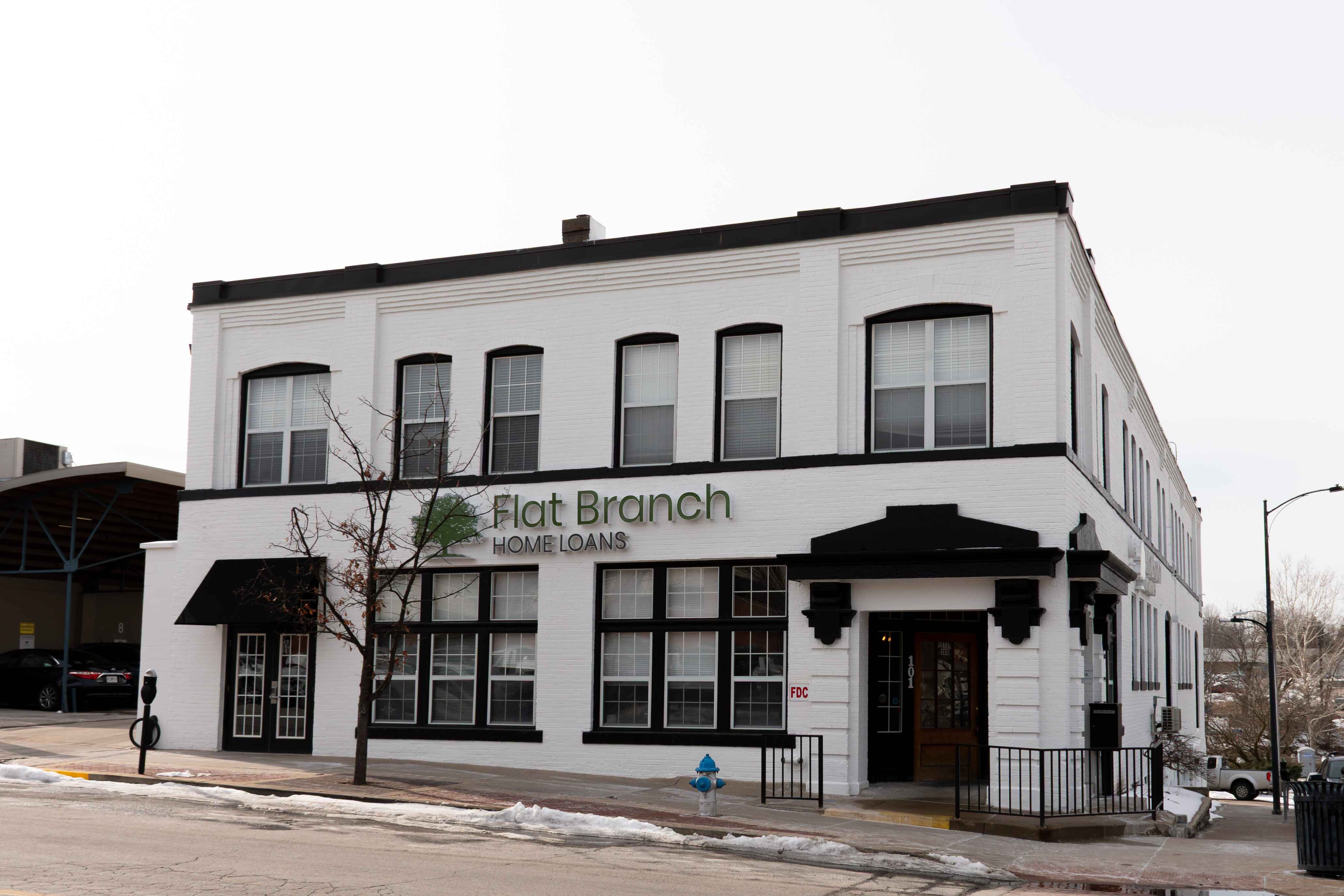
The company takes its name from Flat Branch Creek, a small stream running through Columbia, Missouri, near the Flat Branch Park where founder Jim Yankee started the business in 2005.
What It Costs to Borrow Here
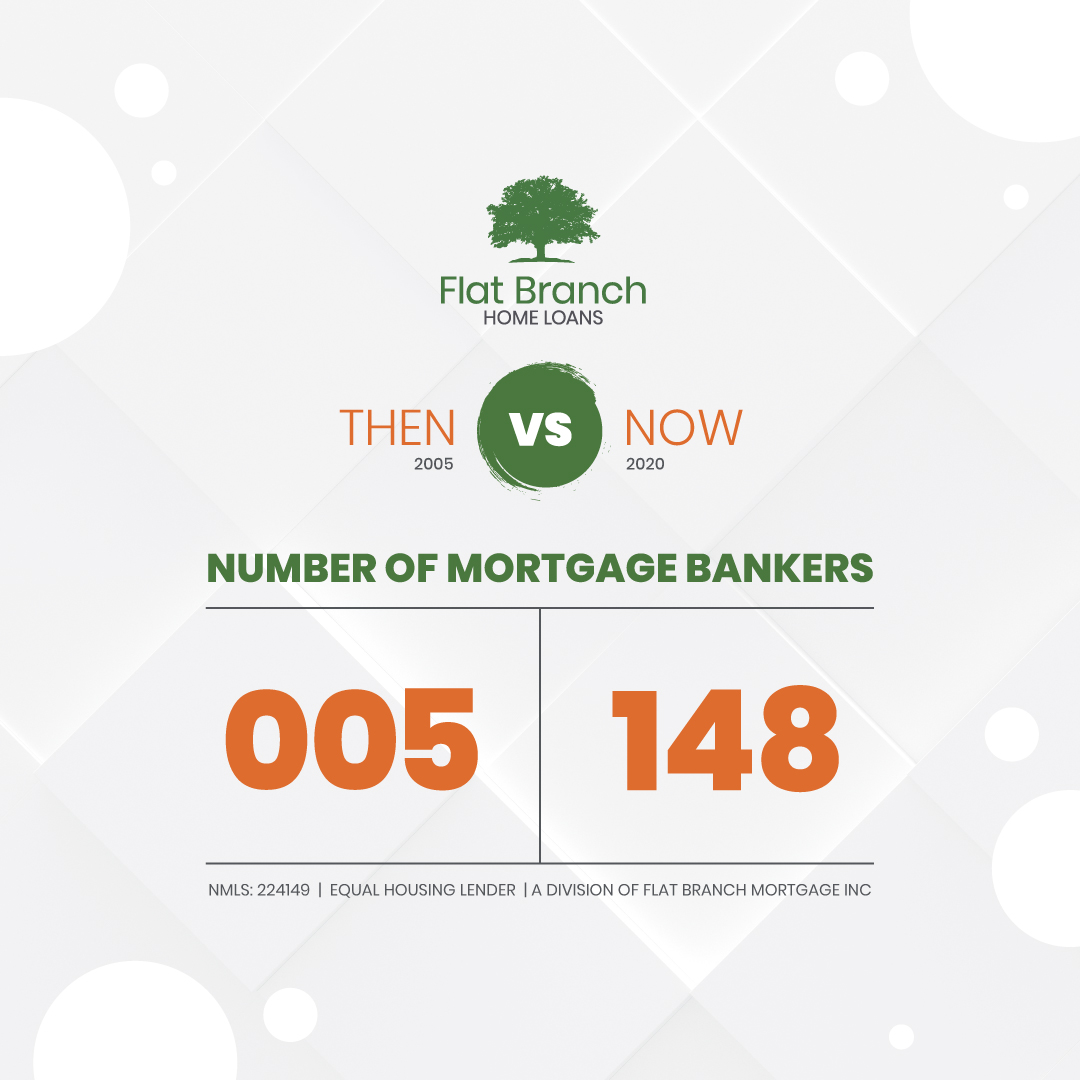
Public loan-level disclosure data for 2024 covers all 13,902 loans the company originated that year, totaling $3.15 billion.
| Metric | Flat Branch | National average | Delta |
|---|---|---|---|
| Average 30-year fixed rate | 6.69% | 6.55% | +0.14 points |
| Average total closing costs | $5,371 | $8,356 | -$2,985 |
| Approval rate | Above average | – | – |
| Pick rate (quoted borrowers who choose the lender) | Below average | – | – |
The fee gap is the more decision-relevant of the two numbers: a borrower shopping this lender alongside two or three other quotes is likely to see a materially lower closing-cost line, even where the quoted rate lands close to whatever else is on the table. The below-average pick rate deserves a direct question to your loan officer rather than standing alone as a red flag.
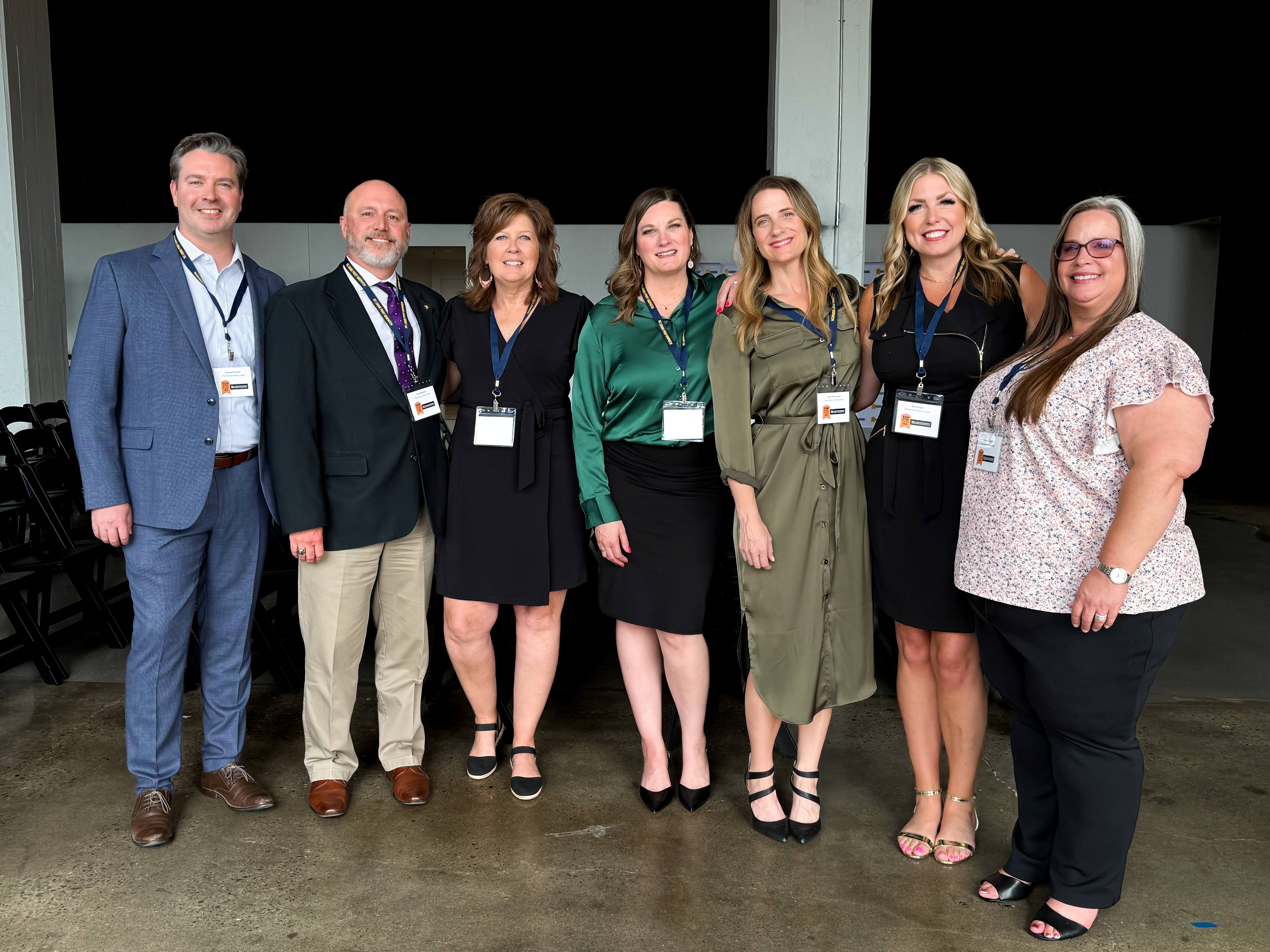
Kansas City and St. Louis carry the largest share of volume.
| Market | Originations (2024) | Average loan | Average fees | Average rate |
|---|---|---|---|---|
| Kansas City, MO-KS | 1,351 | $273,446 | $5,420 | 6.68% |
| St. Louis, MO-IL | 1,414 | $257,143 | $4,742 | 6.79% |
| Tulsa, OK | 777 | $247,574 | $7,016 | 6.65% |
| Fayetteville-Springdale-Rogers, AR | 587 | $308,629 | $5,532 | 6.52% |
| Joplin, MO | 931 | $189,307 | $5,123 | 6.68% |
| Springfield, MO | 658 | $236,474 | $4,770 | 6.74% |
| Columbia, MO | 493 | $253,884 | $4,357 | 6.65% |
| Peoria, IL | 667 | $167,579 | $3,888 | 6.73% |
Tulsa’s average fee runs $2,000 to $2,900 above every other market in this table despite a comparable average rate. Flag that gap directly with a loan officer if you’re borrowing there.
Rates and fees aren’t published on the company’s site as a fixed schedule; getting an actual number requires a loan officer conversation.
Does Flat Branch Home Loans publish its mortgage rates online? No. The company’s site does not list current rates, and the only third-party review of the brand notes this as a gap. The closest public substitute is the prior year’s disclosed average shown above, which lags current market pricing.
Where the Reviews Disagree
| Platform | Score | Sample size | Typical solicitation model |
|---|---|---|---|
| Yelp | 2.9 / 5 | 29 reviews | Largely unsolicited, complaint-skewed |
| Reviews.io | 2.1 / 5 | 18 reviews | Largely unsolicited, complaint-skewed |
| BBB | A+ letter grade | Grade excludes reviews | Regulatory-style grade, not a star average |
Both independent sites sit well below the near-5-star figures the company cites from lender-invited platforms. Eighteen to 29 reviews against nearly 14,000 annual originations is not a representative sample in either direction; a single platform’s score, high or low, is one data point rather than a verdict.
The individual reviews on Reviews.io point to something more useful than the aggregate number: several name specific loan officers, and both the best and worst experiences described trace to individual people rather than the company as a whole. One recurring theme involves a self-employed applicant denied over income documentation despite qualifying credit and income.
Why do Flat Branch’s ratings look so different from platform to platform? Lender-invited platforms mostly hear from satisfied post-closing borrowers the company chooses to solicit. Yelp and Reviews.io mostly hear from people who sought out a review site on their own, which skews toward complaints. Neither number alone represents the average borrower’s experience.
Loan Programs: What’s Standard and What’s Specific Here
Conventional, FHA, VA, and USDA loans are available, as they are at nearly any retail mortgage lender in the country. Three programs are specific to this company: the Community Champions Program for emergency responders, school staff, and 911 dispatchers; Missouri Housing Development Commission (MHDC) down-payment assistance through a forgivable second mortgage; and a Lock and Shop rate-lock option available in eight states (Arkansas, Illinois, Iowa, Kansas, Missouri, Oklahoma, Texas, Nebraska).
Community Champions Program terms aren’t uniform company-wide. The national program page promises a lender credit up to $900 plus a waived appraisal fee. The 417 Home Loans regional team page describes a different structure: a free appraisal for loans between $30,000 and $150,000, and a free appraisal plus a waived processing fee above $150,000, with no $900 figure mentioned. Confirm which version applies with your specific office.
The company holds itself out as a leading USDA lender in three states, yet public loan-level data shows a comparatively low share of USDA loans in its overall 2024 mix. Both can be true together: a lender can rank highly within a narrow niche while that niche still makes up a small slice of total volume. Treat “#1 USDA lender” as a claim about rank within one product, not about how common USDA loans are among this lender’s borrowers generally.
Origination Versus Servicing: Two Different Experiences
Getting the loan and living with it afterward are two different relationships here. BBB complaint records describe servicing-side friction distinct from the application process: one complaint describes difficulty removing an automatic payment after a job change, requiring a printed and signed form; another describes a delayed insurance-claim check reissue after storm damage. Neither concerns loan approval or underwriting.
Will my loan be sold to another servicer after closing? Possibly. Loan sales after closing are standard industry practice here as elsewhere, but at least one BBB complaint describes confusion following a post-closing sale. Ask specifically whether your loan is expected to be retained or sold before you close.
Who Fits This Lender

Good fit if:
- You’re borrowing in a top Midwest or south-central market – volume and pricing data are strongest in Kansas City, St. Louis, and the other markets above.
- You qualify for Community Champions, MHDC, or USDA and want a lender actively originating those programs.
- Closing costs matter more than shaving a few basis points off the rate.
Proceed with caution if:
- You’re self-employed with complex income to document; this is a specific, recurring friction point in independent reviews.
- You’re borrowing outside the Midwest core, where per-market fees vary more, as the Tulsa figure above shows.
- You haven’t met your assigned loan officer yet; both the best and worst outcomes in review evidence trace to the individual, not the brand.
Can self-employed borrowers get approved through Flat Branch? Ask your loan officer, in writing, exactly which income-documentation format they need before you submit anything. At least one independent review describes a denial after informal documentation wasn’t accepted late in the process, a timing problem more than an eligibility one.
Applying Without a Mismatched Loan Officer
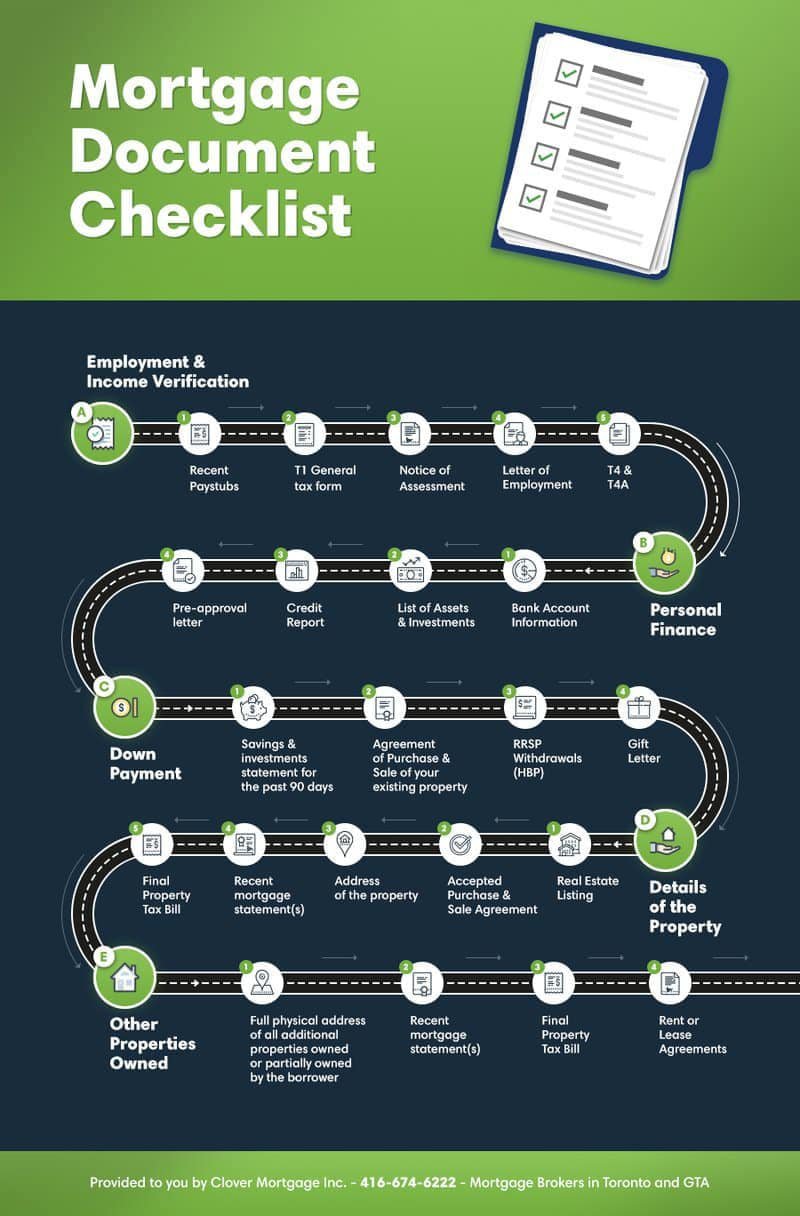
- Get your loan officer’s name and direct contact before submitting an application, not after.
- Request a written, dated rate-and-fee quote rather than a verbal estimate.
- Ask whether your loan will be sold or retained for servicing after closing.
- Confirm which program terms apply at your specific office if Community Champions, MHDC, or USDA factors into your decision.
Comments