
What Actually Determines the Price of “Fixer-Upper”
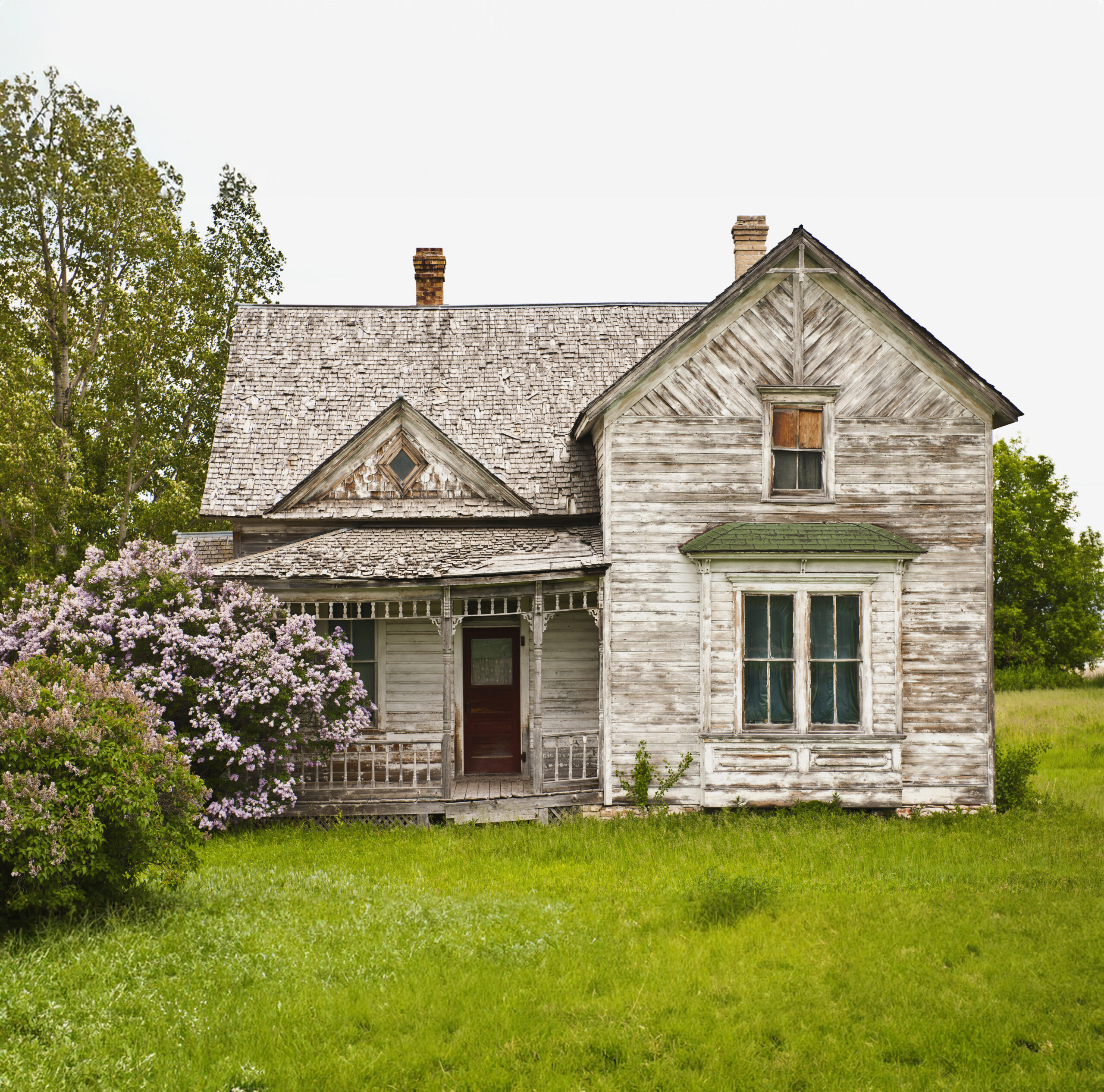
The word covers everything from fresh paint to a foundation rebuild, and the dollar difference between those two runs roughly tenfold.
| Defect category | Typical cost range | Who can do the work | Permit likely |
|---|---|---|---|
| Cosmetic refresh (paint, flooring, fixtures) | $15 to $60 per sq ft | DIY-eligible for most tasks | No, usually |
| Kitchen or bathroom remodel | $100 to $250 per sq ft | Licensed-only for plumbing and electrical | Yes, plumbing and electrical |
| Full gut to the studs | $60 to $150 per sq ft | Licensed-only | Yes, building, electrical, plumbing, mechanical |
| Room addition | $20,000 to $75,000 typical project | Licensed-only | Yes |
| Load-bearing wall removal | $500 to $10,000 | Licensed-only, engineer sign-off | Yes |
Cost data: HomeGuide’s house-remodeling-cost survey and Angi’s 2026 renovation-cost research. The National Association of Home Builders’ Remodeling Market Index puts the median major remodel at about $85 per square foot, a figure reported by an independent 2026 remodeling-cost analysis that lands inside the gut-renovation band above and works as a sanity check on any contractor bid that comes in far outside it.
A house needing only the top row of that table is a different financial animal than one needing the bottom two rows stacked together, and pricing them with the same “fixer-upper” label is where most budgets go wrong before the first estimate is even written.
The Inspection That Actually Changes Your Offer

A standard inspection costs $343 on average nationally, with most buyers paying $296 to $424, according to HomeAdvisor data reported by Rocket Mortgage. That’s a small bet against a large downside.
Can I still negotiate repairs after a fixer-upper’s inspection turns up problems? Yes, and it’s the norm rather than the exception. A Clever Real Estate survey found 89% of recent sellers made at least one concession to the buyer, most commonly a reduced asking price or a direct contribution toward repairs.
| Concession type | Share of recent sellers | Notes |
|---|---|---|
| Any concession offered | 89% | Clever Real Estate survey |
| Reduced asking price | 29% | Most common single concession |
| Money toward repairs | 27% | Second most common |
| Average post-negotiation repair spend | $19,773 | Across surveyed transactions |
One rule inspectors rarely spell out: three individually manageable defects, stacked, often behave like one disqualifying defect. An aging roof plus outdated electrical plus galvanized plumbing means three licensed trades, three permits, and three schedules competing for the same contractor slots before the kitchen gets touched. If an inspection turns up that combination, price the house as a full-gut project, not as three separate line items.
Is This a Good Investment? The 70% Rule, Worked
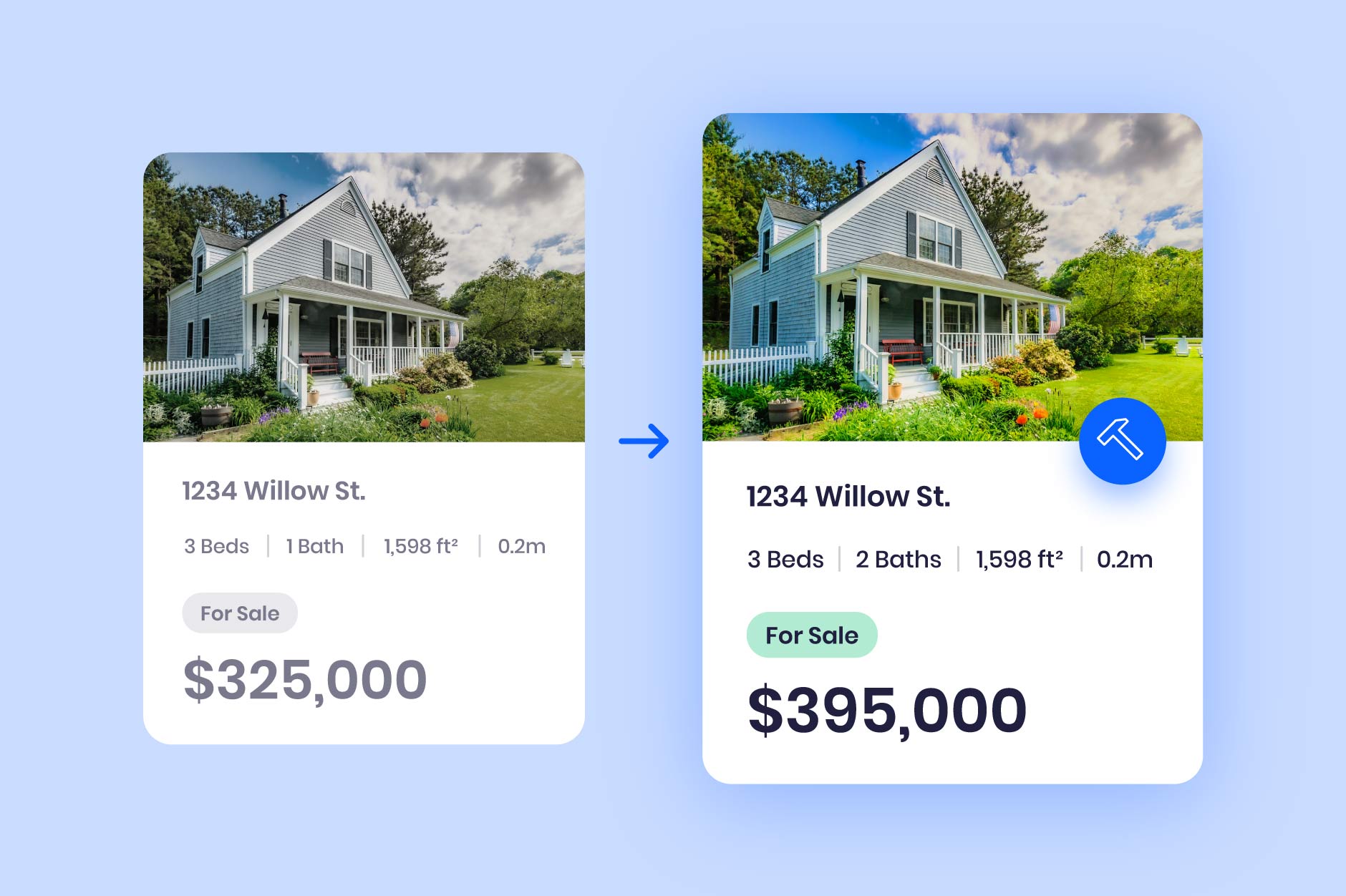
The formula real estate investors use: maximum allowable offer equals the after-repair value multiplied by 0.70, minus repair costs.
Take a house with a projected after-repair value of $340,000 and $58,000 in needed repairs. Multiply $340,000 by 0.70 to get $238,000, then subtract the $58,000 in repairs. The maximum offer is $180,000.
That 30% gap isn’t pure profit: it covers financing costs, holding costs, agent commissions, and the margin for cost estimates that turn out wrong. ATTOM Data Solutions recently put the average gross profit on a flipped home at around $60,000, a figure that has been trending down as renovation labor costs rise.
An owner-occupant isn’t bound by the 70% ceiling, because there’s no resale margin to protect on day one. The math that matters instead: does the discount on the purchase price exceed the renovation cost plus whatever it costs to live elsewhere during construction? If a move-in-ready comparable sells for $300,000 and this house costs $230,000 plus $50,000 in repairs, the owner-occupant math works even though the 70% investor rule would reject the same numbers.
What’s the difference between a fixer-upper and a teardown? A fixer-upper has a structure and systems worth preserving; a teardown’s land value exceeds what the existing structure is worth even after repair, so the renovation math never closes and the sale is effectively a lot purchase.
Financing by Buyer Type

| Loan type | Eligible buyer | Min credit / down payment | Renovation cap | Key disqualifier |
|---|---|---|---|---|
| FHA 203(k) Limited | Owner-occupant only | 580 (3.5% down) or 500 to 579 (10% down) | Up to $75,000, non-structural | No investors, no room additions or load-bearing work |
| FHA 203(k) Standard | Owner-occupant only | Same as above | No cap beyond county FHA limit ($541,287 to $1,249,125 in 2026); $5,000 minimum | Same occupancy rule; HUD consultant required, 60 to 90 day close |
| Fannie Mae HomeStyle | Primary, second home, or investment property | 620 minimum; 5% down primary (3% with HomeReady for first-time buyers), higher for investment property | Up to 75% of as-completed value; conforming limit about $832,750 most areas, $1,249,125 high-cost | DIY labor capped at 10% of as-completed value |
| Freddie Mac CHOICERenovation | Primary, second home, or investment property | 620 to 660 depending on lender; 3 to 5% down primary, roughly 15% for investment property | Up to 75% of as-completed value | Renovation must finish within 450 days of the note date |
Sources: HUD’s 203(k) program page, Fannie Mae’s Selling Guide on HomeStyle Renovation eligibility, and Freddie Mac’s CHOICERenovation program page.
Can I get a renovation loan for an investment property? Not through FHA 203(k), which is restricted to owner-occupants. Fannie Mae HomeStyle and Freddie Mac CHOICERenovation both allow investment properties, typically with a 15% down payment instead of the 3 to 5% required for a primary residence.
For Agents: Qualifying a Fixer-Upper Client Before You Show Homes
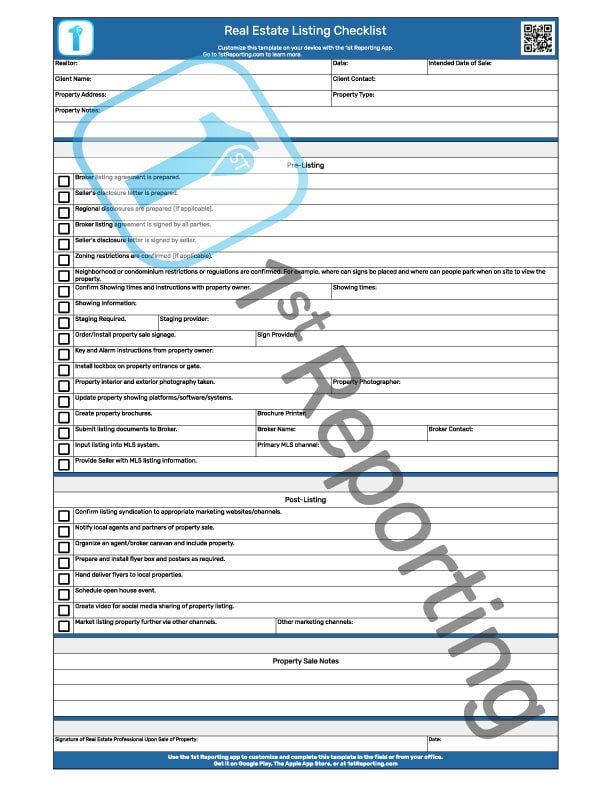
Before the first showing, three questions save everyone’s time: has the buyer been pre-approved for a renovation-specific loan rather than a standard mortgage, do they know which loan program they qualify for given their occupancy plan, and have they seen a real cost-per-square-foot range instead of a number from a renovation show. Buyers who haven’t answered these will make offers that can’t close.
For Sellers: Disclosing “As-Is” Without Killing Your Negotiating Position

Listing a home “as-is” signals you won’t make repairs before closing. It does not automatically remove a seller’s duty to disclose known material defects, and that duty’s exact scope depends on the state where the property sits, since disclosure requirements are set at the state level rather than nationally. Check the specific disclosure form your state requires before assuming “as-is” covers you.
Does “as-is” mean the seller won’t negotiate on price? No. It means the seller won’t fix anything before closing; the buyer can still negotiate the price down based on what an inspection finds.
Finding Fixer-Upper Inventory

Search terms that surface inventory standard listing filters miss: “handyman special,” “TLC needed,” “sold as-is.” Foreclosure and short-sale listings, agent relationships in target neighborhoods, and days-on-market all matter. NAR reported a national median time on market of 41 days in March 2026. A fixer-upper sitting meaningfully longer than that in an otherwise active market signals negotiating room, not necessarily a defect no one else noticed.
Loan limits vary sharply by county. In Wake County, North Carolina, the Raleigh metro, the 2026 FHA single-family limit is $541,287, the same as the national floor, even in one of the fastest-growing housing markets in the country, since HUD sets the floor at 65% of the conforming loan limit regardless of local growth rate.
Comments