
What Ellicott City Is
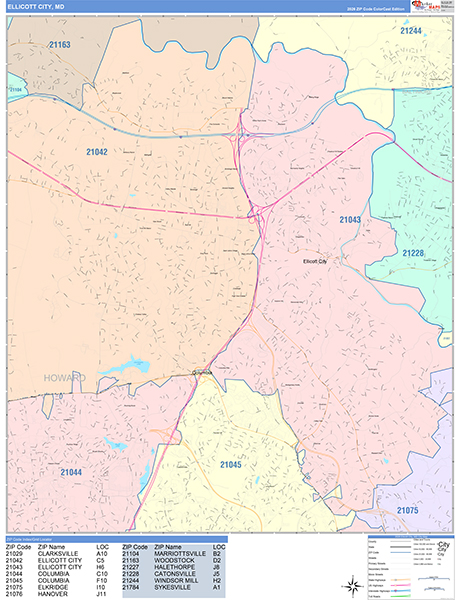
Ellicott City is not an incorporated city with its own mayor or city council; it’s a census-designated place, tracked by the Census Bureau but governed directly by Howard County. Permits, schools, and emergency services all come from the county, not a separate city hall. The historic downtown sits in the narrow valley of the Tiber River, a small tributary of the Patapsco, which is why Main Street runs so close to water on both sides.
Is Ellicott City a city? No. It has no mayor or incorporated government; it’s an unincorporated, county-governed community that happens to be Howard County’s seat.
Why the Railroad Matters Here
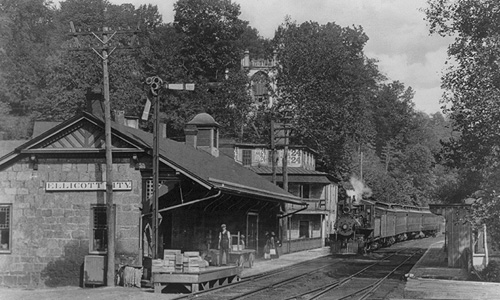
The B&O Railroad reached Ellicott City (then Ellicott’s Mills) in 1830, and the depot that still stands was constructed over 1830 and 1831 as the line’s original western terminus, per the SAH Archipedia record – competing accounts date the building to either year because construction and the shift from freight to passenger use spanned both. It’s the oldest surviving railroad station in the United States. Regular passenger service began in May 1830 with horse-drawn cars; the B&O’s first steam locomotive, the Tom Thumb, was demonstrated here later that year. Passenger service ended in 1949 and freight in 1972; the building has operated as a free museum, run by Howard County’s Department of Recreation and Parks, since 2017.
Flood History and Current Risk

Two 1-in-1,000-year storms hit downtown less than two years apart: on July 30, 2016, 6.6 inches fell in three hours, killing two people and causing $22 million in damage and $42 million in lost economic activity. On May 27, 2018, another 6.56 inches fell in three hours, sending more than 10 feet of water down Main Street and killing one more person. The valley funnels three tributary streams – Hudson Branch, Tiber Branch, and New Cut Branch – into the Patapsco right through downtown; it’s a flash-flood risk from the watershed above, not a slow river rise.
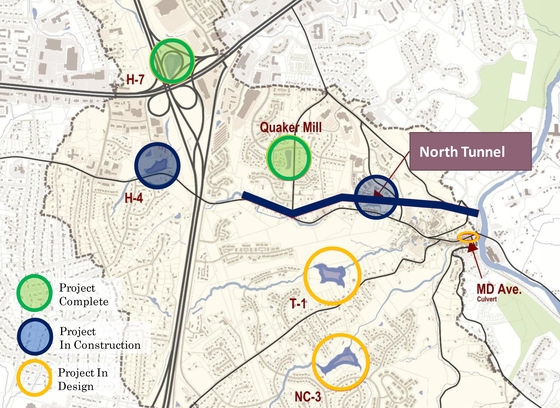
Howard County announced a five-year, $140 million mitigation plan in May 2019. The current version, the Ellicott City Safe and Sound Plan, has grown to roughly $250 million, funded partly through a federal WIFIA loan and FEMA grants – though as of March 2025, at least $20 million of that FEMA funding had been frozen pending federal budget review. Part of the plan required demolishing four Main Street businesses outright – Phoenix Emporium, Discoveries, Bean Hollow, and Great Panes Art Glass Studio, per UMBC’s account of the plan – to make room for a flood-diversion tunnel. For a buyer or renter, Redfin’s First Street-sourced data puts 1,318 properties, about 8% of the total, at severe flood risk over the next 30 years.
Does Ellicott City still flood? Yes, and two of its three worst floods on record happened in the last decade. The mitigation plan is underway but not finished, and its federal funding isn’t fully secured.
Visiting Ellicott City
Getting There and Parking
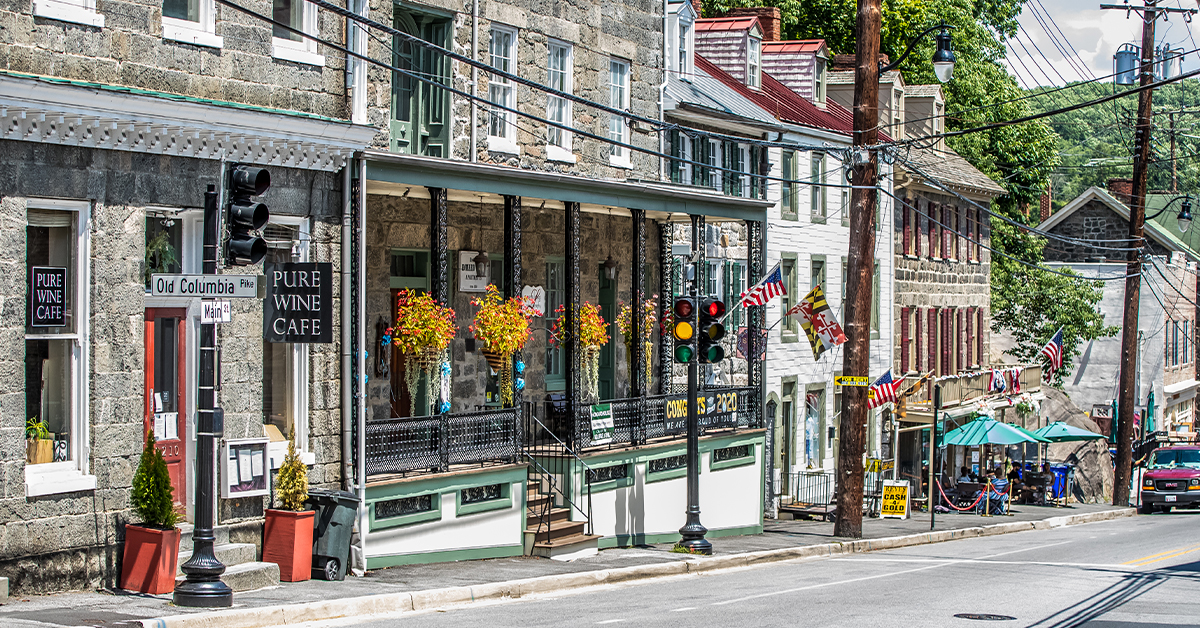
There’s no direct transit stop inside the historic district itself: an MTA bus connects Baltimore to greater Ellicott City in about 39 minutes, but it doesn’t drop you on Main Street. Most visitors drive; the town has roughly 900 public parking spaces spread across several lots, but steep hills and narrow sidewalks make some of them a genuine walk from the shops.
Main Street and the Station Museum
The B&O museum is free, closed on New Year’s Day, Easter, Memorial Day, July 4th, Labor Day, Thanksgiving, and Christmas, and holds a restored 1927 caboose and a 40-foot HO-scale model of the original 13-mile line, per Howard County’s museum page. The museum has stairs to its second floor but also an accessible ramp through the Turntable Pit.
Where to Eat
Manor Hill Tavern and La Palapa Grill turn up independently across multiple visitor write-ups of the town, a reasonable signal of local consensus rather than a single blogger’s taste.
- Assuming transit reaches downtown: it doesn’t – plan to drive or get dropped off.
- Assuming uniform shop hours: many storefronts are independently owned and keep their own schedules.
- Underestimating rain-day disruption: a forecast storm can make walking the length of Main Street impractical with little warning.
Can you visit Ellicott City without a car? Only partway. A bus reaches greater Ellicott City from Baltimore, but nothing drops you directly on Main Street, so plan on driving or being dropped off.
Living in Ellicott City

Howard County Public Schools is ranked the #1 school district in Maryland for 2026, based on state test data, graduation rates, and reviews. The typical home value here is $686,219, up 2.1% over the past year, against a Maryland-wide figure of $434,033 – a typical Ellicott City home costs about 58% more than the state average. Redfin separately puts the median sale price at $659,000 as of February 2026, up 4.3% year over year, a reasonable range check against Zillow’s figure rather than a conflict.
Is the OEC trolley still running? It launched May 17, 2025, as a weekend pilot, and the county committed to funding it only through June 2026 – a window that has just closed as of this writing, so check the county’s transportation page before counting on it.
Getting Here and Getting Around
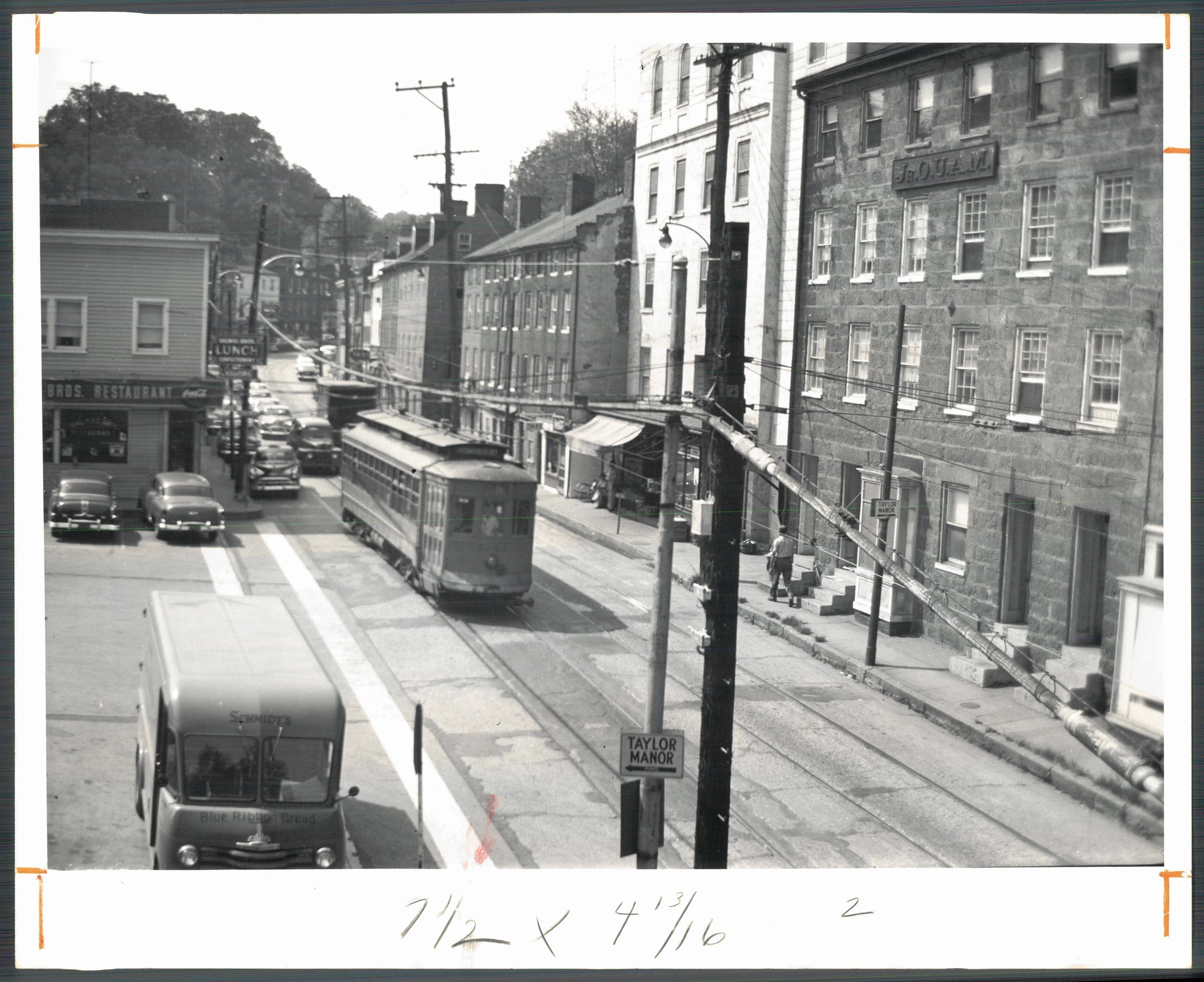
The free Old Ellicott City Trolley, when running, operates Saturdays and Sundays from 11 a.m. to 7 p.m., arriving every 10 to 15 minutes, connecting the parking lots at either end of Main Street. Beyond that weekend service, getting around downtown is on foot; the drive-time and distance figures for reaching the town from Baltimore and D.C. are in the table below.
| Question | If you’re visiting | If you’re considering a move |
|---|---|---|
| How do I get downtown? | Drive; no transit reaches Main Street directly | Commute is car-dependent; average commute is about 28 minutes |
| What’s the flood risk? | Avoid Main Street during active storm warnings | About 8% of properties carry severe 30-year flood risk |
| What will it cost me? | Free museum, free weekend trolley | Typical home value is $686,219, well above the state’s $434,033 |
| What’s the school situation? | Not relevant to a visit | Howard County schools ranked #1 in Maryland, 2026 |
The gap between visiting and moving here isn’t cosmetic: a visitor’s biggest risk is a rained-out afternoon, while a buyer’s biggest risk is a flood-zone property decision that outlasts any single storm season.
| Fact | Figure | As of / Source |
|---|---|---|
| Population | 75,947 | 2020 Census, census.gov |
| Station built | 1830 to 1831 | SAH Archipedia |
| Typical home value | $686,219 | April 2026, Zillow ZHVI |
| Severe flood risk share | 8% of properties (1,318) | Redfin / First Street |
| Drive time to Baltimore | 14 mi / 24 min | Trippy / Travelmath |
| Drive time to Washington, D.C. | 40 mi / 54 min | Travelmath |
Comments