
Financing: what changes if you’ll live in one unit
An owner-occupant buying a duplex with FHA financing must occupy one unit as a primary residence for at least 12 months, the standard FHA owner-occupancy rule. Rental income from the other unit can be counted toward qualification: lenders apply the 75%-of-gross-rent convention documented in the Fannie Mae Selling Guide, which multiplies the appraiser’s market rent or the signed lease amount by 75% before adding it to qualifying income, treating the remaining 25% as a built-in allowance for vacancy and maintenance. VA-eligible veterans can buy an owner-occupied duplex with 0% down under the same occupancy requirement.
An investor buying a duplex with no intention of living there uses a conventional investment-property loan. Down payment requirements are set by the lender and typically land well above the 3.5% to 5% required for a primary residence; a commonly cited range is 15% to 25%, though the exact figure depends on credit score, reserves, and the lender’s individual overlays, not one published number.
The self-sufficiency test doesn’t apply to duplexes
HUD’s self-sufficiency test requires 3- and 4-unit FHA purchases to show that 75% of the appraised rent for all units, including the one the borrower will occupy, is equal to or greater than the full PITI payment. Two-unit properties are exempt from this test entirely: an FHA loan on a duplex is approved on the standard borrower debt-to-income calculation, the same as a single-family purchase, and rental income only helps, it never disqualifies. Several mortgage brokers steer first-time multi-unit buyers toward duplexes for exactly this reason: a triplex or fourplex that looks affordable on paper can still fail to qualify for FHA financing if projected rents don’t clear the 75% threshold, a math problem that doesn’t exist for two-unit purchases.
| Financing path | Down payment | Self-sufficiency test applies? | % of rental income counted |
|---|---|---|---|
| FHA, owner-occupied duplex | 3.5% | No (2-unit exempt) | 75% of market rent/lease, added to qualifying income |
| FHA, owner-occupied 3-4 unit | 3.5% | Yes, 75% of all-unit rent must meet or exceed PITI | Same 75% convention, capped by the test itself |
| VA, owner-occupied duplex (eligible veteran) | 0% | No | Rental income may offset the payment |
| Conventional, investor-only duplex | ~15% to 25% (lender-dependent) | No, the rule doesn’t exist outside FHA multi-unit loans | 75% of lease/market rent |
The exemption matters most at the margin: a duplex with soft rents can still close with FHA financing because the test that would kill a similar triplex deal isn’t part of the underwriting.
Does the FHA self-sufficiency test apply to duplexes?
No. The test applies only to 3- and 4-unit FHA purchases. A duplex is underwritten like a single-family home, with rental income from the second unit counted at 75% toward qualification but never required to cover the mortgage on its own.
Confirm it’s a legal two-unit property before you offer
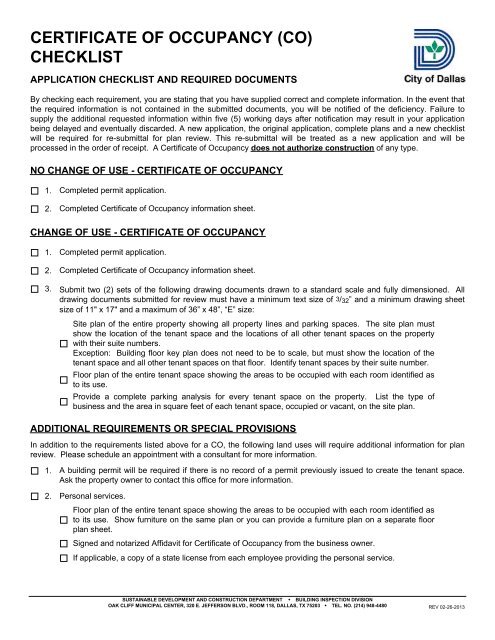
A “duplex” on a listing sheet isn’t automatically a legal one. Local building departments confirm two-unit status by issuing a certificate of occupancy for that use, and each unit generally needs its own full kitchen, its own bathroom, and a fire-rated separation from the other unit, commonly a one-hour-rated wall or floor assembly. If an inspector finds the layout doesn’t match approved plans, the fix isn’t cosmetic: it triggers code-enforcement action, and in the meantime the property may be unfinanceable and uninsurable, since most lenders and insurers require a valid certificate of occupancy before approving a loan or issuing a policy. A finished basement apartment without permits is the most common version of this problem, and it’s invisible on a normal walkthrough. Before writing an offer, pull the property’s permit history and certificate of occupancy directly from the municipal building department, not just the seller’s disclosure.
How do I verify a property is legally a two-unit before I make an offer?
Request the certificate of occupancy and permit history directly from the municipal building department, not just the listing agent. Confirm the CO specifies two dwelling units, check that both units have independent kitchens and bathrooms, and ask whether the separation between units meets current fire code. Make the offer contingent on this verification.
The duplex’s physical layout changes the risk profile
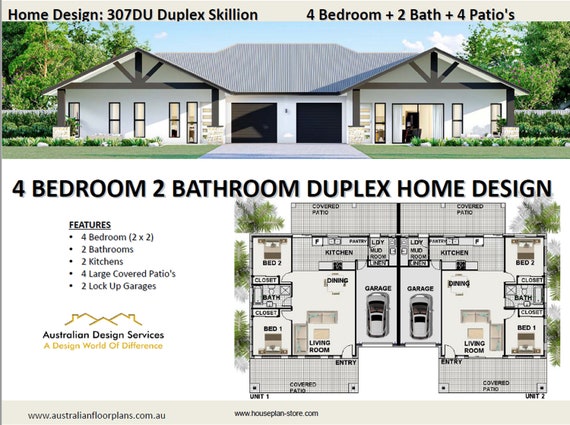
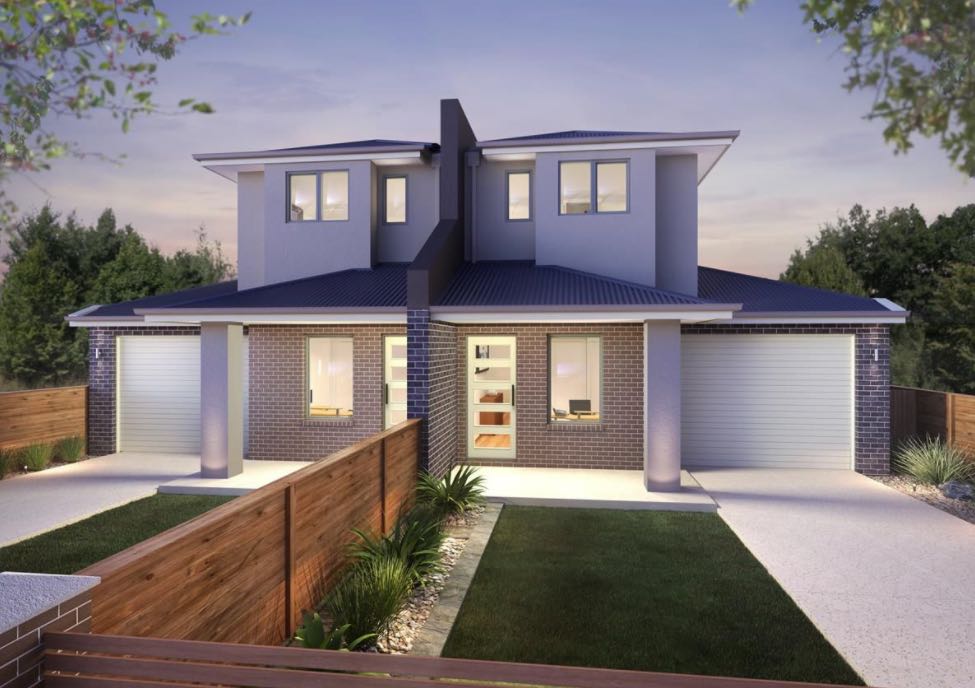
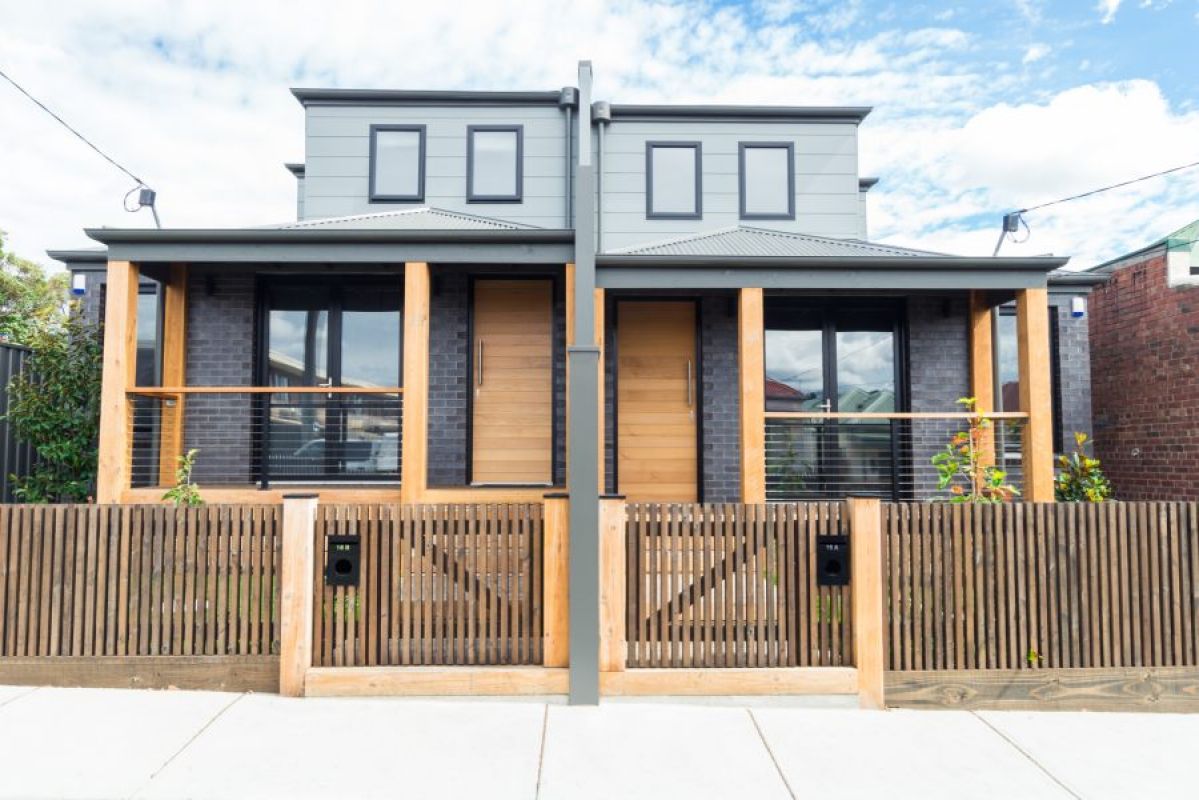
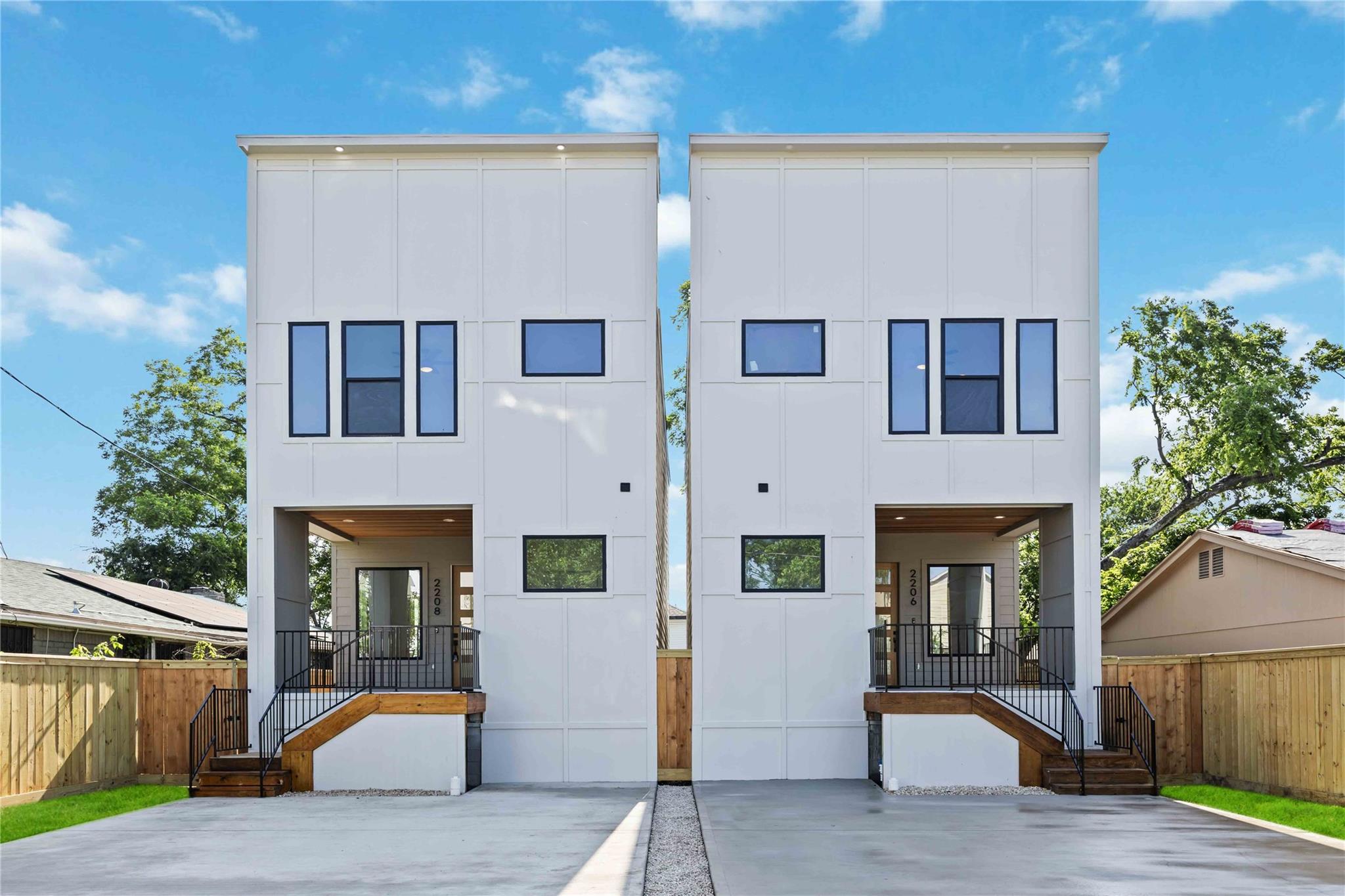
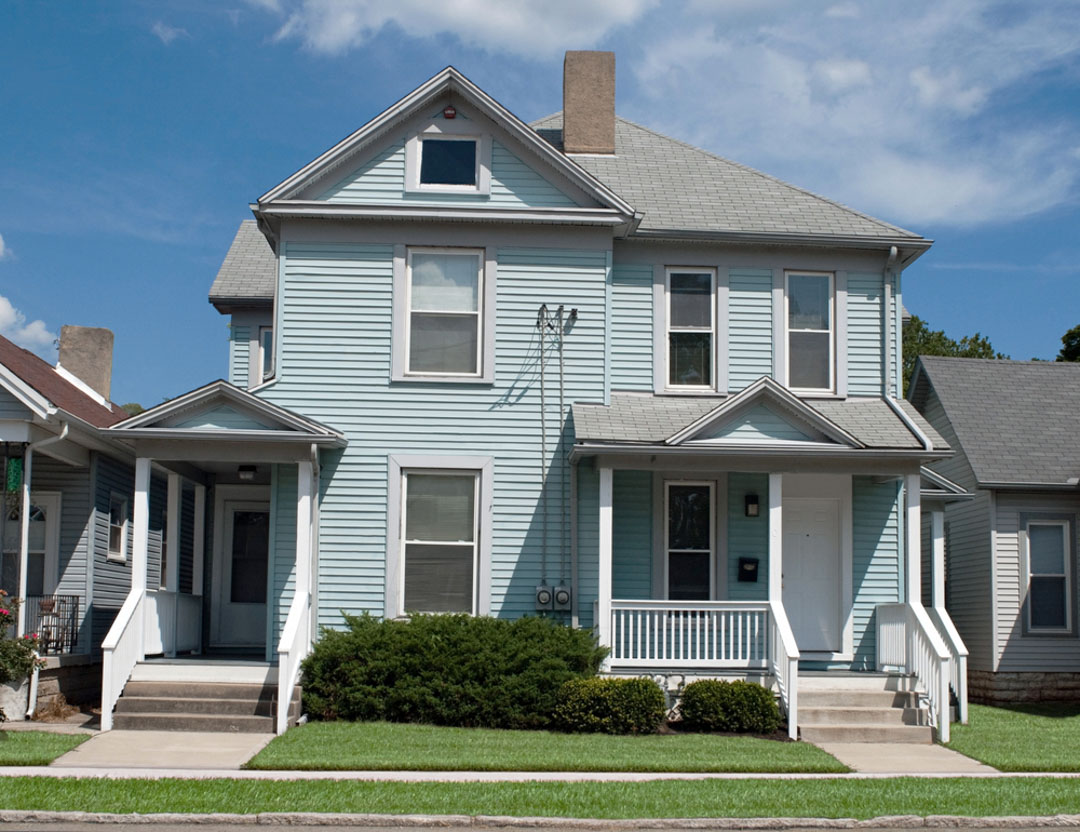
Duplexes come in a few physical configurations, and the differences aren’t cosmetic; they change what can go wrong.
| Type | Typical advantage | Typical friction |
|---|---|---|
| Side-by-side | Independent entrances and party wall make separate utility metering more feasible | Roof, foundation, and structural repairs are still a shared decision even with separate living space |
| Stacked (upper/lower) | Often lower cost per square foot to build or buy | Shared plumbing stacks and sometimes shared HVAC mean a failure in one unit is more likely to affect the other |
| Back-to-back | Minimal shared frontage and street noise between units | Harder to confirm independent ingress and egress meets fire code, a direct issue for the certificate-of-occupancy check above |
| Larger-owner’s-unit configuration | Owner gets a full-size home; smaller unit rents easily | The smaller unit’s lower market rent reduces the dollar amount counted toward qualifying income under the 75% rule |
The friction column, not the advantage column, should drive the inspection checklist: a stacked duplex needs a plumbing-stack inspection a side-by-side doesn’t, and a back-to-back layout needs an egress review a larger-owner’s-unit layout doesn’t.
Zoning is loosening in some cities
Zoning warnings in most duplex guides are generic and outdated. Seattle replaced single-family zoning with “Neighborhood Residential” zoning through interim legislation (Council Bill 120969) adopted in June 2025 and a permanent update in February 2026, and the city now permits at least four homes, duplexes included, on any residential lot. Buyers in cities with recent “missing middle” reforms should check current zoning directly rather than assume a duplex purchase or conversion is restricted.
The real cost checklist
Utilities
A single water or electric meter serving both units is common in older duplexes and creates a real negotiation, not just an inconvenience. In California, a landlord generally can’t bill a tenant separately for water on a shared meter unless the unit is individually submetered (Civil Code §1940.9), so the cost gets folded into rent instead. Other states permit ratio billing on shared meters when the lease discloses the method, an approach outlined by state consumer-protection agencies such as the Office of the Ohio Consumers’ Counsel. Either way, the metering setup needs to be resolved before the lease is signed, not discovered afterward.
Insurance
A standard single-family homeowners policy with $300,000 in dwelling coverage averages $2,543 a year. A duplex owner who occupies one unit needs that same coverage for their side, plus a separate landlord policy for the rented unit covering liability and loss of rental income, which adds cost on top of the baseline figure rather than replacing it. No public source publishes a duplex-specific national average; budget for the single-family baseline plus a landlord policy quote, not a single blended number.
Taxes while you own it, and Section 121 when you sell
IRS Publication 523 is explicit that when part of a property is used as a residence and part as a rental, only the gain allocable to the residential portion qualifies for the Section 121 exclusion, $250,000 for a single filer or $500,000 married filing jointly. The rental portion’s gain is taxable, and any depreciation claimed on it must be recaptured. For a duplex where the owner lived in one unit and rented the other, the gain at sale is typically split by square footage or fair market value between the two units, with only the owner-occupied half getting the exclusion.
Do I owe capital gains tax on the rented unit when I sell?
Generally yes. The portion of gain allocated to the unit you rented out is taxable, separate from whatever exclusion applies to the unit you lived in, and any depreciation you claimed on the rented unit is recaptured as ordinary income at sale.
Mistakes that cost duplex buyers money
- Budgeting one inspection for what is really two homes. A duplex needs the same scrutiny on both units, and repair costs on the second unit are just as real as the first, even when only one side gets walked carefully.
- Forgetting that FHA mortgage insurance doesn’t expire on its own. At 3.5% down, the mortgage insurance premium stays on the loan for its life unless the owner refinances once enough equity has built up.
- Treating shared metering as a minor annoyance. Left unresolved before the lease is signed, it becomes a recurring dispute over who pays for whose water heater.
- Underestimating landlord insurance as an add-on, not a replacement. The rented unit needs its own liability and loss-of-rent coverage layered on top of standard dwelling coverage, not instead of it.
Duplex vs. two single-family rentals: which pencils out
| Factor | One duplex | Two single-family rentals |
|---|---|---|
| Transaction costs | One loan, one closing, one title process | Two full sets of loan origination and closing costs |
| Financing terms | Owner-occupant can use FHA at 3.5% down if living in one unit | Both purchased as investment property, since FHA and VA occupancy rules don’t extend across two separate addresses |
| Resale pool | Fewer buyers shop specifically for multi-unit properties | Each property sells into the much larger single-family buyer pool |
| Management overhead | One roof, one address, one insurance policy, one tax bill | Two of everything: two maintenance calls, two policies, two tax bills |
The financing-terms row is what usually settles this for a first-time buyer: FHA’s 3.5% down is only available on the duplex path if the buyer occupies a unit, and it isn’t available at all for two purely investment-only single-family purchases.
Is it better to buy one duplex or two single-family rentals with the same money?
If you’re willing to live in one unit, a duplex usually wins on financing, since FHA’s 3.5% down isn’t available for two separate investment-only purchases. If you have no intention of occupying either property, the comparison shifts toward resale liquidity, since two single-family rentals sell into a larger buyer pool and let you exit one without touching the other.
Comments