
What “cheap” means at different price bands
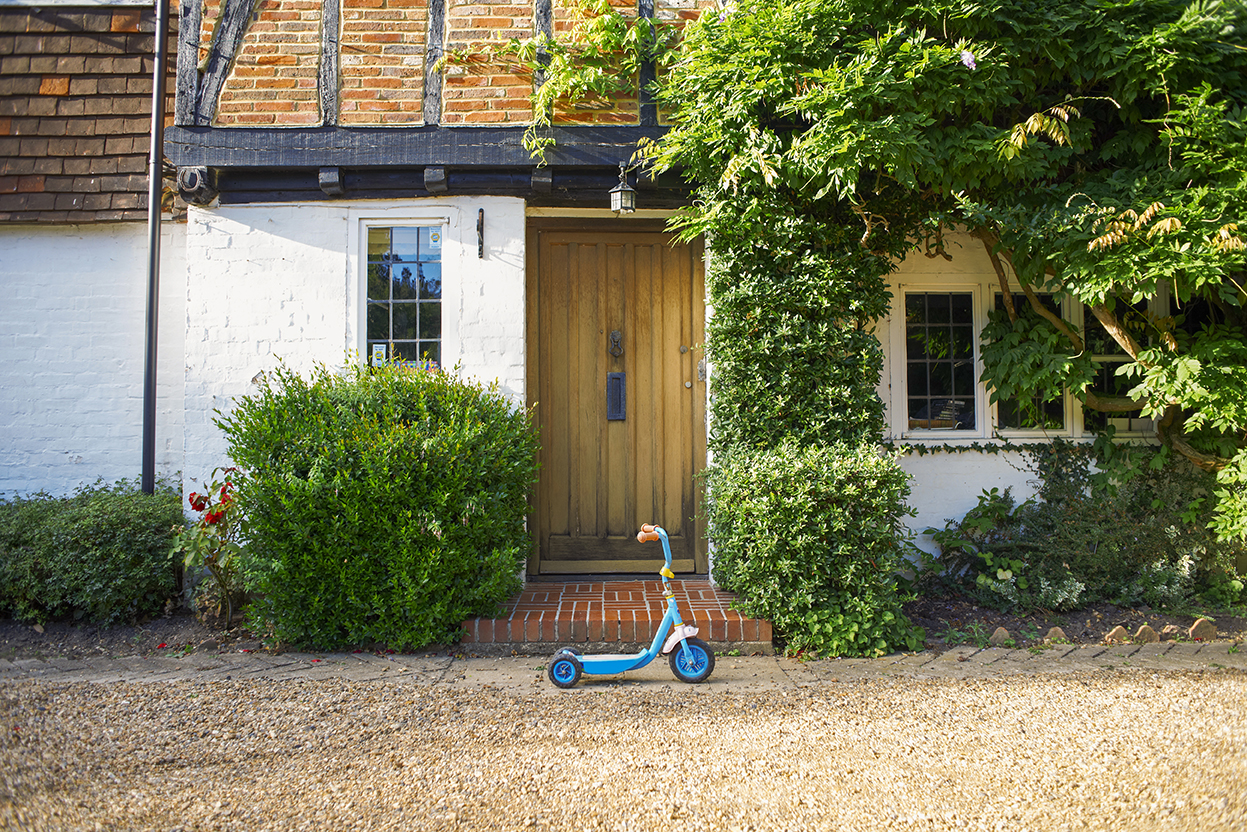
“Cheap” describes at least four different products, not one. A $60,000 rural fixer, a $150,000 state-median home in West Virginia, and a listing marketed as “cheap” inside an expensive metro solve completely different problems for completely different buyers, and treating them as one category is where most cheap-home searches go wrong before they start.
| Price band | Typical condition | Typical location | Who it suits |
|---|---|---|---|
| Under $70,000 | Small, older home, often needs system work | Rural counties in states such as West Virginia, Mississippi, Arkansas, Oklahoma | Cash buyers, investors, buyers who can manage a rehab |
| $70,000 to $150,000 | Livable with light cosmetic work; manufactured homes common in this band | Small cities and rural areas across the South and Midwest | First-time buyers who can qualify for a small FHA or USDA loan |
| $150,000 to $270,000 | Full state-median home, standard condition | Statewide in low-cost states, not just rural pockets | Buyers wanting a normal, non-distressed home in a cheap state |
| “Cheap” inside an expensive metro | Bottom of that local market’s price tier, still high nationally | Any high-cost metro area | Buyers priced out locally, not national bargain shoppers |
The state-median band is the one buyers most often misread: a home priced at a cheap state’s median is a materially different purchase than a home priced at a third of it, even though both get called “cheap” in casual conversation.
The main categories of cheap homes and how each is financed
Four financing paths cover almost every sub-$150,000 purchase, and the friction sits less in loan limits than in whether a lender wants to originate a small balance at all.
| Category | Financing options | Minimum-loan friction | Cash-purchase likelihood |
|---|---|---|---|
| Distressed or REO under $70,000 | Conventional, portfolio loans from local credit unions | High: denial rates run roughly double for loans under $70,000, and Urban Institute’s default-rate comparison shows this is unrelated to applicant credit | High |
| USDA-eligible rural home | USDA Guaranteed or Section 502 Direct | Low: guaranteed loans carry no preset minimum loan amount | Low, zero-down financing is common |
| FHA-eligible home needing repair | FHA 203(k) rehabilitation mortgage | Low on the loan-limit side: the 2026 FHA floor is $541,287 for a single-family home in a low-cost area | Medium |
| Manufactured or mobile home on owned land | Chattel loan, or FHA Title I/II if titled as real property | High if the home is titled as personal property rather than real property | Medium to high |
One number surprises most first-time buyers of a distressed home: Rocket Mortgage’s 2026 lending guide lists the minimum FHA 203(k) rehab loan balance at $5,000, a figure that usually comes up for the first time mid-application rather than during initial house hunting.
Can I get a mortgage on a home under $60,000?
Yes, but expect a smaller pool of willing lenders. USDA guaranteed loans carry no preset minimum, and small local banks and credit unions originate more small-balance conventional loans than large national lenders do.
The true cost: what the sticker price doesn’t include
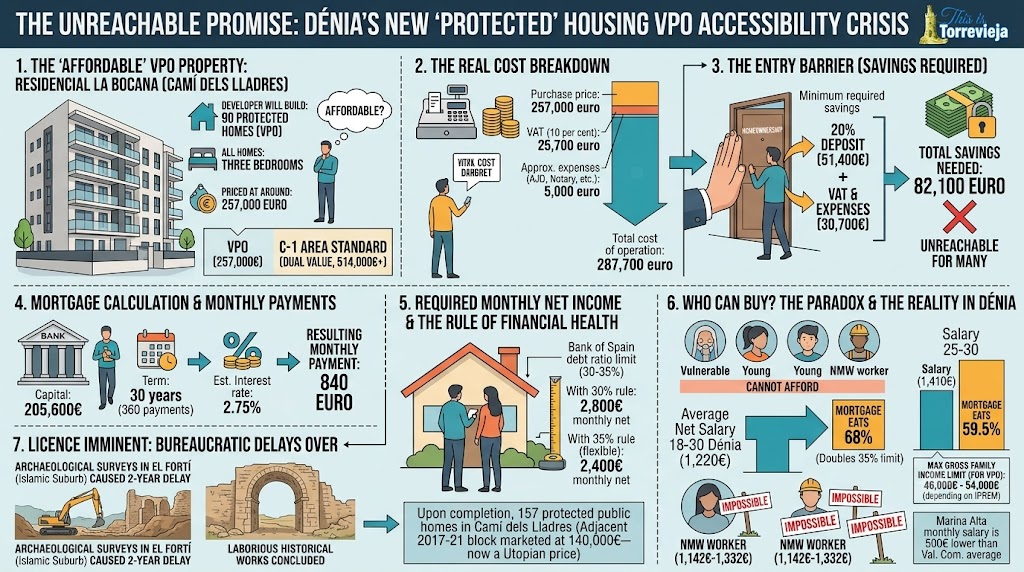
Property tax, insurance, and rehab budget change the real entry cost of a cheap home more than the listing price does, and none of them are optional line items to defer thinking about.
| Category | Typical rehab range | Property tax note | Realistic total entry cost |
|---|---|---|---|
| Move-in ready, $150,000 to $270,000 band | $0 to $10,000 cosmetic | Effective rates run from 0.27% in Hawaii to 2.23% in New Jersey, per the Tax Foundation’s 2026 property tax data | Price plus 2 to 5% closing, plus ongoing tax |
| Light-cosmetic fixer, $70,000 to $150,000 | $15 to $60 per square foot for a standard whole-house renovation, per HomeGuide’s 2026 remodeling cost data | Same state rate applies, on a much smaller tax base | Price plus rehab plus closing |
| Distressed or REO under $70,000 | $60 to $150 per square foot if a full gut renovation is required | Tax is proportionally heavier on a cheap home’s carrying cost than on an expensive one at the same rate | Rehab cost can approach or exceed the purchase price |
An average whole-home renovation for a 1,250 to 1,600 square foot house runs $52,135, according to Angi’s 2026 renovation cost data, which is worth comparing directly against the purchase price before assuming a distressed home is the better deal.
Is a $30,000 house livable?
Sometimes, if it only needs cosmetic work. But a $30,000 purchase paired with a $60,000 rehab is a $90,000 project, and the true-cost table above is the number to budget against, not the listing price alone.
Where cheap homes are concentrated
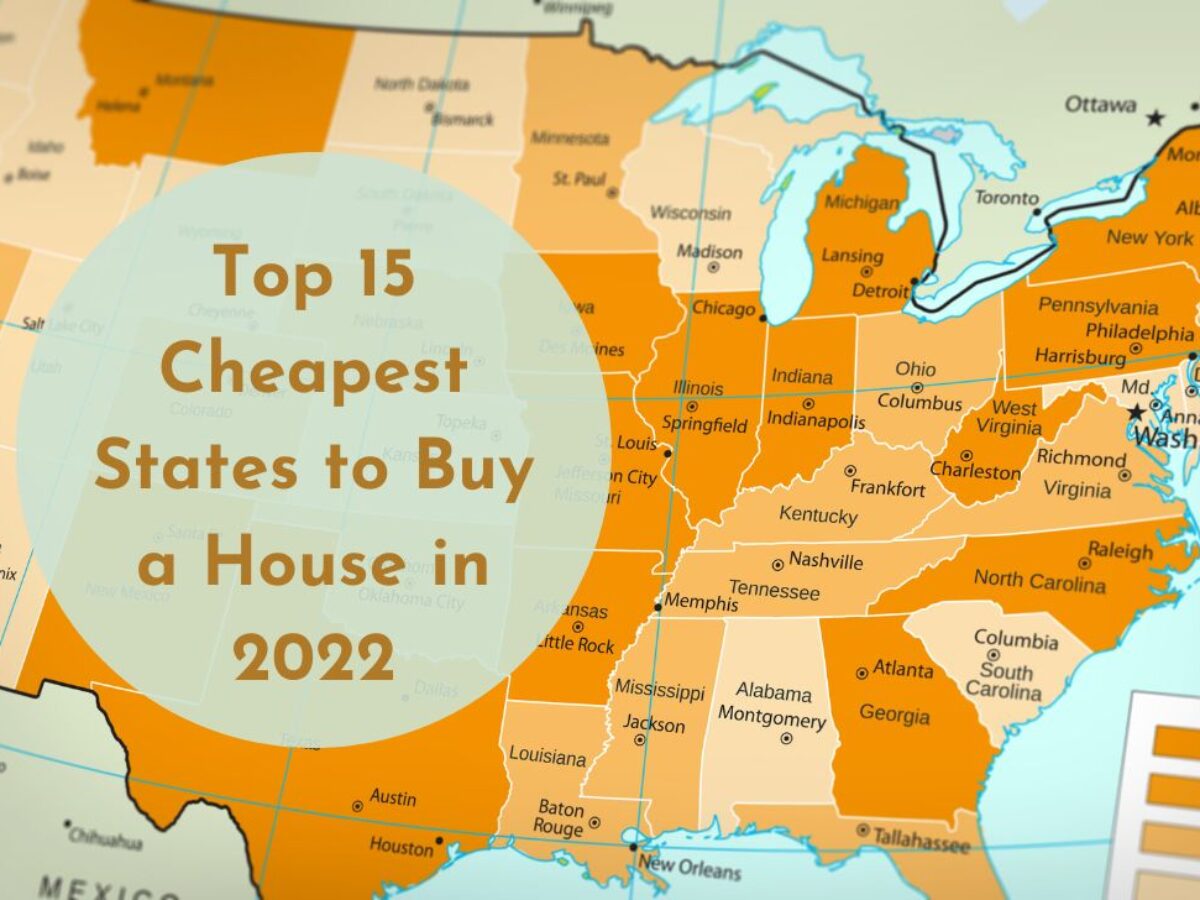
West Virginia, Mississippi, Oklahoma, and Arkansas consistently rank among the lowest-priced states in 2026 data, but the exact figures attached to that ranking vary more than the headlines suggest.
Why are some states so much cheaper than others?
Lower land cost, weaker construction demand, and slower population growth all compress prices in states like West Virginia and Mississippi. The same forces that keep prices low also tend to limit local job markets, which is part of why the discount exists in the first place.
Common mistakes and red flags

- Skipping title research on tax-lien properties: a clouded title can block resale or refinancing for years after closing.
- Treating an “as-is” REO disclosure like a normal seller disclosure: bank-owned sellers typically disclose far less than an owner-occupant would.
- Underestimating occupancy risk on a pre-foreclosure: a previous owner or tenant may still be living in the home at closing, and eviction timelines vary widely by state.
- Ignoring carrying cost on a cheap home: property tax and insurance make up a larger share of a $60,000 home’s annual cost than of a $400,000 home’s.
Is buying a cheap home a good investment?
It depends on the true-cost math above, not the sticker price. A $40,000 home needing $70,000 of rehab is a $110,000 investment competing against other $110,000 homes on the market, not against its own $40,000 price tag.
When this doesn’t apply to you
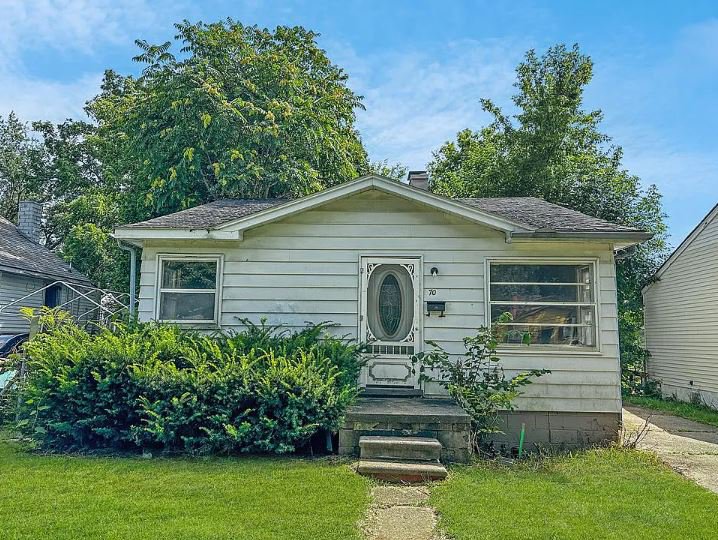
If you’re shopping inside a high-cost metro, “cheap” there can still land well above the national median, and the sub-$100,000 financing friction described above mostly won’t be the obstacle you run into. Your constraint is local competition and inventory, not lender appetite for a small loan.
Where to actually find current listings
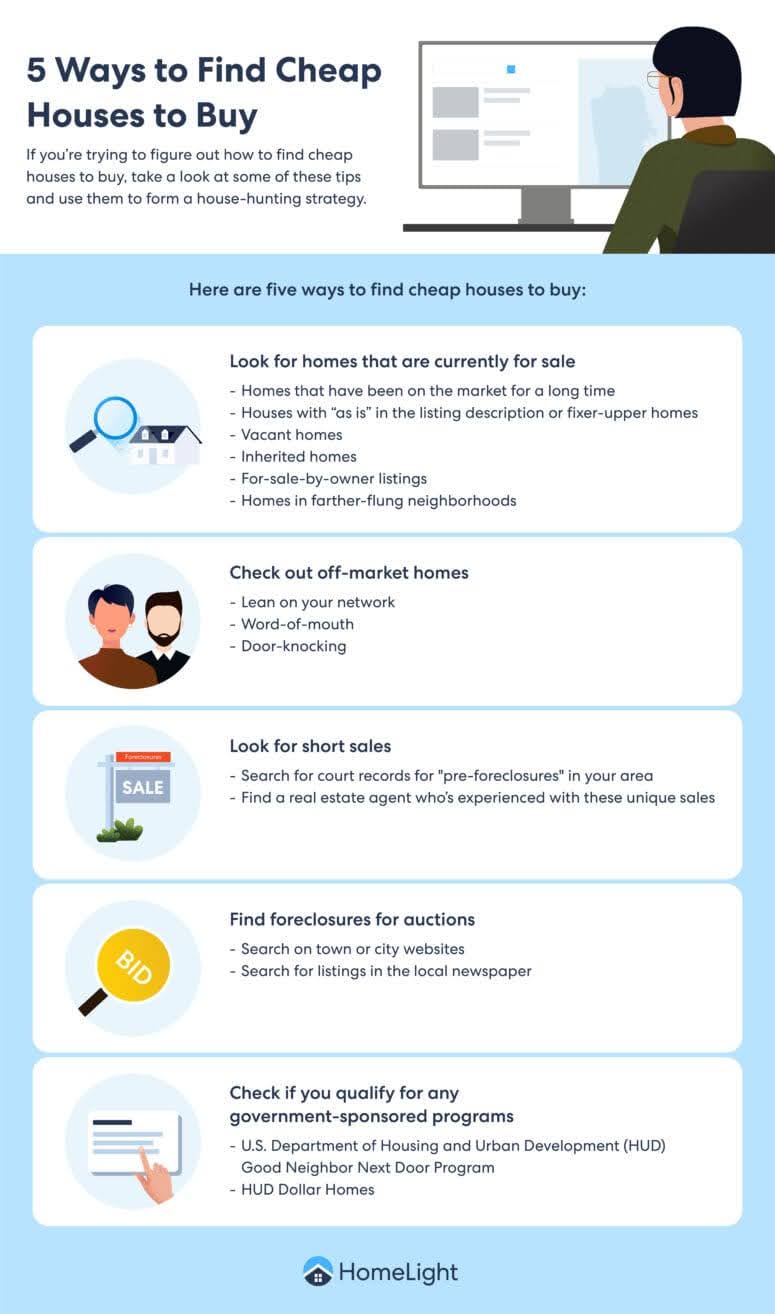
State and local MLS-fed listing sites carry live, address-level inventory that a static guide can’t reproduce or keep current, so treat the tables above as the filter to apply once you’re looking at real listings rather than as a substitute for them.
Comments