
What a Cheap 1-Bedroom Costs After Fees and Utilities
HUD defines a “cost-burdened” household as one paying more than 30% of gross income on housing. The 2023 American Community Survey found 49.7% of U.S. renter households met that definition, with a median rent-to-income ratio of 31% (Census Bureau). That 30% figure isn’t the only one circulating.
| Rule | Income this implies | Best-fit renter | Known weakness |
|---|---|---|---|
| 30% of gross income (HUD standard) | ≥ $5,167/mo ($62,000/yr) | Default for lenders and most affordability calculators | Ignores market-tier and household-size differences |
| 25% of gross income | ≥ $6,200/mo ($74,400/yr) | Renters wanting a cushion for existing debt | Older, stricter standard than what current landlords typically screen against |
| 50/30/20 budget rule | Rent shares the 50% “needs” bucket with groceries and utilities | Renters building a full budget, not just a rent ceiling | Doesn’t produce a rent number by itself |
| Landlord income-multiple screening (2.5x–3x rent) | $3,875–$4,650/mo | Applies at application time regardless of your own math | A separate hurdle from any affordability rule |
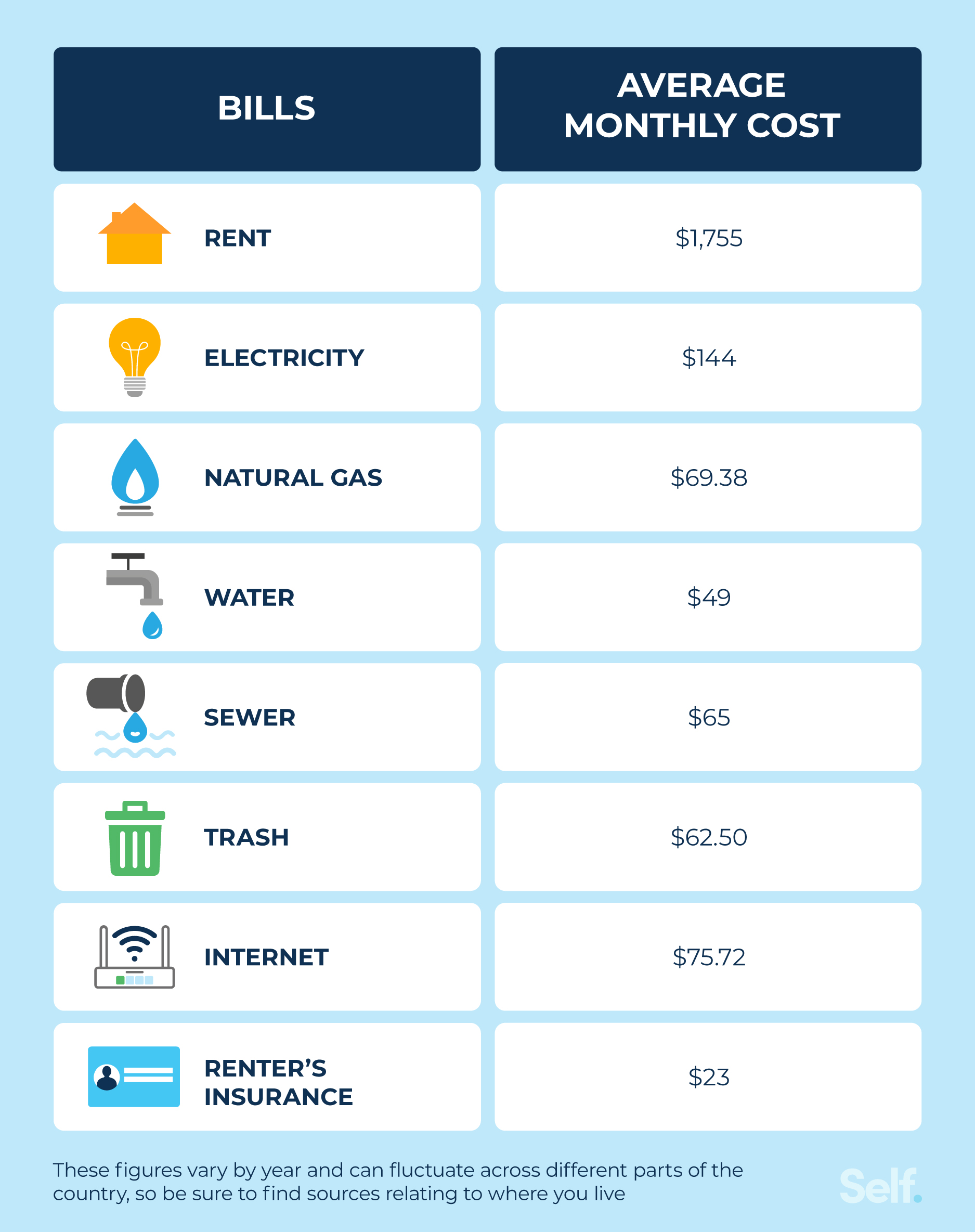
Rent alone rarely tells you what you’ll actually pay each month.
| Cost line item | Low | High | Note |
|---|---|---|---|
| Rent | $1,526 | $1,550 | Zumper vs. ApartmentAdvisor, June 2026 |
| Utilities (electric, gas, water) | $143 | $180 | Apartment List’s national 1BR average is $143.44; upper end reflects extreme-climate markets |
| Internet | $40 | $75 | Typical range across providers |
| Renters insurance | $15 | $25 | Frequently lease-required, never included in advertised rent |
| Mandatory fees (admin, amenity, trash, pest, etc.) | $150 | $460 | 10% to 30% of rent, per the Urban Institute analysis cited in San Francisco’s 2026 fee-disclosure proposal |
| Total realistic monthly cost | $1,874 | $2,290 |
A unit quoted $150 below the neighborhood median can still land above it once these lines are added; the fee row is usually the one missing from the advertised number, not the rent itself.
Does the 30% rule use income before or after taxes?HUD and most landlords calculate it against gross, pre-tax income. Measuring it against take-home pay instead makes the identical rent look like a noticeably higher share of what actually lands in your account.
When It’s Fine to Exceed the Guideline

The 30% threshold marks where financial risk starts building. Two situations make a temporarily higher share defensible: an unstable housing situation where signing any safe lease quickly outweighs the ratio, and a job relocation where the income used in the calculation will rise within a few months of moving. Outside those two cases, a share climbing toward 40% to 50% is the range where Census data shows renters cutting into food, transportation, and medical spending to cover it.
Where the Real Savings Are

A handful of tactics move the number more than the rest, and most are already familiar, so treat them as a baseline. Off-season timing is worth less than many guides imply: Apartment List’s data puts the national gap between the summer peak and the November low at 1.6%, about $25 a month on a $1,550 rent. A roommate splitting a 1BR remains the single largest lever available to a renter who can tolerate shared space; the per-person numbers are in the comparison below. Expanding the search radius only pays off once you separately price the commute; a $150 discount two transit zones out that costs $120 a month in extra travel has saved you $30. Search across at least two listing platforms, since inventory and fee structures differ enough between them that the same unit can carry different effective prices depending on where it’s listed.
One Bedroom vs. the Alternatives
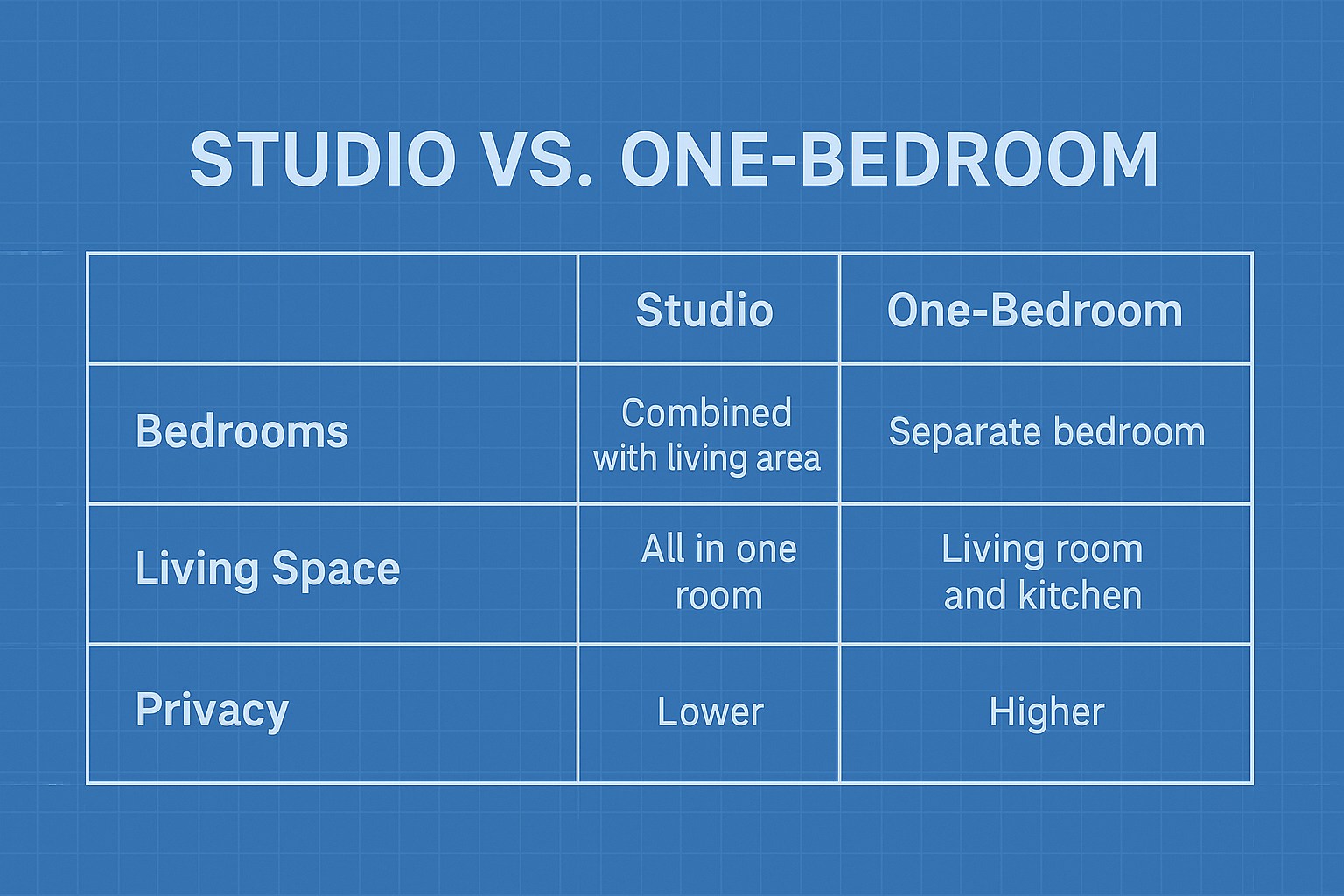
Comparing across unit types, not just across neighborhoods, is where the 1-bedroom-specific savings usually live.
| Unit type | Monthly cost per person | Privacy | Best for |
|---|---|---|---|
| 1BR solo | $1,526–$1,550 | Full unit | Renters who value not sharing space over saving money |
| 1BR split with a roommate | ~$763–$775 | Shared bedroom or converted space | Renters willing to trade privacy for the steepest per-person savings |
| 2BR split two ways | ~$953 ($1,905 ÷ 2, Zumper) | Separate bedrooms, shared common space | Renters who want a private room without the full 1BR-solo price |
| Studio | Typically below a 1BR, though the gap varies widely by city | No separate bedroom | Renters prioritizing the lowest total rent over a sleeping-space split |
Splitting a 2BR two ways often beats a 1BR shared with a roommate on privacy per dollar, since each person keeps a separate bedroom for a similar or lower per-person cost.
Renter Protections That Apply Right Now

Three legal categories affect what a cheap listing actually costs you and whether you can act on it.
Security deposits
About 20 states, including Texas and Florida, set no statutory maximum on deposits. Where a cap exists, it typically runs one to two months’ rent: California’s AB 12 capped most deposits at one month starting July 1, 2024, and Colorado adopted the same one-month cap effective January 1, 2026 (state comparison). Georgia moved the other direction, adopting a two-month cap in July 2024 after previously having none.
Fee disclosure
Colorado’s HB25-1090, effective January 1, 2026, requires rental ads to show one total price including mandatory fees and caps annual fee increases at 2%. In December 2025, Greystar Real Estate Partners, the largest residential rental manager in the country, agreed to pay $24 million to settle FTC and Colorado allegations that it advertised rent without mandatory fees folded in. The FTC opened a broader rulemaking on rental fee practices in March 2026.
Source-of-income protection
Roughly 20 states now bar landlords from refusing an applicant solely for paying with a Housing Choice Voucher; the federal Fair Housing Act does not include source of income as a protected category, so coverage depends entirely on your state and, in some cases, your city.
| Protection | Typical coverage | How to verify locally |
|---|---|---|
| Security deposit cap | No cap in about 20 states; one to two months’ rent where capped | Search your state’s current statute or your attorney general’s consumer page |
| All-in fee disclosure | Advertised price must include mandatory fees; Colorado also caps fee increases at 2%/year | Check whether your state or city passed a rule since 2024; Massachusetts and Virginia have separate versions taking effect in 2025–2026 |
| Source-of-income protection | Bars refusing a voucher solely for how you pay | Confirm state law first, then check your city; local rules can extend or, in rare cases, conflict with state law |
| Application fee caps | Some states now cap the fee charged just to apply | New Jersey capped application fees at $50 starting May 1, 2026 |
Do all states cap how much a landlord can charge for a security deposit?No. About 20 states, including Texas and Florida, set no statutory maximum. Where a cap exists it typically runs one to two months’ rent.
Qualifying for the Unit You Find
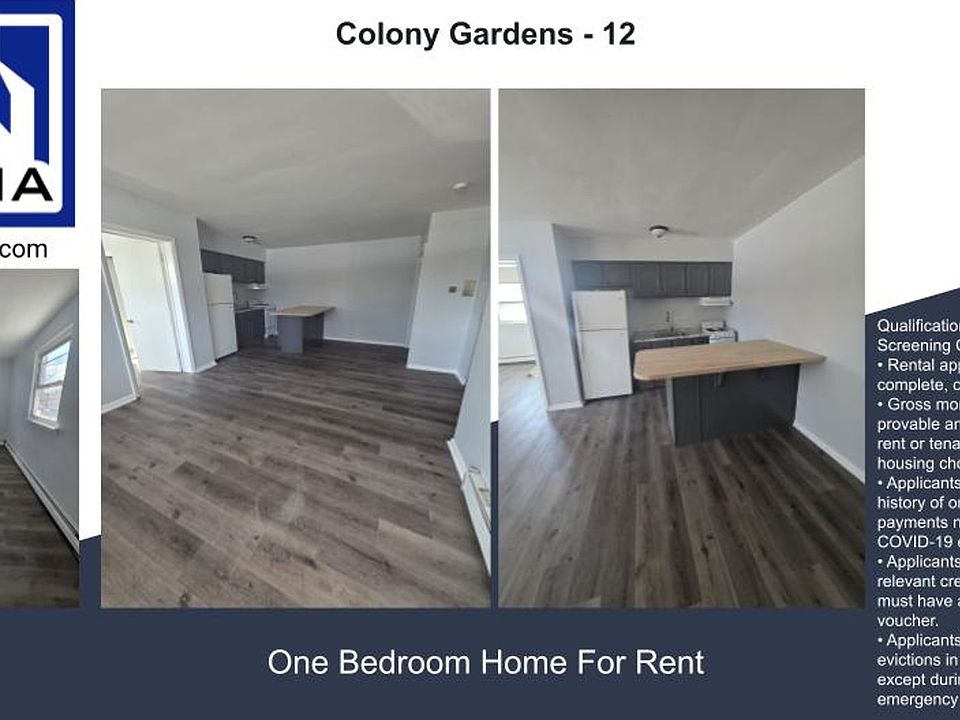
A unit priced within your budget still requires clearing a landlord’s separate screening test. Industry data from Zumper puts the common minimum credit score at 620 to 650, with 700 or higher speeding up approval. Income screening typically requires gross monthly income of 2.5 to 3 times the rent, applied on top of any personal budgeting rule. A $1,550 unit can require $3,875 to $4,650 in verified monthly income even when your own 30%-rule math says you can afford it.
Will landlords accept a housing voucher for a cheap listing?It depends entirely on your state and city. In the states that have passed one, a source-of-income law legally requires landlords to accept Housing Choice Vouchers as valid income; outside those jurisdictions a landlord can decline a voucher for any reason.
Spotting a Listing That’s Too Cheap to Be Real
Renters have reported nearly $65 million in losses across about 65,000 rental scams since 2020, and roughly half of those scams started with a fake ad on Facebook (FTC). Renters age 18 to 29 are three times more likely than other adults to report losing money this way.

- Price far below comparable units nearby. The FTC lists this as one of the clearest single tells.
- Payment demanded before any in-person viewing. Insisting on payment sight-unseen, especially by wire transfer, gift card, or cryptocurrency, is close to a guarantee of fraud.
- The same address listed under different names or prices. Search the address online; duplicate listings with different contact information are a documented scam pattern.
- Pressure to decide immediately. Scammers manufacture urgency to short-circuit the verification steps above.
Is a rent price far below the neighborhood average always a scam?Not always, but it’s one of the FTC’s most common single indicators. Verify by searching the address for duplicate listings before sending any money.
Comments