
What “Bedford, New York” Actually Means
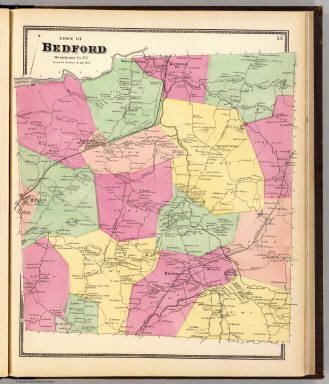
Bedford is the name of one town government, not one village. It governs three hamlets, Bedford Village, Bedford Hills, and Katonah, under a single town board seated in Bedford Hills. According to the Town of Bedford, the town was established in 1680 and today covers 39.3 square miles with a 2020 census population of 17,309.
“Bedford Village” is a place name only. The three hamlets share one local government and police department; there is no separate incorporated Village of Bedford sitting inside the town.
Is Bedford Village a separate village government from the Town of Bedford?No. Bedford Village is a hamlet name, not an incorporated village. All governance, zoning, and police service run through the single Town of Bedford government based in Bedford Hills.
The Three Hamlets, Compared
| Hamlet | Founded / relocated | Town role | Rail access | Defining landmark |
|---|---|---|---|---|
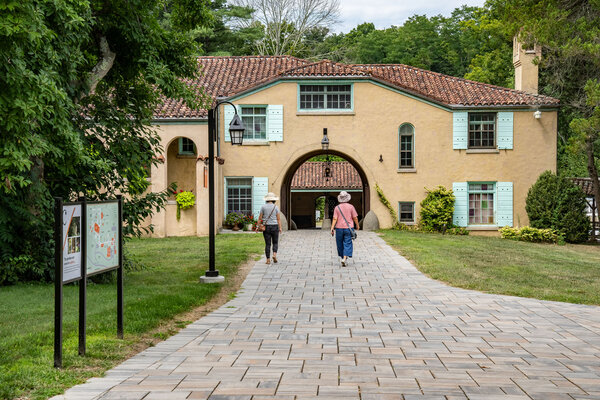
| Bedford Village | Settled 1680 | Historic core, no municipal offices | None | 1787 Court House, Village Green |
| Bedford Hills | Renamed from Bedford Station in 1910 | Seat of town government | Metro-North Harlem Line | Town House (built 1926) |
| Katonah | Rebuilt on its current site in 1897 | Cultural hub | Metro-North Harlem Line | Katonah Museum of Art |
Sources: hamlet history and renaming dates from the Town of Bedford Police Department’s hamlet history; station data from MTA.
Governance and rail access track each other here: the hamlet with the train station in 1847 grew into the seat of government by 1910, while Bedford Village, the hamlet without a station, kept its 18th-century footprint and lost the administrative role.
How Bedford Is Governed
A five-member Town Board, chaired by the Town Supervisor, governs all three hamlets from Town Hall in Bedford Hills. There is no mayor and no separate village council anywhere in the town.
Getting There: Roads and Rail
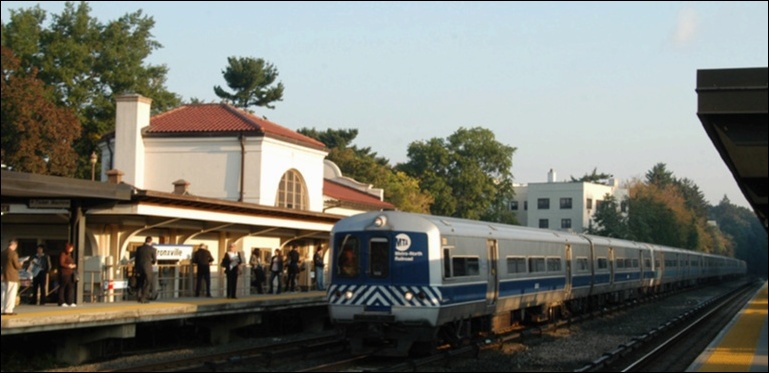
Bedford Hills and Katonah each sit directly on the Metro-North Harlem Line, confirmed by MTA’s own station page for Bedford Hills. Bedford Village has no station; reaching it means driving or taking a connecting car from one of the other two hamlets. For the town’s core, drive time to Grand Central runs around 60 minutes, the same source that puts the town’s riding-trail network at roughly 150 miles for anyone weighing horse access over train access. Published per-hamlet train travel times to Grand Central were not available from an authoritative source at the time of writing.
Which Bedford hamlet has a Metro-North station?Bedford Hills and Katonah both have Harlem Line stations. Bedford Village does not.
What It Costs to Live There
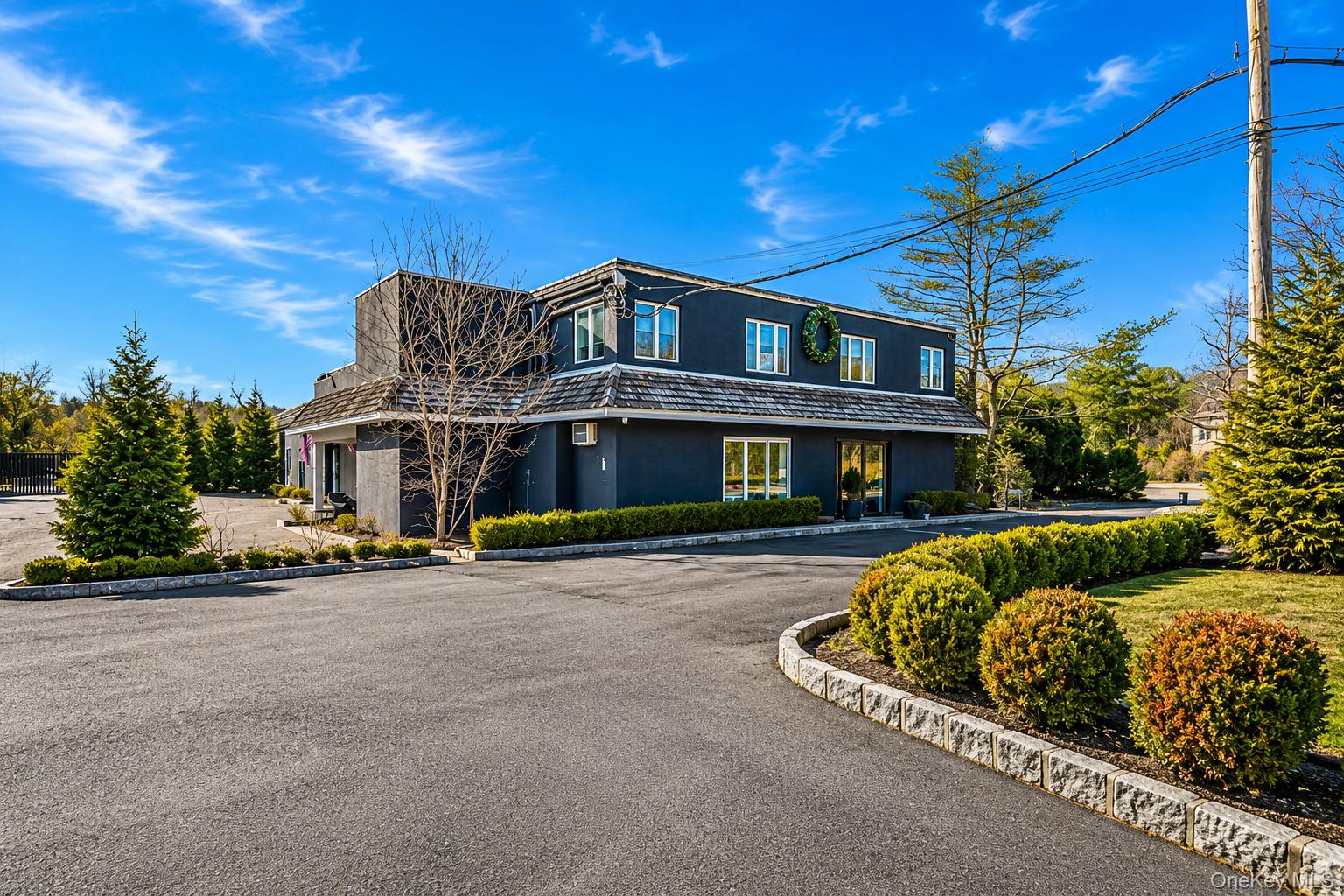
Homes near the Village Green typically run $700,000 to $900,000, the modest end of Bedford’s market; larger estate parcels with acreage price well above that band. One active example from that same listing source: White Brook Farm, a newly completed four-bedroom home on three private acres near Bedford Farms.
Are there affordable homes in Bedford, or is it all multi-million-dollar estates?Both exist. Colonials and ranches near the Village Green start around $700,000; horse-farm estates on multiple acres run well into seven figures.
A Short History: 1680 to Three Relocated Villages
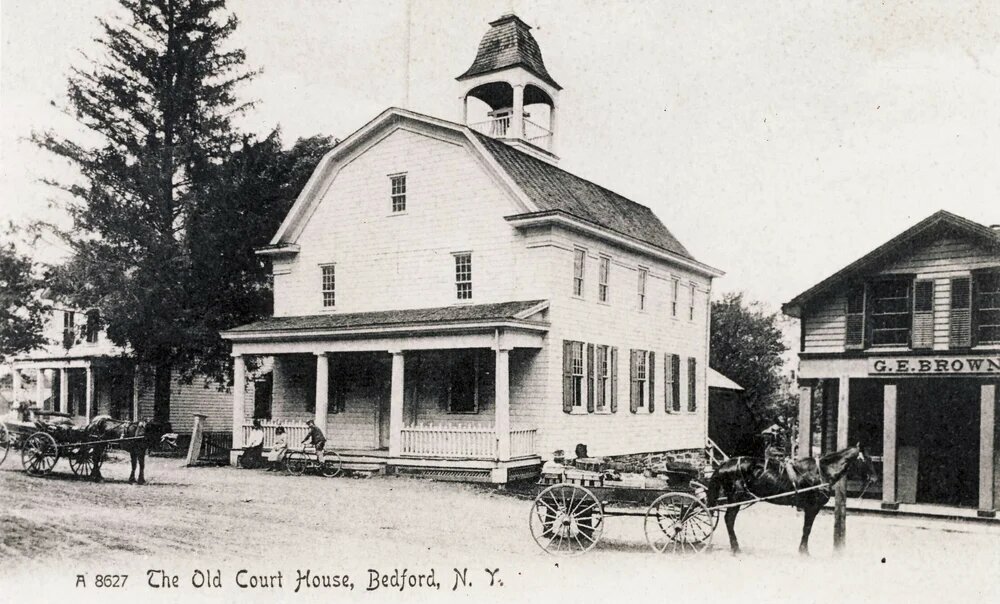
Bedford’s history is really three separate relocation stories layered under one town charter. Bedford Village was settled in 1680 and burned by British troops during the Revolution, then rebuilt on the same footprint. The railroad reached the hamlet later called Bedford Hills in 1847, and that hamlet took its current name in 1910. Katonah is the most dramatic case: the entire hamlet was picked up and moved about a mile to its present site in 1897 to make way for the Muscoot Reservoir, with houses physically relocated rather than rebuilt.

The tree still stands at Hook Road and Cantitoe Street on land deeded to the town in 1942.
Why do old maps show Katonah in a different spot than the current hamlet?Because it is a different spot. The original Katonah was relocated roughly a mile south in 1897 when the site was needed for the Muscoot Reservoir.
Common Mix-ups Worth Clearing Up
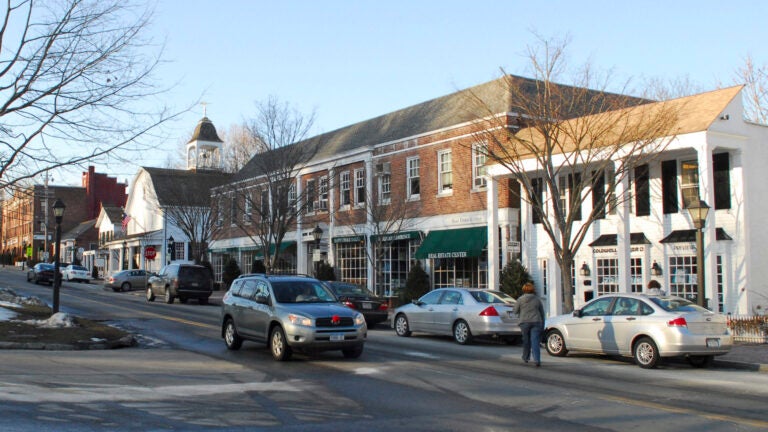
Three confusions come up often. First, this Bedford is not Bedford-Stuyvesant in Brooklyn, Bedford, New Hampshire, or Bedford, Massachusetts; all are separate places that share only a name. Second, “Bedford Corners” is a neighborhood bordering Mount Kisco inside the town, not a fourth hamlet with its own government. Third, some searches for “Bedford, NY” are actually looking for the Bedford Hills Correctional Facility, New York State’s largest women’s prison, located in the Bedford Hills hamlet but administratively separate from the town government.
Does “Bedford, NY” ever refer to the prison rather than the town?Sometimes. Bedford Hills Correctional Facility, the state’s largest women’s prison, sits in the Bedford Hills hamlet, but it is a state facility, not part of town government.
Comments