
What “beachfront,” “oceanfront,” and “near the beach” actually mean

The words on a listing are not standardized across the industry, and the gap between them is the single most common source of a disappointing beach rental.
| Term | What it actually means | What to verify on the listing |
|---|---|---|
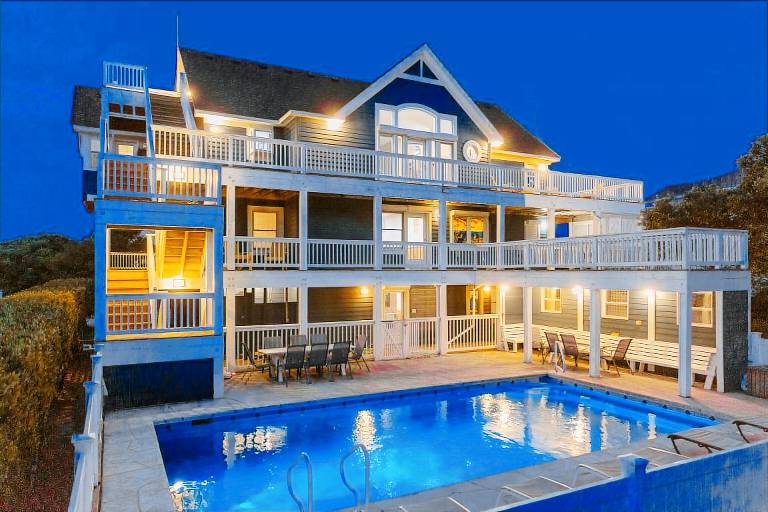
| Beachfront | Direct, step-out access to the sand; no road or second lot between the home and the water | Photos taken at ground level, not from a drone or upper deck |
| Oceanfront (Outer Banks usage) | Located directly on the beach; in this region the term is a synonym for beachfront, not a lesser version of it | Whether the listing specifies a private walkway, since not every oceanfront home includes one |
| Semi-oceanfront | One lot back from the beach, usually separated by a road; often still has an elevated ocean view | The actual distance in lots or feet, not just the label |
| Oceanside / near-beach | Three or more houses back from the water, per the convention used on North Carolina’s Outer Banks | Walking time in minutes stated by the host, not an assumption based on the town name |
The ladder above reflects how the Outer Banks rental industry itself defines these terms; other regions apply similar logic with local variations, so check the specific market’s convention rather than assuming one national standard.
Is a “beach house” always right on the sand?No. Depending on the platform and region, “beach house” can legally describe anything from a true beachfront home to a property three or more houses back from the water. Confirm the actual row and walking distance before booking.
Vacation rental or monthly rental

A rental of fewer than 28 nights on Airbnb falls under the platform’s standard cancellation policy, which guests and hosts choose from several tiers. Once a reservation hits 28 consecutive nights, Airbnb’s long-term policy takes over automatically: guests get a full refund only within 48 hours of booking, and after that a 30-day notice is required to shorten or end the stay. Vacasa draws its own line at 29 nights through its Extended Stay Program, aimed at renters covering a season or a work assignment instead of a week’s vacation. If your plan spans a full month, search using the platform’s dedicated monthly-stay filter instead of stacking several short bookings back to back, since pricing and refund terms genuinely differ.
What it typically costs
| Region | Typical nightly rate (2026 market average, entire home) | Notable seasonal pattern |
|---|---|---|
| Outer Banks, NC (Kill Devil Hills / Duck) | $348 to $489 | 55 to 65% of the region’s annual short-term rental revenue lands in June through August, per Awning’s market analysis |
| Jersey Shore (Cape May, NJ) | $585 | Rate up nearly 9% year over year as of June 2026, per AirDNA |
| Northern Gulf Coast, FL (Destin / Miramar Beach) | $433 | Revenue down double digits year over year despite a modest rate increase, signaling softer demand, per AirDNA |
| Southern California (San Clemente to Newport Beach) | $361 to $743 | Widest in-region spread of the four, driven by proximity to the water more than season, per AirDNA |
These are market-wide averages, so an individual oceanfront listing in any of these regions will price well above the row shown, and a homes-only search will run higher than the blended average, which includes condos.
Why oceanfront costs 30 to 50 percent more than second row
The premium is not folklore. Vacation-rental operators that manage both beachfront and set-back properties on the same stretch of coast document nightly rates 30 to 50 percent higher for the water-facing units. In Duck, North Carolina, that spread shows up directly in 2026 listing data: the top 10 percent of properties in the market command $745 or more a night, the median listing books around $407, and the bottom quartile sits near $288.
How far ahead should I book for peak season?Outer Banks guests book an average of 81 days ahead, and peak-season inventory in the strongest weeks is typically committed well before summer begins. Booking by early spring gives the widest selection at any price tier.
Browse by destination
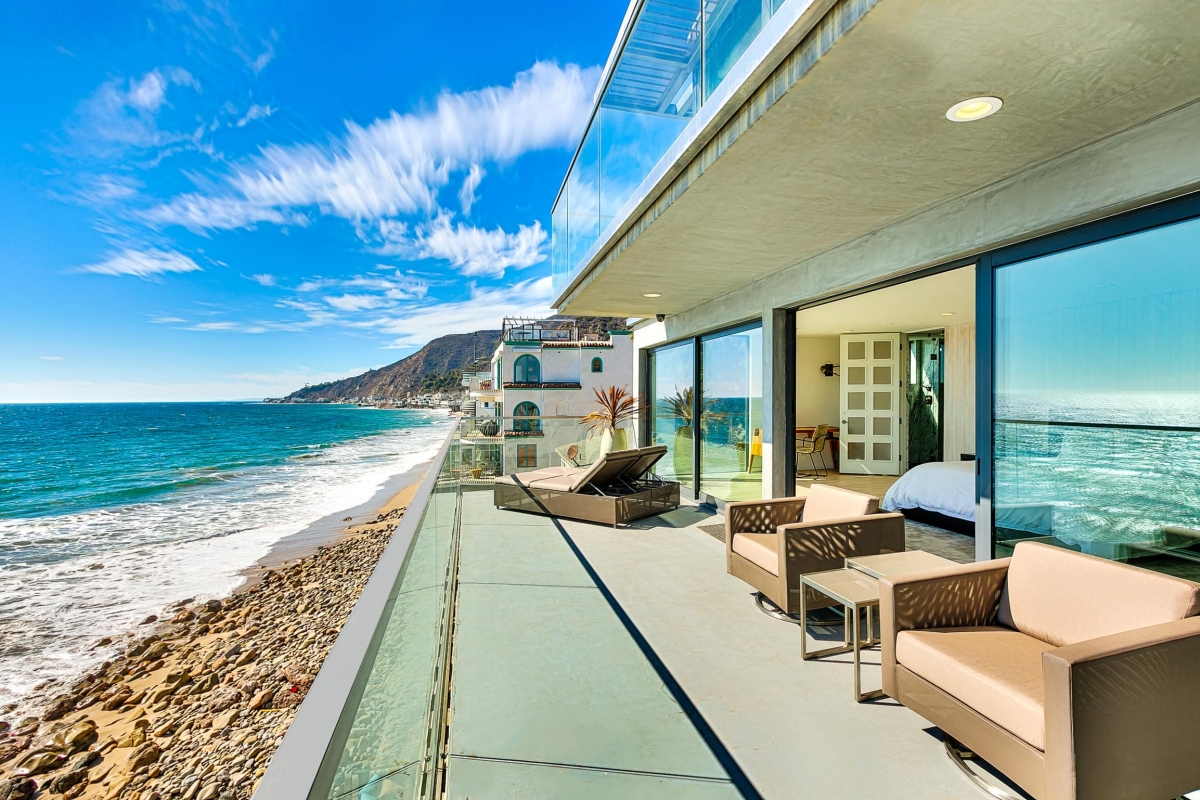
Once you know what row you’re paying for, narrowing by destination is the fast part: filter by region, then by distance to the sand using the terms above rather than the marketing name of the listing.
Browse by what matters to you

Beyond location, the filters that actually change your experience are pet policy, private pool versus shared pool, and minimum-stay length. A pool matters more in Gulf Coast and Southern California listings, where afternoon heat pushes guests off the beach for part of the day; it matters less in Outer Banks homes built around direct beach access.
Booking terms that vary by platform

Minimum stay, deposit, and cancellation rules differ by platform and by whether the rental is short-term or monthly.
| Policy | Short-term rentals | Monthly / long-term rentals |
|---|---|---|
| Airbnb cancellation | Guest chooses from several standard tiers set by the host | Full refund only within 48 hours of booking; 30-day notice required to shorten the stay after that |
| Vacasa cancellation | Full refund of rental payments, minus the booking fee, for cancellations 30+ days before arrival | Extended Stay Program terms apply, structured for season-length or work-relocation stays rather than short refund windows |
| Deposit handling | Charged at booking; refund timing tied to the cancellation tier above | First month charged upfront on Airbnb, with later months billed in installments |
What’s the minimum stay for a monthly beach rental?On Airbnb, 28 consecutive nights triggers the platform’s monthly-stay pricing and cancellation rules automatically. Vacasa sets its own long-term threshold one night later, at 29.
Storm season and cancellation risk
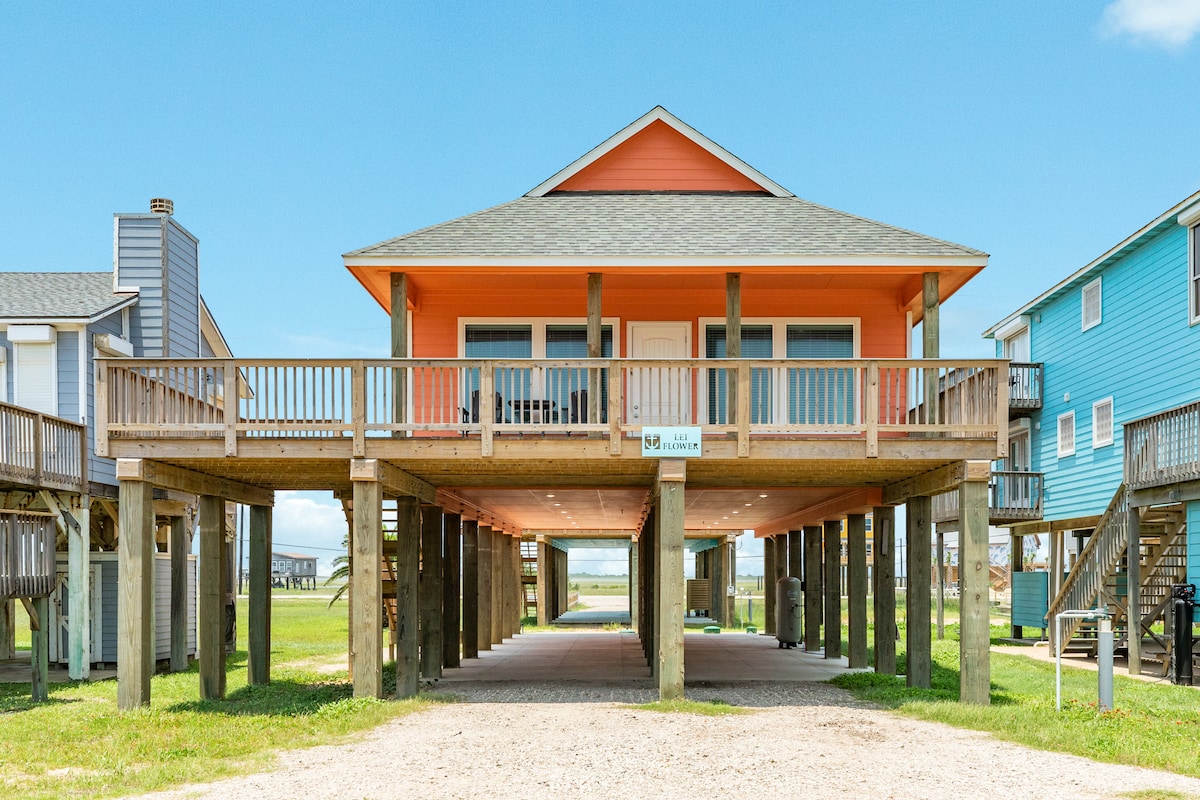
The Atlantic hurricane season runs officially from June 1 through November 30, overlapping almost entirely with peak beach-rental demand on the East and Gulf coasts. A booking made for late August in a hurricane-prone region carries real cancellation and insurance exposure that a booking made for October in Southern California does not.
Confirm what your specific host’s cancellation policy does in a mandatory-evacuation scenario, since “act of God” handling is not uniform across listings, and consider third-party trip insurance for peak-season Atlantic or Gulf bookings specifically.
What happens if a storm forces a cancellation?It depends on the individual host’s policy and whether local authorities issue a mandatory evacuation order, which some listings treat as an automatic qualifying event and others do not. Read the specific cancellation terms before booking instead of assuming coverage.
Comments