
What You’ll Actually Pay
| Metric | Figure | Source, dated |
|---|---|---|
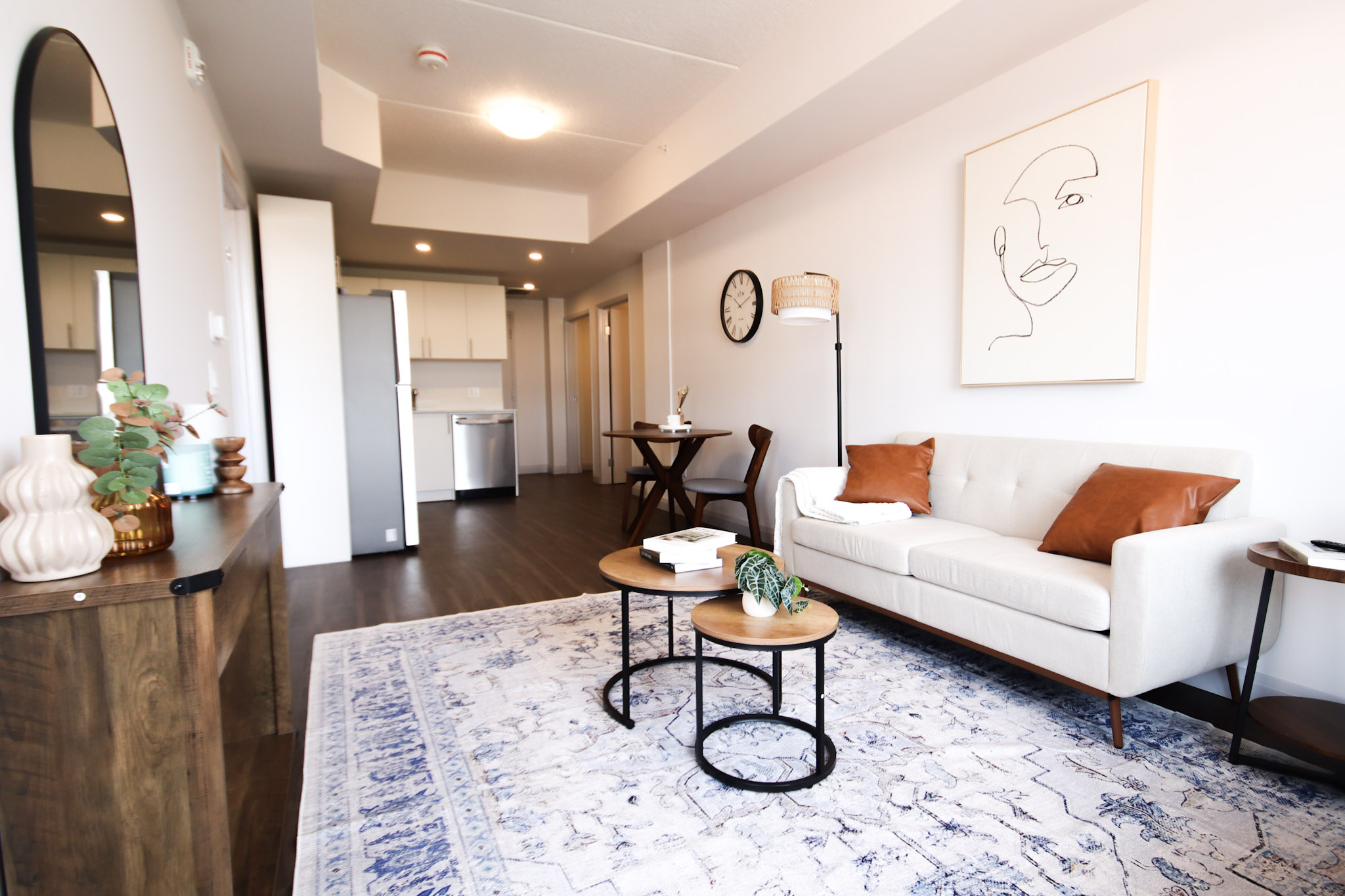
| Average rent, all unit types | $1,883/month, range $1,541 to $2,252 | Apartments.com, April 2025 |
| Median rent, all unit types | $1,995/month | Zumper, May 2026 |
| Average 2-bedroom | $2,195/month (908 sq ft average) | Apartments.com, February 2026 |
| Average 2-bedroom, purpose-built regional survey | $1,658/month | CMHC Rental Market Survey, 2023, reported by CambridgeToday |
Those two current aggregates disagree by roughly $112 a month for what is nominally the same market, and the CMHC figure sits lower still because it covers the whole Kitchener, Cambridge, and Waterloo area rather than Cambridge alone. Treat any single “average rent” quoted to you as a starting range, not a fixed price. Utilities are the bigger blind spot: Waterloo Region’s typical monthly utility bundle runs about $320, split roughly $130 electricity, $100 gas, and $90 water, per a 2026 regional cost-of-living breakdown, and most rental listings do not fold that into the advertised rent.
Are utilities usually included in Cambridge rentals? Mostly no. Budget an additional $200 to $320 a month for hydro, gas, and water unless the listing explicitly states “utilities included,” and confirm which utilities specifically, since some units bundle water but not electricity.
Neighborhoods, Compared
| Neighborhood | Price tier | Listing volume |
|---|---|---|
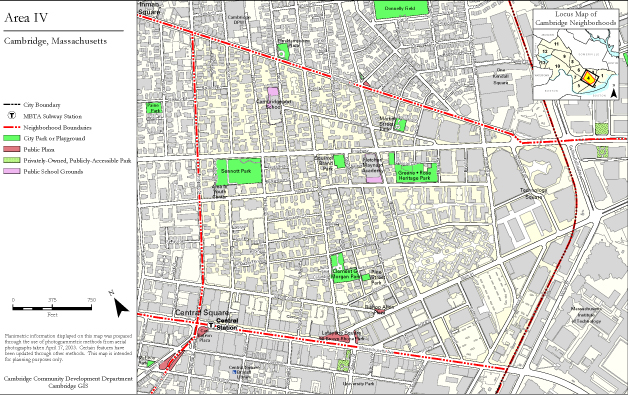
| Outer Preston Core | Higher-priced tier | Highest listing volume in the city |
| Hespeler | Most expensive tier | High volume |
| Galt West | Most affordable tier | High volume |
| Galt East | Most affordable tier | Moderate volume |
| Preston Core | Listed as both most affordable and most expensive | Moderate volume |
Preston Core’s own listing data can’t agree with itself: the same source names it among both the cheapest and priciest submarkets in the city. That’s a fair warning sign for a market this size. A neighborhood average built on a few dozen active listings swings hard month to month, and a name-only comparison flattens that instability into something that looks more solid than it is.
Parking, If You Need One
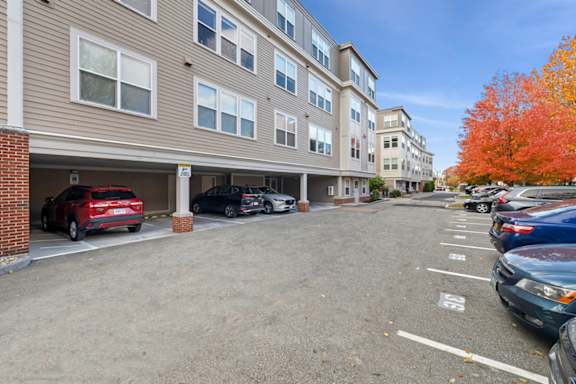
No publicly published figure for typical Cambridge parking costs exists as of this writing. Some purpose-built buildings bundle one spot into the rent; others charge $50 to $150 a month separately, and private-landlord units vary by driveway availability. Confirm this before you assume it’s included.
What Kind of Rental Is This?
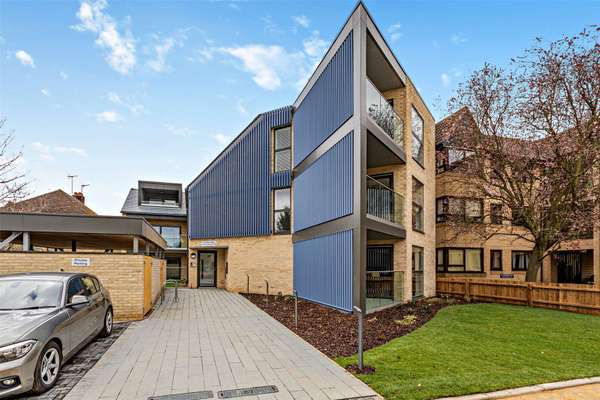
- Purpose-built rental building: Professionally managed, with the most consistent maintenance response, and the type most likely to be exempt from rent control if built after November 15, 2018. Check the occupancy date before assuming your rent is capped.
- Condo-rental unit: Individually owned, so your landlord is one person subject to the condo board’s rules on top of the lease. If they sell, you may face a new owner or a bona fide occupancy notice.
- Private-landlord unit, including basement apartments: Often the least formal paperwork and the widest price variance. Verify the unit is a legal secondary suite, since an unregistered basement apartment can carry building-code and insurance complications the listing won’t mention.
Know Before You Sign
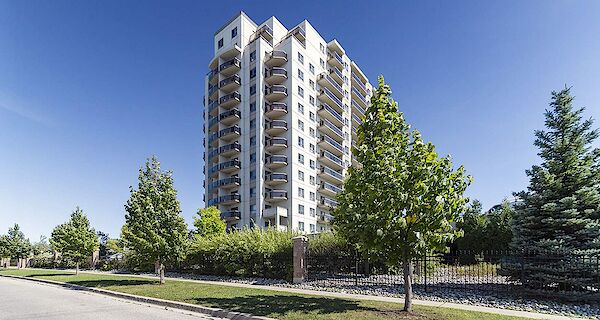
Ontario’s rent-increase guideline caps most landlords at 2.1% for 2026, and it applies only to units first occupied for residential purposes on or before November 15, 2018. On an $1,800 rent, that ceiling works out to a maximum $37.80 increase, bringing the total to $1,837.80; at $2,200, the cap is $46.20, per a 2026 legal breakdown of the guideline math. Anything built or first rented after that date can be raised by any amount the landlord chooses, with 90 days’ notice, because it falls outside the guideline entirely. Ask when the building was first occupied. It changes what your rent can legally do next year more than the neighborhood does.
Does a Cambridge landlord have to follow Ontario’s rent-increase guideline? Only if the unit was first occupied on or before November 15, 2018. Newer units and basement apartments completed after that date are exempt, and the landlord can set any increase with proper notice.
Getting Around Without a Direct Train to Toronto
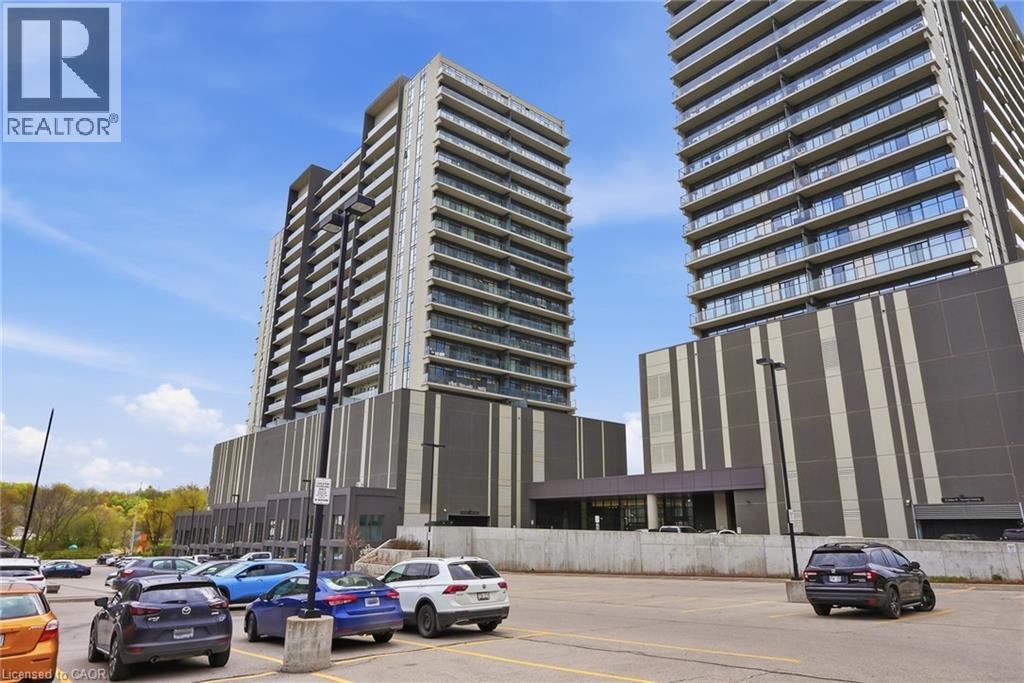
Cambridge has no GO Train or ION LRT station of its own. A 2021 regional feasibility study found it the only Ontario municipality with more than 100,000 residents that lacks passenger rail service entirely, per CambridgeToday’s reporting on the region’s transit planning. Residents currently rely on the Ainslie Street Terminal, where ION Bus route 302 connects to the Kitchener and Waterloo stations. Regional Council has approved extending Stage 2 ION light rail into Cambridge and completed its Initial Business Case in November 2025, but an earlier assessment found construction realistically beginning no earlier than 2028, with service possibly starting by 2032. That’s a wait measured in years.
For a Toronto-bound commute, the express GO train from Kitchener Central to Union Station takes about 1 hour 35 minutes, on top of however long it takes to reach that Kitchener station from wherever you live in Cambridge. Driving the 401 corridor got measurably better once the widening through Cambridge finished in late 2025, though the Milton-to-Mississauga bottleneck remains, per a 2026 regional commuting report; the 407 ETR shortcut exists but can run a daily commuter $400 or more a month in tolls alone. If your job is in the Kitchener-Waterloo tech corridor rather than Toronto, the calculation flips: a much shorter, largely local drive replaces the corridor commute entirely.
Do I need a car to live in Cambridge, Ontario? For most jobs and errands, yes. Cambridge itself has no rail station, and the bus network connects to Kitchener and Waterloo rather than replacing a car for daily use.
Is Now a Good Time to Look?
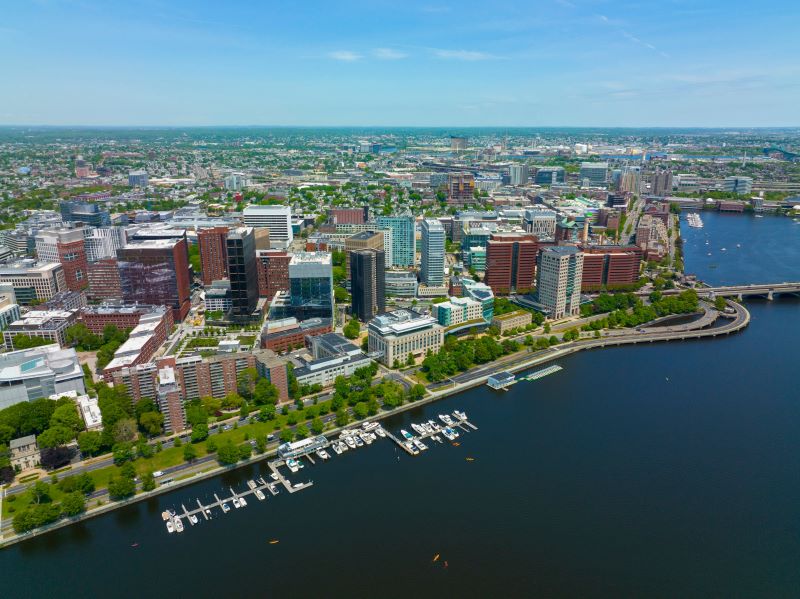
CMHC’s 2025 Rental Market Report found the vacancy rate across Kitchener, Cambridge, and Waterloo holding at a multi-decade high through the year, with regional purpose-built rental supply growing 2.8%. That points toward more negotiating room for renters than the region has had in years, though it’s a regional figure, not a Cambridge-specific one, and demand isn’t distributed evenly across price tiers.
Is Cambridge a renter’s market or a landlord’s market right now? Regionally, conditions favor renters more than they have in years, per CMHC’s 2025 report, though that eases price pressure without eliminating it, and the shift varies by neighborhood and unit type.
Comments