
What drives the price of a 5-bedroom rental

The jump from 4 to 5 bedrooms isn’t priced the way the jump from 2 to 3 is. HUD’s Fair Market Rent methodology treats anything above 4 bedrooms as a flat percentage add-on: 15% for a 5th bedroom, 30% for a 6th, layered on top of the 4-bedroom base. The Atlanta figures above ($2,653 to $3,051) show the mechanism at a specific dollar level; the same 1.15 multiplier applies everywhere HUD calculates FMRs, so a renter can reproduce the estimate for any metro by pulling the local 4-bedroom figure and adding 15%.
What that multiplier doesn’t capture is square footage, and this is a genuine information gap worth naming plainly: neither the Census Bureau’s Characteristics of New Housing survey nor the National Association of Home Builders publishes a size figure specific to 5-bedroom homes; both track bedroom count only up to “4 or more” as a single band. In 2023, homes in that combined band accounted for half of new single-family sales nationally, and the overall national median new-home size was 2,142 square feet in 2025. No authoritative source breaks out what a 5-bedroom home alone runs. A precise “2,400 to 3,600 sq ft” figure for 5-bedroom homes specifically is an estimate, not a measured statistic.

| Unit size | FMR multiplier vs. 4-bedroom | Atlanta metro FY2025 example |
|---|---|---|
| 4 bedrooms | 1.00× (baseline) | $2,653/month |
| 5 bedrooms | 1.15× | $3,051/month |
| 6 bedrooms | 1.30× | $3,449/month |
Source: HUD Fair Market Rent methodology, Federal Register; HUD FY2025 HOME Program Rents, Georgia.
The table isn’t a market-rent prediction. Fair Market Rent sits at roughly the 40th percentile of standard-quality units in an area, so an actual asking rent will typically run above these figures. The ratio between bedroom counts holds regardless of how high the local base sits.
Institutional single-family-rental operators add a second layer most renters don’t see until the lease arrives. Invitation Homes’ own published Atlanta fee page lists mandatory monthly charges, a Smart Home fee of $30 to $40, an internet package at $85, and required utility management, that together can add up to $144.90 per month on top of base rent, before pet rent of up to $250.50 or a separate charge for opting out of the company’s liability-insurance program. In September 2024, the Federal Trade Commission alleged these kinds of fees, excluded from Invitation Homes’ advertised rent, could total more than $1,700 a year. The company agreed to pay $48 million and to start disclosing a single “Total Monthly Leasing Price” covering every mandatory charge.
Occupancy limits and household fit

The number of people who can legally live in a 5-bedroom rental depends on which standard applies, and it isn’t one number nationwide.
| Standard | Typical source | How it’s applied | Caveat |
|---|---|---|---|
| Two persons per bedroom | HUD’s 1991 “Keating Memo” | Treated as a starting point by many landlords and housing authorities | Explicitly rebuttable, not a binding federal rule |
| “2 persons plus 1” | State/local code (e.g., California, Austin, TX) | Adds one extra occupant to the household total | Applies only where the specific state or municipal code adopts it |
| Square-footage minimum | California building code | 70 sq ft for the first occupant, 50 sq ft for each additional occupant | Can override the per-bedroom count in small rooms |
Source: The Habitat Group, Keating Memo summary; Fair Housing Project; REI Prime.
Applied to a 5-bedroom house, the plain 2-per-bedroom guideline works out to 10 occupants; the “2 plus 1” variant used in California and Austin adds an eleventh. Bedroom size, building-system capacity (septic and sewer limits, in particular), and the age of any children in the household can all push the real ceiling below that math.
How many people can legally live in a 5-bedroom rental?Under the commonly cited 2-per-bedroom guideline, up to 10; under California’s or Austin’s “2 plus 1” standard, 11. Neither figure is binding everywhere, and square-footage or building-system limits can lower the real ceiling.
Institutional landlords vs. individual owners
A 5-bedroom listing from a build-to-rent company and one from an individual owner can carry the same base rent and still cost noticeably different amounts once fees are counted, and they carry different risk profiles too.
| Landlord type | Typical fee structure | Lease flexibility | Application process |
|---|---|---|---|
| Institutional (build-to-rent) | Bundled mandatory add-ons, smart-home tech, internet, utility management, insurance-exemption fee, that can add over $140/month | Standardized lease terms, limited negotiation | Centralized online application, fast turnaround |
| Individual owner | Base rent plus utilities the tenant arranges directly; fewer bundled fees, terms vary owner to owner | More room to negotiate pet policy, move-in date, minor repairs | Manual screening, timeline varies by owner |
Source: Invitation Homes, Atlanta fee page; FTC press release cited above.
The institutional column earns its numbers from a real, regulator-confirmed case: fee amounts that seemed small individually added up to over $1,700 a year, per the FTC’s own account, before the company was ordered to disclose them as a single total price. An individual owner’s costs are structurally simpler to compare, usually one number, but carry a different risk: no standardized disclosure requirement, so what’s included varies by owner and by lease.
Is it cheaper to rent from a build-to-rent company or an individual owner?Base rent is often similar. The institutional operator’s bundled monthly fees can add well over $100/month, so the real comparison has to include the full fee stack, not the advertised rent alone.
Renting as a group: lease structure and screening

A meaningful share of 5-bedroom-house searches come from unrelated adults splitting a house, not families, and the legal mechanics differ from a family lease in one specific way: joint and several liability. Under this standard clause, every named tenant on the lease is independently responsible for the entire rent and for any damage, regardless of how the household privately splits costs. If one roommate stops paying or moves out early, the landlord can pursue any remaining tenant for the full amount, not just that person’s share, and it’s on the tenants, not the landlord, to sort out reimbursement afterward.
For a 5-bedroom split among four or five unrelated adults, that means the financial risk of one unreliable roommate lands on everyone else on the lease, not on a shared pool. Landlords screening a group this size typically run credit and income checks on each named applicant individually, since each one carries full liability.
Can unrelated roommates split a 5-bedroom lease?Yes, and most standard leases make every named tenant jointly and severally liable for the full rent, so one roommate’s nonpayment becomes every other tenant’s legal problem until it’s resolved.
Red flags specific to larger houses

- Utility costs scale with square footage, not headcount. A 5-bedroom house is very likely to exceed the 2,142 sq ft national median new-home size, and it heats and cools accordingly more volume than a two-bedroom apartment, often with an older, less efficient HVAC system doing the work.
- Deferred maintenance costs more to fix at scale. A roof, foundation, or HVAC problem on a 3,000-plus-square-foot house is a bigger repair bill than the same problem on a smaller unit, and a renter has no direct way to inspect a home’s maintenance history before move-in.
- HOA restrictions are more common in newer 5-bedroom subdivisions. Larger new-construction homes cluster in planned developments more than smaller units do, and HOA rules can restrict parking, exterior changes, or even short-term guests in ways a renter doesn’t control.
What’s the biggest hidden cost in a larger rental?Utility and maintenance costs that scale with square footage rather than with the advertised rent, plus, for institutional landlords, bundled monthly fees that can add well over $100 to the price never shown in the headline listing.
What to check before you sign
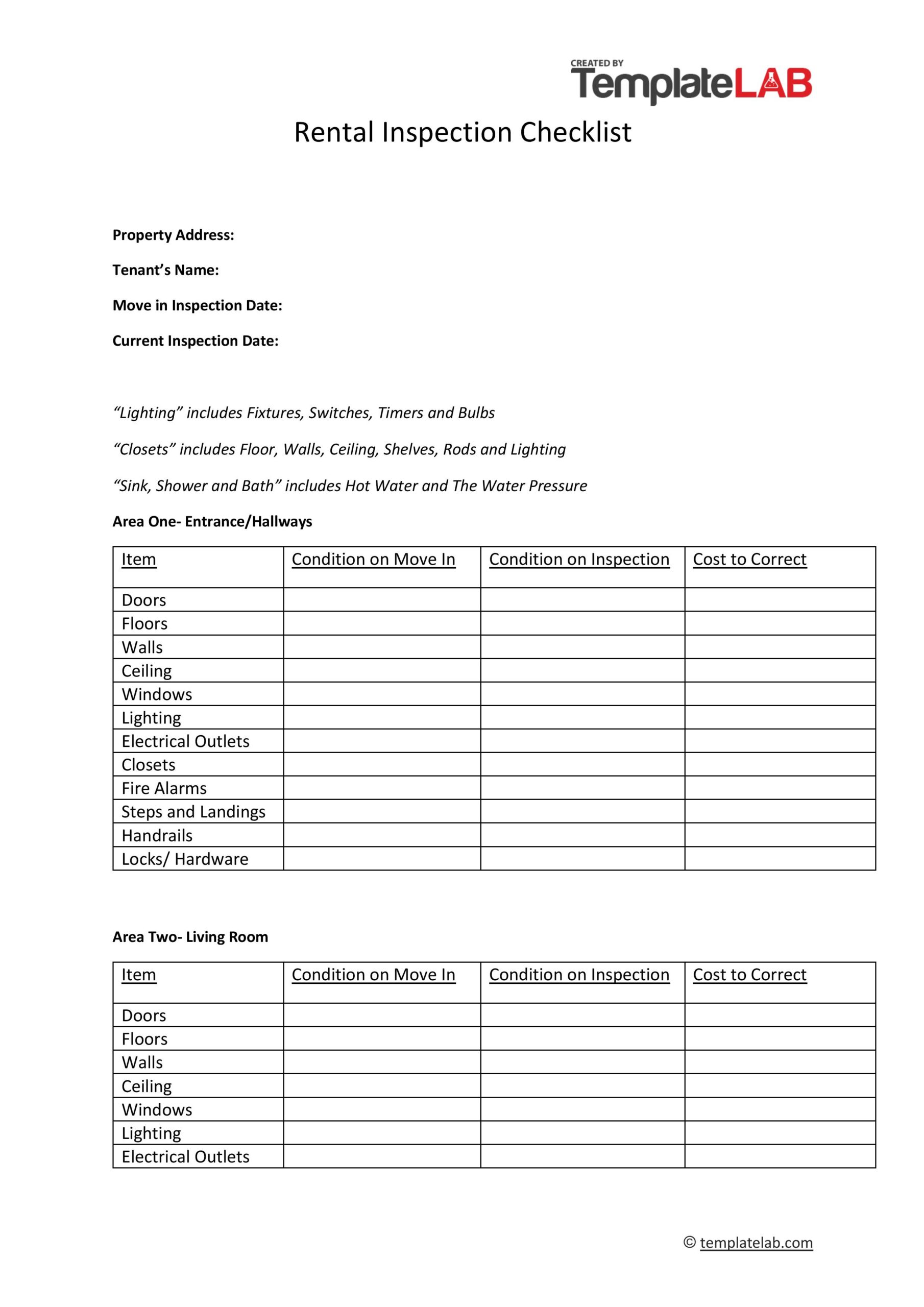
Two documents settle most of the open questions above: the lease’s full fee schedule, not just the advertised rent, and the property’s local occupancy code, which a city or county planning office can confirm directly. Everything else here is context for reading those two documents correctly.
Comments