
Renters searching for a five-bedroom rental are usually gauging a market before committing to a city search, and the honest answer is that “5 bedroom house for rent” has no single price. The spread above reflects real inventory differences, not just cost of living: San Antonio has been building rental supply faster than almost any large metro, while San Francisco’s older, constrained housing stock keeps large-format rentals scarce.
Who actually needs five bedrooms
Most renters land here for one of three reasons, and each one changes what to prioritize in a search. Multigenerational households need a ground-floor bedroom or accessible layout for aging parents, plus separate living zones so three generations aren’t sharing one kitchen schedule. Large families usually need bedroom count to track kids’ ages, since shared rooms work fine under about age 10 and then privacy starts to matter, plus yard and storage space. Roommate groups need near-equal bedroom sizes, because unequal rooms create rent-splitting disputes, and enough bathrooms that five adults aren’t queuing before work.
| Household type | Main driver | Search priority |
|---|---|---|
| Multigenerational | Separate living zones, accessibility | Ground-floor bedroom, layout with two “wings” |
| Large family with kids | Bedroom-to-age fit, yard and storage | School district, fenced yard, garage or basement storage |
| Roommate group | Fair rent splitting, bathroom access | Similar-sized bedrooms, 2.5+ bathrooms |
The table sorts by motive, not city, because none of these priorities change much with geography. Only the price does.
What a five-bedroom rental costs, and why the spread is wide
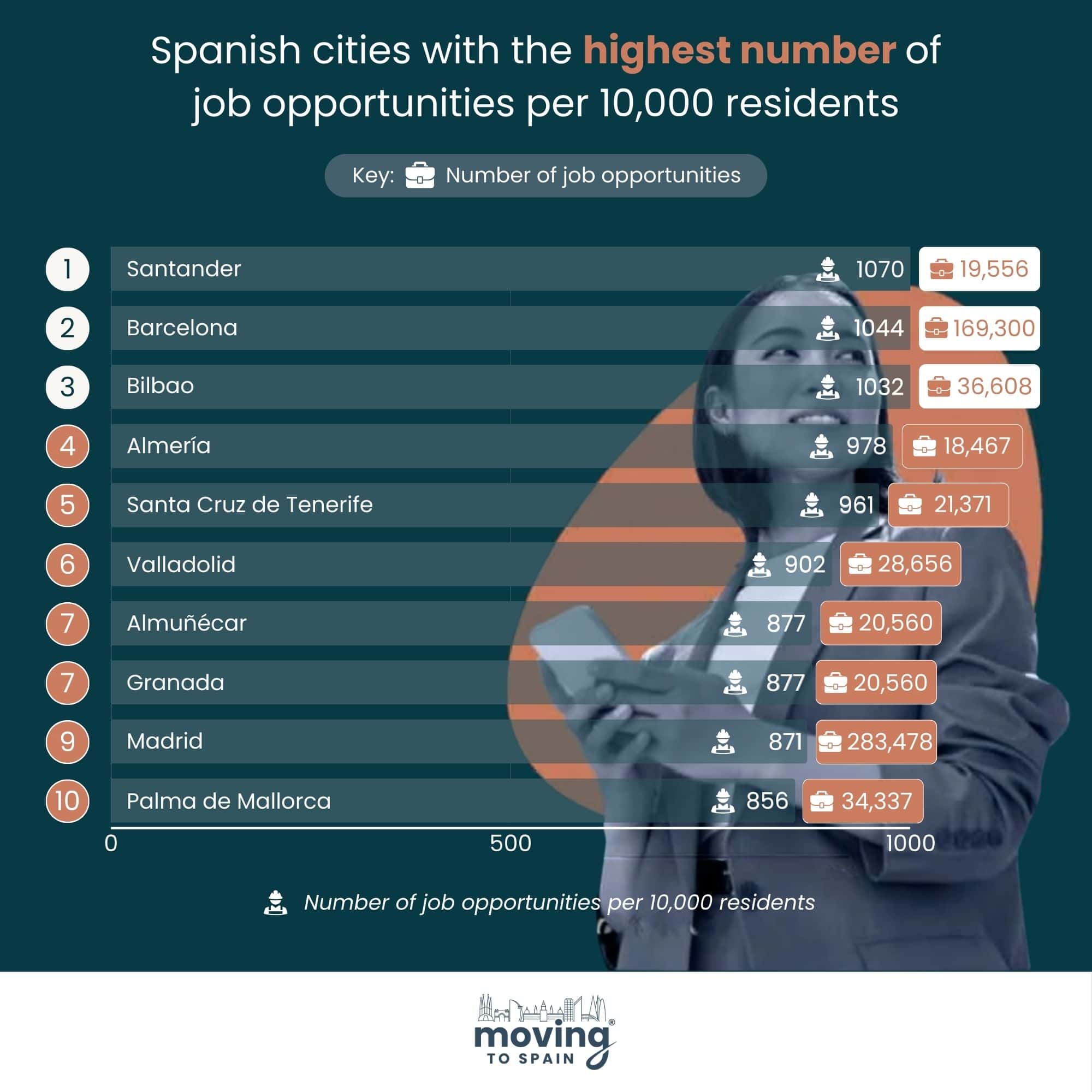
| Metro | Overall house median rent | 4+ bedroom median | Source, dated |
|---|---|---|---|
| San Antonio, TX | $1,750/mo | not separately broken out | Zumper, July 2026 |
| Worcester, MA | $2,450/mo | $2,750/mo | Zumper, May 2026 |
| Seattle, WA | $3,650/mo | $4,200/mo | Zumper, June 2026 |
| Washington, DC | $3,492/mo | $5,500/mo | Zumper, June 2026 |
| Los Angeles, CA | $4,800/mo | $5,597/mo | Zumper, June 2026 |
| San Francisco, CA | $5,950/mo | $9,500/mo | Zumper, July 2026 |
Two things stand out from these six markets. The 4+ bedroom premium over the general house median gets sharper as the metro gets more expensive: it’s negligible in Worcester and roughly $3,500 in San Francisco. Supply matters as much as demand, too: San Antonio’s soft 2026 rents track its fast construction pace, while San Francisco’s tight, older stock keeps large rentals scarce. In Seattle specifically, Zumper’s June 2026 data puts the citywide house median at $3,650 a month, with 4+ bedroom listings running about $550 higher than that median.
Does “5 bedroom” always mean a whole house?
Not on every platform. Some rental sites blend whole-house listings with room-for-rent and co-living arrangements under the same bedroom-count filter, so a “5 bedroom” search can return a single bedroom inside a shared house alongside genuine whole-home listings. If your goal is a whole house, check the listing type field before you contact anyone.
Does a 5-bedroom listing always mean a whole house?No. On some platforms, “5 bedroom” search results include individual room-for-rent listings inside shared houses. Check the property type or unit description, not just the bedroom filter, to confirm you’re looking at a whole-house listing.
How many people can legally live in a five-bedroom rental
There’s no single national number. HUD’s general guidance, adopted in 1998, treats two people per bedroom as a reasonable starting point, but explicitly allows adjustments for room size, unit configuration, and the ages of children. States and cities often layer their own formulas on top of that baseline.
| Jurisdiction or standard | Formula | What it means for a 5-bedroom |
|---|---|---|
| HUD baseline (Keating Memo, 1998) | 2 persons per bedroom, adjustable | Up to 10 occupants, before adjustments |
| California, Texas (state-level) | 2 persons per bedroom, plus 1 | Up to 11 occupants |
| International Property Maintenance Code | Square-footage based, not bedroom count | Can override the bedroom formula if living or dining space is undersized |
None of these three standards is a hard national ceiling. HUD calls its own figure rebuttable case by case, the state formulas only apply where adopted, and local building or fire codes, septic capacity, and HOA rules can all cap a five-bedroom house below the bedroom-count math.
How many people can legally live in a 5-bedroom rental?It depends on jurisdiction. HUD’s baseline guidance suggests two people per bedroom, up to 10 for a 5-bedroom, but many states and cities apply their own formulas, and local building codes, septic systems, or HOA rules can lower that number regardless of bedroom count.
What to check before signing
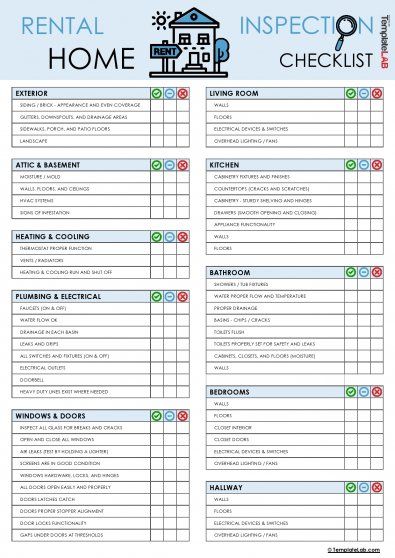
- Water heater capacity. A standard 40- to 50-gallon tank struggles to supply back-to-back showers for 6 to 10 people; ask the landlord about tank size or whether it’s tankless.
- Septic and well systems. In areas without municipal sewer, occupancy above the septic system’s design load causes backups; ask for the system’s rated capacity, not just its age.
- Parking count. Multigenerational and roommate households often bring 3 to 5 vehicles; check the driveway and street parking rules, not just the listing’s stated spots.
- HOA occupancy limits. Some HOAs cap occupants per bedroom independently of local or state law; ask for the HOA’s written occupancy policy before applying.
- School district capacity. For families with multiple kids, check whether the district assigns by exact address; boundary lines can split a single street.
How qualifying changes at this rent tier
A commonly repeated screening rule says tenants need gross income equal to three times the rent. That figure is a landlord convention, not a government standard: some property managers use 2.5x, others 4x in tight coastal markets, and the rule isn’t written into federal law.
At higher rent tiers, roommate groups usually combine incomes to clear the multiplier, while families relying on a single income more often need a co-signer or documented savings to close the gap.
How much income do I need to qualify for a 5-bedroom rental?Many landlords use a 3x-rent guideline, but it’s a private-industry convention, not a law, and requirements range from 2.5x to 4x depending on the landlord and market. HUD’s own affordability measure defines cost burden differently, at 30% of income spent on housing.
Rent vs. buy at this size
For households weighing a five-bedroom rental against buying, the math depends heavily on local prices. Nationally, the typical breakeven horizon, the point where owning starts costing less than renting, sits around six years. It shrinks to roughly 3.5 to 4.2 years in cheaper metros like Columbus, Memphis, and Buffalo, according to Zillow’s 2026 breakeven analysis. In San Francisco, San Jose, and New Orleans, that same analysis found renting stays financially ahead even over a full 30-year horizon, largely because home prices there have outpaced both rents and typical appreciation.
Is it cheaper to rent or buy a 5-bedroom home right now?It depends on how long you’ll stay and where. Nationally, buying tends to beat renting after about six years; in lower-cost metros that shrinks to under four years, while in a few high-cost coastal markets renting stays cheaper for decades.
Comments