
Where West 12th Street Actually Is
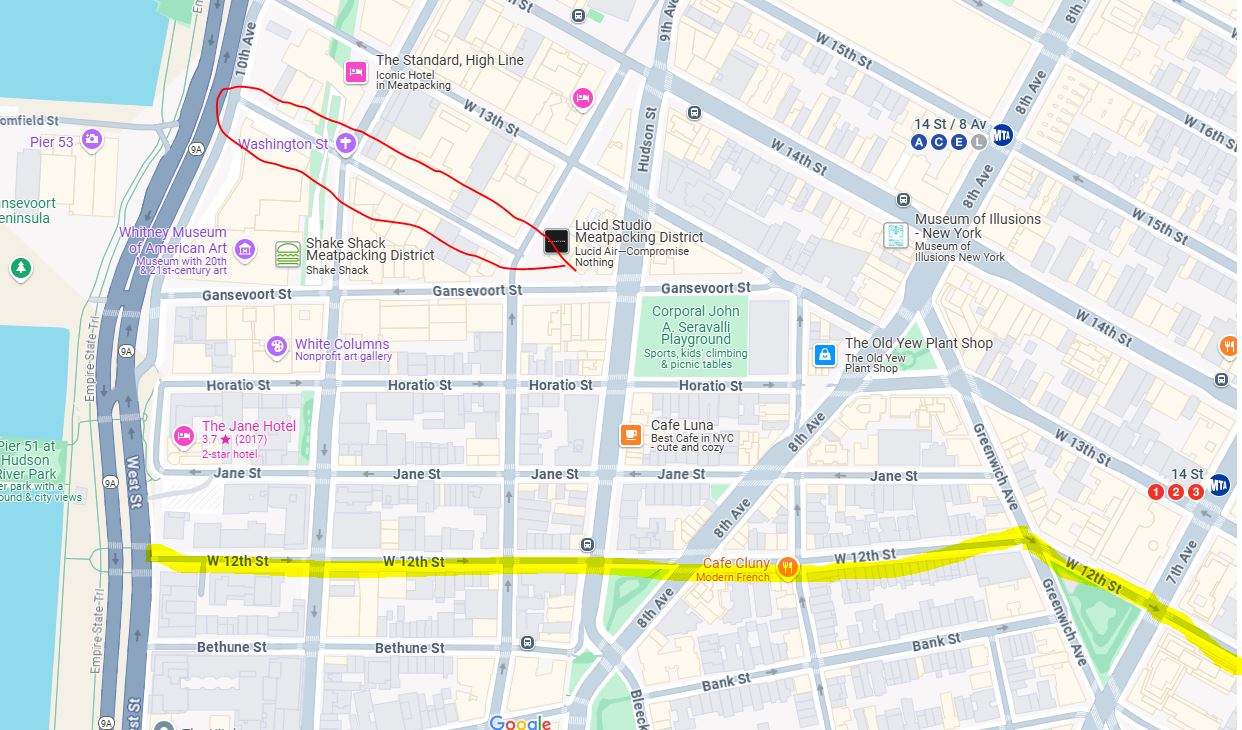
West 12th Street runs from the Hudson River, where it starts as West Street, east to Fifth Avenue, where it becomes East 12th Street. Partway along that path, at Greenwich Avenue, the street bends to meet the older, angled grid of the original Greenwich Village, a detail confirmed by Village Preservation’s history of the block. That same source clears up the biggest source of confusion attached to this address: Little West 12th Street, a separate two-block stub in the Meatpacking District between Ninth and Tenth Avenues, is not a continuation of West 12th Street and was never physically connected to it once the numbered grid took over further south.
Real estate marketing draws its own line down the middle of the block. Listings west of Sixth Avenue, closer to the Hudson, are almost always marketed as West Village. Listings between Sixth Avenue and Fifth Avenue, on the blocks Village Preservation and its Landmarks Preservation Commission filings describe as the street’s Gold Coast, are marketed as Greenwich Village proper. Nothing about the street’s zip code or physical layout forces that split; it’s a brokerage convention, and buildings a few doors apart can be marketed under either name.
Is West 12th Street part of the West Village or Greenwich Village?Both, depending on which block. West of Sixth Avenue, listings and buildings market themselves as West Village. Between Sixth and Fifth Avenues, the convention flips to Greenwich Village. The street itself doesn’t change character at a single line; the marketing does.
The Residential Buildings on West 12th Street
Seven buildings anchor the comparison below, chosen because each has independently verifiable construction and ownership data rather than marketing copy alone.
| Address | Year built | Architect / Developer | Type | Stories / Units | Notable feature |
|---|---|---|---|---|---|
| 299 West 12th St | 1931 | Emery Roth / Bing & Bing | Condo, converted 1986 | 17 / approx. 182 | Faces Abingdon Square Park |
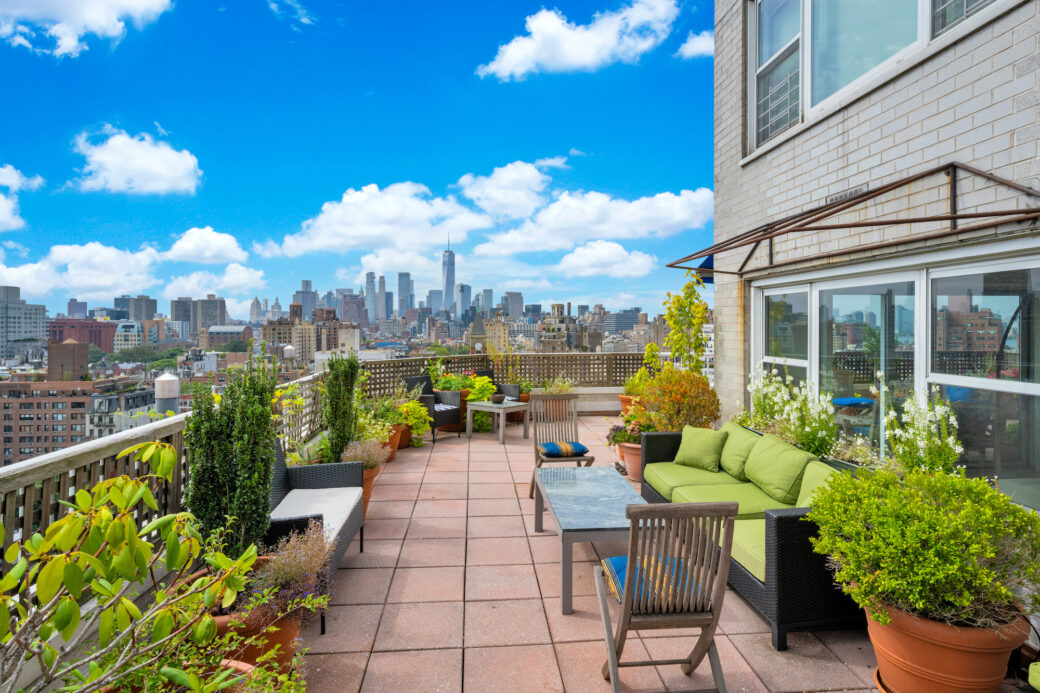
| 302 West 12th St | 1931 | Boak & Paris / Bing & Bing | Condo, converted 1986 | 17 / approx. 127 | Sister building to 299, landscaped roof deck |
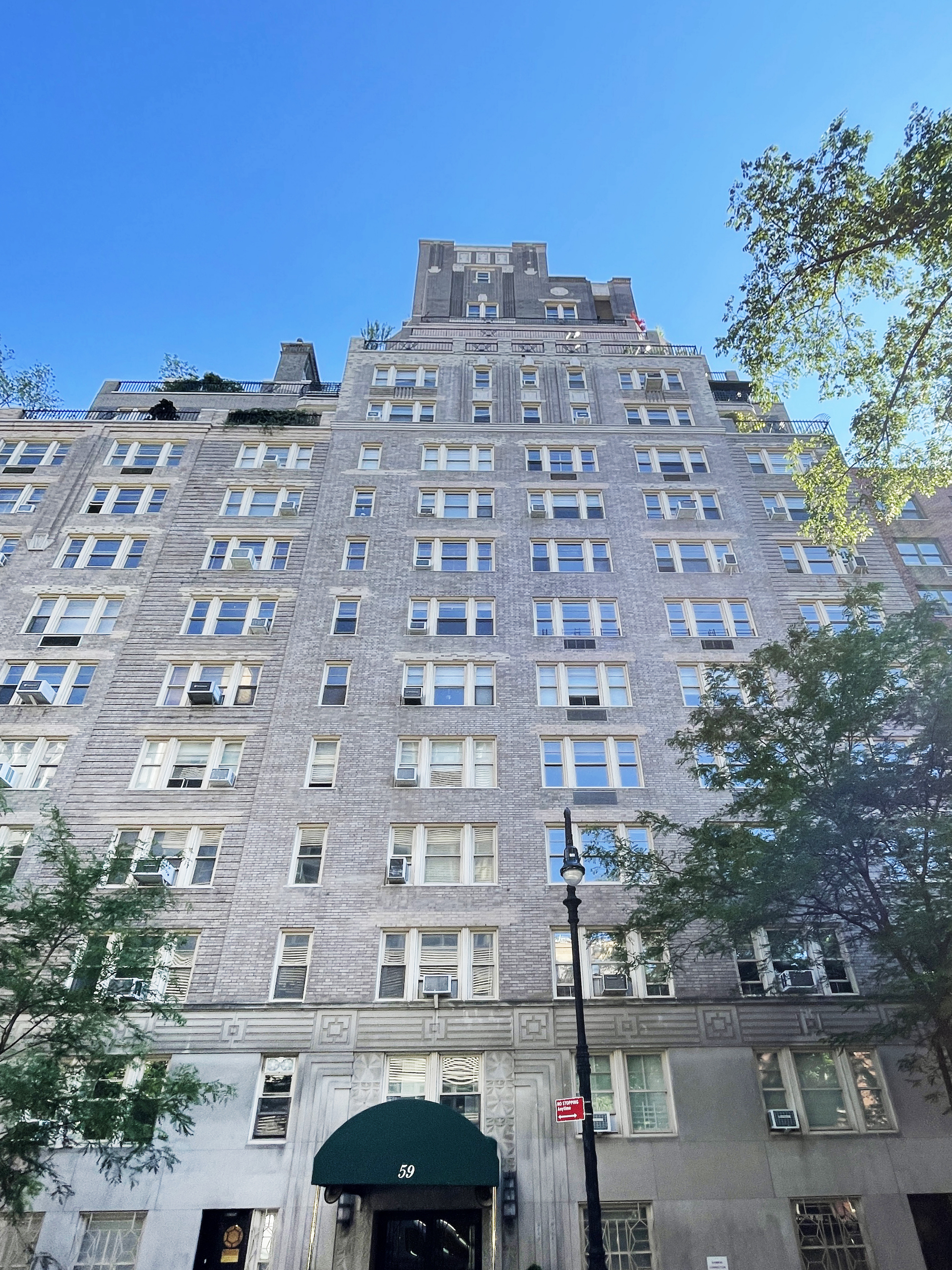
| 59 West 12th St (“The Governor”) | 1931 | Emery Roth / Bing & Bing | Condo, converted 1986 | 16 to 18 / approx. 103 | Gold Coast block between Fifth and Sixth Avenues |
| 175 West 12th St (“Century Tower”) | 1960 | Not identified in sources reviewed | Condo, converted 1988 | 20 / 214 | Current Local Law 11 facade assessment disclosed on a 2021 listing |
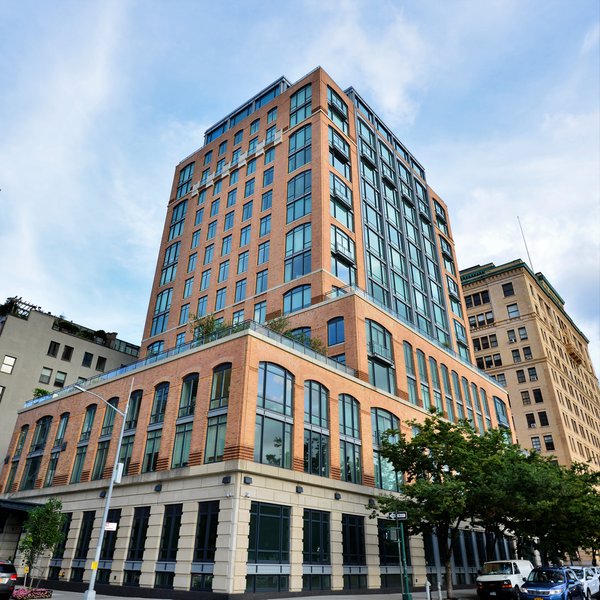
| 400 West 12th St (“Superior Ink”) | Completed 2009 | Robert A.M. Stern / Related Companies | Condo | 17 / 50 apartments plus 7 Bethune St townhouses | Built on the former Superior Ink factory site, reviewed under a City Planning variance |
| 37 West 12th St (“Butterfield House”) | 1962 | Mayer, Whittlesey & Glass | Co-op | 7 stories on 12th St, 13 on 13th St / 102 units | Landscaped interior courtyard |
| 15 West 12th St | 1959 to 1960 | Not identified in sources reviewed | Co-op | 13 / 75 | Twelve standard floors plus a penthouse level |
Unit counts differ by a few between sources for the same building, most often because combined or re-split apartments change the total over time; the counts above come from CityRealty, PropertyShark, and Highline Residential’s building profiles.
The 299/302 Sister Buildings on Abingdon Square
299 and 302 West 12th Street were built at the same time by the same developer, facing each other across Abingdon Square Park, but with two different architecture firms: Emery Roth designed 299, while Boak & Paris, a firm founded by two architects who had just left Roth’s own practice, designed 302. Both converted to condominiums in the same year, 1986. In 2008, actress Cameron Diaz paid $2.95 million for a two-bedroom apartment at 59 West 12th Street, according to a building history published by the blog Daytonian in Manhattan, which cites the New York Observer for the purchase.
Co-op or Condo? What Ownership Structure Means for Buying Here
The street’s ownership split follows the same east-west line as its marketing split. The 1931 Bing & Bing towers converted to condominiums in the 1980s, meaning a buyer at 299, 302, or 59 West 12th Street faces no board financial review and no fixed limit on financing. Closer to Fifth Avenue, buildings including Butterfield House and 15 West 12th Street remain co-ops, where a purchase goes through a board application, a review of the buyer’s finances, and often a minimum down payment well above what a bank alone would require.
| Address | Ownership structure | Known assessments / facade work | Historic district status |
|---|---|---|---|
| 299 West 12th St | Condo | None disclosed in sources reviewed | Confirmed within the Greenwich Village Historic District’s Hudson St to 8th Ave block face |
| 302 West 12th St | Condo | None disclosed in sources reviewed | Same confirmed block face as 299 |
| 175 West 12th St | Condo | $958/month, Local Law 11 facade work, per a 2021 listing | Not confirmed in sources reviewed; open research item |
| 400 West 12th St | Condo | None disclosed in sources reviewed | Reviewed under a City Planning variance in 2006 to 2007, indicating it sits outside LPC jurisdiction |
| 37 West 12th St | Co-op | None disclosed in sources reviewed | Located on a block face within the Greenwich Village Historic District |
| 15 West 12th St | Co-op | None disclosed in sources reviewed | Not confirmed in sources reviewed; open research item |
If you’re buying as an investor, the co-op cluster is the harder path: board approval can take weeks, and several West 12th Street co-ops cap financing or restrict pied-a-terre ownership outright. If you’re an owner-occupant with straightforward finances, that same board process is mostly a formality, and the trade-off runs the other way, toward the condo cluster’s higher per-square-foot pricing.
Historic District Status and What It Restricts
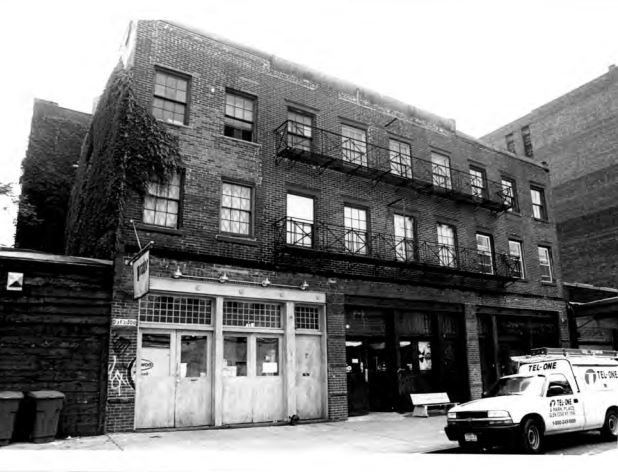
Most of West 12th Street between the Hudson and Fifth Avenue sits inside the Greenwich Village Historic District, designated in 1969. That is not a blanket statement drawn from a neighborhood map; it is confirmed address by address in the Landmarks Preservation Commission filings that Village Preservation tracks, including a 2024 application to modify windows at 299 West 12th Street and a 2025 application at 34 West 12th Street to legalize a rear facade change under Certificate of Appropriateness 23-01170.
Inside the district, any change visible from the street, a new window, a rooftop bulkhead, a repainted facade, needs the Commission’s sign-off before a contractor can start work. Applications go through a public hearing where neighbors can testify, and the Commission can approve, modify, or reject the plan. Buildings built as new construction under a city zoning variance, such as Superior Ink at 400 West 12th Street, went through City Planning review instead and don’t carry the same landmark-approval requirement.
Does landmark status mean I can’t renovate?No. Interior renovations generally proceed without LPC review. Anything visible from the street, windows, facades, rooftop additions, needs a Certificate of Appropriateness first, which adds a public hearing and review period to the project timeline.
What Carrying Costs and Assessments Actually Look Like Here
Local Law 11, now formally called the Facade Inspection Safety Program, requires any New York City building taller than six stories to have its exterior walls inspected once every five years, under rules the Department of Buildings maintains. When an inspection turns up unsafe conditions, and CityRealty’s market-insight team notes that extensive facade work can run past $1 million for a single building, boards typically cover the cost with a temporary assessment on top of regular monthly charges.
One concrete example from this street: a 2021 Compass listing for 175 West 12th Street, Unit 16B disclosed a current capital assessment of $958 a month tied directly to Local Law 11 facade work. That figure describes one unit at one point in time, not a permanent or building-wide charge, but it shows the real scale a facade assessment can reach on a postwar tower of this size.
What is a capital assessment, and why does it show up on some West 12th Street listings?It’s a temporary charge a co-op or condo board adds on top of regular monthly fees to cover a large, unplanned repair, most often Local Law 11 facade work. On this street, a 2021 listing at 175 West 12th Street disclosed one running $958 a month.
Renting vs. Buying: Which Buildings Allow Which
The condo cluster west of Sixth Avenue rents out easily; a condo owner at 299, 302, or 59 West 12th Street can lease a unit with simple notice to the board and no subletting cap. The co-op cluster closer to Fifth Avenue is stricter and varies building by building, so a renter or an investor targeting a specific address should confirm the current sublet policy directly with that building’s managing agent before signing anything, since a policy that applied last year may not hold today.
Do West 12th Street buildings allow subletting or renting out units?The pre-war condos west of Sixth Avenue generally do, with board notice but no approval requirement. Co-ops closer to Fifth Avenue vary widely, and some restrict or ban subletting outright, so this has to be checked building by building.
Getting It Wrong: Common Mistakes on This Street
- Requesting comps for “West Village” when the target address is east of Sixth Avenue. Broker comps pulled at the neighborhood level mix in buildings with a completely different ownership structure and price band.
- Assuming every pre-war building on the block is a co-op. The three largest pre-war towers here, 299, 302, and 59 West 12th, are condos; the co-ops sit mostly on the Fifth Avenue end.
- Skipping a review of board minutes for pending capital assessments. A facade inspection cycle that recently turned up unsafe conditions can add hundreds of dollars a month before a sale even closes.
- Treating an undated online price range as current. With a housing stock this small, a handful of sales can move the median significantly in a single quarter.
Comments