
Verify a Listing Before You Wire Anything
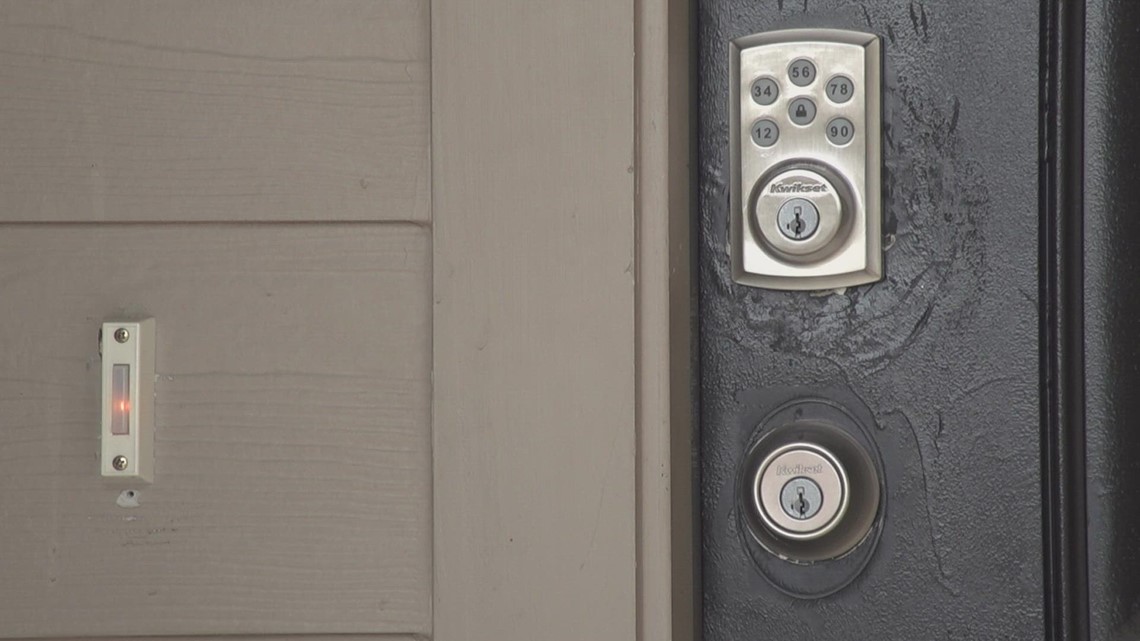
Rental scams are common enough to have their own federal tracking. The Federal Trade Commission has logged nearly 65,000 reported rental scams since 2020, totaling about $65 million in losses, with a median reported loss of $1,000. Renters aged 18 to 29 are three times more likely than other adults to report losing money this way, and roughly half of scams reported in the year ending June 2025 started with a fake ad on Facebook.
The mechanism behind most of these cases is simple: a real listing gets copied, the contact information gets swapped for the scammer’s, and the fake ad goes up on a different site, often priced noticeably below similar houses nearby.
- Search the address before you contact anyone. If the same house shows up under a different price, a different name, or as a for-sale listing instead of a rental, stop.
- Never wire money, send a gift card, or pay a deposit before an in-person or verified live-video tour. Self-guided lockbox tours are legitimate; a “landlord” who refuses any tour at all is not.
- Compare the rent to nearby houses first. A price well under the neighborhood range is one of the clearest signals the FTC’s own data points to.
- Hold off on sensitive documents. A legitimate owner does not need your Social Security number or a self-run credit report before you’ve agreed to rent.
What’s the biggest red flag in an FRBO listing?
A demand for payment before any tour, in person or live video. FTC data shows this is the mechanism behind most reported losses, not the platform the ad appears on.
What Changes Between an Owner and a Company
Oklahoma’s Residential Landlord and Tenant Act, Title 41 of the state statutes, does not distinguish between an individual owner and a management company. The same deposit-handling, entry-notice, and eviction-notice rules apply either way, so the legal floor is identical. What differs is process.
| Factor | Owner-managed | Company-managed |
|---|---|---|
| Deposit handling | Same statutory escrow requirement under Title 41 §41-115; enforcement depends on one person | Held in a company trust account, usually with automated tracking |
| Maintenance response | Direct call or text to the owner; speed varies person to person | Ticketing system with a stated SLA, often 24 to 72 hours for non-emergencies |
| Application/background check | At the owner’s discretion; some skip formal screening entirely | Standardized credit and background check as a condition of approval |
| Lease flexibility | More room to negotiate specific terms directly with the decision-maker | Terms are usually fixed by company policy |
The state’s $500-to-$14,970 house-rent range and $1,350 median cover both categories equally: nothing in Oklahoma law or in the pricing data ties a lower rent to owner-managed listings specifically. The Tulsa County market run in mid-2026 shows owner and company listings occupying the same price band side by side, which means the process differences above, not the price tag, are what should drive your decision between the two.
Are owner-rented houses cheaper than company-managed ones?
Not consistently. State law sets the same deposit and notice floor for both, and pricing is set property by property. Any given owner listing can run cheaper or pricier than a comparable company-managed one.
What Oklahoma Law Requires
| Trigger | Oklahoma requirement | Statute |
|---|---|---|
| Move-out, deposit return | Landlord must return the deposit, or send an itemized statement of deductions, within 45 days | Title 41 §41-115(B)/(C) |
| Non-emergency entry | At least 24 hours’ notice required before the landlord enters | Title 41 §41-128 |
| Nonpayment of rent | At least 5 days’ written notice required before an eviction filing | Title 41 §41-131 |
| Habitability repair | Landlord generally has 14 days to fix a non-emergency issue after written notice | Title 41 §41-121 |
These four numbers cover the disputes that most often reach Oklahoma small claims court over a residential lease: deposit timing, entry, and notice before eviction. None of the four marketplaces currently ranking for this search state any of them. Tulsa itself adds nothing further for a standard lease: the city’s only rental-specific licensing rules, per the City of Tulsa, apply to short-term rentals under 30 days, not standard house leases.
How many days does a Tulsa landlord have to return my security deposit?
45 days from move-out, under Title 41 §41-115(B). Miss that window without sending an itemized deduction statement, and the tenant can recover the full deposit.
That 45-day rule is the one figure worth confirming before you sign, since it’s the deadline you’ll actually need to enforce.
Is there a legal cap on my Tulsa security deposit?
No. Oklahoma sets no statutory maximum, despite some guides claiming a two-month-rent cap.
Where the Owner-Listed Inventory Sits, and What’s Not Published
No source publishes owner-rented house prices broken out by Tulsa neighborhood. That gap is real; nothing below should be read as house-specific. What is published is one-bedroom apartment pricing by neighborhood from Rent.com’s market data, which still works as a relative cost tier between areas.
| Neighborhood | 1BR benchmark rent | Notable feature |
|---|---|---|
| Brookside | $770 | Walkable strip along South Peoria, closest to River Parks |
| Lewis Crest | $785 | Below the city average, family-oriented |
| City average, all neighborhoods | $839 | Baseline for comparison |
| Midtown | $1,060 | Central location, shortest commute to most of the metro |
| Maple Ridge Historic District | $1,300 | Adjacent to the Philbrook Museum, older housing stock |
| Patrick Henry | $1,500 | Highest of the tracked areas |
Brookside and Lewis Crest sit below the citywide baseline; Patrick Henry and Maple Ridge sit well above it. A house in any of these areas will generally track the same relative position on the map, even without a house-specific figure to confirm it directly.
What a Bad FRBO Lease Costs You
An owner who doesn’t maintain the property, doesn’t carry landlord insurance, or disappears after taking a deposit leaves you with fewer formal channels than a company-managed lease does. There’s no corporate office to escalate to, just small claims court and the 45-day deposit clock. The FBI’s Internet Crime Complaint Center logged $275.1 million in real-estate-fraud losses across 12,368 complaints in 2025, a broader category that includes wire fraud tied to home closings alongside rentals.
Current Listings
Most major rental marketplaces let you isolate owner-listed houses with a “By Owner” or “FRBO” filter alongside the standard price, bedroom, and pet filters. Apply that filter first, then run every result through the verification checklist above before contacting anyone.
Comments