
What a 3-Bedroom Townhouse Costs, by Metro and by Type
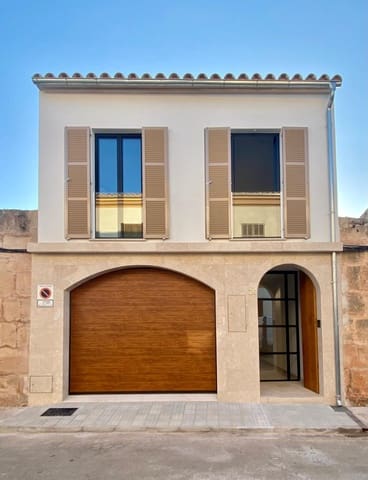
Three-bedroom townhouse rent tracks closest to a same-size single-family house rental and runs several hundred dollars above a three-bedroom apartment in the same metro. No national rental aggregator publishes a rent index broken out by both bedroom count and property type together, so the clearest picture comes from metros where the pieces can be assembled from separate datasets rather than from one convenient national number.
| Type | Median monthly rent | Typical size |
|---|---|---|
| 2-bedroom apartment | $1,779 | 1,087 sq ft |
| 3-bedroom apartment | $2,106 | 1,396 sq ft |
| 3-bedroom townhouse | $2,099 | 1,200 to 1,800 sq ft (typical national range) |
| 3-bedroom house (all-bedroom median) | $2,100 | – |
Apartment figures and square footage are from RentCafe’s Charlotte market data, updated July 2, 2026. The townhouse median is from Homes.com’s Charlotte townhouse listings, also July 2026; the house median is from Zumper’s Charlotte rent research, dated May 16, 2026. The size range for townhouses specifically comes from appraisal-industry square-footage data, since Charlotte’s own listings don’t publish a townhouse-only average. In this metro, the townhouse and the house sit within a dollar of each other; the apartment costs $427 less for a similar 1,200-to-1,400-square-foot footprint.
Raleigh, 30 minutes up the road, shows the same shape: a house median of $1,995 against an apartment median of $1,429, per Zumper’s Raleigh data from June 20, 2026. Nationally, the all-property average rent was $1,750 a month as of July 2, 2026, per RentCafe’s U.S. summary, while the three-bedroom apartment average alone runs closer to $2,125, per Zillow’s rental market data. That national apartment figure is not a townhouse number and shouldn’t be read as one; treat the metro-level comparisons above as the more accurate guide until a national bedroom-by-property-type index exists.
Is a 3-bedroom townhouse cheaper than a 3-bedroom house?In Charlotte’s July 2026 data, they were nearly identical: $2,099 for the townhouse median against $2,100 for the house median. The gap moves more with HOA amenities and unit age than with the property type itself.
Who a 3-Bedroom Townhouse Fits
A third bedroom changes who’s asking the question. It’s rarely a single renter; it’s a family, a group of two or three roommates, or someone who needs a dedicated home office.
- Families with school-age kids: confirm the school zone boundary before signing. Boundaries can split a subdivision block by block, and a mid-year rezoning forces a costly move mid-lease.
- Two to three unrelated roommates: works best when income and credit are pooled evenly across signers. A joint-and-several lease clause makes every signer liable for the full rent if one stops paying, regardless of the private split the roommates agreed to among themselves.
- Remote workers needing an office: check the HOA covenant for business-use or short-term-rental restrictions before assuming the third bedroom can double as a workspace without issue.
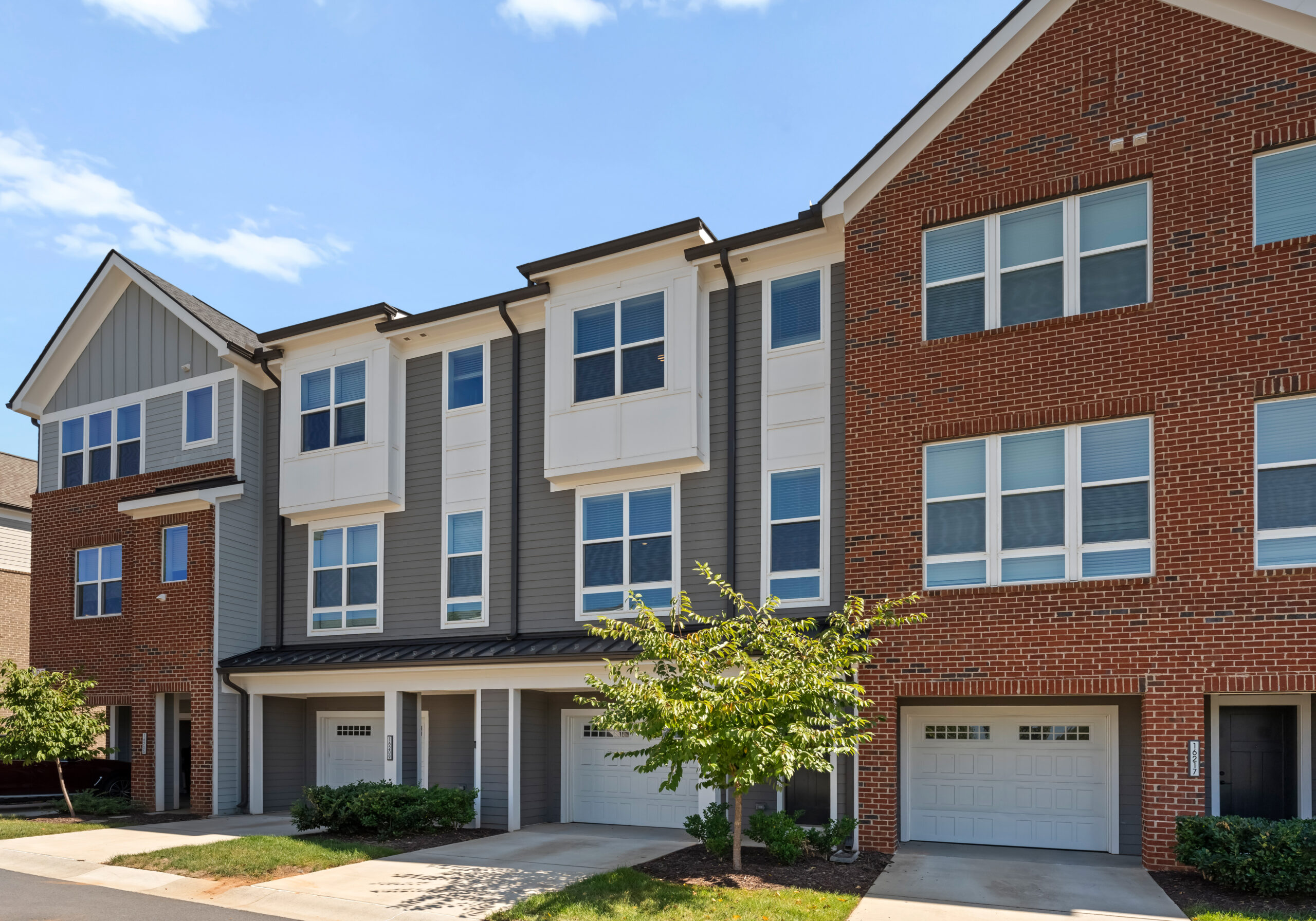
A listed three-bedroom, two-and-a-half-bath townhouse in Charlotte’s Dillon Lakes subdivision in July 2026 shows the typical layout: three bedrooms upstairs, an open kitchen-living-dining main floor, and a half bath for guests, per Homes.com’s current listings.
Three-Bedroom Townhouse vs. Apartment vs. House
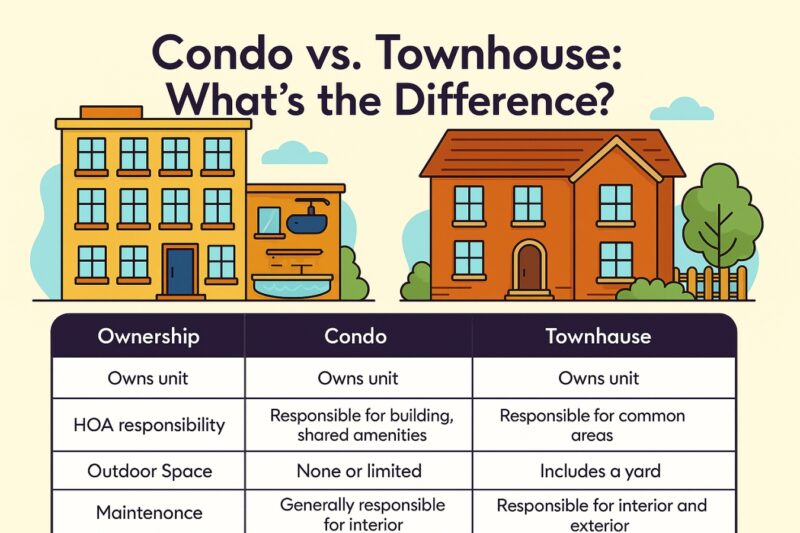
| Type | Entrance and parking | Maintenance | Charlotte rent (Jul 2026) | Occupancy and lease flexibility |
|---|---|---|---|---|
| 3BR apartment | Shared building entrance, assigned or unassigned lot | Landlord-managed for the whole building | $2,106 | Standard 12-month lease, easiest to sublet in some buildings |
| 3BR townhouse | Private entrance, usually attached garage or driveway | HOA handles exterior and grounds; renter handles interior | $2,099 | Standard lease, HOA occupancy and guest rules apply on top |
| 3BR house | Private entrance and full driveway or garage | Renter typically handles yard and exterior upkeep directly | $2,100 | Standard lease, no HOA layer in most cases |
For a household that wants a private entrance without taking on full yard maintenance, the townhouse row is the deciding one: it’s the only type that pairs private entry with an HOA-funded landscaping crew, at a price within a dollar of the house alternative.
Can three unrelated roommates rent a 3-bedroom townhouse together?Yes, if the landlord agrees to add each person as a co-tenant on one lease. Nolo’s tenant-law guide explains that once that happens, a joint-and-several liability clause makes every signer responsible for the entire rent if one roommate stops paying or leaves early, not a proportional share.
HOA and Lease Terms That Matter More at Three Bedrooms
Multi-bedroom units draw multi-person households, and that’s where occupancy and liability clauses start to matter in a way a one-person lease never triggers. HUD’s 1991 Keating Memo, adopted as official agency guidance in 1998, treats a policy of two people per bedroom as generally reasonable under the Fair Housing Act, but the memo itself calls that standard rebuttable and lists bedroom size, unit configuration, and local building codes as factors that can push the number higher, according to the Fair Housing Project’s summary of the memo. Many property managers apply a “2+1” version of the rule instead, permitting two people per bedroom plus one additional occupant, as recommended by affordable-housing compliance guidance. Neither version is a hard cap a landlord can enforce blindly.
| Clause | What to ask before signing | Why it matters more at 3BR |
|---|---|---|
| Occupancy cap | What’s the HOA’s or landlord’s stated maximum, and is it “2 per bedroom” or “2+1”? | Three bedrooms invite larger households, where a strict cap can conflict with fair-housing guidance |
| Guest and subletting limit | How many consecutive nights can a guest stay, and is subletting allowed at all? | Roommate turnover is more common in a 3-person household than a 1-person one |
| Joint-and-several liability | Does the lease name each roommate individually, or one lead tenant? | With three signers, one person’s default exposes the other two to the full rent |
| HOA business-use restriction | Does the covenant restrict home offices or client visits? | A third bedroom is the most common room converted to a home office |
Do HOA rules limit how many people can live in a townhouse?They can set an occupancy policy, but under HUD’s guidance a blanket “two per bedroom” rule is a starting presumption, not an absolute limit, and can be challenged if it’s applied rigidly against a family with children.
What to Check Before You Sign
For families
- School zone: verify the exact attendance boundary with the district, not the listing description.
- Yard and fencing: confirm what outdoor space is private versus HOA common area, and whether fencing or play equipment needs HOA approval.
For roommate groups
- Lease structure: ask whether the landlord will issue one joint lease or separate individual leases; separate leases limit each person’s liability to their own portion.
- Occupancy clause: see the HOA and lease-terms section above; the same Keating Memo standard governs this question.
Is a 3-bedroom townhouse good for a family with school-age kids?Generally yes, provided the school zone is verified independently and the HOA’s rules on yards, fencing, and play equipment fit the household’s needs; both checks matter more than the bedroom count alone.
The Process, Compressed
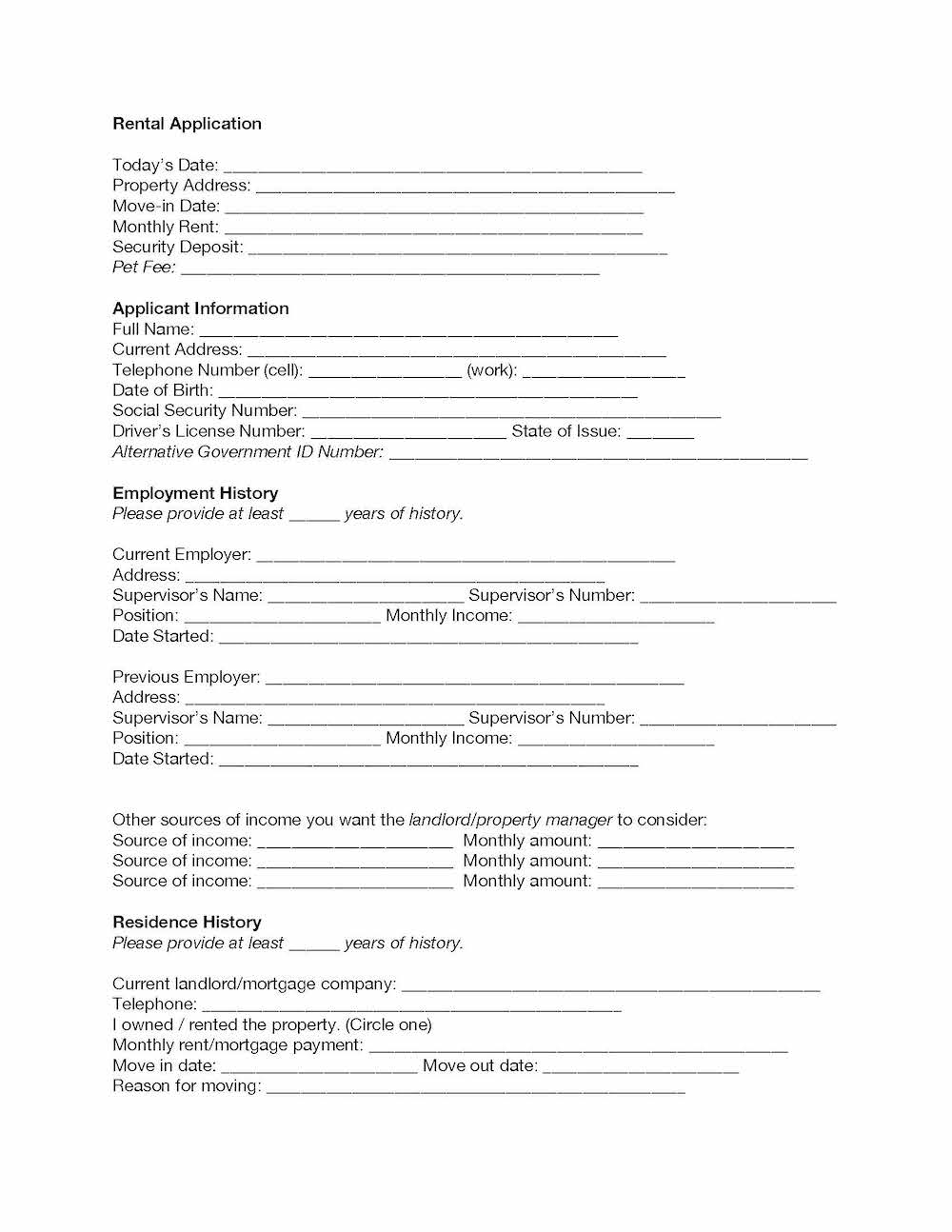
Renting follows the same five steps regardless of bedroom count: confirm the budget against gross income, tour the unit and walk the HOA common areas, submit an application with proof of income and rental history for every adult signer, review the lease for the occupancy and liability clauses covered above, and pay the deposit, typically one to two months’ rent, at move-in.
Common Mistakes at This Bedroom Count
- Undersizing the search: renting a two-bedroom expecting to “make it work” and needing a third bedroom within the year means re-leasing costs, typically a broken-lease fee plus a new deposit, on top of the move itself.
- Ignoring the occupancy cap: signing before confirming whether the community follows “2 per bedroom” or “2+1” can surface as a lease violation months later, once a roommate or family member moves in.
- Skipping the scam check: searching the listing address independently before sending any money catches most fakes.
The FTC’s December 2025 analysis found renters reported nearly 65,000 rental scams and about $65 million in losses since 2020, per the FTC’s data spotlight, with a median reported loss of $1,000.
Comments