
What “PSL” and the section numbers on a listing actually mean
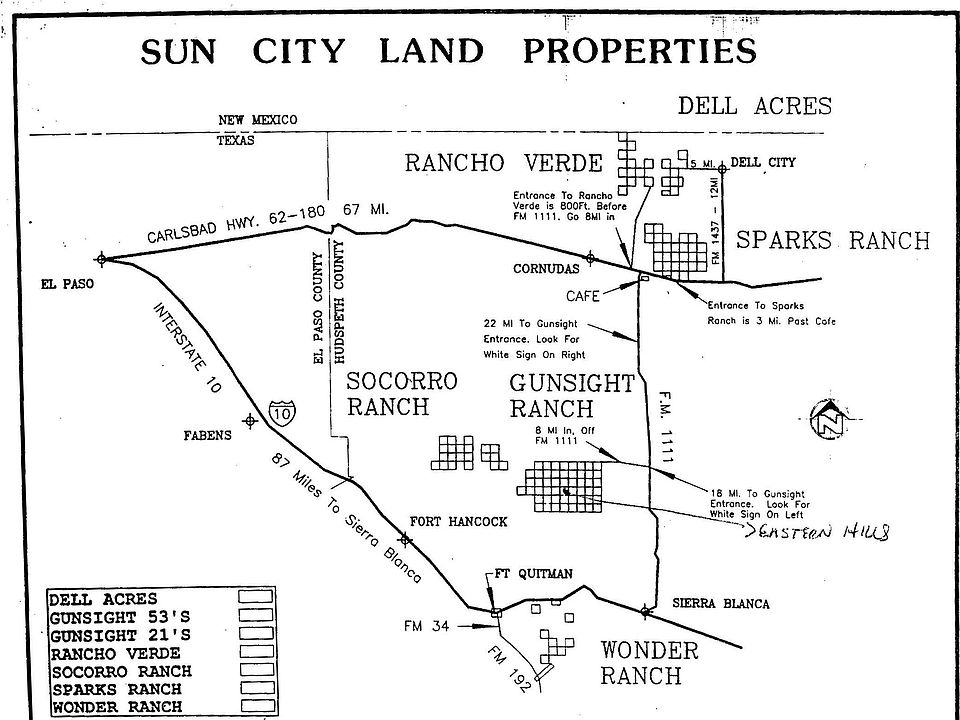
Legal descriptions like “46 SEC 20 PSL SUNSET RANCHES UNIT #432 LOT 32” look like noise until you know what each part is doing. PSL stands for Public School Land: land the Texas Legislature set aside for the Permanent School Fund, mostly surveyed into 640-acre sections between 1900 and 1903 by state-appointed surveyors, concentrated in the Trans-Pecos region because that was the largest remaining unclaimed public land when the program was built out, according to the Texas General Land Office’s own account of its PSL bound volumes. Hudspeth County is one of the counties whose PSL field notes the General Land Office still holds on file.
The “SEC 20” is one of those original 640-acre sections. A private landowner later bought the section, subdivided it into 20-acre lots (the “UNIT #432 LOT 32” part), and platted it as Sunset Ranches. So a PSL reference on a listing tells you the land’s origin as state school land, not its current legal status: the section is privately owned now, but the survey grid it sits on is a century-old state land-office product, which is why the same block-and-section numbering shows up across dozens of unrelated listings in this zip.
What does PSL mean on a Hudspeth County land listing? Public School Land: a 640-acre survey block originally set aside for the Texas Permanent School Fund around 1900 to 1903, later sold and subdivided by private owners into today’s smaller lots.
Jargon on Sierra Blanca listings, decoded
| Term seen on listings | Plain meaning | Why it matters to a buyer |
|---|---|---|
| PSL (e.g. “SEC 20 PSL”) | Public School Land: a 640-acre state survey section, now privately subdivided | Tells you the parcel’s origin and grid, not its title status; verify the current owner and plat separately |
| Unplatted / “no survey” | No recorded plat map for this specific lot; boundaries described by section math, not a drawn survey | Fence lines and photos may not match the legal boundary; a stake or corner marker can be off |
| No mineral rights convey | The seller is keeping any mineral estate; you buy the surface only | You can still fence, build, and use the land; you get no royalty if oil, gas, or other minerals are produced |
| Unimproved | No grid electric, water line, or paved road reaches the lot | Budget for solar or generator power, a well or hauled water, and a septic system before building |
The financing math sellers advertise is the second thing every listing shows without explaining.
The real cost behind a $99-to-$360-a-month lot
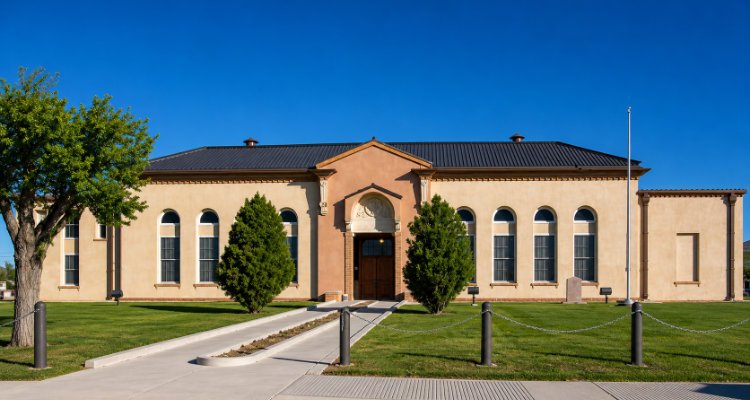
One active listing this month: 20 acres in Sunset Ranches priced at $20,495, advertised at $204 a month with $0 down (Onlinelandsales, product listing for Lot 16, Unit 409). Multiply that out and the nominal payments over a typical term add up to well past the cash price; a buyer who stops paying at month 24 has put in roughly $4,900 and, under Sunset Ranches’ published contract terms, walks away with nothing to show for it. That last point is the one the ads never mention.
What sellers in this zip currently disclose about financing terms
| Term | Amount / condition | Source |
|---|---|---|
| Minimum down payment | $199 (varies by lot; several current listings show $0) | Classic Country Land |
| Closing / documentation fee at signing | $249 to $250 | Classic Country Land; multiple Land.com listings |
| Disclosed interest rate (where stated) | 8%, on an active $32,800, 20-acre tract | Land.com listing |
| Deed-preparation fee, due only at full payoff | $500 | Sunset Ranches Property Owner’s Information Guide |
| Title insurance availability | Not available until the property is paid in full | Sunset Ranches Property Owner’s Information Guide |
| Warranty deed and vendor’s lien for electric hookup | Issued once 25% of original principal is paid | Sunset Ranches Property Owner’s Information Guide |
| Returned-check fee | $30 | Sunset Ranches Property Owner’s Information Guide |
| Default-notice administrative fee | $30 | Sunset Ranches Property Owner’s Information Guide |
| Contract-amendment fee | $50 | Sunset Ranches Property Owner’s Information Guide |
The seller’s disclosure states that on default, after a 15-day notice period, the entire unpaid balance can be accelerated or the contract simply cancelled, with all payments already made kept as liquidated damages rather than refunded. A $204-a-month buyer who defaults two years in has no partial-ownership claim to fall back on: the land reverts to the seller and the payments stay with them.
What’s the real total cost of a $204-a-month lot? On the advertised $20,495 Sunset Ranches example, 120 months of $204 payments totals $24,480, roughly $4,000 above the cash price, before counting the $500 deed fee due at payoff; confirm the exact term and rate before signing, since neither is guaranteed to match this example.
The fraud pattern this zip’s listings match
Vacant, absentee-owned recreational land is the exact profile the Texas Real Estate Commission and the Texas Land Title Association have been warning about since 2023: a caller impersonates the actual owner, offers the lot below market for a quick sale, insists on remote closing, and asks that proceeds go straight to them. Texas REALTORS’ guidance adds that scammers can pull the real owner’s name and mailing address from the county appraisal district, so a name match alone proves nothing.
Checklist before wiring anything on a Sierra Blanca parcel:
- Confirm the seller in person or by video, matched against a government ID, not just an email or text thread.
- Call the title company directly using a number you looked up yourself, not one the seller provided.
- Ask why the price sits below the county averages in the table above; a steep discount paired with urgency is the single most repeated red flag across TREC’s advisories.
- Insist on an in-person or trusted notary at closing; a seller who supplies their own notary is supplying part of the scheme.
- Buy title insurance where it’s offered; the table above shows one common local seller doesn’t offer it until the contract is paid off, which removes this safeguard for the entire financed term.
Is owner-financed land in Sierra Blanca a scam? Not inherently: several sellers here have operated for decades with recorded, verifiable deeds. But this zip’s inventory, vacant, absentee-owned, and frequently below market, matches the profile TREC and the Texas Land Title Association flagged as the fastest-growing land fraud pattern in the state since 2023, so verification steps aren’t optional.
What “no mineral rights convey” means for a buyer
Not owning the minerals under a Sierra Blanca lot doesn’t limit what you can do on the surface: you keep full control over fencing, building, and access, and an operator who later acquires the minerals still has to negotiate with you over surface use. What you give up is any royalty if oil, gas, or other minerals are ever produced beneath the parcel, historically a low-probability event in this stretch of Hudspeth County but not a zero one.
Do mineral rights matter if I’m only using the land recreationally? Mainly for the royalty upside you’d be giving up, not for your ability to use the surface; a landman title search, typically a few hundred dollars, is the only way to confirm whether the minerals were ever reserved on a specific parcel.
Roads, water, and power: what “unimproved” means on the ground
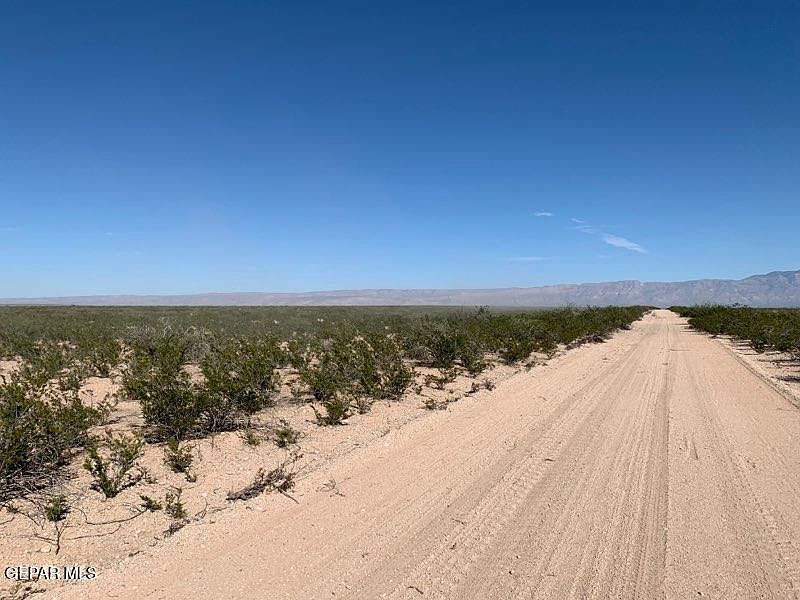
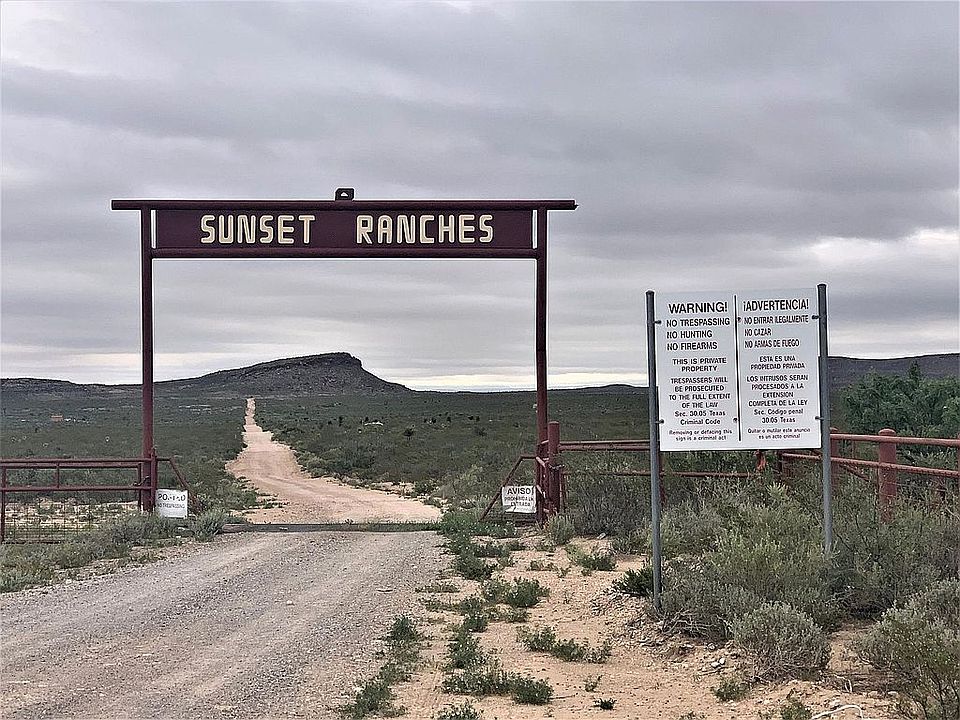
Sunset Ranches’ disclosure document describes dirt roads that the seller built and has maintained, with an explicit statement that neither obligation continues going forward: the buyer bears the cost of any vehicle damage from the road condition. Water comes from a well you drill, water you haul, or a local hauler; power comes from solar, generator, or propane; waste goes to an individual septic system. None of this is unusual for rural Trans-Pecos land, but no aggregator states it as a standing feature of the whole zip rather than a line in one listing’s fine print.
The financing structure itself changes what happens if a buyer later defaults, and the two common structures carry different legal footing.
Contract for deed vs. owner financing with a deed of trust
| Feature | Contract for deed (executory contract) | Owner financing with a deed of trust |
|---|---|---|
| Who holds legal title during payments | Seller; buyer holds only equitable title | Buyer, from closing forward |
| Texas Property Code Chapter 5 buyer protections | Apply mainly where the property is used or intended as the purchaser’s residence; a lot over one acre isn’t presumed residential, so recreational tracts sit in a greyer zone | Governed instead by the standard non-judicial foreclosure process (Property Code Chapter 51) |
| On default | Seller may rescind or accelerate after notice and a cure period; payments made are typically kept as liquidated damages | Seller forecloses under the deed of trust; any equity above the debt after sale can belong to the buyer |
| Title insurance during the payment term | Frequently unavailable until paid in full (see financing table above) | Available at closing, since the buyer already holds title |
This factual summary of the Texas Property Code’s executory-contract subchapter and its practical contrast with deed-of-trust financing isn’t legal advice; a Texas real estate attorney can confirm which protections attach to a specific lot and intended use.
The covenants hiding inside “no HOA” listings
Several listings advertise “no HOA” as though the land were unrestricted. Sunset Ranches’ recorded covenants, filed with the county and referenced in the seller’s own information guide, say otherwise:
- Camping is capped, not open-ended: four times a year, no more than 30 days at a stretch, with at least 60 days between visits.
- All structures must sit at least 50 feet from the center of any adjoining road.
- No blasting, quarrying, or mining is permitted on any lot.
- Septic systems require a Hudspeth County permit before occupancy, or an approved composting-toilet alternative.
- Livestock triggers a fencing duty: lots are subject to open grazing, so an owner who places animals on their lot must fence the grazing area themselves.
- No lot may be used as a dumping ground for trash, tires, or junk vehicles.
None of these rules require a homeowners’ association to exist and enforce them; the county and the recorded deed do that instead.
Comments