
Current Market Snapshot
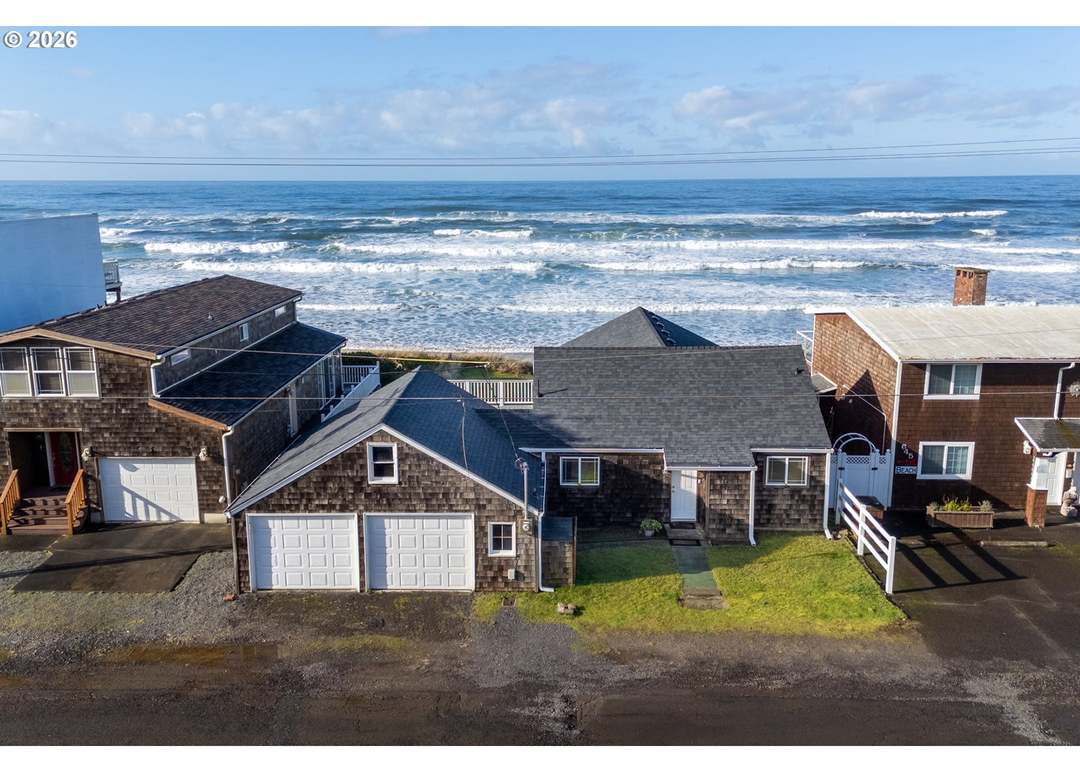
The 97136 market closed 18 sales in May 2026, up from 12 a year earlier, and homes are taking longer to move: a median 59 days on market compared with 27 days the prior year (Redfin). Redfin scores the market 52 out of 100 on its Compete Score, “somewhat competitive,” with homes selling for around 2% under list price on average.
A closed-sale count of 18 in a single month is a small base. One or two oceanfront sales can move that median several percent up or down without signaling a real shift, which is worth remembering before reacting to any single month’s headline.
So which price figure should a buyer use when making an offer?Anchor to the closed-sale median: it reflects what sellers actually accepted for comparable homes, and build a separate, wider offer range for any specific listing’s asking price rather than treating that asking price as the market rate.
Price by Property Type and Location
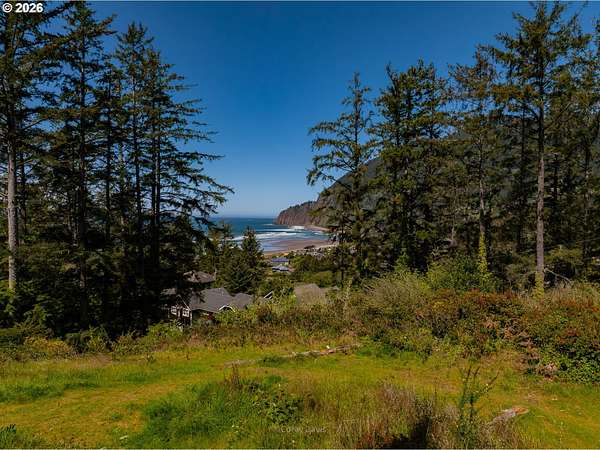
Median asking prices differ by roughly $20,000 between the two largest tracked categories: $510,000 for waterfront homes and $530,000 for inland single-story houses (Redfin waterfront; Redfin single-story). A blended citywide median hides this entirely.
Waterfront and Oceanfront
Twenty-one waterfront homes were active at a $510,000 median asking price at last count, with some marketed by Redfin as “hot homes” expected to sell quickly. Conventional financing is typical for fee-simple oceanfront parcels; flood and tsunami exposure, covered below, is highest in this segment.
Inland Single-Story Homes
Twenty-three single-story homes were active at a $530,000 median asking price, spending a median 78 days on market, longer than the waterfront segment despite lower exposure to coastal hazards. Buyers drawn to single-level living, often older buyers or those planning to age in place, are competing for a smaller, slower-moving pool than the headline citywide figure suggests.
Manufactured and Leasehold Units
A distinct, cheaper tier exists on leased land. One current example: an oceanfront 2008 Skyline Forest Brook park model at Shorewood RV Resort, marketed as one of only 15 beachfront units in the park, sits on an annual site lease rather than owned land (Redfin listing description). Leasehold and park-model units typically do not qualify for a standard 30-year mortgage; buyers usually need cash or a personal-property loan. A precise median price for this specific tier was not available through public listing aggregators at publication time and is flagged as an open research item rather than estimated.
| Segment | Active listings tracked | Price | Financing note |
|---|---|---|---|
| Waterfront / oceanfront | 21 | $510,000 median asking | Conventional mortgage typical; highest tsunami/flood exposure |
| Inland single-story | 23 | $530,000 median asking, 78 days on market | Conventional mortgage typical |
| Citywide closed sales (3-mo. trailing) | 18 sales in May 2026 | $489,000 median sold, $245/sqft | Blended across all segments |
| Leasehold park-model / manufactured | Not publicly tabulated | Below $250,000 in observed listings | Ground lease; cash or personal-property loan, not a standard mortgage |
The segment gap means a citywide median tells a buyer little about what a specific property type will cost: the $20,000 spread between waterfront and inland asking prices is smaller than most buyers assume, while the leasehold tier sits in an entirely different financing category.
Is It a Good Time to Buy or Sell in 97136
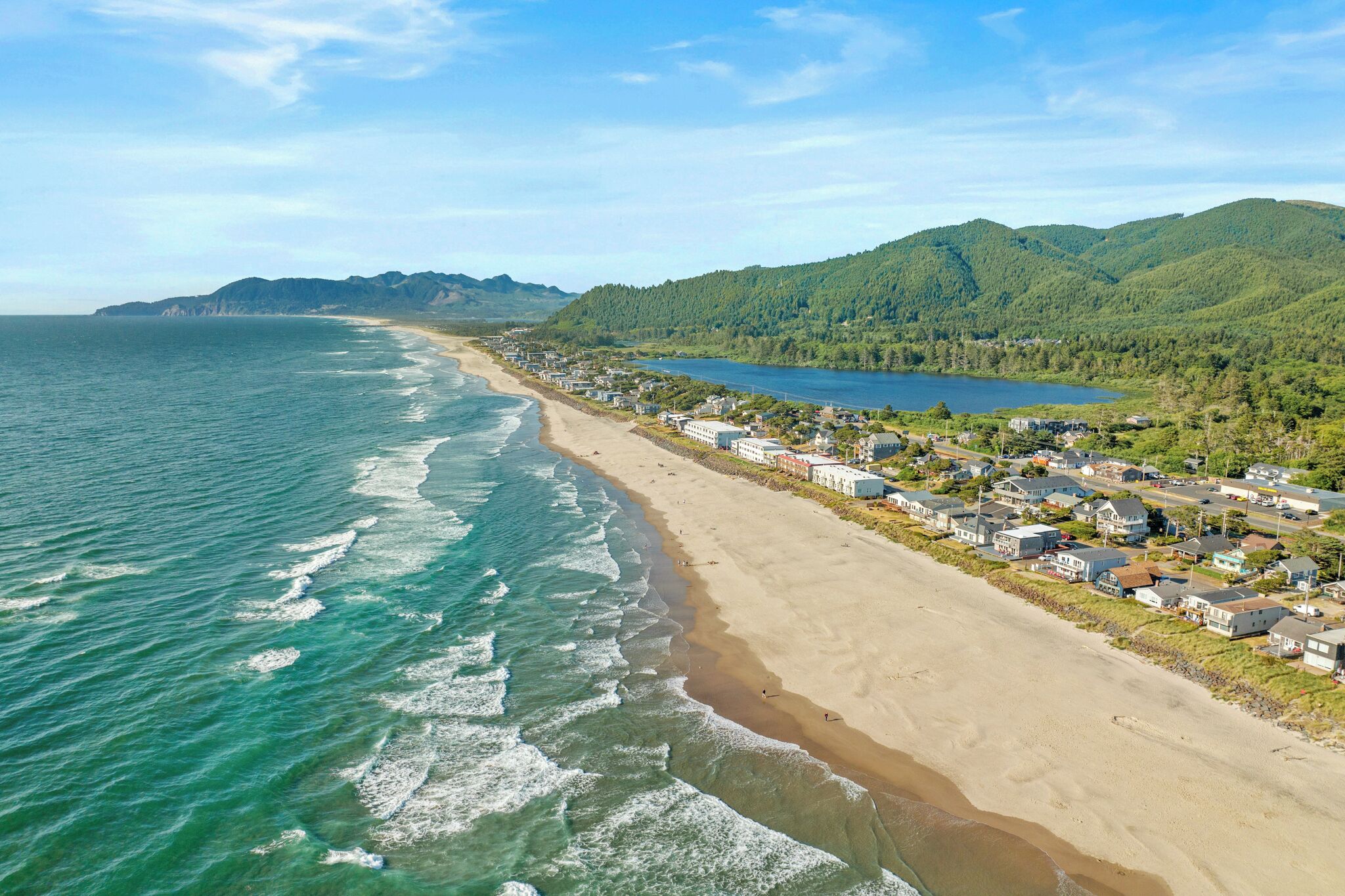
Buyers face less competition than a year ago: days on market climbed to 59 from 27, and price growth has slowed to 3.1% year over year. Sellers who price near the $489,000 closed-sale median and budget for the extra weeks on market are matching current buyer behavior. Neither side holds a decisive edge right now; the market has cooled from a seller’s pace toward something closer to balance.
Buying an Investment or Short-Term Rental Property Here
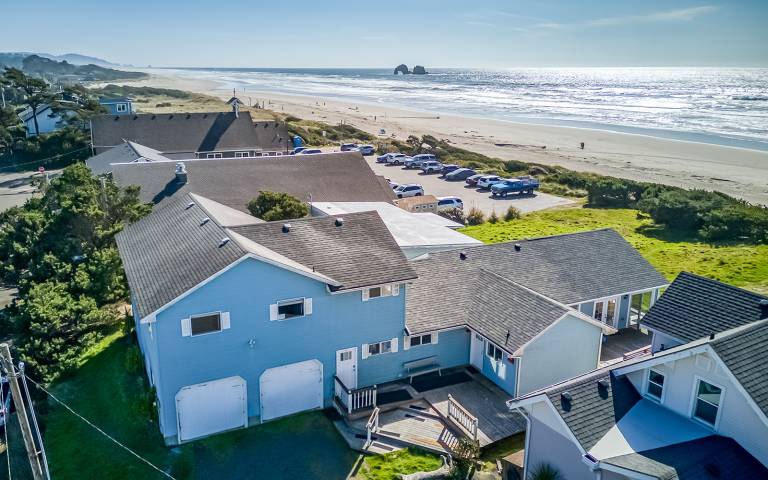
The city capped short-term rental licenses at 420 under Resolution 2024-08, and 488 licenses were already active as of the November 2025 count, so new applicants join a paid waitlist instead of applying directly (City of Rockaway Beach).
License Cap and Waitlist Mechanics
The city council set the cap at a March 2024 vote, choosing 420, about 20% of the city’s roughly 2,100 dwellings, over a proposed 530, or 25% (Tillamook Headlight Herald). Because the active count already exceeds the cap, new licenses depend entirely on attrition: an owner must let a license lapse before a waitlisted applicant can move up. Joining the waitlist costs a $95 administrative fee, filed through the city’s STR portal at City Hall. The council reviews the cap every October, so the number itself is not fixed indefinitely.
Transient Room Tax
Short-term rental operators collect a combined 11.5% transient lodging tax: 10% to the city, 1.5% to the state (Tillamook Coast; Oregon Department of Revenue). Tax is filed quarterly and, as of the current cycle, remitted through the Oregon Department of Revenue rather than paid directly to the city.
Who the Cap Favors and Who It Doesn’t
Existing STR owners keep operating under an attrition-based system with no forced sell-off, while a new buyer starts on a waitlist with no guaranteed timeline. A license on a listing sheet is not proof of income: 106 of the city’s 488 active licenses showed no rental activity as of the last public count, and the city has 47 known unlicensed STRs it is actively addressing.
| Metric | Value |
|---|---|
| License cap (Resolution 2024-08) | 420 licenses |
| Active licenses in use (Nov. 2025 count) | 488 (68 over cap) |
| Licenses with no reported rental activity | 106 |
| STRs operating without a license | 47 (city addressing) |
| New-license waitlist admin fee | $95 |
| Cap review cadence | Annually, each October |
| Combined transient lodging tax | 11.5% (10% city + 1.5% state) |
More than a fifth of the city’s active STR licenses were producing no bookings at last count. A license number alone does not verify rental income; a buyer relying on STR revenue should ask for trailing booking history, not just proof of an active license.
Is Rockaway Beach a good place to invest in a vacation rental?Mainly for a buyer prepared to acquire a property with a license already attached: new licenses sit on a paid waitlist behind 68 licenses already over cap, so buying a property without an existing license means budgeting for zero rental income until a slot opens.
Coastal and Tsunami Risk
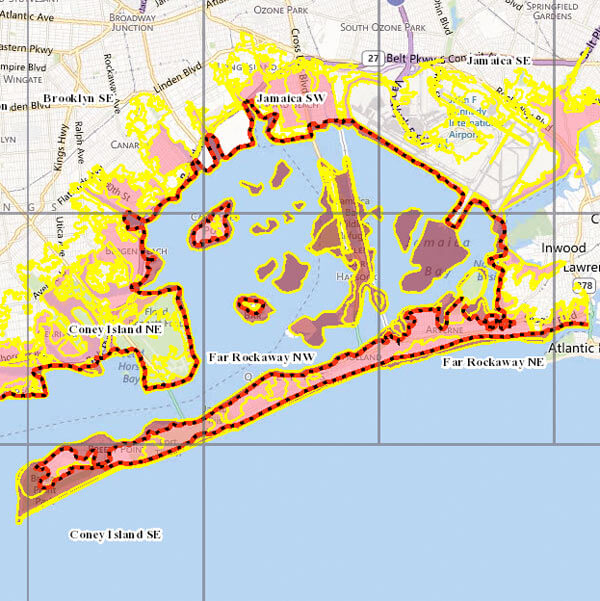
Almost the entire city sits inside the state’s mapped XXL tsunami inundation zone, and 79% of permanent residents live within it, even though most structures fall outside FEMA’s mapped flood zones (Oregon Department of Land Conservation and Development). Lenders only require flood insurance where a property sits inside a FEMA Special Flood Hazard Area; because most Rockaway Beach parcels sit outside that mapped zone despite lying in the tsunami inundation zone, buying flood coverage here is a voluntary decision, and closing does not depend on it.
Separately, First Street hazard data reports 39% of properties in the city, 872 parcels, at moderate risk of severe flooding over the next 30 years (Redfin), a distinct hazard measure from the tsunami-zone designation above.
Standard homeowners insurance does not cover tsunami-driven flood damage. Only a National Flood Insurance Program policy, or comparable private flood coverage, protects a structure against that specific loss.
Does flood risk affect getting a mortgage in Rockaway Beach?Only when a parcel falls inside a FEMA Special Flood Hazard Area does a lender require the policy; outside that boundary, even a home deep in the tsunami zone leaves the coverage decision entirely up to the buyer.
Seasonality: When Demand and Prices Move
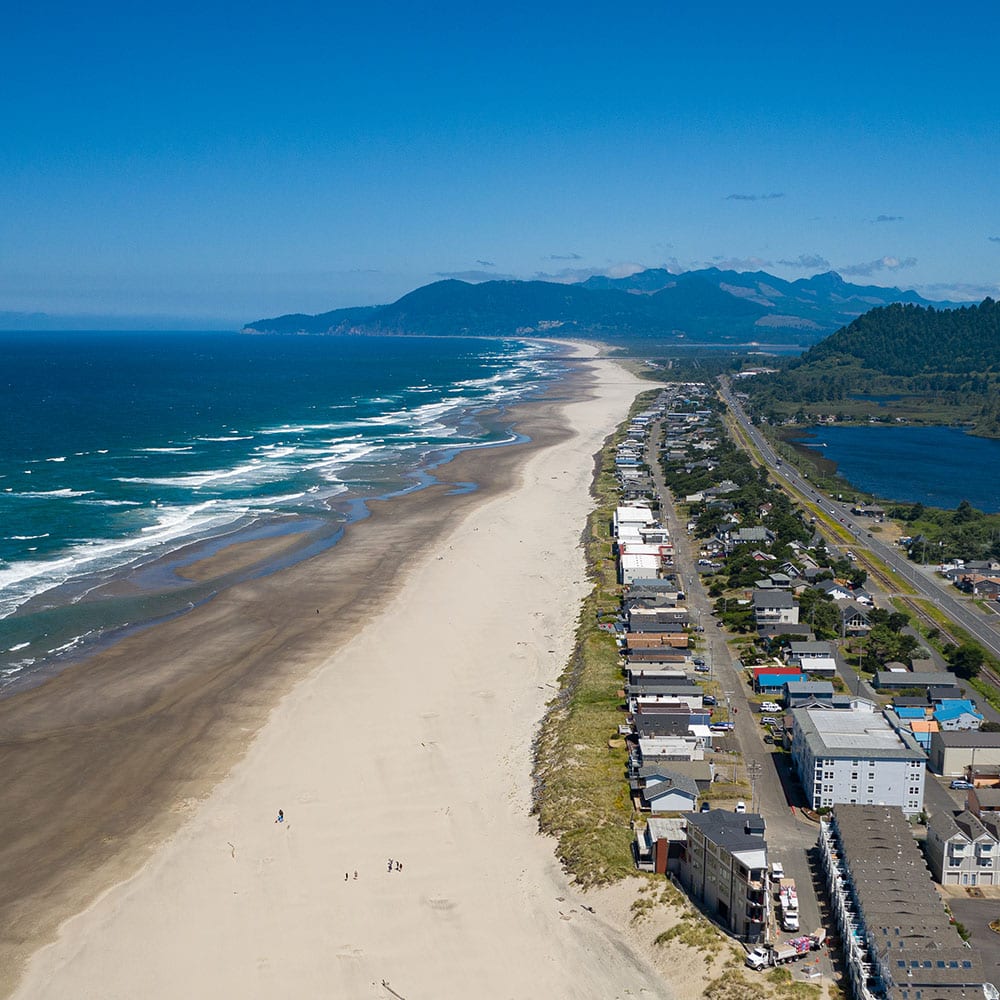
The population within the tsunami zone rises roughly sixfold in summer as vacation rentals and second homes fill (Oregon DLCD), a swing that matters for STR investors modeling off-season vacancy. The jump to 18 closed sales in May 2026 from 12 a year earlier hints at rising spring activity, though two monthly counts are too thin a base to call a settled seasonal pattern on their own.
When is the best time of year to list a home in Rockaway Beach?The clearest signal available is directional, not a confirmed calendar: closed sales and buyer traffic were both climbing heading into summer in the most recent data, consistent with the sixfold seasonal population swing, though a full multi-year seasonal index for this specific ZIP has not been published.
Common Mistakes Buyers and Investors Make in 97136

- Treating one portal’s median as the whole market. List-price and closed-sale medians diverge by a wide margin here; check which one a figure represents before comparing it to another site.
- Assuming an active STR license guarantees rental income. More than a fifth of active licenses showed no bookings at last count.
- Assuming homeowners insurance covers tsunami flooding. It doesn’t; only NFIP or private flood coverage does.
- Assuming a leasehold park-model unit qualifies for a standard mortgage. Most require cash or a personal-property loan instead.
- Ignoring the summer population swing when modeling STR vacancy. A roughly sixfold seasonal jump means winter vacancy projections built on summer occupancy data will be too optimistic.
Comments