
What FSBO Means, and the Two Kinds of FSBO Sale

For Sale By Owner describes a home sale where the seller lists and manages the transaction without a listing agent. Only 5% of sellers did this in the year ending June 2025, the lowest share NAR has recorded since it began tracking the figure in 1981, while 91% of sellers used an agent, also a record.
The label covers two different transactions. NAR’s 2025 Profile of Home Buyers and Sellers found that 60% of FSBO sellers already knew their buyer before listing. A separate NAR figure, reported by Virginia Realtors, shows that 30% of FSBO sellers name “sold to a friend, relative, or neighbor” as their main reason for skipping an agent. Those numbers answer two different survey questions: one counts every FSBO seller who had some prior relationship with the buyer, the other counts only sellers who name that relationship as the deciding factor. Read together, they still point the same direction: a majority of FSBO transactions resemble a private sale between two known parties more than an open listing competing for strangers’ attention.
Selling to Someone You Already Know
Here the seller’s real job is documenting a deal that already exists: pricing it fairly, handling disclosures correctly, and closing cleanly. Marketing barely matters.
Selling to the Open Market
Here the seller is competing for buyers who would otherwise find homes through an agent or the MLS, and most of the advice on the rest of this page, from pricing tools to buyer-agent concessions, applies with full force.
| Dimension | Known-buyer FSBO | Open-market FSBO |
|---|---|---|
| Share of FSBO sales | About 60% | About 40% |
| Primary seller task | Documenting and pricing a deal already in hand | Reaching and screening buyers who don’t yet know the home exists |
| Value of MLS or flat-fee listing | Low | High: the main route to buyer traffic |
| Who typically finds the home | A buyer already connected to the seller | Buyers usually arrive through an agent |
| Where NAR’s “hardest step” data applies most | Preparing the home, disclosures | Pricing, marketing, hitting a timeline |
Do most FSBO sellers already know their buyer?Yes. NAR’s 2025 survey puts the share at 60%, most often a friend, relative, or neighbor. That group carries little of the marketing burden the rest of this page addresses.
Does Selling FSBO Save You Money? The Math
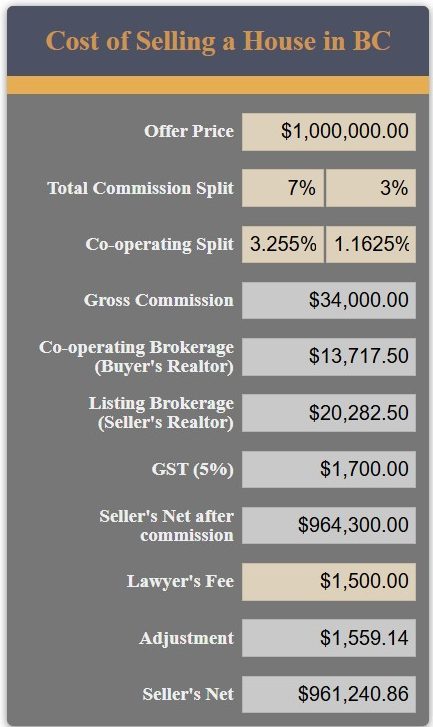
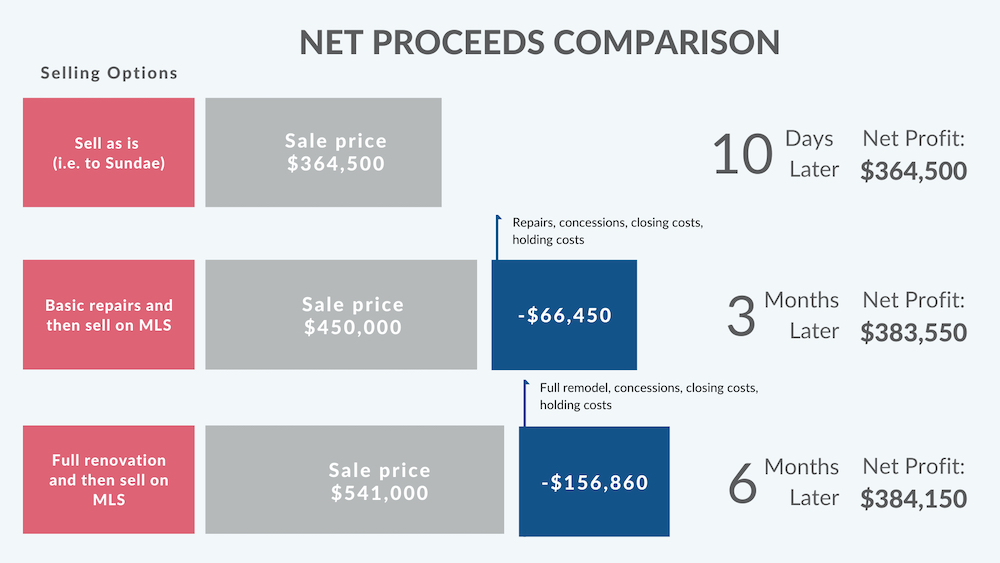
The instinct behind FSBO is simple: skip the roughly 2.88% average listing commission and keep the difference. Two facts complicate that math. FSBO homes carry a lower sale price to begin with, and most FSBO sellers still end up paying the buyer’s-agent fee even without a listing agent of their own.
| Scenario | Sale price | Commission paid | Net proceeds |
|---|---|---|---|
| Agent-assisted sale (national median) | $425,000 | $24,225 (5.70% total, Clever Real Estate) | $400,775 |
| FSBO, no buyer’s-agent concession paid | $360,000 | $0 | $360,000 |
| FSBO, buyer’s-agent concession paid | $360,000 | $10,152 (2.82%) | $349,848 |
On the national medians, an agent-assisted seller nets about $51,000 more than an FSBO seller who still covers the buyer’s-agent concession, even after subtracting the full 5.70% agent commission from the agent-assisted side. This compares national medians for two different seller populations, not the same house sold twice, since NAR does not publish a matched-pair study; that composition difference is exactly what the callout above flags.
Does skipping the commission mean more money in your pocket?Usually not by the amount sellers expect. The commission saved rarely offsets the lower typical sale price once a buyer’s-agent concession gets added back in, per the comparison above.
What a Seller Takes On Without an Agent

Pricing, marketing, showings, negotiation, and closing coordination all fall to the seller. NAR’s 2025 data shows the practical cost of that shift: 40% of FSBO sellers reported doing no active marketing at all, and pricing the home, preparing it for sale, and selling within the planned timeframe ranked as the three hardest parts of the process.
What a Buyer Should Watch For in an FSBO Purchase
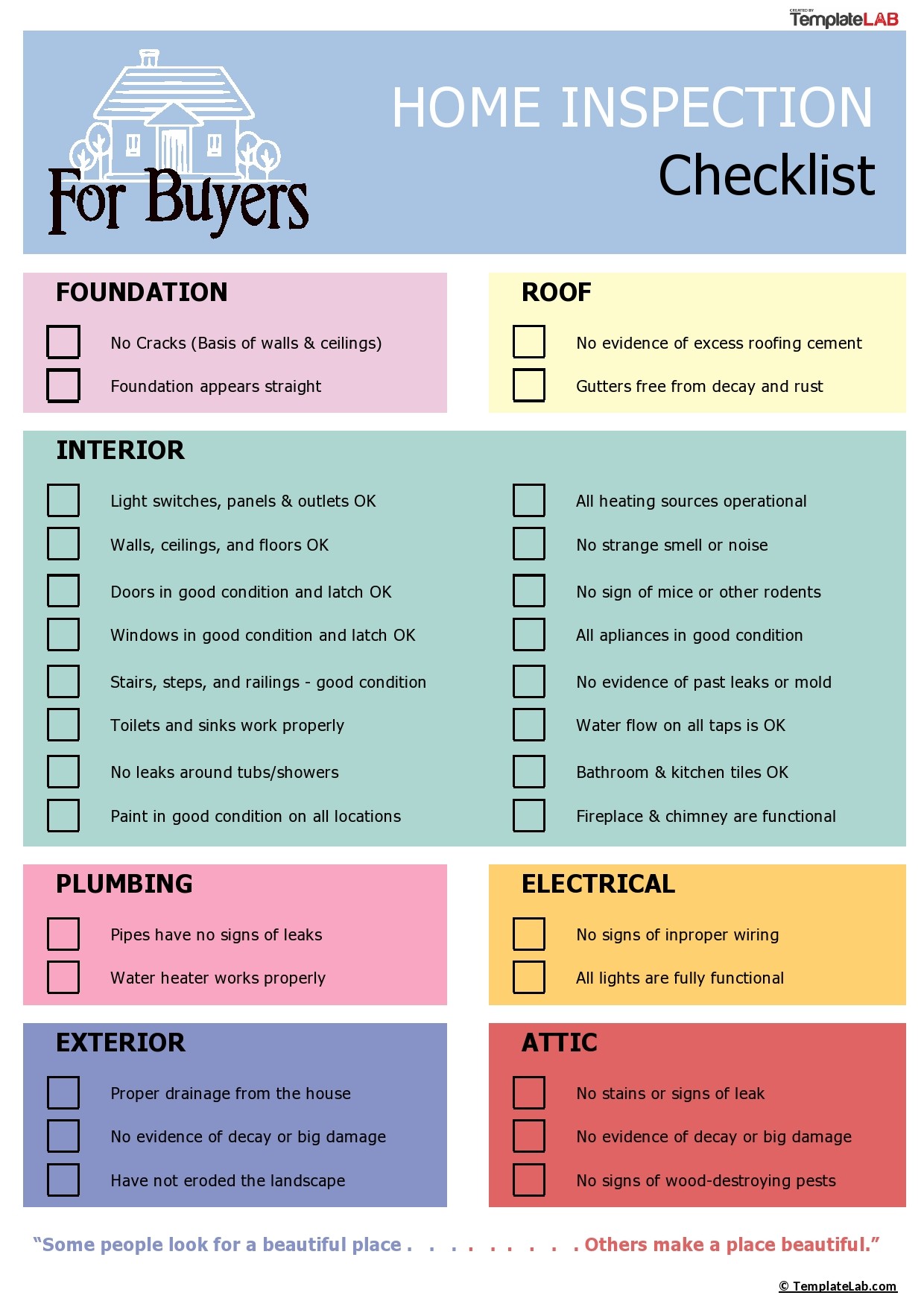
An FSBO listing isn’t automatically riskier, but it removes a professional filter that usually catches certain problems before an offer goes in.
- A price far below nearby comparables with no stated reason: this can signal a title issue, undisclosed damage, or a seller in genuine financial distress rather than a bargain.
- No disclosure offered before an offer is requested: most states require written disclosure before or at the point of offer; a seller skipping that step is either unaware of the requirement or avoiding it.
- Pressure to skip the inspection or waive contingencies quickly: legitimate urgency exists, but pressure aimed specifically at removing your protections is a separate signal.
- No named title company, closing agent, or attorney: an FSBO sale still needs someone independent handling title and funds; if no one has been named by the time an offer is being discussed, ask directly.
Is FSBO cheaper for a buyer?Not reliably. Buyers still often cover their own agent’s fee under the post-2024 rules, and an unrepresented seller doesn’t automatically mean a lower price, since 64% of FSBO sellers report not hitting their own target price in the first place.
Disclosures, Attorneys, and State Rules
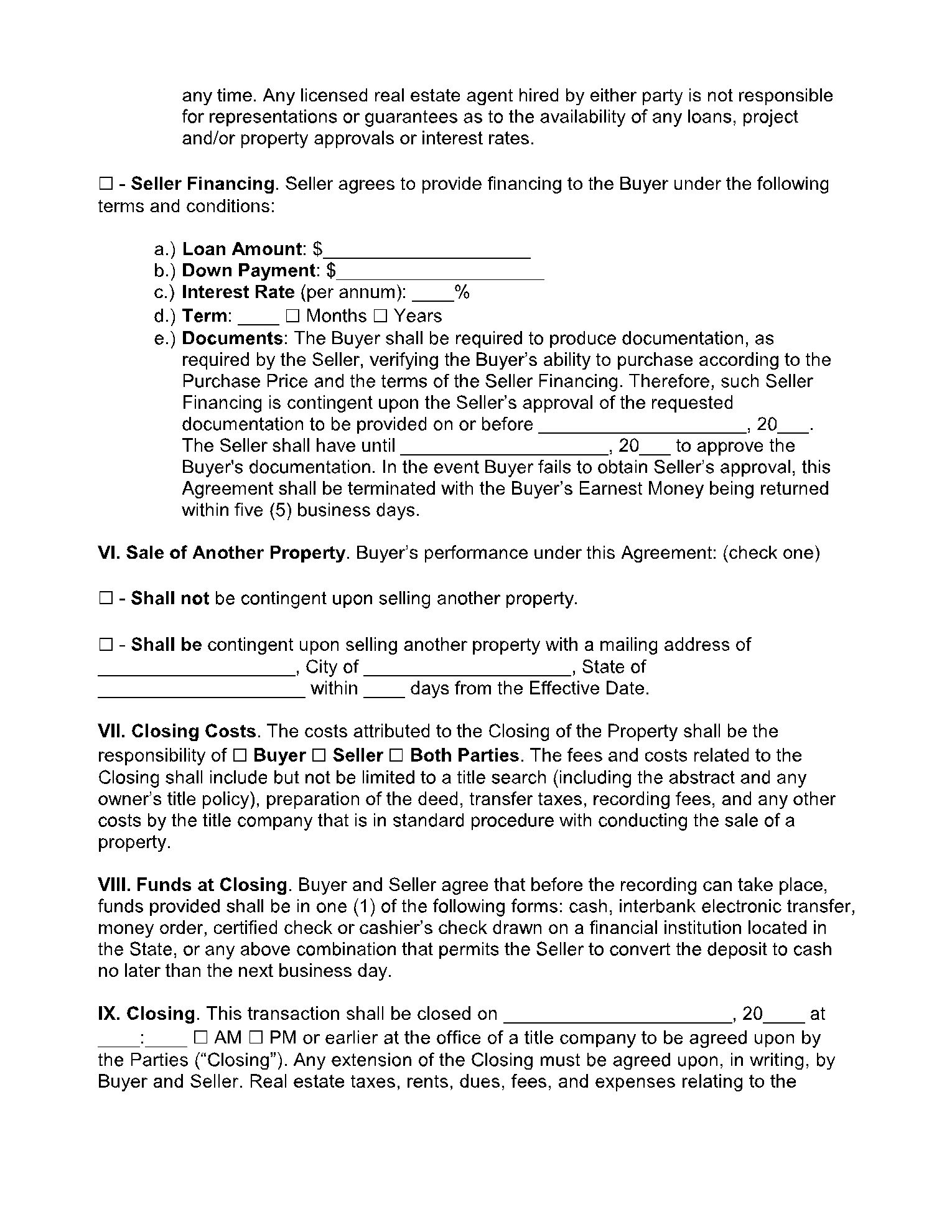
Every seller, agent-assisted or FSBO, owes a legal disclosure of known material defects in most states. The stakes are concrete: NAR-cited data shows unexpected closing problems, such as a lien or a disclosure issue surfacing late, disrupt 14% of contracts, and 5% of home sales are terminated over exactly this kind of issue. A missed or incomplete disclosure exposes a seller to rescission or a damages claim after closing, not just an awkward conversation.
States Where an Attorney Is Required at Closing
Georgia real estate agent Teresa Cowart, who has sold homes in the state for 21 years, describes the attorney’s role there as closer to a fact-checker than a formality: reviewing or drafting the title and contract documents and catching problems agents aren’t licensed to resolve themselves.
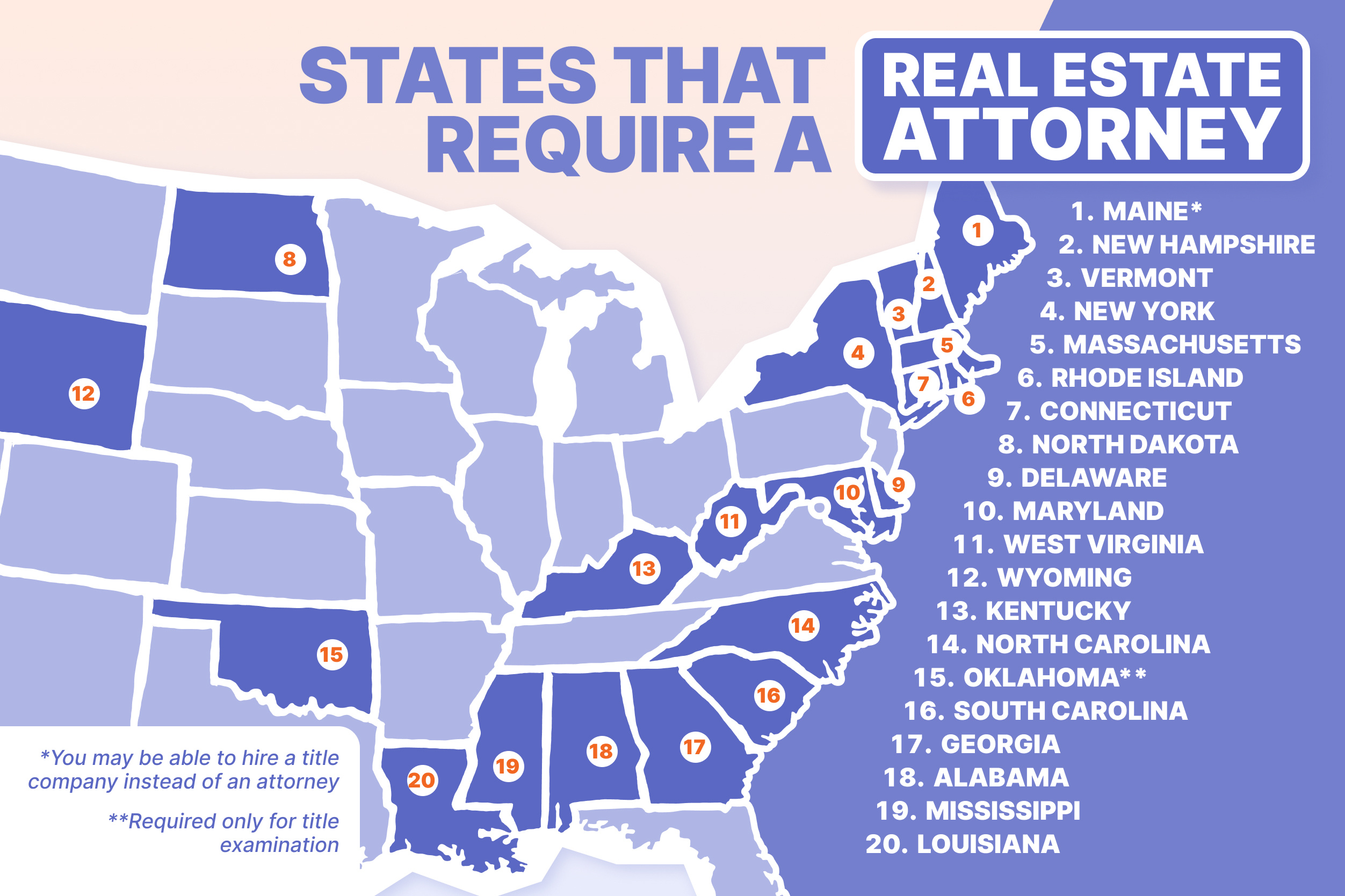
| Requirement level | States | Source agreement |
|---|---|---|
| Attorney required at closing | Connecticut, Delaware, Georgia, Massachusetts, New York, South Carolina, West Virginia | Consistent across independent trackers |
| Required per some trackers, absent from others | Kentucky, New Hampshire, North Carolina | Disputed; confirm locally |
| Partial requirement (title certification or document drafting only) | Alabama, Mississippi, North Dakota, Rhode Island | Consistent across at least two trackers |
| No attorney requirement | All other states | Title company or escrow agent may close without one |
The disagreement in the middle row is real, not an oversight: state closing rules aren’t codified in one federal source, and trackers built from different phone calls to different county offices land on different answers for the borderline states. If you’re in Kentucky, New Hampshire, or North Carolina, that’s a call worth making before you assume either way.
Is an attorney legally required to sell FSBO?Only in a specific set of states, most consistently Connecticut, Delaware, Georgia, Massachusetts, New York, South Carolina, and West Virginia. Everywhere else it’s optional, though a seller with no agent may still want one for contract review.
What happens if a seller misses a required disclosure?The buyer can pursue rescission of the sale or a damages claim after closing, and disclosure gaps are a documented driver of the contract disruptions and terminations cited above.
How the 2024 Commission Changes Affect FSBO

Effective August 17, 2024, the settlement NAR reached with home sellers removed buyer-agent compensation fields from the MLS and required buyers to sign a written agreement with their agent, spelling out that agent’s fee, before touring homes. Sellers can still offer the same concession discussed above; they just have to do it outside the MLS, written into the contract itself. For an FSBO seller this matters directly: a represented buyer now has a signed agreement obligating them to pay their own agent if the seller doesn’t, so an FSBO listing offering nothing may see fewer showings from buyers who arrive with representation already in place.
When FSBO Makes Sense, and When It Doesn’t

- Fits well: a known buyer already in hand, a straightforward title, and a seller comfortable reading a purchase contract without help.
- Fits poorly: an unknown buyer pool, a title with any complication such as an estate sale, HOA liens, or a boundary dispute, or a seller who has never negotiated a contingency.
One mistake shows up repeatedly beyond what’s already covered above: assuming that knowing the buyer means none of this page applies. Disclosure law and closing mechanics still apply regardless of who the buyer is, even in a sale between neighbors.
Comments