
Where Carnegie Hill starts and stops
The legally protected version is the smaller of the two. The Landmarks Preservation Commission designated the original Carnegie Hill Historic District on July 23, 1974, then expanded it on December 21, 1993, into a combined district running from 86th Street north to just past 98th, bounded by Central Park on the west and by Madison or Lexington Avenue on the east depending on the block. That boundary governs what a Certificate of Appropriateness applies to, nothing broader.
Brokerage marketing uses a narrower, plainer version: 86th to 96th Street, Fifth Avenue to Lexington Avenue, per one Manhattan brokerage’s neighborhood page. Listings north of 96th, closer to the landmark district’s real edge at 98th, sometimes carry the Carnegie Hill label anyway. Two apartments three blocks apart can sit under the same neighborhood name while belonging to different protection zones and different broker-defined markets.
Is the population of Carnegie Hill really only around 1,000 people? No. That figure would put Carnegie Hill’s density below many single Manhattan apartment towers. The Census-based estimates above, in the tens of thousands, match the neighborhood’s actual footprint.
What it costs to buy
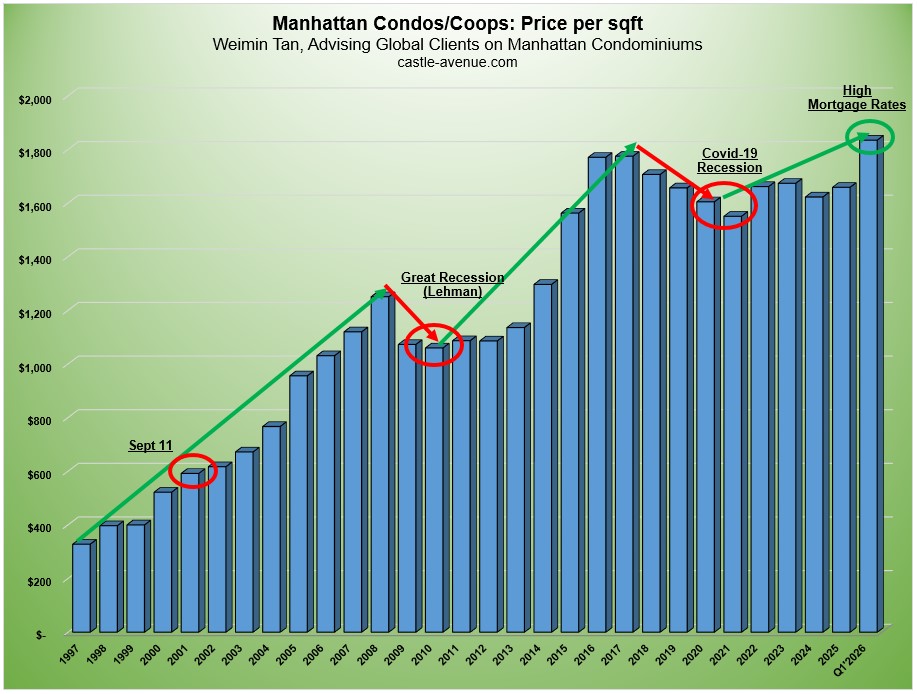
Two independent trackers, measuring different months, agree on the shape even where the exact figures move. PropertyShark’s April data puts the median sale at $1.7 million across 56 sales, down 16.9% year over year, with blended price per square foot at $1,388. Redfin’s January data shows a median of $1.9 million, PPSF at $1.46K, and days on market falling to 72 from 105 a year earlier. Read the range these two produce together, not either single headline number on its own.
The split by stock type is the more useful figure. PropertyShark’s April co-op median was $1.5 million against a condo median of $4.9 million, a gap that widened sharply because a handful of new-construction condo closings can move the entire median in a market this thin. New-construction condo pricing runs its own tier: 180 East 88th Street, the tallest residential tower on the Upper East Side, prices new units at $2,200 to $3,000 per square foot, above the neighborhood’s blended average and closer to what buyers should expect from ground-up product than from a converted prewar building.
| Unit type / vintage | Typical price | PPSF | Note |
|---|---|---|---|
| Co-op, blended median | ~$1.5M | below blended average | April median sale; PropertyShark |
| Condo, blended median | ~$4.9M | above blended average | April median sale; skewed by low condo volume |
| New-construction condo (180 E. 88th St.) | building-specific | $2,200 to $3,000 | Asking range for new units |
| Neighborhood blended, all types | $1.7M (Apr.) / $1.9M (Jan.) | $1,388 (Apr.) / $1,460 (Jan.) | Two trackers, two months; don’t average into one number |
A buyer comparing a co-op listing to a condo listing here is comparing two different markets that happen to share a mailing address, not two prices on one ladder.
Co-ops versus condos: what governs the purchase
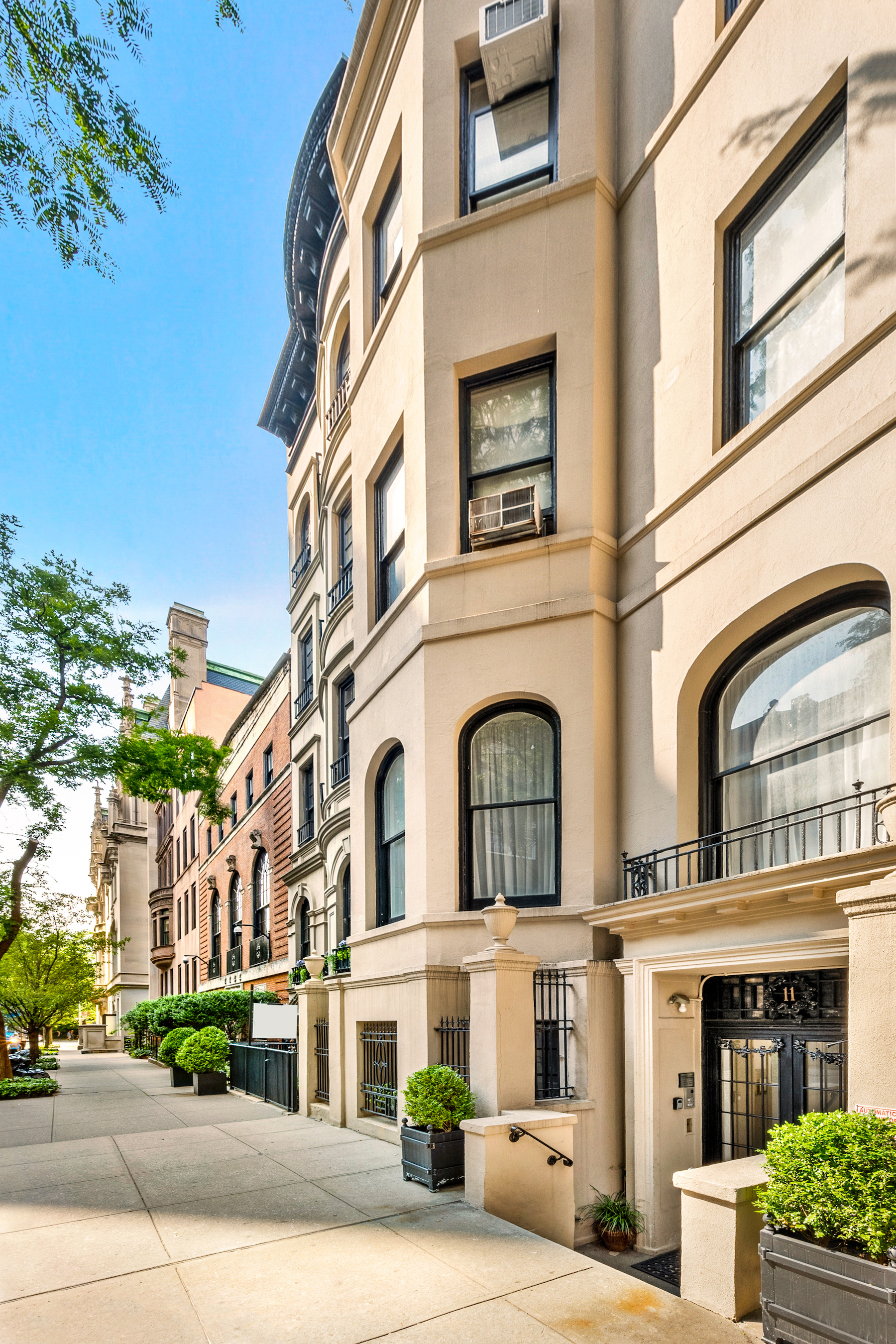
Condos are the exception in this market, and that changes financing before it changes anything else. Manhattan co-ops price 20 to 30% below condos per square foot, according to Robert DeFalco Realty’s market report, a discount that reflects board control over buyers, not just older buildings. Co-op closings typically take 90 to 120 days once an offer is accepted, against 30 to 45 for condos, because the timeline includes board review of a buyer’s finances.
Cash matters more here than in most U.S. markets: 64% of Manhattan sales in 2025 were all-cash, according to CooperatorNews, rising to near 90% of deals above $3 million. Boards in a co-op-heavy stock like this one tend to weight liquid reserves and post-closing liquidity as heavily as income, a different underwriting conversation than a condo lender runs.
Are condos really harder to find here than co-ops? Yes. The median condo price runs more than three times the median co-op price, a gap wide enough to reflect genuine scarcity of condo product, not simply larger condo units.
Renting in Carnegie Hill
No Carnegie Hill-specific rental dataset met the evidence bar used elsewhere on this page; every figure found was a Manhattan-wide median ($4,695 to $4,950 a month in January), not a neighborhood breakout. Treat that citywide figure as a rough ceiling reference, and check current asking rents against active listings directly.
Schools and family logistics
| School | Type | Grades | Note |
|---|---|---|---|
| P.S. 6 | Public | Elementary | Ranked 66th of 613 NYC elementary schools, per PropertyShark |
| P.S. 198, Isador and Ida Straus | Public | Elementary | Zoned school for multiple East 92nd Street addresses |
| J.H.S. 167, Robert F. Wagner | Public | Middle | Zoned school for the same addresses |
| Dalton School | Private | K to 12 | Named across multiple neighborhood profiles |
| Nightingale-Bamford | Private, girls | K to 12 | Named across multiple neighborhood profiles |
| St. David’s | Private, boys | K to 8 | Named across multiple neighborhood profiles |
Getting around: what stops here
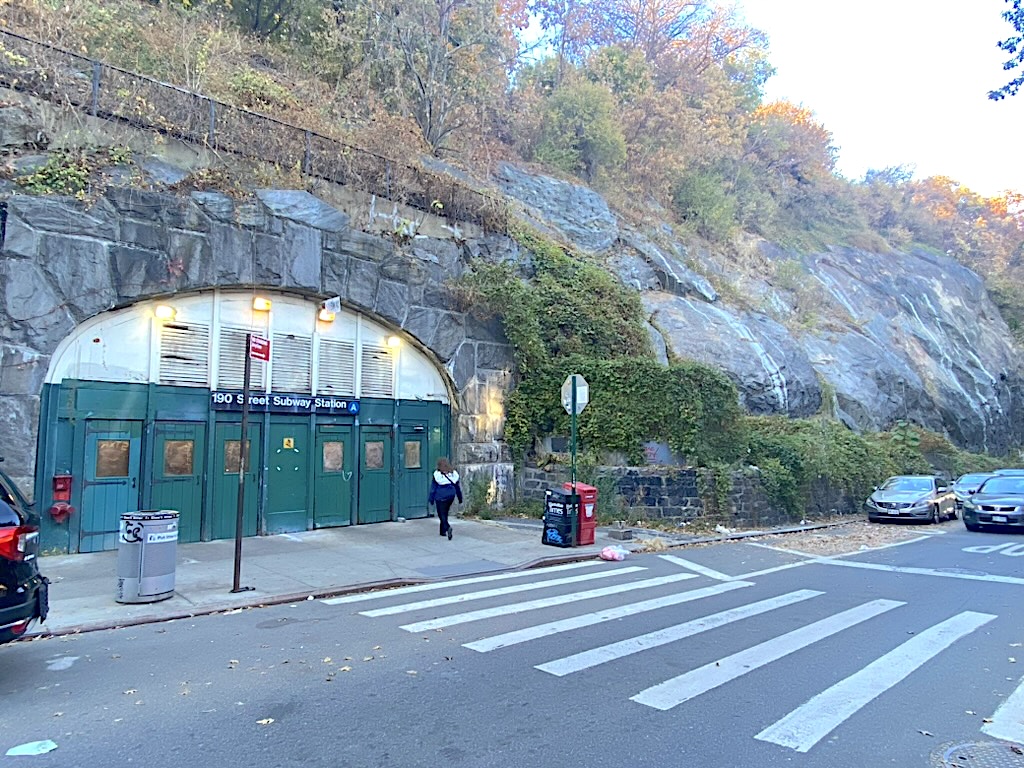
Two independently sourced trackers agree on the same split: the 4, 5, and 6 trains, meaning express and local service, stop at 86th Street; only the 6, local only, stops at 96th Street, per both PropertyShark and Bond New York. A listing that advertises “express access” at the 96th Street stop specifically describes the 86th Street station, ten blocks south, not the closer one.
Does Carnegie Hill really only have one subway stop? It has two, but only one carries express trains. 86th Street gets the 4, 5, and 6; 96th Street gets only the 6, running local.
Landmark status: what’s protected, and what isn’t
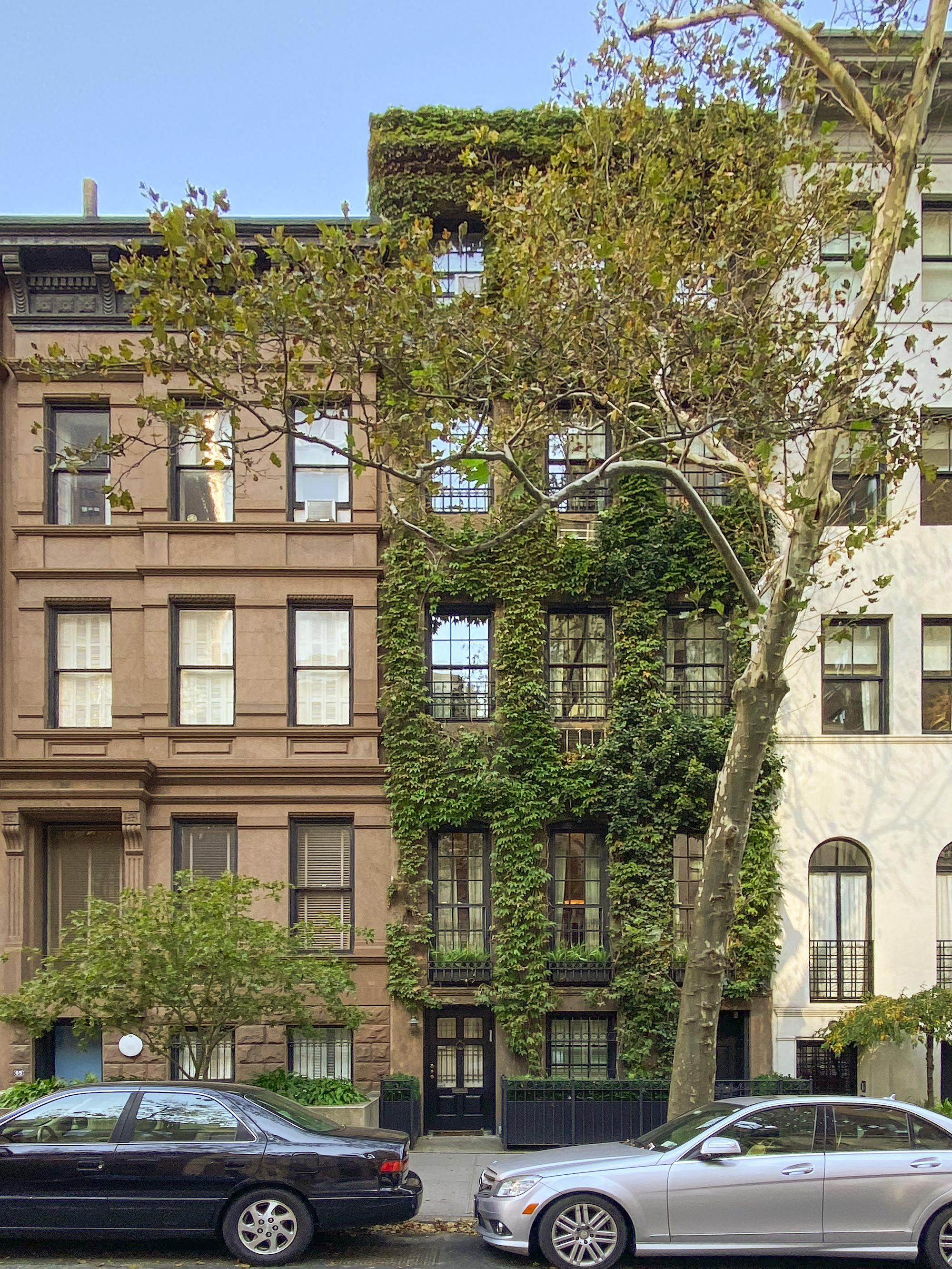
Inside the combined 1974 and 1993 historic district boundary, any exterior change visible from the street, a new window, an awning, a fire escape, requires a Certificate of Appropriateness from the Landmarks Preservation Commission before work begins, according to Carnegie Hill Neighbors. That review covers the building’s public face, not its interior. Property outside the mapped boundary, including stretches some listings still market under the Carnegie Hill name, carries no such review, a real difference for anyone planning renovation or weighing redevelopment risk on a specific lot rather than the neighborhood label.
Common mistakes buyers make here
- Assuming condo-style flexibility in a co-op board process. A board can reject a financially qualified buyer without disclosing why, and the 90-to-120-day closing window assumes a clean file, not a contested one.
- Underbudgeting the mansion tax at this neighborhood’s price points. The tax scales from 1% at $1 million to 3.9% above $25 million, and a $4.9 million condo purchase sits well past the lowest bracket.
- Treating “Carnegie Hill” listings north of 96th Street as identical to the historic core. Same label, different protection status, sometimes a different broker-defined market.
- Skipping the Certificate of Appropriateness question before buying a fixer inside the historic district. Cosmetic plans routine elsewhere may need Landmarks Preservation Commission sign-off first.
How Carnegie Hill compares to Yorkville and Lenox Hill
| Neighborhood | Median PPSF | Co-op median | Condo median | Subway access |
|---|---|---|---|---|
| Carnegie Hill | $1,388 (Apr.) | $1.5M | $4.9M | 4/5/6 at 86th; 6 only at 96th |
| Yorkville | $1,304 (Dec.) | $622K | $2.0M | 4/5/6 and Q at 86th |
| Lenox Hill | $1,183 (Dec.) | $798K | $3.4M | 6 at multiple stops; N/Q/R nearby |
Carnegie Hill’s PPSF sits above both neighbors, but the real gap opens on the condo side: its condo median runs roughly double Lenox Hill’s and more than double Yorkville’s, a difference that condo scarcity explains better than location alone.
Comments