
Current prices, reconciled across sources
The Santa Fe Association of Realtors’ first-quarter 2026 report, the Quarterly Market Indicators, is the underlying MLS data behind the numbers above. City and county prices moved in opposite directions this quarter: city sales stayed flat at 185 units while the median rose, county sales fell 11.4% while the median dropped, a pattern consistent with more entry-level city activity and fewer high-end county closings rather than a citywide price reversal.
| Tier | Q1 2026 median | YoY change | Days on market |
|---|---|---|---|
| City of Santa Fe, single-family | $625,000 | +9.6% | 82 (city+county combined) |
| Santa Fe County (city+county wide) | $827,000 | -6.4% | 82 |
| Condo/townhome, city+county | $405,881 | -7.1% | 73 |
Source: Santa Fe Association of Realtors, Q1 2026 Quarterly Market Indicators. SFAR does not break days-on-market out separately by city versus county, so the single-family figure above applies to both combined; that gap is worth naming rather than papering over with an invented split.
Why do different sites show different median prices for Santa Fe?Because they measure different things. SFAR reports the City of Santa Fe and Santa Fe County as separate figures, by calendar quarter. A national portal’s “Santa Fe” page often blends a wider zip-code area and a rolling window instead of a fixed quarter, which produces a different number from the same underlying sales.
Is Santa Fe a buyer’s or seller’s market right now?Closer to balanced than either extreme. A 3.4-month supply is well below the 5 to 6 months usually associated with a buyer’s market, but the rise in days on market, from 66 to 82, gives negotiating room on homes that sit past the first two weeks.
Days on market and price direction only tell the full story together. County prices fell while city prices rose in the same quarter: a buyer working from a single citywide number would misread which side of town actually softened.
Which neighborhood fits which buyer
| Buyer type | Recommended areas | Why | Key tradeoff |
|---|---|---|---|
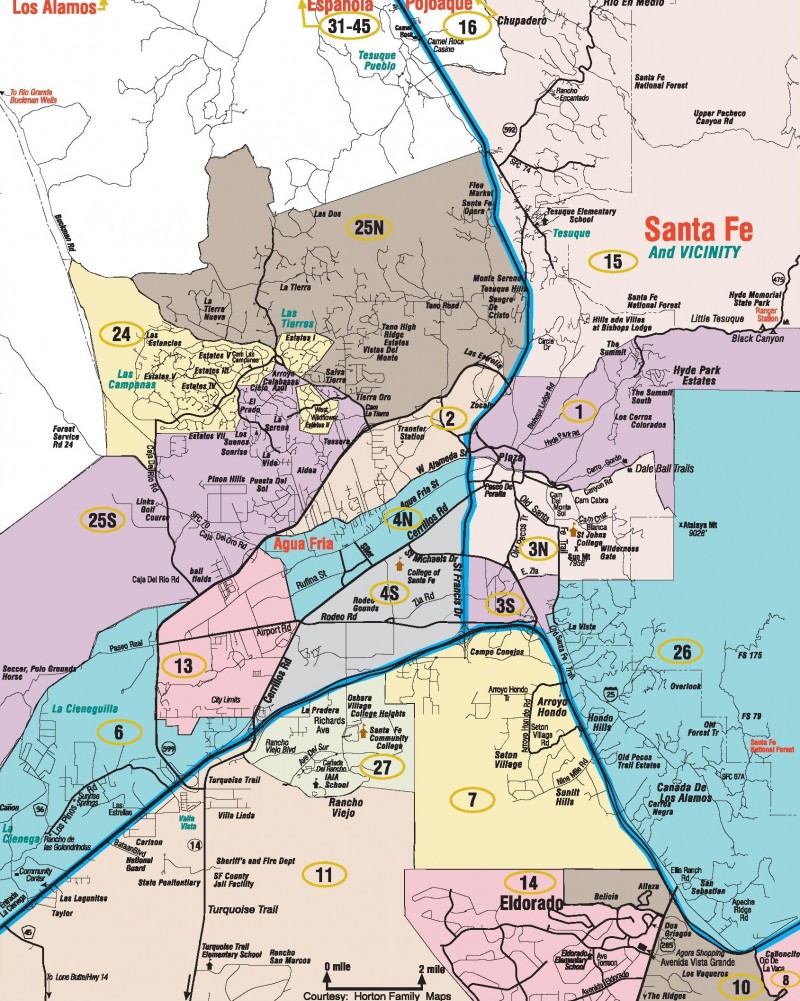
| Downsizer, low-maintenance priority | Downtown condos, Northwest Santa Fe townhome communities | Smaller footprint, less exterior upkeep, walkable to services | HOA dues and shared walls; older downtown units may sit inside a historic district |
| Move-up buyer, larger lot or acreage | Las Campanas, Tesuque, unincorporated county parcels | County inventory skews toward larger lots and custom homes | County median runs well above city; many parcels rely on wells, not municipal water |
| Remote worker, value and space | Eldorado, Rancho Viejo, southern city/county fringe | More square footage per dollar than Downtown or the Eastside | Longer commute into the Plaza; some subdivisions carry mandatory HOA design covenants |
| First adobe or historic-character buyer | Downtown and Eastside Historic District, Don Gaspar | Concentration of traditional Spanish-Pueblo and Territorial-style homes | Any visible exterior change needs Historic Preservation Division review before permitting |
A $300,000 gap between the city and county medians is not just a price difference: it tracks a real split in construction type, lot size, and which utility and permitting rules apply, which is why the area choice and the friction section below have to be read together.
What’s different about buying in Santa Fe
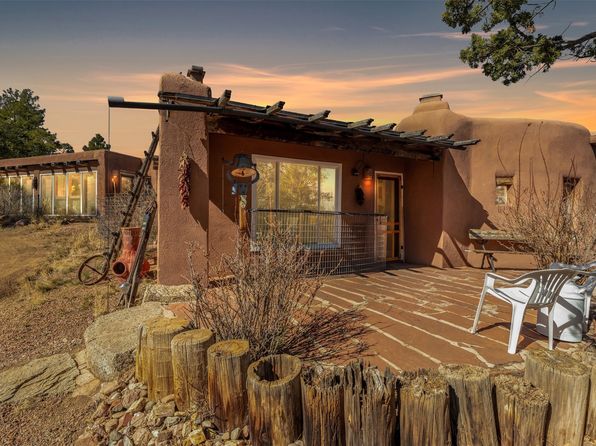
National portals treat Santa Fe like any other listing market. Three things change the transaction here that a generic buying guide will not mention.
Historic district design review
The review is not a formality. When the Georgia O’Keeffe Museum proposed an expansion, its design fit neither of the two style categories the ordinance recognizes, “old Santa Fe style” and “recent Santa Fe style,” and the museum had to seek a variance from the Historic Districts Review Board to proceed, according to reporting on a later proposal to loosen those style categories. A buyer planning to add a garage or replace windows on a historic-district property should expect the same review, not a routine permit.
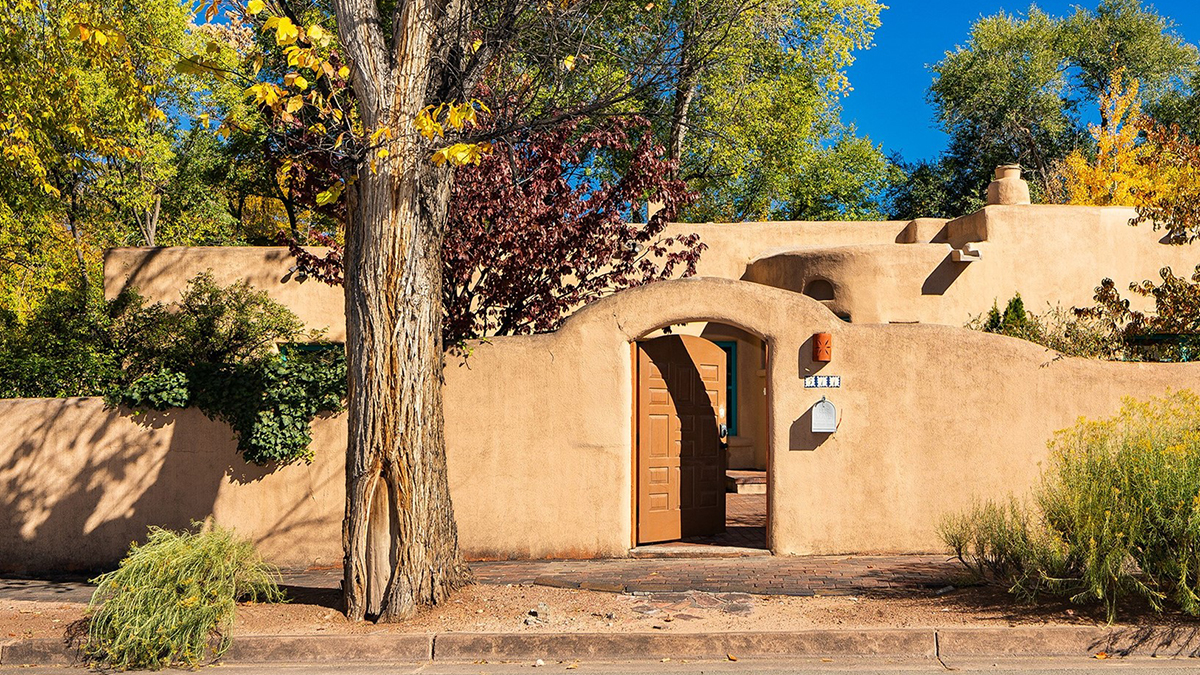
Do I need a special inspection for an adobe home?Not a separate city-mandated inspection, but a standard inspector unfamiliar with adobe and rammed-earth construction can miss moisture intrusion at the base of the walls, which behaves differently than it does in frame construction. Ask specifically whether your inspector has adobe experience before hiring one.
Water rights and well permitting
County parcels outside the municipal water system depend on a private well. Santa Fe County’s buyer orientation guide draws a line worth knowing before you offer: a well permit authorizes drilling and limited use, not ownership of the underlying water right. In the Nambé-Pojoaque-Tesuque basin immediately north of the city, post-1983 domestic wells are capped under the Aamodt water settlement at roughly 0.5 to 0.7 acre-foot per year, indoor use only, according to Santa Fe New Mexican’s reporting on the settlement’s rollout. That cap rules out unrestricted landscape irrigation from the well alone.
Historic district and water rights side by side
| Issue | What it means | What to check before offering |
|---|---|---|
| Historic district design review | Staff or HDRB approval required for visible exterior work; standards cover massing, materials, color | Confirm the parcel’s district status on the city’s GIS layer before assuming a remodel is routine |
| Water rights vs. well permit | A well permit only authorizes drilling and limited use; it is not an ownership right to water | Request the deeded water-rights file number, not just the well tag number, from the seller |
| Aamodt basin well caps | Post-1983 domestic wells in the Nambé-Pojoaque-Tesuque basin are limited to about 0.5 to 0.7 acre-foot/year, indoor use only | Ask whether the well predates or postdates 1983 and whether it falls inside the adjudicated basin |
| Adobe/rammed-earth moisture handling | Standard frame-construction inspection checklists miss earthen-wall failure modes | Hire an inspector with named adobe experience, not a generalist |
The table carries the checklist; the fix in every row is the same shape, get the specific document or credential before the offer deadline, not after.
Costly mistakes buyers make here
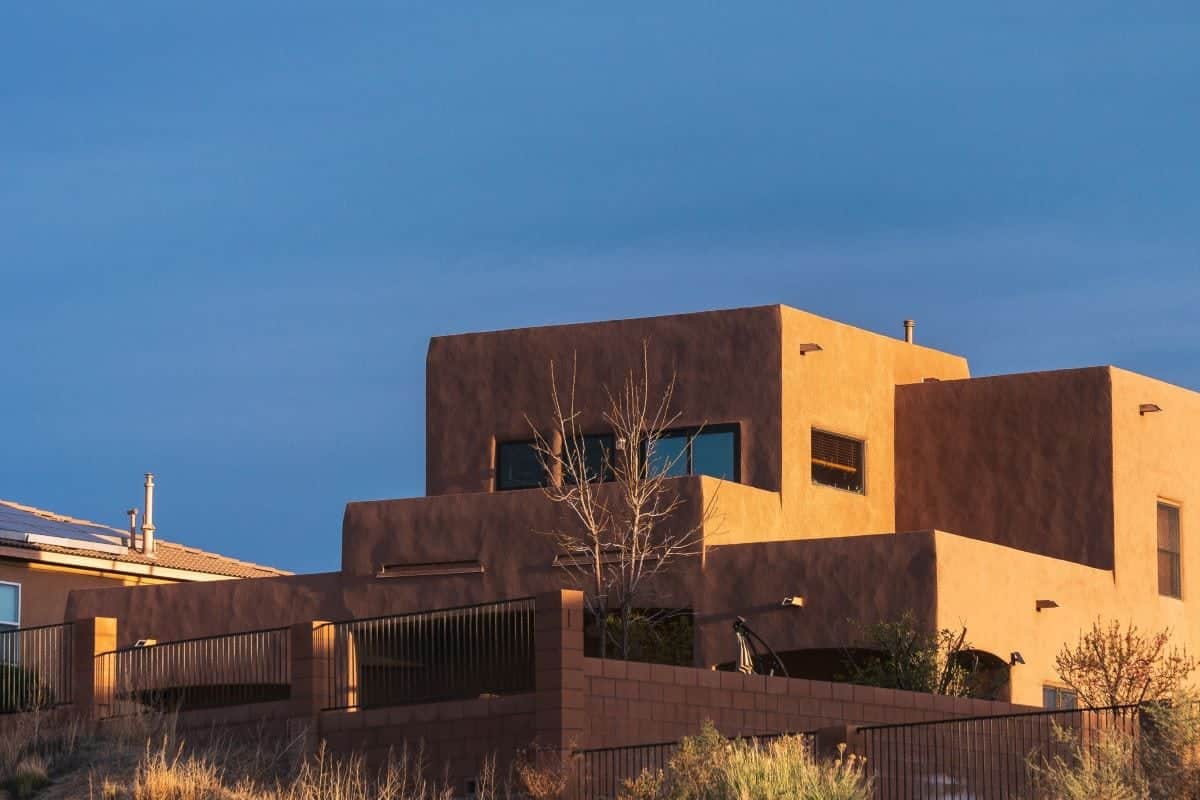
The most expensive one is comparing price per square foot across construction types as if they were interchangeable: an adobe home, a frame home, and a manufactured home on the same street can carry very different per-square-foot values for reasons that have nothing to do with condition.
Taxes and financing reality
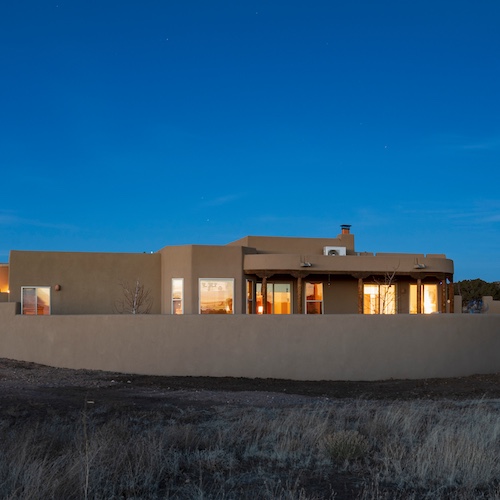
That cap matters at closing: a home’s tax bill the year after purchase is based on the new assessed value, not the prior owner’s capped figure, which can mean a real jump from what the listing sheet showed. The County Assessor’s estimator tool lets a buyer model that new-owner figure for a specific parcel before writing an offer.
Which Santa Fe neighborhoods have HOA or design-review restrictions?Two separate systems apply. City historic districts impose government design review regardless of HOA status. Separately, some subdivisions carry their own private HOA architectural covenants, which vary by community; check the recorded HOA declaration for the specific subdivision rather than assuming city rules cover it.
Price and supply figures above are point-in-time as of the first quarter of 2026 and should be checked against a live MLS search before making an offer.
Comments