
What New Canaan homes cost right now
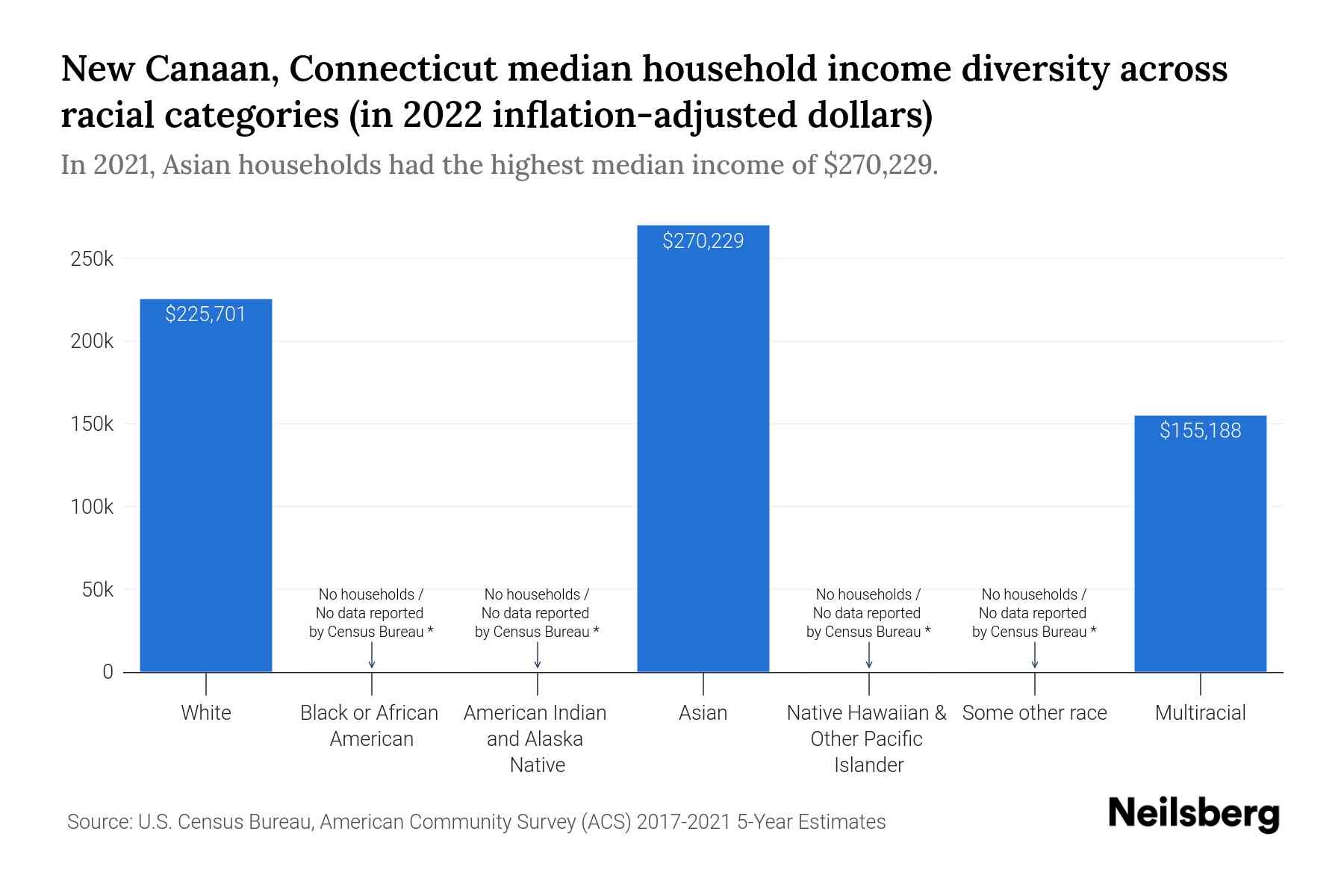
New Canaan’s median sale price is not one number. It is at least six numbers, depending on what’s being measured. Its history carries a similar split: Canaan Parish was established in 1731 as a religious entity, and the town itself was incorporated seventy years later, in 1801, per the New Canaan Museum & Historical Society. Both dates are correct; they simply mark different events.
| Source | Figure | What it measures | As of |
|---|---|---|---|
| Redfin, town-wide | $1.4M | All property types, closed sales | March 2026 |
| Redfin, zip 06840 | $2.3M | All property types, closed sales | August 2025 |
| Zillow Home Value Index | $1,684,777 | Valuation index, not a transaction price | Mid-2026 |
| Movoto | $2,412,500 | Active list price | Current |
| SmartMLS via Coldwell Banker market report | $3.2M | Single-family only, closed sales | January 2026 |
| SmartMLS via Coldwell Banker market report | $4.3M | Single-family only, closed sales | February 2026 |
The single-family MLS figures run highest because they exclude the town’s small condo stock and because monthly closing counts are so low that one or two multi-million-dollar sales swing the median hard: only 9 homes closed in January 2026, down from 20 in December.
Days on market jumped from 38 in December 2025 to 91 in January 2026, and months of supply moved from 1.5 to 3.56 over the same stretch, a pattern consistent with a market that heats up sharply toward year-end and cools into the new year before the spring inventory build.
New Canaan’s neighborhoods, by price and character
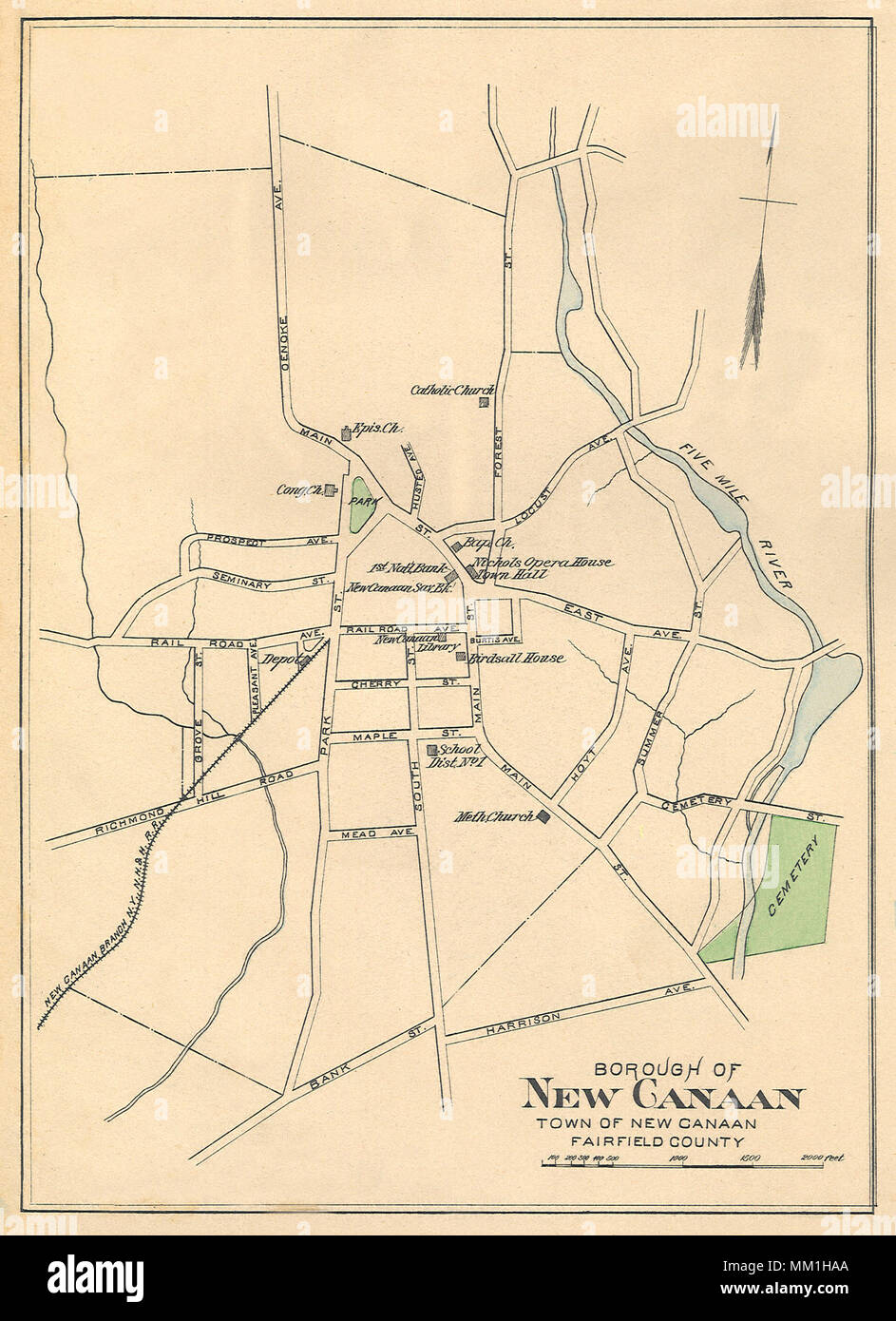
| Neighborhood | Median price | Character / lot size | Distance to downtown/train | Best fit for |
|---|---|---|---|---|
| New Canaan North | $2,516,888 | Large 4-5BR homes, mostly built 1940 to 1969, rural setting | Farthest from center, near the Wilton/Ridgefield line | Privacy-focused buyers, landmark-home hunters |
| Town Center | $2,133,561 | Mixed-era single-family and townhomes; 15.7% vacancy suggests some second-home ownership | Walk to train and shops | Walkability-focused buyers, empty-nesters |
| Ponus / Talmadge Hill | Not published at the free-data tier | Among the wealthiest 0.6% of U.S. neighborhoods by income | Near Talmadge Hill station | Ultra-high-net-worth buyers prioritizing privacy |
| Pinneys Corners / Sellecks Corners | Not published at the free-data tier | Named among the region’s wealthiest pockets in a 2014 metro-area ranking | Northern edge of town | Legacy estate buyers |
| New Canaan South | $1,197,186 | Smaller and attached housing, mixed owner/renter | Highest walk-to-work share in town, 14.5% | Value-focused buyers, smaller households |
Two of the five named sub-areas carry no published median at the free-data tier; that gap is worth handing to a buyer’s agent pulling MLS-area comps directly, instead of guessing at a number.
Oenoke Ridge, Ponus Ridge, and Talmadge Hill
This corridor holds most of New Canaan’s mid-century modern inventory and its highest income concentration, per NeighborhoodScout’s Ponus/Talmadge Hill profile. Lots here run larger, and privacy is the selling point over walkability.
Town Center and Silvermine
Town Center trades walk-to-everything convenience for smaller average lots and a meaningfully higher vacancy rate. Silvermine, which spills into Norwalk and Wilton, offers a lower entry price for buyers willing to sacrifice some New Canaan-specific school-zone certainty.
New Canaan South
The most price-accessible cluster in town, with a housing mix that includes townhomes and a higher renter share than anywhere else in New Canaan.
Schools, and how they connect to neighborhood choice

New Canaan High School ranks #2 among Connecticut’s public high schools in Niche’s 2026 ranking, with an A+ overall grade. District-wide, 86% of students test proficient in math and 88% in reading. Attendance zones track the same north-south price gradient as the sub-neighborhoods above: choosing a school here isn’t an abstract rating exercise, it’s choosing among the same five priced clusters. The district enrolls 4,060 students across five schools.
What it costs to own a home here
| Cost category | Approximate figure | Notes |
|---|---|---|
| Mill rate, FY2026 | 16.691 | Set by the Board of Finance, June 2025; up from 16.144 in FY2025 |
| Tax on a $1M market-value home | ~$11,684/year | Connecticut assesses at 70% of market value: $700,000 × 16.691 ÷ 1,000 |
| Tax on a $3M market-value home | ~$35,051/year | Same formula, scaled |
| Town Grand List (2024) | $9.94 billion | Up 0.38% from 2023’s $9.90 billion |
New Canaan’s mill rate sits well under the Connecticut state average of roughly 32; the dollar bill is large only because the underlying home values are large.
Mid-century modern ownership: what’s restricted and what isn’t
The Harvard Five architects built roughly 80 modern homes in New Canaan between the late 1940s and mid-1960s, of which around 60 survive. Owning one doesn’t automatically mean owning a legally restricted landmark. Only individually designated properties carry binding preservation rules. The Glass House, built in 1949 by Philip Johnson on Ponus Ridge Road and now owned by the National Trust for Historic Preservation, has been a National Historic Landmark since 1997 and is the clearest fully restricted example in town. Most surviving Harvard Five homes carry no such designation, meaning renovation, insurance, and resale work as they would for any conventional property, though verifying a specific property’s status before closing is worth the phone call.
Do I need to worry about restrictions if I buy one of New Canaan’s mid-century modern homes? Only if the specific property carries an individual historic designation. The Glass House itself is a fully restricted National Historic Landmark; most other surviving Harvard Five homes are not designated and can be renovated like any conventional property, though verifying status with the town before closing is worth doing.
How much higher are property taxes in New Canaan than nearby towns? The rate itself, 16.691 mills, sits below the Connecticut average of roughly 32 and below most towns outside the Gold Coast. The dollar amount owed is still substantial only because New Canaan’s home values are high relative to almost anywhere else in the state.
Getting into and out of town

New Canaan runs two separate commute numbers that get conflated. The average commute to work, across all destinations and not just New York, is 34.6 minutes. The direct Metro-North train to Grand Central Terminal, on one of five direct morning departures, takes 65 to 90 minutes.
How long is the actual commute to Manhattan from New Canaan? Direct trains to Grand Central run 65 to 90 minutes depending on which of the five morning departures you catch; off-peak trips often require a transfer at Stamford and can run longer.
Is New Canaan a good real estate investment?

Yes for appreciation, thin on rental data. NeighborhoodScout puts cumulative ten-year appreciation at 95.75%, an annualized average of 6.95%. What the data doesn’t support is a rental-yield answer: New Canaan is 83.31% owner-occupied, and no public source publishes a reliable rent-to-price figure for the town. This reads as a hold-for-appreciation market rather than a rental-income market until a buyer’s agent can pull specific comparable rents.
Is New Canaan real estate a good long-term investment? The appreciation record is strong, nearly 7% annualized over the past decade. Rental-income data is thin because so few properties are rented out, so this market rewards holding for value growth more than buying to rent.
Who New Canaan suits, and who it doesn’t
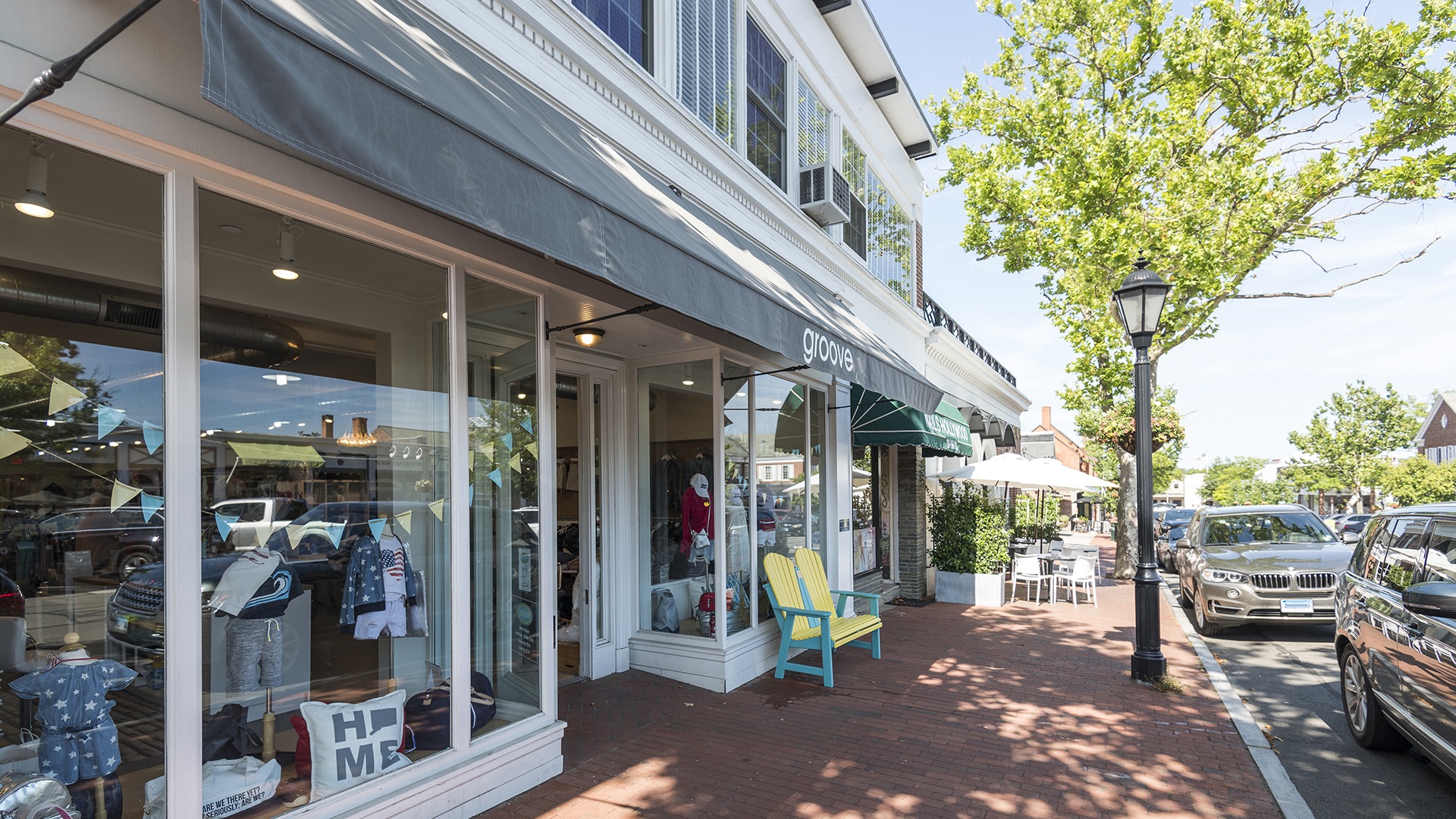
New Canaan suits families prioritizing top-tier public schools, buyers who want a Metro-North commute over driving, and anyone drawn to mid-century architecture with the budget for a $2 million-plus entry point in the higher-priced clusters. It does not suit buyers who need a rental-income property, want a commute under 45 minutes to Manhattan, or expect nightlife: dining and shopping downtown are real but modest, built around a walkable Main Street rather than a restaurant scene. It also isn’t a fit for anyone unwilling to verify tax and zoning specifics (schools already covered above) before assuming a mid-century home is unrestricted.
Comments