
Which Nashua?
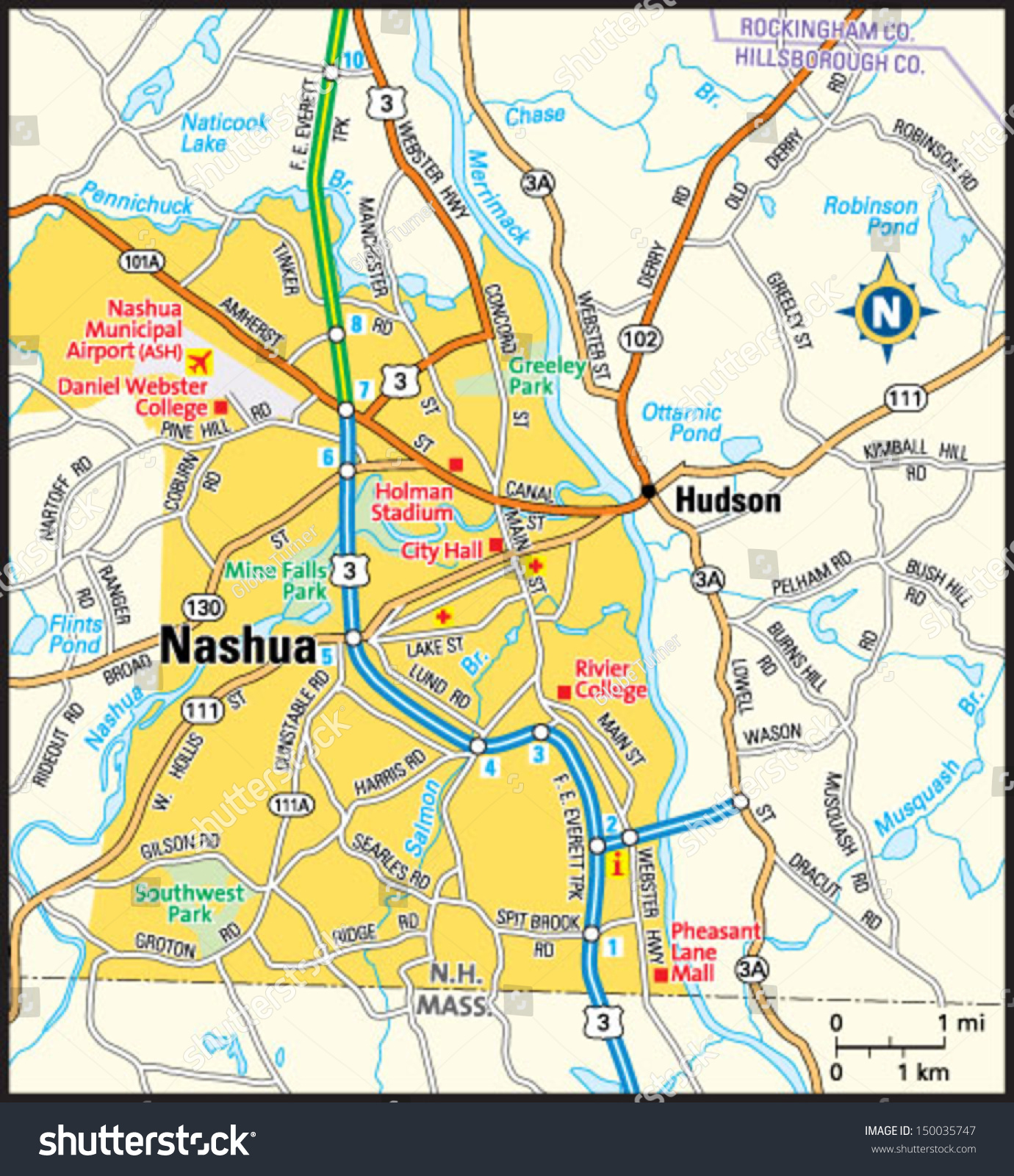
New Hampshire’s Nashua is the one search engines default to: the state’s second-largest city, on the Route 3 corridor southwest of Manchester. A much smaller Nashua sits in Chickasaw County, Iowa, with under 1,600 residents, and a handful of unincorporated places elsewhere in the U.S. share the name. Nothing else on this page applies to those places.
Is this the same Nashua as the one in Iowa? No. Iowa’s Nashua is an unincorporated community of under 1,600 people in Chickasaw County. This page is entirely about Nashua, New Hampshire, population 91,850.
Where Nashua Is, and How It Compares in Size
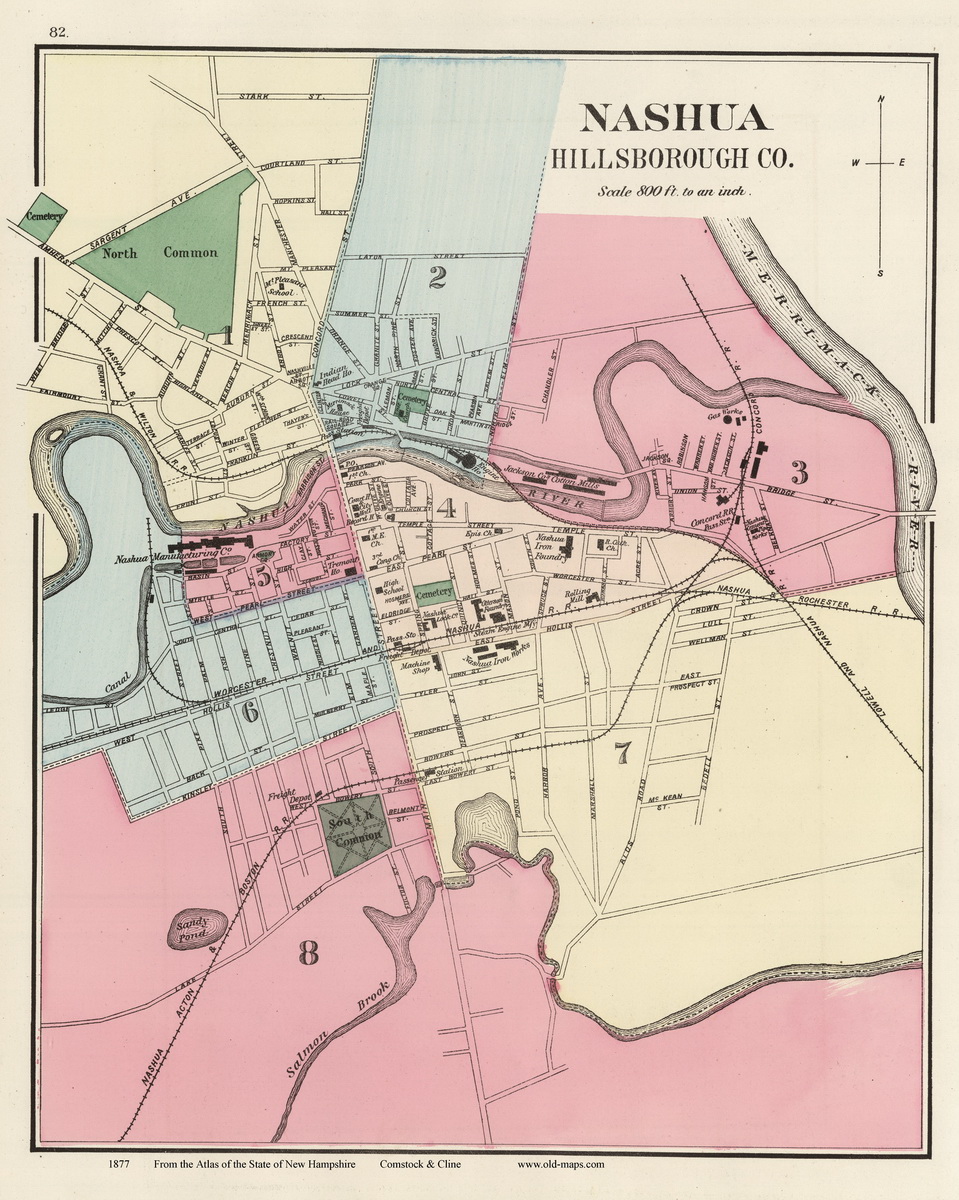
Nashua sits at the southern tip of New Hampshire, directly on the Massachusetts state line, in Hillsborough County. Manchester, the state’s largest city at 116,381 residents, is about 20 minutes north. Nashua’s own population has been essentially flat for a decade: 91,322 at the 2020 census, 91,850 in the 2024 estimate – modest growth, not a boom.
Median household income in Nashua is $94,787, and per-capita income is $53,119, both above the county figures for their category. Median age is 40.9.
Cost of Living: Housing, Rent, and the Property-Tax Trade-off
Relocation blogs describe Nashua’s lack of a sales tax as a pure win. It isn’t: New Hampshire funds municipal services almost entirely through property taxes, and Nashua’s rate reflects that.
| City | Median home sale price | Property tax note |
|---|---|---|
| Nashua, NH | $523,000 (Feb 2026) | 2025 rate: $16.83/$1,000 assessed; effective 1.82% |
| Manchester, NH | $446,000 (Mar 2026) | Same no-sales-tax, high-property-tax state system |
| Boston, MA | $852,000 (3-month average ending May 2026) | Massachusetts levies both a sales tax and property tax |
A buyer choosing between Nashua and Manchester is trading a roughly $77,000 higher purchase price for proximity to Boston and the job base clustered in and around Nashua; a buyer coming from Boston sees the same trade in reverse, at a far larger scale.
Median gross rent in Nashua was $1,772 in 2024. The city’s median annual property tax bill is $6,858, and that bill is not flat across town: Ownwell’s ZIP-level data shows a range from $6,550 in 03060 up to $7,096 in 03064.
New construction is already responding to the tight market: Doucet Landing, an 83-unit condominium project in South Nashua, is scheduled for completion by the end of 2026.
Why doesn’t New Hampshire have a sales tax, and what’s the catch? New Hampshire has never adopted a broad sales or income tax, funding town and school budgets through property taxes instead. Nashua’s effective property tax rate of 1.82% runs close to double the national median of 1.02%, so the everyday savings sit alongside a materially larger annual bill on anything you own.
Neighborhoods and ZIP Codes
| Area | Median annual property tax bill | Note |
|---|---|---|
| ZIP 03060 | $6,550 | Lowest in the city; the downtown core |
| ZIP 03064 | $7,096 | Highest in the city; South Nashua, on the Massachusetts border |
| Citywide median | $6,858 | Every other ZIP in Nashua falls between the two rows above |
Ownwell’s figures are the only current, sourced data distinguishing one part of Nashua from another by cost; most relocation guides list the ZIP codes without explaining what the numbers mean for a buyer.
Getting To and Around Nashua
Nashua has no passenger rail today. The MBTA’s Lowell Line ran to Nashua and Manchester until 1967, and briefly again in 1980 to 1981, but federal funding ended both times. A modern extension, the Capitol Corridor project, estimated at $782 million, reached 30 percent design before New Hampshire’s Executive Council voted in December 2022 to stop state funding for the study. Nashua then pursued its own smaller feasibility study; the first phase was completed for about $70,000, but the second phase, priced around $210,000, remained unfunded as of the most recent public update, and in January 2025 the Board of Aldermen removed rail-study funding from a capital spending package. There is no funded next step as of this writing.
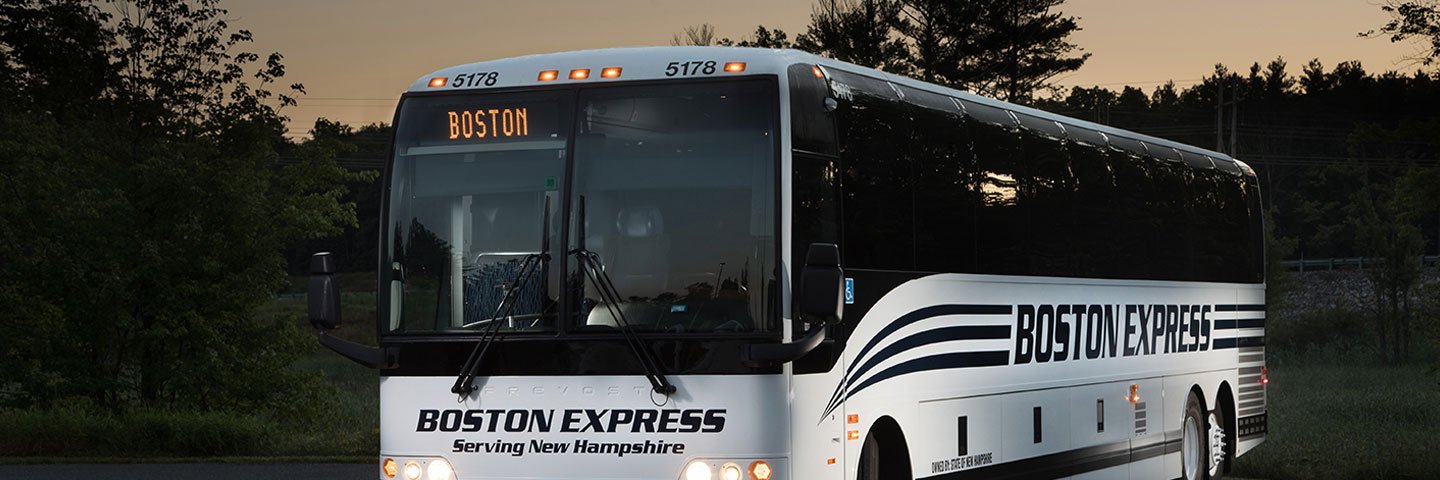
What does exist: Boston Express runs Route 3 service from the Nashua Transportation Center at Exit 8 directly to Boston’s South Station and Logan Airport, seven days a week, with roughly 12 to 15 direct trips daily and one-way fares averaging $17 to $18. No reservation is required; the operator recommends arriving 15 to 30 minutes before departure. The Nashua Transit System’s Route 2 bus connects downtown to the Exit 8 park-and-ride, but NTS does not itself run service into Massachusetts – riders need a separate Boston Express fare for that leg.
Can I get to Boston without a car? Yes. Boston Express runs direct buses from Nashua’s Exit 8 to South Station and Logan Airport roughly 12 to 15 times a day, no reservation needed, for about $17 to $18 one-way. There is no passenger rail option.
Economy, Employers, and a Short History
Nashua’s economy shifted from textiles to technology and defense starting in the 1980s; BAE Systems is among the larger employers still based in the city today, alongside a broader cluster of tech and professional-services firms. The city was originally settled as Dunstable and took its current name in 1836, from the Nashua River. Its mill-era economy declined by the mid-20th century, and the technology and defense base now anchoring it dates largely from that 1980s shift.
Things to Do
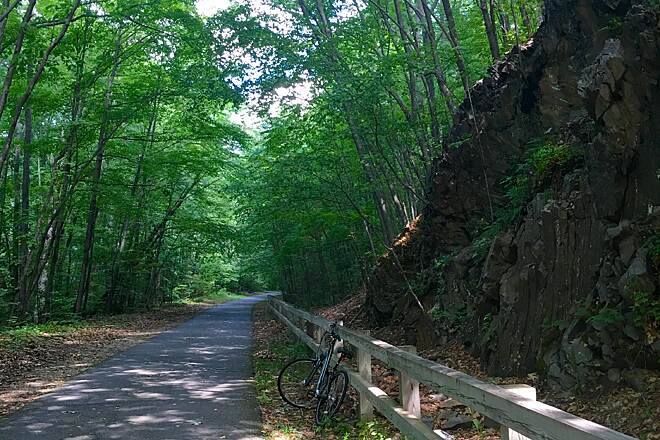
Downtown Nashua centers on Main Street and the Nashua River. The Nashua River Rail Trail is a popular cycling and walking route, but its mileage is frequently overstated: the trail itself runs 12.3 to 12.5 miles total, and only about the final mile is actually inside Nashua – the rest runs through Ayer, Groton, Pepperell, and Dunstable, Massachusetts.
How long is the Nashua River Rail Trail, really? About 12.3 to 12.5 miles end to end, not the 17 miles some relocation pages state, and most of that distance is in Massachusetts, not Nashua.
Comments