
Where Mountain View Sits, and How Long It Takes to Get Anywhere
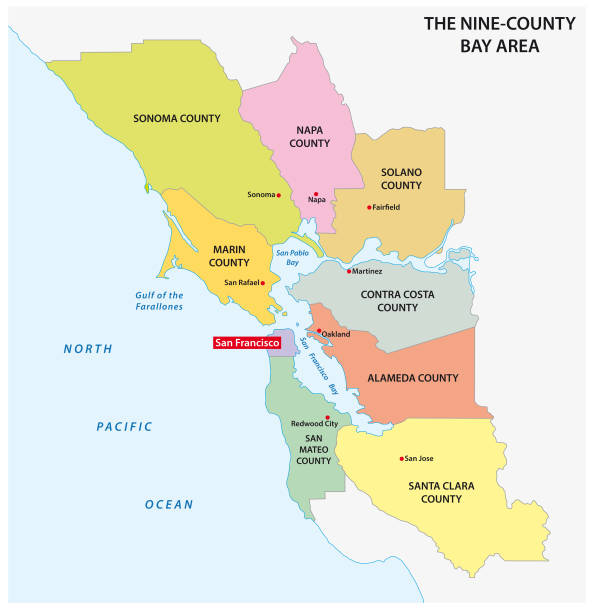
Mountain View borders Palo Alto and Los Altos to the southwest and the San Francisco Bay to the northeast, and its distance from the two major regional hubs is better measured in transit time than in miles.
| Destination | Mode | Time | Adult one-way cost |
|---|---|---|---|
| San Francisco | Caltrain (local) | about 60 minutes | $8.50 |
| San Jose Diridon | Caltrain (local/limited) | 20 to 30 minutes | $6.25 |
| SFO Airport | Caltrain via Millbrae transfer | about 48 minutes | $13 to $18 |
| San Francisco | Driving, US-101 | 40 to 55 minutes, per current routing estimates | variable, no toll on this route |
Mountain View sits in Caltrain’s Zone 3; the fare to any Zone 1 station (San Francisco, 22nd Street, Bayshore, South San Francisco, San Bruno) spans three zones, while San Jose Diridon in Zone 4 is only two zones away, which is why the San Jose trip costs well under half the San Francisco fare.
Is Mountain View part of San Francisco?No. It’s an independent city about 36 miles south, inside Santa Clara County and the South Bay portion of the Bay Area, not within San Francisco’s city or county limits.
If You’re Visiting
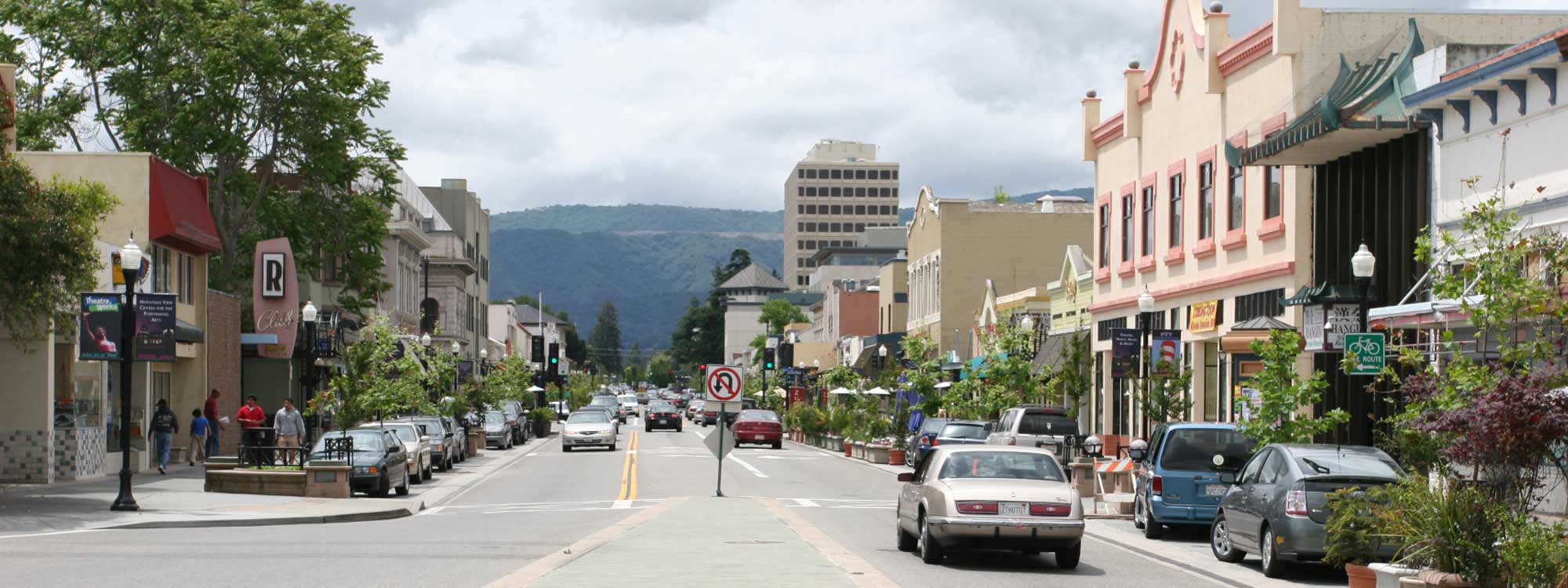
Downtown centers on Castro Street, where the city closed the 100, 200, and 300 blocks to car traffic in October 2022 to create a pedestrian mall lined with restaurants and cafes. Shoreline Park, at the north end of town, covers 750 acres and connects to nine miles of multi-use trails; it also holds the Shoreline Amphitheatre and an 18-hole golf course.
The Computer History Museum sits at the entrance to the North Bayshore business district and is the area’s most-visited paid attraction:
| Ticket type | Price |
|---|---|
| Adult (18+) | $21.50 |
| Senior (65+), student (11+), active military, educator | $16.50 |
| Child, ages 8–10 | $6.00 |
| Child, 7 and under | Free |
The museum’s visitor guidance puts the average visit at 2.5 hours, with some exhibits running 4 hours or more for a thorough pass.
How do I get from SFO to Mountain View?There’s no direct train; Caltrain routes through a transfer at Millbrae and takes about 48 minutes for $13 to $18. Driving covers the same 25 miles in roughly 27 minutes when traffic is light.
If You’re Considering Living There
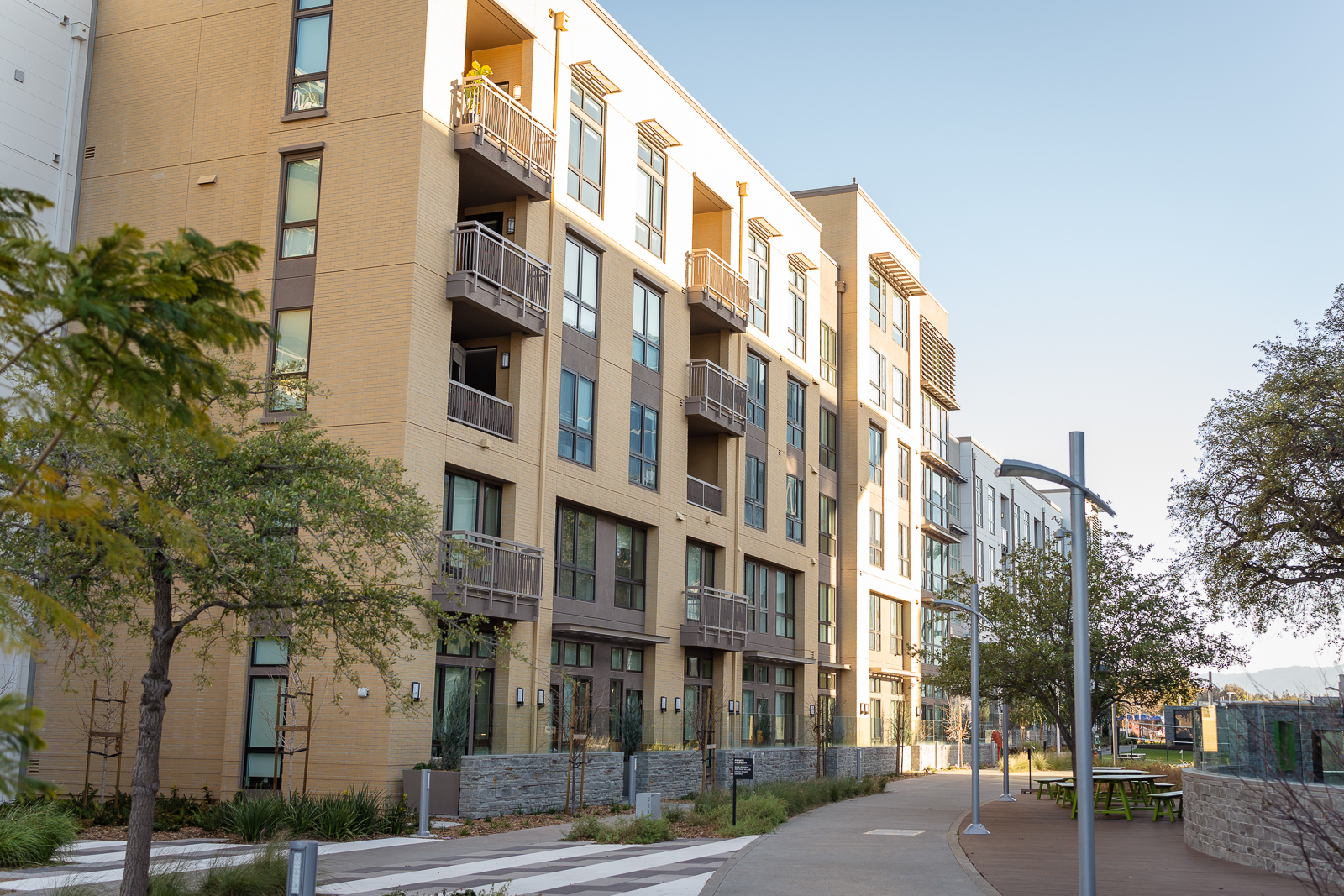
Asking rent in Mountain View currently runs close to its immediate neighbors, not dramatically below them:
| City | Median asking rent, all bedrooms/types |
|---|---|
| Sunnyvale | $3,151 |
| Mountain View | $3,245 |
| Palo Alto | $3,300 |
The Census Bureau’s five-year survey (2020–2024) reports a lower median gross rent of $3,062 and a median owner-occupied home value of $1,927,000; the gap between the two figures reflects methodology, a five-year rolling average measured against current asking prices, not a sudden price drop.
North Bayshore, Downtown, Old Mountain View, and Whisman differ in character and commute distance from the Caltrain station, with Downtown and Old Mountain View within easy walking range and North Bayshore built mainly around office campuses and shuttle service rather than the train. Reliable neighborhood-by-neighborhood pricing wasn’t available from a source meeting this page’s evidence standard and is flagged as an open item rather than estimated.
Is Mountain View expensive to live in?Yes, and not distinctly more than its immediate neighbors: Zillow’s current market data puts it within $150 of both Sunnyvale and Palo Alto, and the Census Bureau’s per-capita income figure of $112,591 sits well above the county median, which keeps the rent-to-income ratio manageable for high earners specifically.
Where the Reputation Doesn’t Hold
The city’s marketing language emphasizes livability, but neither of its own housing figures nor its own traffic patterns support an unqualified version of that claim. Rent sits at the high end of an already expensive region, and the daytime population more than doubles the resident count as commuters flow in, which strains US-101 well beyond what the mileage-only distance figures imply.
If You’re Working There or Job-Hunting
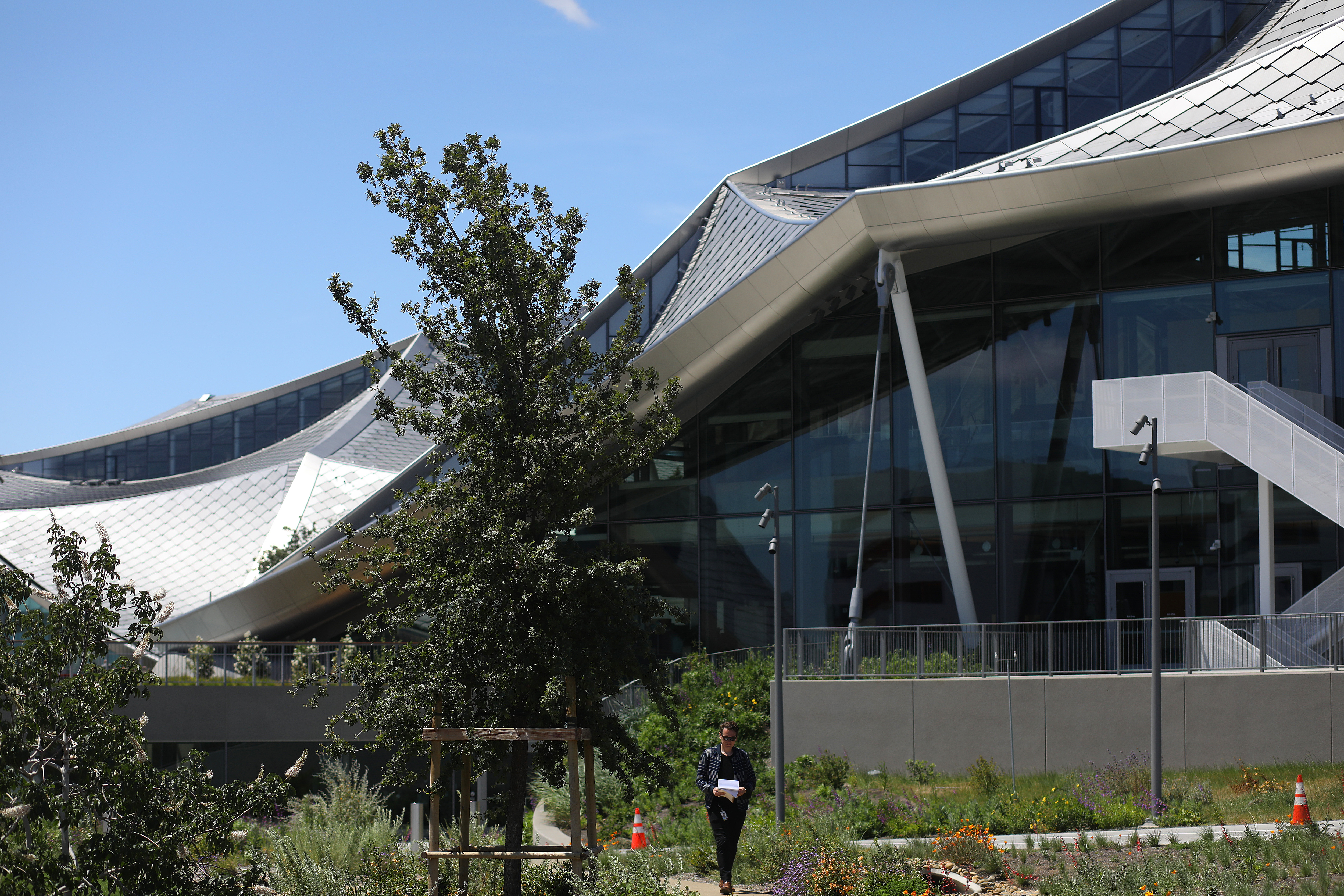
Google’s Alphabet campus anchors the North Bayshore district, alongside Intuit and NASA Ames Research Center, but the more useful number for a prospective employee is the Census Bureau’s mean travel time to work: 23.3 minutes for Mountain View residents age 16 and up, a sign that a meaningful share of the workforce lives close enough to skip a highway commute entirely.
Development and Zoning Context
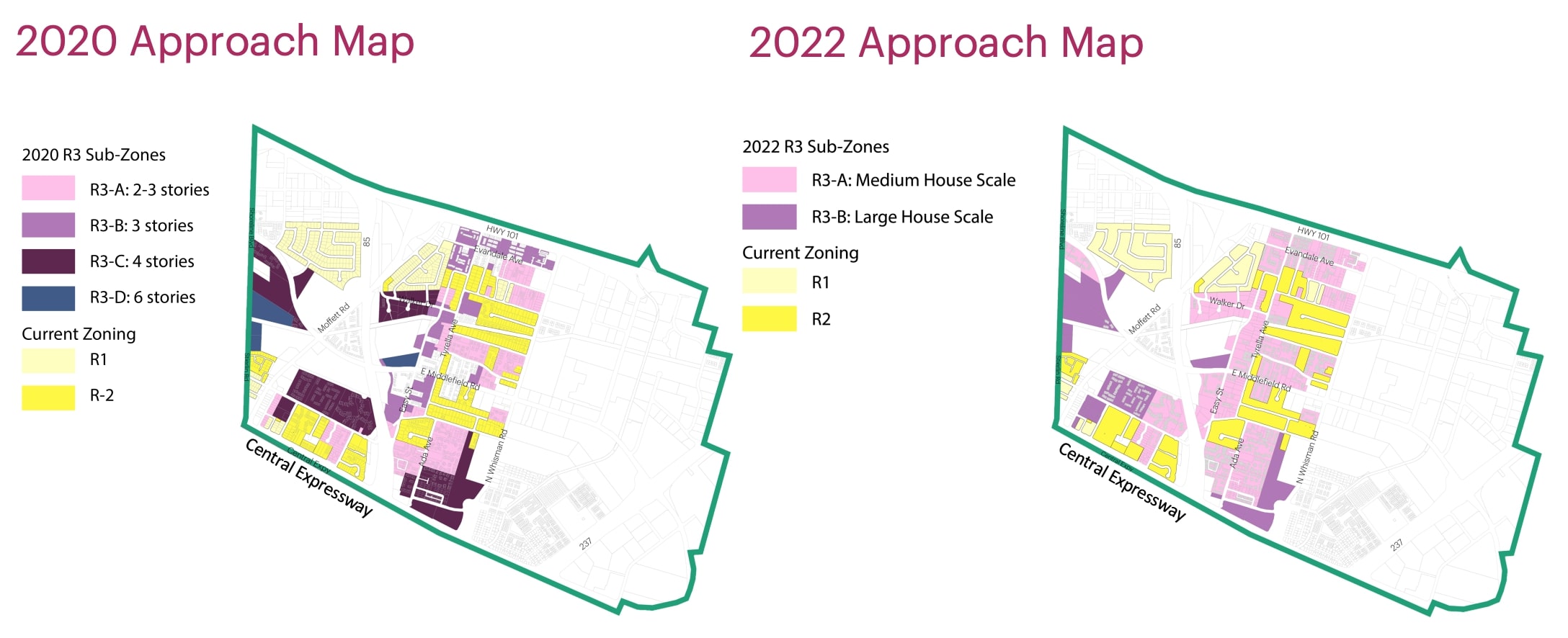
The city is partway through a substantial rezoning: the R3 Zoning District Update covers about 15% of Mountain View’s land area but roughly 50% of its existing housing stock, and it governs everything from apartment buildings to rowhouses. The City Council reviewed a public draft of the standards on February 10, 2026, and the accompanying Draft Environmental Impact Report’s public comment period closed June 29, 2026. For anyone weighing a purchase or investment in an R3 parcel, the update governs the standards a new buyer would actually build under, not the zoning code printed on a current listing.
Does the R3 rezoning affect current renters right away?Not directly. The update governs future development standards and density, not existing leases, so current tenants aren’t affected by the zoning change itself; the effect shows up over years, as new buildings under the revised rules replace older stock.
Comments