
Where Mountain Island actually is
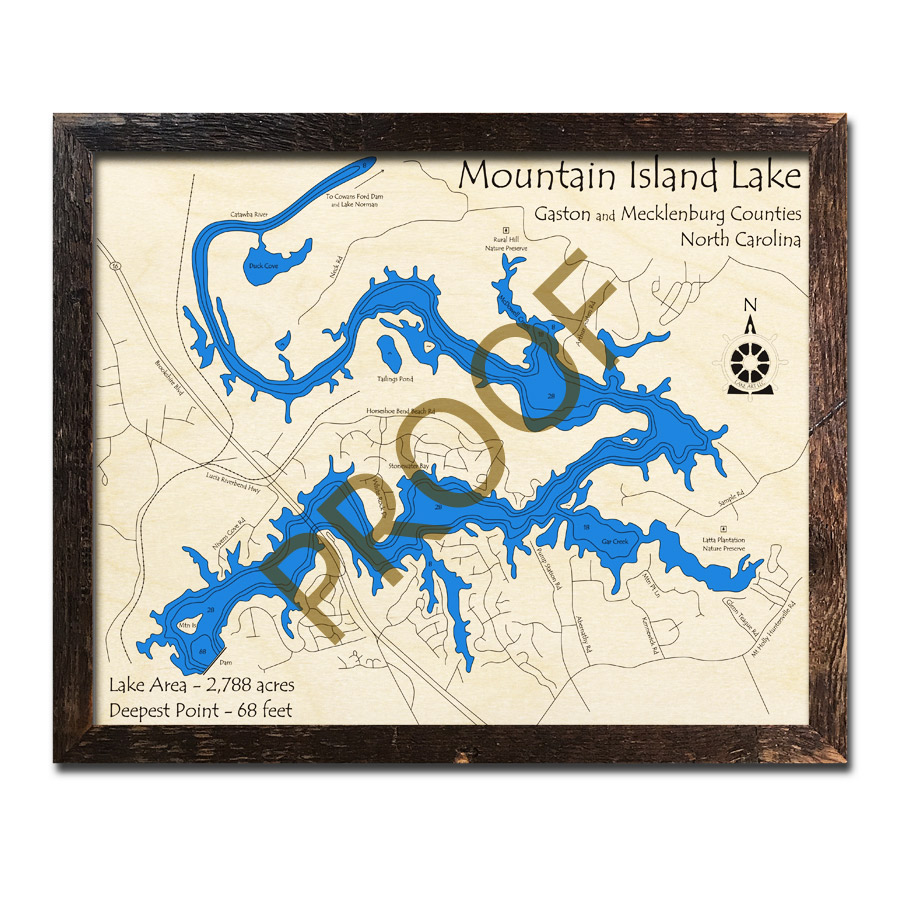
The Charlotte neighborhood sits along the southern and eastern shore of Mountain Island Lake, in Mecklenburg County, spanning ZIP codes 28214, 28216, and part of 28078. A separate, unincorporated community also called Mountain Island exists in Gaston County, near Mount Holly, on the lake’s western side. The two are not interchangeable for tax or school purposes.
Mecklenburg County’s own tax rate is 49.27 cents per $100 of assessed value, per the Mecklenburg County Office of Tax Administration. Add Charlotte’s municipal rate of roughly 34.81 cents and an in-city Mountain Island property pays a combined rate near 82 cents per $100. A comparable Gaston County parcel, taxed at the county’s 2025–26 rate of 59.90 cents per $100 per the NC Department of Revenue, carries a materially different bill before any municipal add-on applies. On a $400,000 home, the county-level difference alone is worth budgeting for before deciding which side of the lake to search.
| Jurisdiction | County rate (per $100) | Typical add-on | What it means on a $400,000 home |
|---|---|---|---|
| Mecklenburg County, unincorporated | $0.4927 | None | ≈$1,971/yr county portion |
| Mecklenburg County, inside Charlotte | $0.4927 | City ≈$0.3481 | ≈$3,285/yr combined |
| Gaston County (Mount Holly area) | $0.5990 | Varies by town | ≈$2,396/yr county portion |
These are county-level rates as scheduled for 2025–26; verify the exact combined rate for a specific parcel with the Mecklenburg County Assessor’s Office or Gaston County Tax Office before writing an offer, since municipal add-ons vary by address.
Is Mountain Island in Charlotte the same as the Mountain Island near Mount Holly?No. They’re two distinct places sharing a name: one in Mecklenburg County (Charlotte side of the lake), one in Gaston County (Mount Holly side), with different tax rates and school districts.
What the regional price data actually shows
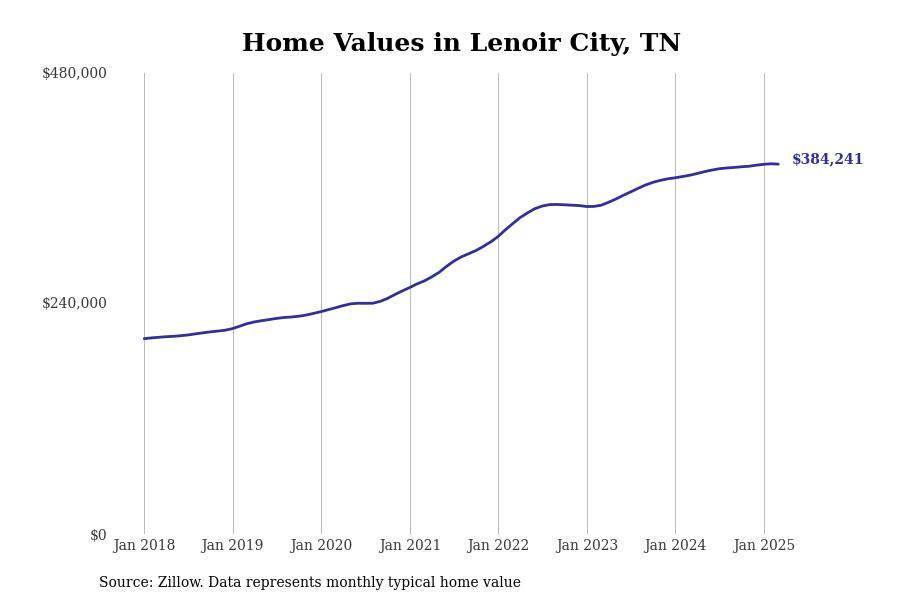
No public, non-promotional source currently publishes a verified median sale price specific to the informal “Mountain Island” boundary; every figure circulating for it comes from a real-estate marketing page pulling its own boundary and vintage, which this page won’t repeat as settled fact. What can be stated with a named, dated source: the 12-county Charlotte region closed at a $390,000 median in January 2026, up 2.2% year over year, while the City of Charlotte specifically closed at $410,000, up 1.2%, with days on market rising to 63 as inventory grew 10.4%, per Canopy Realtor Association.
| Source | Geography | Median price | As of |
|---|---|---|---|
| Canopy Realtor Association | Charlotte region (12 NC + 4 SC counties) | $390,000 | Jan 2026 |
| Canopy Realtor Association | City of Charlotte | $410,000 | Jan 2026 |
| Mountain Island specifically | – | Not verified from a neutral source | Open research task |
The region-versus-city gap already shows how much geography choice moves the number by itself; a lake-adjacent neighborhood inside the city limits should track closer to the $410,000 city figure than the wider regional one, though that’s a directional read, not a substitute for a neighborhood-specific pull.
For investors: using the $410,000 city median against HUD’s FY2025 Small Area Fair Market Rent of $1,824 for a two-bedroom unit in Mecklenburg County (a conservative, non-luxury floor covering ZIP 28214/28216, per HUD-sourced data) produces a gross yield near 5.3%. Waterfront and larger single-family rents in the lake community itself typically run higher than a 2BR county-wide FMR, so this is a floor estimate for underwriting, not a ceiling.
What you can and can’t build near the lake
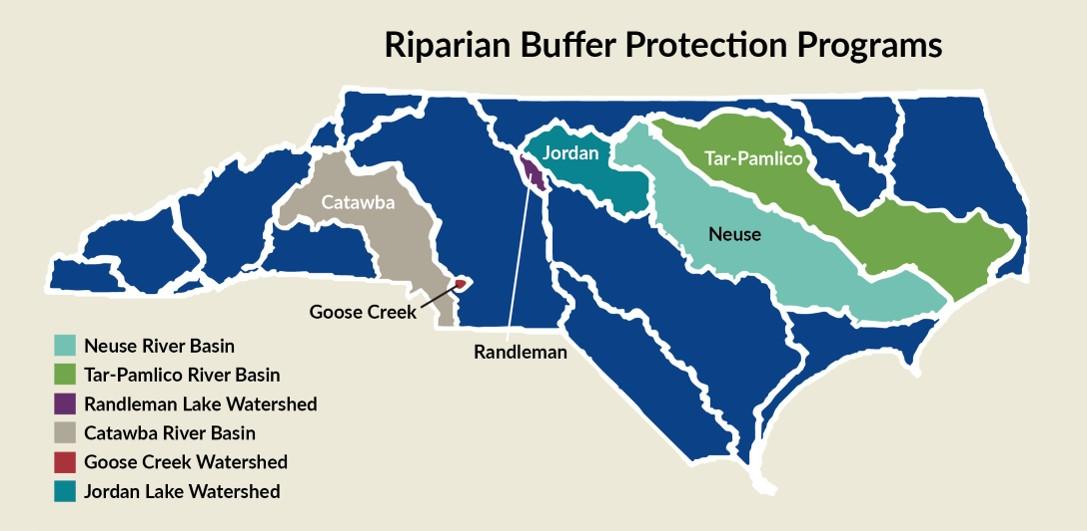
Mountain Island Lake is a public water supply, and its watershed is regulated under Charlotte-Mecklenburg’s Unified Development Ordinance, Article 23. The lake’s Critical Areas (CA1, the lower Gar Creek arm, and CA4, the half-mile lake-front band between the two dams) cap new low-density development at 6% built-upon area; the surrounding Protected Area (PA1) allows up to 24% under the same low-density option, dropping to 12% for any project also subject to the separate Article 25 post-construction rules. A high-density option exists but requires stormwater control measures and is capped at 50%.
Buffers apply on top of the BUA cap: 100 feet along the lake’s full-pond shoreline in the Critical Areas, 50 feet along perennial streams in the Protected Area, and 100 feet under the high-density option. No septic or wastewater system may discharge directly into the lake or its tributaries, and expansions of existing private systems can’t increase pollutant load beyond current permits. Existing homes and their built-upon area are grandfathered out of these calculations entirely – the rules bind new construction and additions, not what’s already standing.
| Zone | Low-density BUA cap | High-density BUA cap | Minimum buffer |
|---|---|---|---|
| Critical Area (CA1/CA4, lake-adjacent) | 6% | 50% (with SCMs) | 100 ft along shoreline |
| Protected Area (PA1) | 24% (12% if also under Article 25) | 50% (with SCMs) | 50 ft along streams |
| Existing development (any zone) | Exempt from BUA calc | – | Buffer rules still apply |
The practical effect: a waterfront lot in a Critical Area has roughly a quarter of the impervious-surface allowance of an otherwise-comparable lot one ring further from the shore, which is the actual reason lot sizes and HOA-managed subdivisions dominate the immediate shoreline. One town sharing this watershed, Cornelius, implements the same rule as a 2-dwelling-unit-per-acre cap on new low-impervious-option development – a concrete density consequence of the same BUA math, even though Cornelius sits outside the Charlotte neighborhood itself.
Can I build a dock or add an addition on Mountain Island Lake?Docks and shoreline structures go through a separate approval process with Duke Energy Lake Services in addition to county watershed review; additions that increase built-upon area must stay within the applicable BUA cap and outside the buffer, and a lot already built out to its cap has no headroom left regardless of buffer distance.
Schools and which district applies

Because the neighborhood straddles Mecklenburg’s boundary with Gaston County near the lake, school assignment depends on exactly which side of the county line an address falls on: Mecklenburg-side properties zone into Charlotte-Mecklenburg Schools, with lottery-based magnet options; Gaston-side properties zone into Gaston County Schools. Checking this by parcel address, not by neighborhood name, avoids the single most common mistake buyers make comparing listings across the lake.
Which school district will my Mountain Island address be zoned for?It depends on the county line, not the neighborhood name: Mecklenburg-side addresses zone to Charlotte-Mecklenburg Schools, Gaston-side addresses zone to Gaston County Schools.
Commute
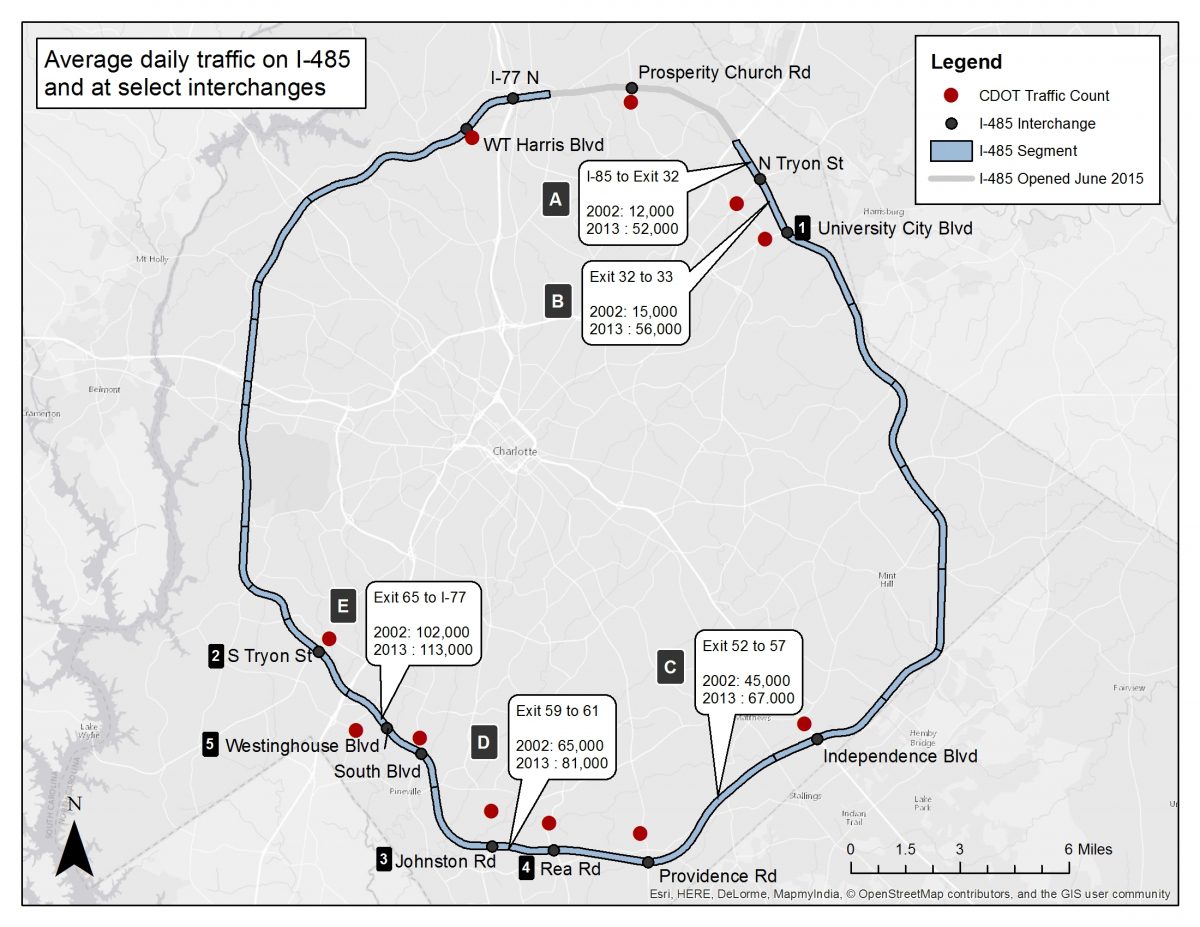
The Mecklenburg-side neighborhood connects to Uptown Charlotte via I-485 to I-77, a drive of roughly 15 to 30 minutes depending on traffic, with no arterial shortcut that avoids one of those two highways.
Lake lifestyle
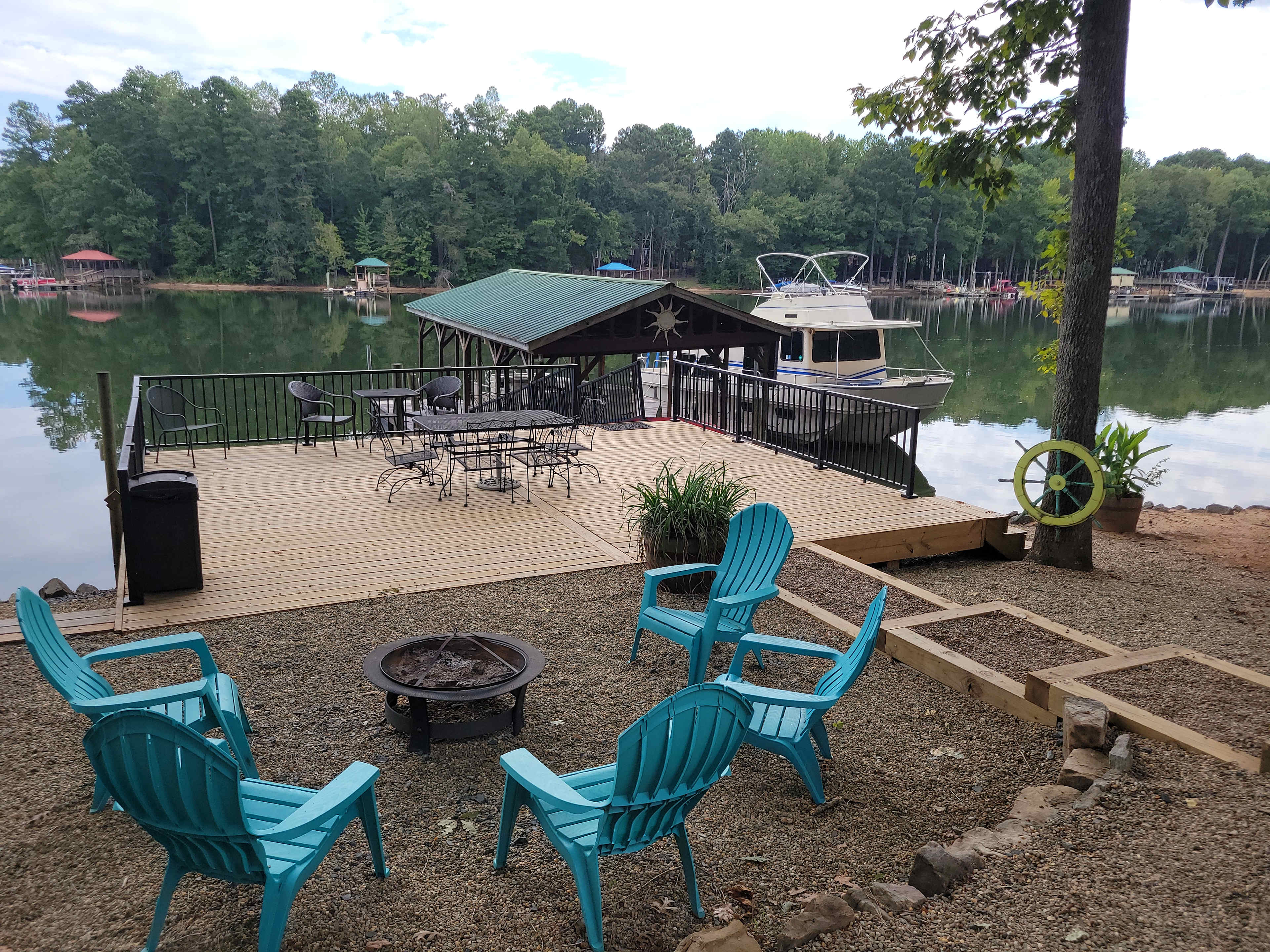
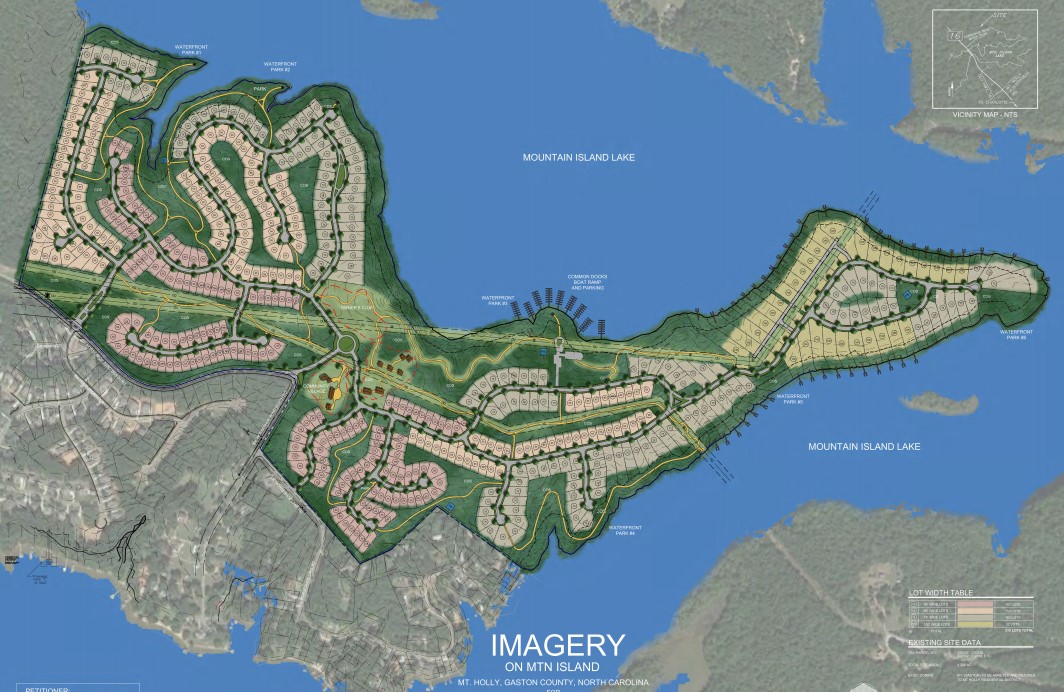
Mountain Island Lake formed behind a Duke Energy hydroelectric dam on the Catawba River, and the shoreline today mixes older lake cottages with newer amenity subdivisions. Latta Nature Preserve borders the lake’s southeastern edge for hiking and paddling access. As one illustration of scale: Redfin’s active Mountain Island Lake listings in mid-2026 included a full-brick, five-bedroom, 3,800-square-foot home in the Overlook community, a lake-adjacent HOA subdivision, sitting under mature tree canopy with direct lake proximity.
HOAs: what’s knowable now
Public sources don’t currently publish per-subdivision HOA dues or covenant terms for Mountain Island in a form that can be cited as verified fact, and repeating a marketing page’s unsourced fee figure would fail this page’s own sourcing standard. What can be said reliably: several lake-adjacent subdivisions, including Overlook, operate under an HOA that typically governs dock permissions and common-area amenities in addition to county and state watershed rules, so a dock or addition may need HOA sign-off even where the county approves it. Getting actual dues and covenant restrictions means calling the subdivision’s HOA management company directly or pulling a title search through the Mecklenburg County Register of Deeds for the specific parcel.
Flood risk and insurance
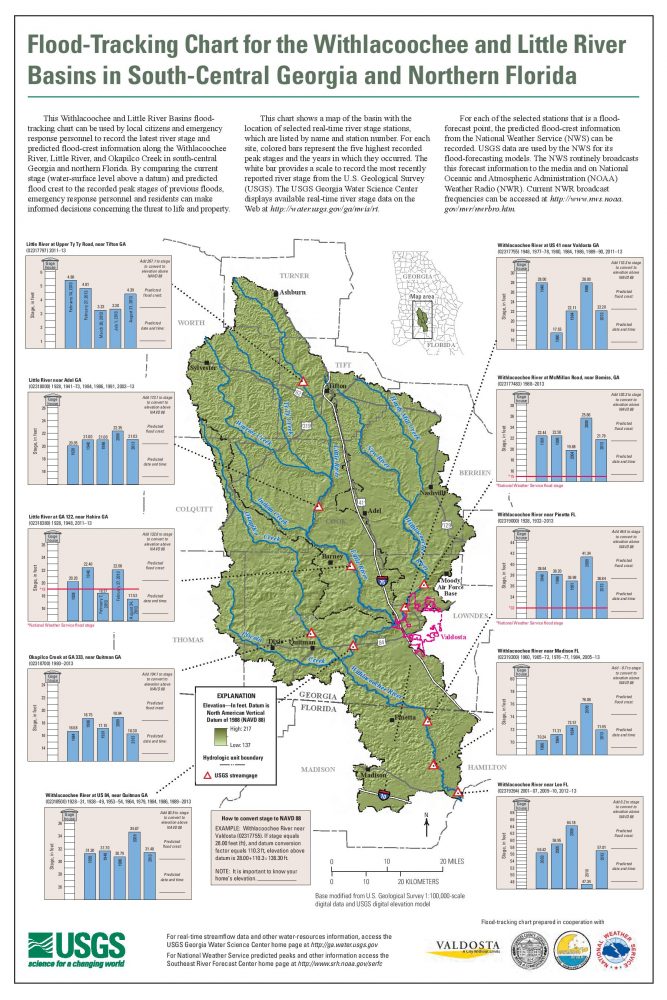
Flood insurance under FEMA’s Risk Rating 2.0 system is priced per property rather than by flood-zone label alone, using distance to water, elevation, and rebuild cost. Nationally, the average NFIP policy now costs about $926 a year, per Bankrate’s analysis of FEMA data; as recently as December 2022 the median premium was $689, with the Government Accountability Office projecting it would need to rise toward roughly $1,288 to reach full risk-based pricing. Statute caps annual increases at 18% for primary residences, per Congressional Research Service, so even an underpriced legacy policy moves toward its true cost gradually rather than all at once. None of this substitutes for pulling the actual flood-zone determination for a specific parcel through the FEMA Flood Map Service Center, which takes about five minutes and is worth doing before writing an offer on anything near the shoreline.
Why do home-price estimates for Mountain Island vary so much between sites?Different pages use different geographic boundaries (informal neighborhood outline, ZIP code, or census tract) and different data vintages, and none discloses which. That alone can produce gaps of tens of thousands of dollars on what’s nominally the same place.
Is Mountain Island a good rental-investment market?Using the city’s $410,000 median against HUD’s conservative $1,824 two-bedroom rent figure for Mecklenburg County produces roughly a 5.3% gross yield floor; actual lake-adjacent rents typically run above that county-wide baseline, but a specific address needs its own rent comp to confirm the number.
Who Mountain Island suits
| Buyer type | Fit | Key reason |
|---|---|---|
| Waterfront investor wanting to build or expand | Poor without diligence | BUA caps as low as 6% and 100-ft buffers can eliminate expansion room entirely |
| Family relocator wanting an existing home | Good | Grandfathered existing development isn’t subject to the BUA recalculation |
| Retiree seeking low tax burden | Better on the Gaston side pre-add-on, worse post-add-on | County rates alone favor Mecklenburg-unincorporated; combined city rates can flip that |
| Renter comparing to city-center options | Neutral | Neighborhood-granular rent data doesn’t yet exist; use city-wide FMR as a floor |
Comments