
The city’s vacation rental ordinance doesn’t cover condos
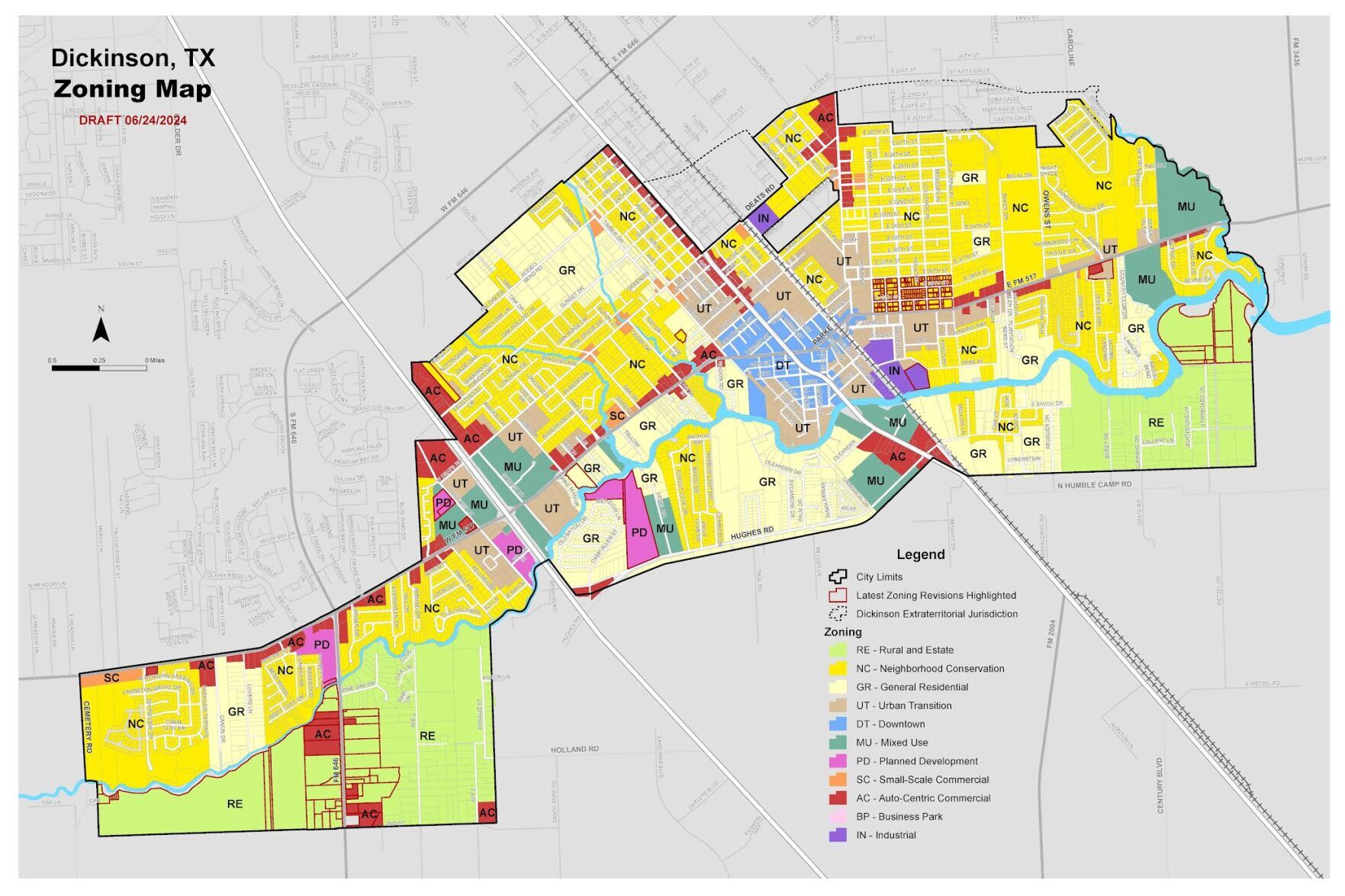
Most guides to buying here repeat some version of “the city allows rentals of about a week.” That rule exists, but it doesn’t apply to condominiums. Orange Beach’s vacation rental ordinance defines a vacation rental as a one- or two-family dwelling rented for fourteen consecutive days or less, and restricts the practice to specific residential zoning districts: RS-1, RS-2, RS-3, and MHS. The city’s own regulations page states plainly that these are the only zones where the ordinance applies, and condominiums sit outside that zoning framework entirely.
That means a condo owner isn’t checking a city zoning map to see whether short-term rental is legal. The building’s own declaration and bylaws are the only document that controls minimum stay length, guest registration, and whether rentals are allowed at all. A unit in a rental-friendly tower and a unit in a rental-restricted tower can sit two buildings apart with no city rule distinguishing them.
Renting a condo short-term, when the HOA permits it, still triggers a separate obligation: a city business license and registration to collect the lodging tax, which totals 16 percent (10 percent city, 4 percent state, 2 percent county) on transactions since September 2023. That tax applies regardless of zoning.
Does the city’s minimum-stay rule apply to my condo? No. Orange Beach’s fourteen-day vacation rental ordinance governs single- and two-family homes in four specific residential zones. Condominiums are controlled by their own association’s declaration and bylaws, not by that ordinance.
What actually controls your rental rights
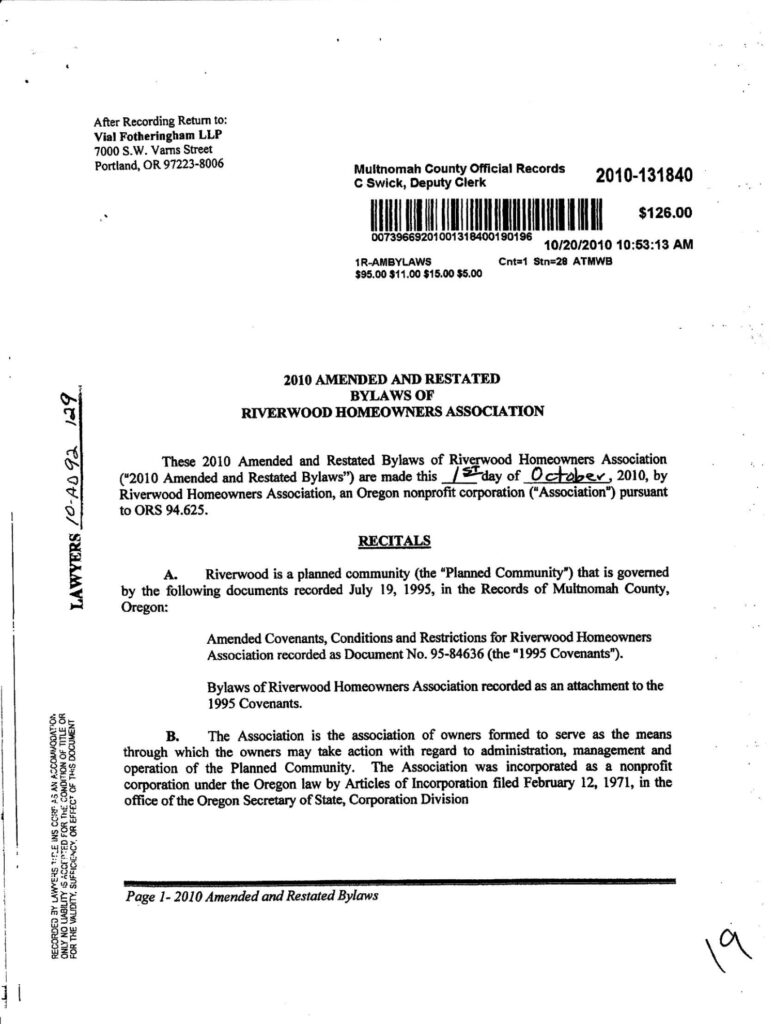
Since the city stays out of it, the declaration is the document to read before making an offer, not after. Associations set their own minimum stays, rental caps, and registration rules, and can change them by owner vote, so a rental-friendly building today isn’t guaranteed to stay that way. The building comparison table below shows how differently that plays out across marquee towers; ask for the current declaration and the past two years of board minutes during due diligence rather than a verbal answer about “what most owners do.”
The real monthly cost of ownership
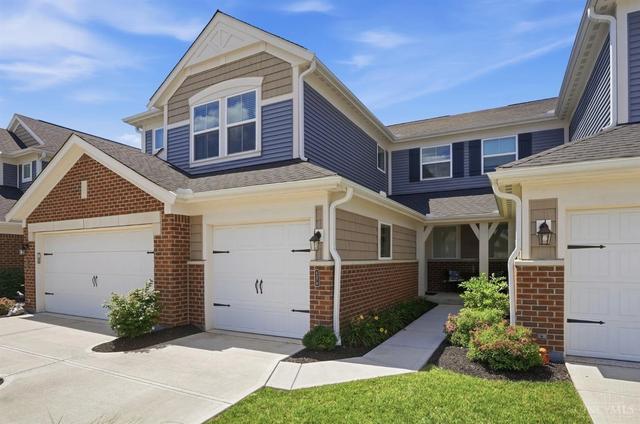
HOA dues scale with unit size, tower age, and how much of the building’s insurance and reserve burden gets passed through monthly. At Turquoise Place, a Gulf-front Spectrum Resorts tower on Perdido Beach Boulevard, three-bedroom units currently carry HOA dues around $744 a month, while four-bedroom units range from $1,133 to $1,837 depending on floor plan, according to unit-level listing data published by a Baldwin County brokerage. Dues at that level typically bundle common-area maintenance, the building’s master insurance policy, water and sewer, and a reserve contribution, though the split varies by association and should be confirmed against the current budget rather than assumed.
| Unit tier (example: Turquoise Place) | Typical monthly HOA range | What it typically covers |
|---|---|---|
| 3-bedroom | around $744 | Common-area maintenance, master insurance, water/sewer, reserve contribution |
| 4-bedroom, smaller plan | $1,133 to $1,600 | Same as above, higher amenity/square-footage share |
| 4-bedroom, larger/corner plan | $1,600 to $1,837 | Same as above, largest floor plans and highest reserve allocation |
These figures are one named building’s public listing data, not a market average; every association sets its own dues and inclusions, so treat this as a reference point for what a rental-active Gulf-front tower looks like, not a citywide number.
Alabama gives boards wide latitude here. The Alabama Uniform Condominium Act authorizes an association to adopt a budget that includes reserves, but the state has no statute requiring a reserve study or a minimum funded-reserve level, unlike Florida’s post-2022 structural integrity reserve study law passed after the Champlain Towers South collapse. A board can legally run a Gulf Coast high-rise for years on minimal reserves and cover shortfalls with special assessments instead. Alabama law requires sellers to disclose the amount, or absence, of reserves to buyers, so ask for that disclosure and the last funded reserve study, if one exists, rather than assuming dues already cover major repairs.
What happens if the HOA can’t cover a major repair? The association levies a special assessment against every unit owner, often due in a lump sum or over a short payment window. Because Alabama doesn’t mandate reserve funding, buildings with light reserves are more exposed to this than buildings with a current, funded reserve study.
Alabama’s two-layer insurance problem
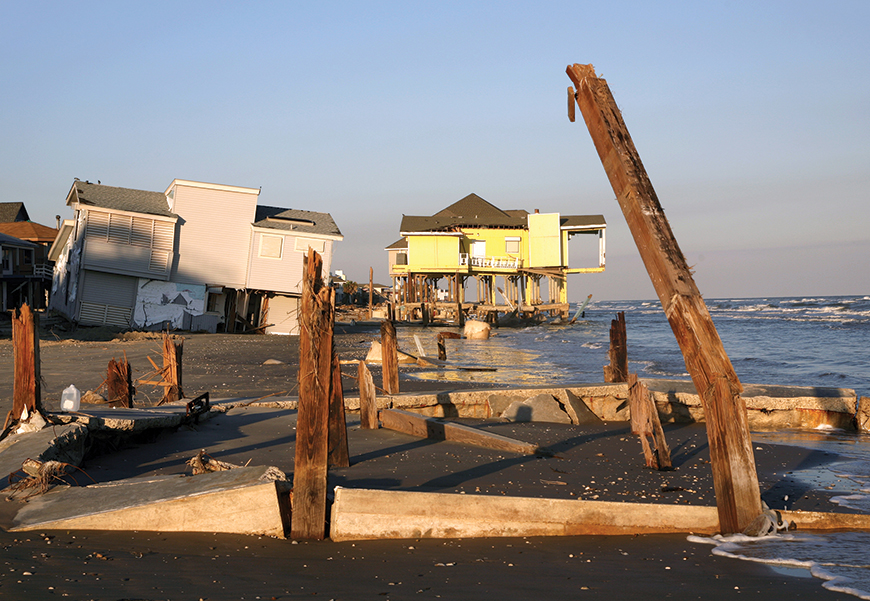
Coastal Alabama property, condos included, typically needs two separate policies layered on top of the association’s basic coverage: wind and flood. Private insurers frequently decline windstorm coverage south of the 31st parallel in Baldwin and Mobile counties, which is why the state created the Alabama Insurance Underwriting Association, commonly called the Beach Pool or Wind Pool, as the coverage of last resort for that territory, condominiums included. If the property sits in FEMA Zone A or V, a flood policy equal to or greater than the AIUA coverage amount is a prerequisite for the AIUA policy to issue, not an optional add-on.
A 2026 coastal-insurance-agency estimate puts combined wind and flood costs for Baldwin and Mobile county coastal property, per Bridgeway Insurance’s coastal Alabama guide, in the $2,300 to $6,500 a year range for a typical policy, which is the figure used in the cash-flow table below. Treat it as a planning range, not a quote: it varies by building age, construction, and coverage limits.
Do I need flood insurance separate from the HOA’s master policy? Usually yes, for the unit’s interior and contents. The association’s master policy generally covers the building structure and common areas; it does not replace an individual flood policy for a unit inside a mandatory flood zone, and AIUA requires proof of flood coverage before issuing wind coverage in Zones A and V.
Financing: why some buildings go cash-only
Two separate Fannie Mae rules can push a condo out of conventional financing, and neither has anything to do with the buyer’s credit. First, since 2023, lenders are required to review an association’s reserve study and budget for adequacy as part of project approval; as of August 2025, 3.6 percent of reviewed condo projects nationally carried an “ineligible” status, most commonly for insufficient master property insurance or unresolved critical-repair and deferred-maintenance findings. Second, Fannie Mae’s Selling Guide separately excludes projects that operate as a hotel or motel, or manage daily or short-term rentals, even where every unit is individually owned. A tower with an active resort-style nightly rental program run through the association can trip this rule regardless of its financial health.
Practical effect: a buyer targeting a heavily-rented Gulf-front tower should confirm the project’s Fannie Mae status through a lender before writing an offer, not after. If the building is flagged, the realistic financing paths narrow to a portfolio loan from a local lender or an all-cash purchase, both of which shrink the resale buyer pool later.
Can I get a normal mortgage on a heavily rented building? Not always. Fannie Mae treats resort-style, hotel-like rental operation as grounds for project ineligibility even when units are individually owned, and inadequate reserves is a separate, common trigger. Ask a lender to check the project’s status before making an offer.
Building comparison
| Building | Rental posture | Approx. price range | Typical HOA range | Best-fit buyer |
|---|---|---|---|---|
| Turquoise Place | Active resort-style rental program, Gulf-front | $1.0M to $2M+ | $744 to $1,837/mo | Investor targeting peak-season nightly rental |
| Phoenix West II | Active rental program permitted, Gulf-front | High $600Ks to $1.5M | Comparable fee tier to Turquoise Place | Investor or hybrid second-home/rental buyer |
| Caribe Resort | Rental permitted, marina and Ole River access, no direct Gulf frontage | Mid $500Ks to $1.2M | Moderate, boating-amenity-driven | Boating-focused buyer, family use plus rental |
| Vista Bella | Quieter posture, bay-adjacent | Below Gulf-front resort towers | Lower amenity load than resort towers | Primary or second-home buyer prioritizing quiet over rental yield |
Rental posture and HOA figures change with board votes and unit mix. Confirm current numbers against the specific unit’s declaration and budget before writing an offer; the table’s function is to show that a rental-active Gulf-front tower and a quiet bayfront building are structurally different products, not variations on the same purchase.
Is it a good investment? A worked example
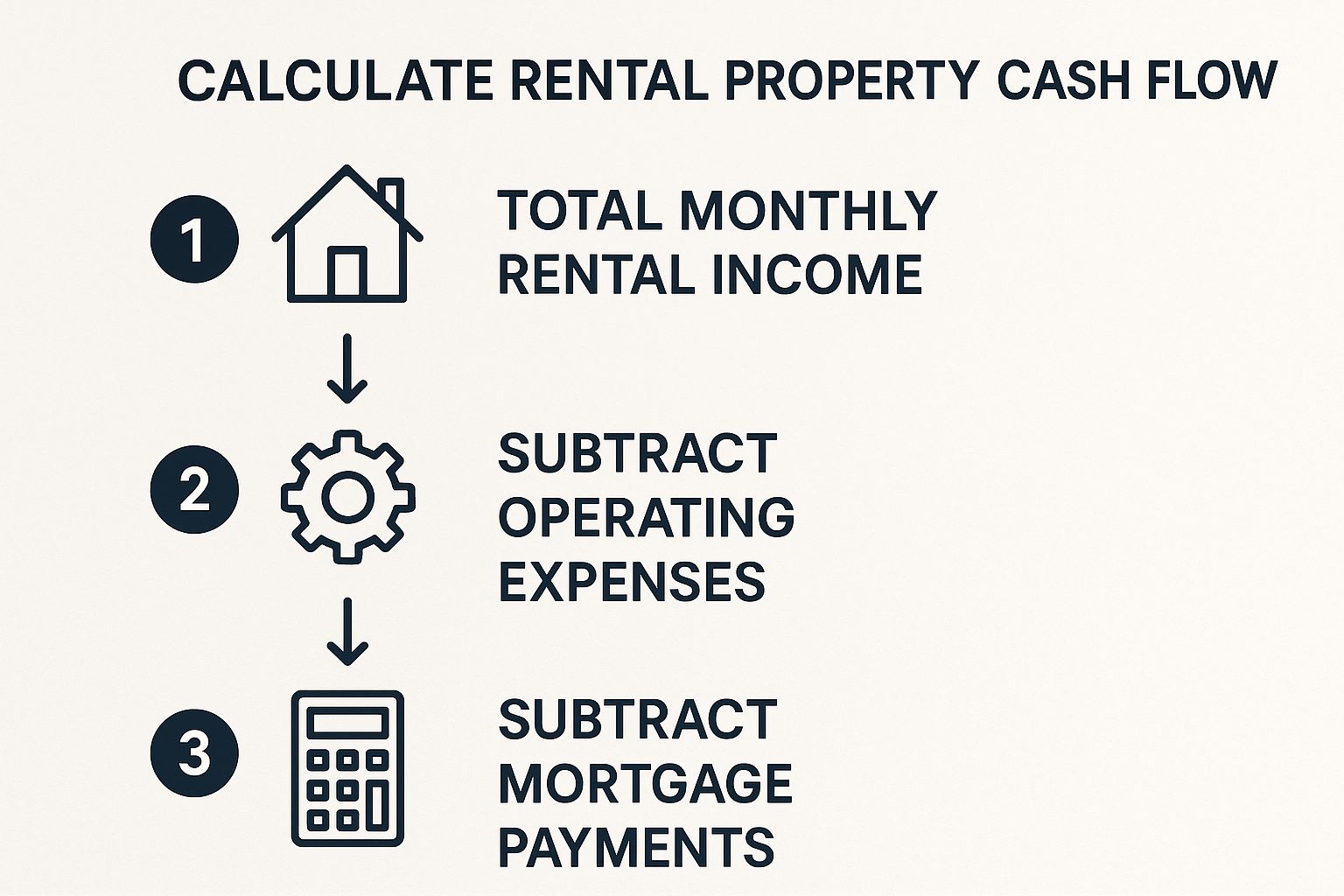
The gross-rental line below is a citywide median across all short-term rental property types, not a Turquoise Place-specific figure, per a short-term rental data aggregator; a given unit’s real number could land meaningfully above or below it depending on floor plan, view, and marketing.
| Line item | Amount (annual) |
|---|---|
| Gross rental estimate | $68,649 |
| HOA dues (3-bedroom tier) | $8,928 |
| Wind and flood insurance (mid-range) | $4,400 |
| Property management (18% to 30% of gross, mid-point) | $16,476 |
| Property tax (on a $1.1M unit) | $3,300 |
| Net before debt service | $35,545 |
On a $1.1 million unit, that net figure has to clear mortgage payments before it becomes real cash flow, and it assumes the building isn’t a cash-only purchase under the financing rules above.
How much of my rental income actually reaches me after fees? In this worked example, roughly half of gross rental revenue is absorbed by HOA dues, insurance, management fees, and property tax before debt service. Management fees alone commonly run 18 to 30 percent of gross rental income.
The purchase sequence
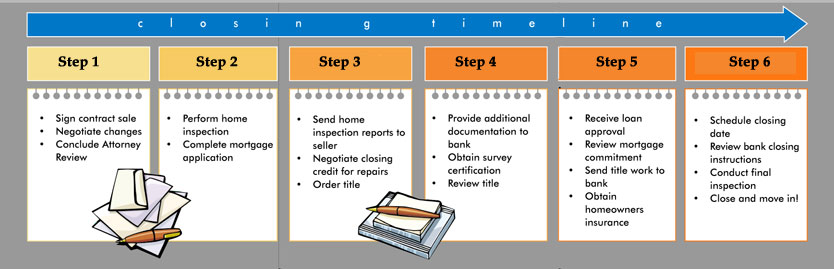
The condo-specific steps beyond a standard home purchase are short: confirm the building’s Fannie Mae project status through your lender, request the current reserve study and two years of board minutes from the seller or HOA, and confirm short-term rental posture directly against the declaration rather than the listing description. Everything else, from the offer to the inspection period to closing, follows the same sequence as any Alabama real estate purchase.
Current market conditions
Baldwin County’s resort area, which includes Orange Beach, posted 209 closings in April 2026 against 169 in April 2025, with sale prices increasing slightly and days on market lengthening, according to Baldwin County Realtors data reported by a regional news outlet. More sales alongside slower turnover points to a market where inventory has grown enough to give buyers negotiating room without prices actually falling. For a specific building, ask a local agent for MLS-sourced days-on-market and price-per-square-foot figures rather than relying on citywide averages, since resort towers and quieter bayfront buildings move on different timelines.
Comments