
The Three Types of Land for a Manufactured Home
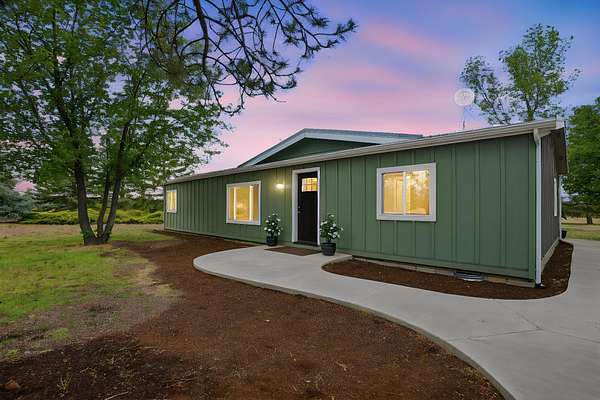
Every parcel marketed for a manufactured home falls into one of three categories, and the category matters more than the acreage.
| Category | Typical cost profile | Utility status | Zoning risk | Financing implication |
|---|---|---|---|---|
| Raw/unimproved land | Lowest purchase price per acre; add $15,000 to $60,000+ for utilities and access | None on site | Highest; zoning must be verified before purchase | Chattel or owner financing common until developed and reclassified as real property |
| Utility-ready land | Higher purchase price, reflecting prior site work | Water, power, and often septic or sewer already in place | Lower; often pre-cleared for residential use | Eligible for conventional, FHA Title II, or VA once the home is affixed |
| Land inside a manufactured-home community | Home-only purchase; land is leased, not owned | Utilities included in the lot lease | Pre-cleared for manufactured homes by design | Chattel or FHA Title I only; VA and Title II are unavailable, since the land isn’t owned |
Community-lot rent runs $100 to $800 per month per site, according to the National Association of Housing and Redevelopment Officials, and typically rises 3% to 5% a year. That recurring cost is the trade-off for skipping land purchase and site development.
What’s the real difference between owning the land and renting a lot in a manufactured-home community? Owning the land builds equity in real property and opens conventional, FHA Title II, and VA financing once the home is affixed. Renting a community lot avoids land purchase and site-prep cost, but means paying monthly lot rent indefinitely, with financing limited to chattel loans or FHA Title I, since you never hold title to the land.
Is This Land Eligible? A Zoning and Regulatory Checklist

A parcel zoned for a site-built house does not automatically permit a manufactured home. Many residential zoning districts carve out manufactured housing as a separate, more restrictive use.
What “Zoned for Manufactured Homes” Means in Practice
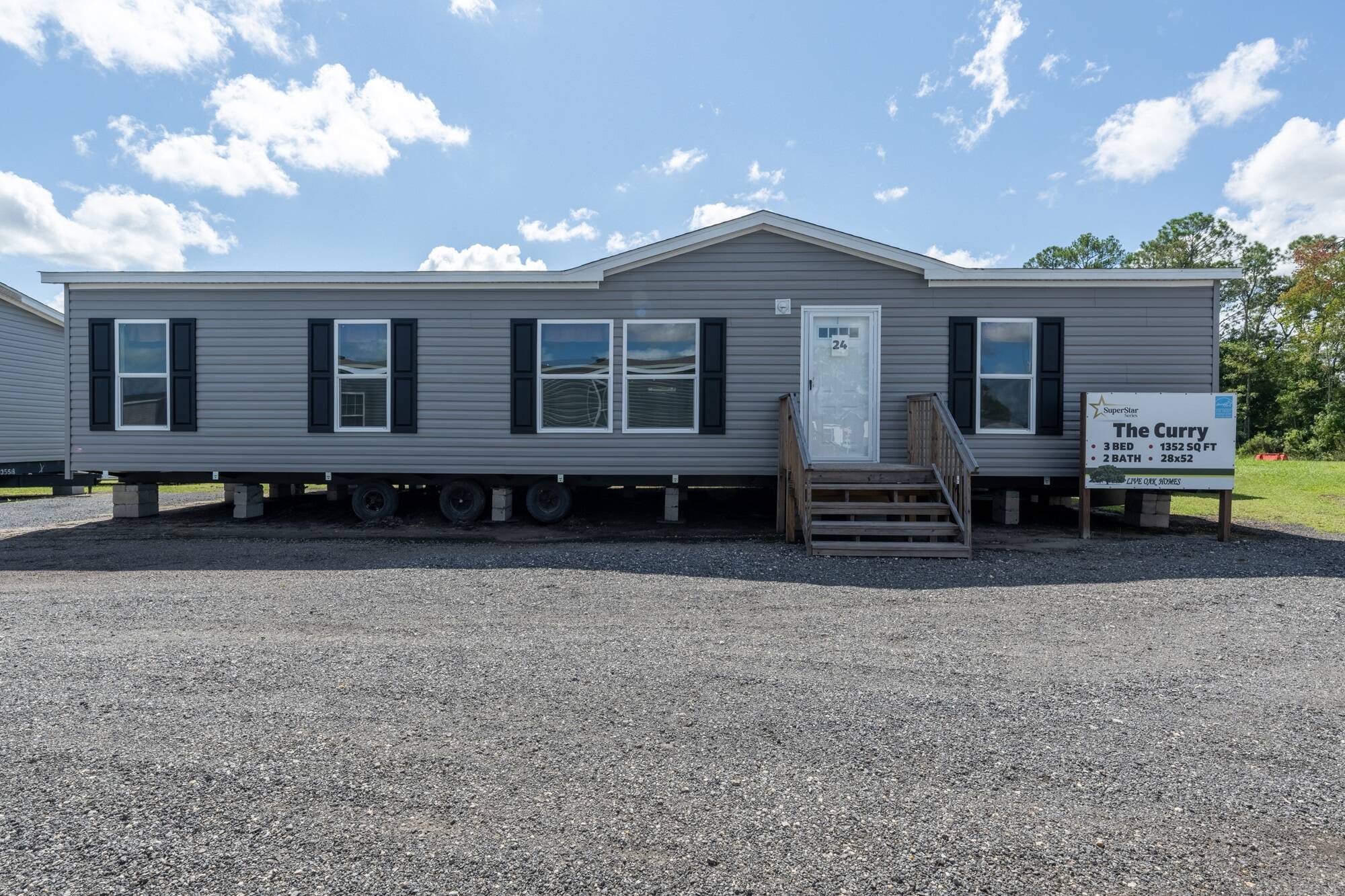
Start with three checks: does the district allow manufactured homes at all, what minimum lot size and setback apply, and is the home required to sit inside a designated manufactured-home park rather than on a standalone lot. Franklin County, Virginia illustrates how specific these rules get: within its designated manufactured home park districts, the county’s Code of Ordinances sets a 35-foot setback from any state road right-of-way, a 20-foot front yard, and a 10,000-square-foot minimum lot with 50 feet of width.
| County / state | Minimum lot or acreage | Setback | Note |
|---|---|---|---|
| Prince William County, VA | 10 acres | Not separately specified beyond the acreage minimum | One manufactured home per lot; A-1 and RMH districts only |
| Franklin County, VA | 10,000 sq ft, 50-ft width | 35 ft from state road right-of-way; 20-ft front yard | Applies within designated manufactured home park districts |
| Troup County, GA | Set by zoning district | Set by zoning district | Same construction standard applied to manufactured, site-built, and systems-built homes |
Two Virginia counties alone produce a roughly 40-fold spread in minimum lot size. A county’s own zoning table is the only number worth budgeting against.
Three regulatory layers apply beyond lot size. HUD’s wind zone system under 24 CFR 3280.305 divides the country into Wind Zone I (70 mph), II (100 mph), and III (110 mph); a home engineered for a higher zone can go into a lower one, but a Wind Zone I home cannot legally be placed in a II or III area. In mapped flood hazard areas, FEMA requires the home to be elevated above the Base Flood Elevation and anchored to a permanent foundation that resists flotation, collapse, and lateral movement, which adds engineering cost a lot’s sale price rarely reflects. In some states, local rules go further still: the Manufactured Housing Institute documents Kansas and Arizona ordinances that bar homes older than 5 to 10 years regardless of condition, and a Georgetown, South Carolina lot-size ordinance that drew a HUD fair-housing investigation.
Deed Restrictions and HOA Rules vs. Public Zoning
Passing county zoning doesn’t end the question. A subdivision’s deed restrictions or an HOA’s covenants can prohibit manufactured homes even where public zoning allows them, and these are private contracts the county has no power to enforce or waive. Pull the recorded covenants for the specific parcel before assuming it’s buildable.
Does land zoned for a site-built home automatically allow a manufactured home? No. Zoning districts frequently treat manufactured homes as a separate use with their own lot-size, setback, and sometimes park-only placement rules, so a parcel can be zoned residential and still disallow a manufactured home.
What Utilities, Site Prep, and Permits Cost
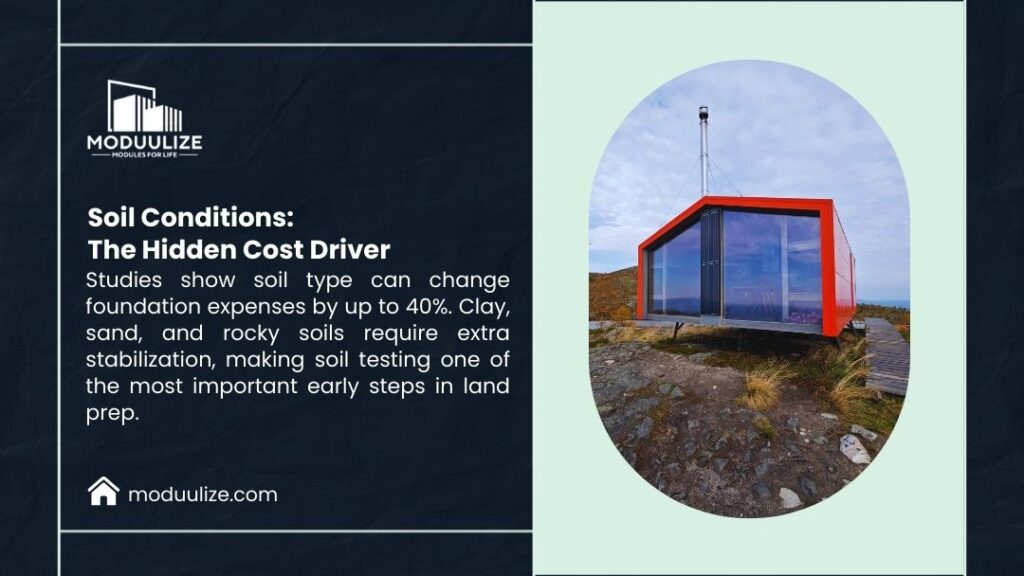
Raw land’s sale price rarely includes what it costs to make the lot buildable. Angi’s 2026 cost data puts the average total to bring utilities onto vacant land at $20,400, with a range of $100 to $60,000 depending on distance from existing lines and terrain.
| Cost category | Typical range | What drives the range | Where to get a real quote |
|---|---|---|---|
| Well | $5,000 to $10,000 | Drilling depth, rock vs. soft soil | Licensed well drillers |
| Septic system | $3,400 to $11,500 | Soil percolation test result, tank type | Licensed septic installer, after a perc test |
| Electric hookup | About $1,000 near an existing line; $5 to $15 per linear foot otherwise | Distance from the nearest pole, overhead vs. buried line | Local utility co-op or electrician |
| Municipal water connection | $1,000 to $6,000 | Distance to the water main | Municipal utility department |
| Sewer connection | $1,500 to $5,700 | Distance to the sewer main, connection fees | Municipal utility department |
A lot with public water and sewer already stubbed to the property line can undercut a cheaper-looking raw parcel by tens of thousands of dollars once site work is priced in.
What should I check before signing an owner-financing contract? Confirm the seller holds clear title, get the payment schedule and any balloon payment in writing, ask what happens to your equity if you miss a payment, and check whether the county classifies the arrangement as a land contract with different foreclosure protections than a conventional mortgage.
Foundation Type and Real Property Classification
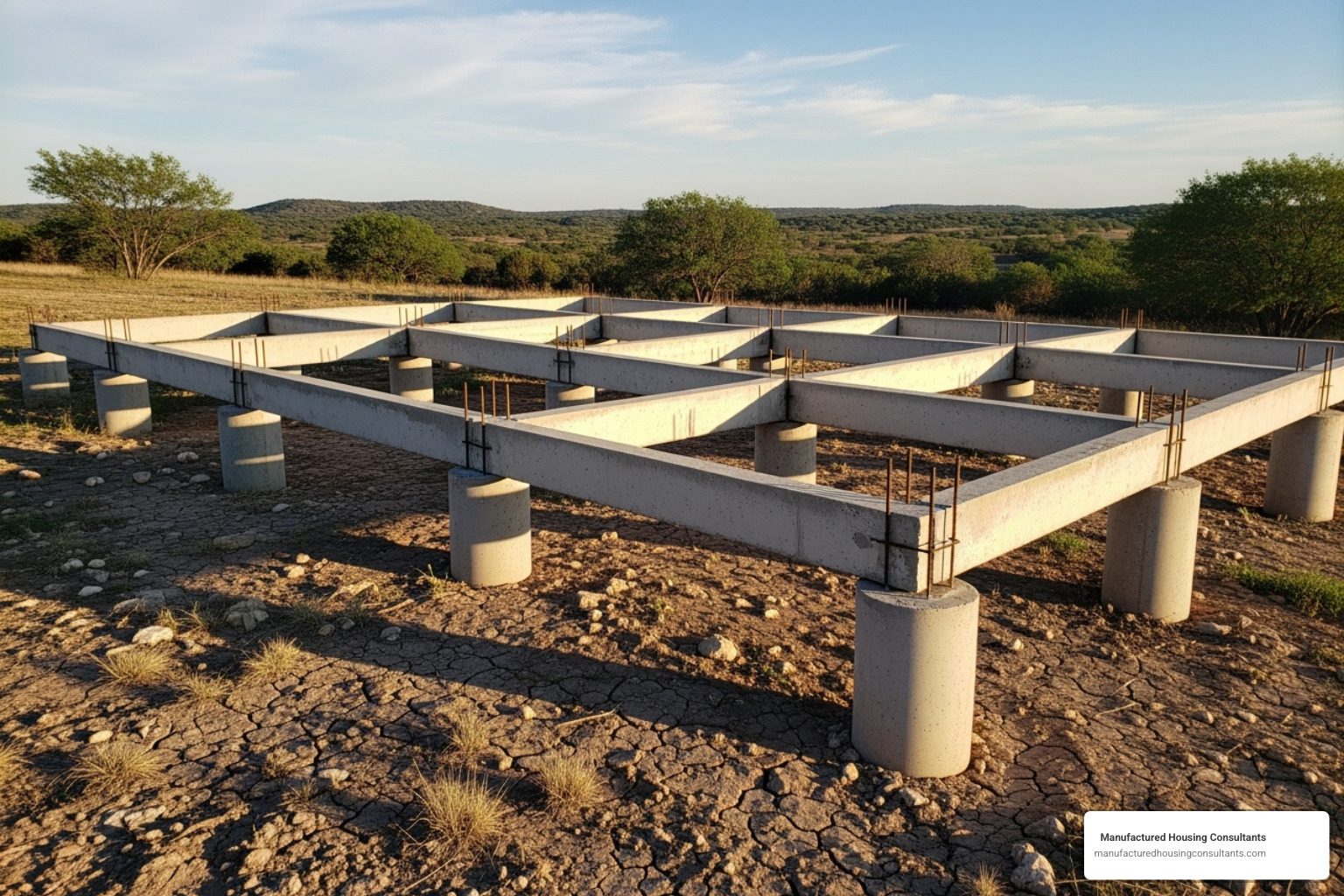
Whether a manufactured home qualifies for a conventional mortgage or is stuck with a personal-property loan comes down almost entirely to the foundation. HUD’s Title I program explicitly allows a manufactured home to be classified as either personal property or real estate, and the difference is not cosmetic. Converting to real property means the home’s wheels, axles, and towing hitch are removed, it sits on a permanent foundation meeting HUD’s Permanent Foundations Guide, and the vehicle title is surrendered and recorded as real estate with the county, typically after an engineer certifies the foundation. Skip any one of those steps and the home stays classified as personal property, also called chattel, no matter how solid the foundation looks.
That classification decides which loans are on the table. A home still titled as a vehicle cannot get a conventional mortgage or a VA loan and is limited to chattel financing or FHA Title I. A home properly converted to real property, on owned land, opens Title II, conventional, and VA financing, all of which typically carry lower rates than chattel loans.
Does a manufactured home on owned land qualify for a regular mortgage? Only after the title is converted to real property: wheels, axles, and hitch removed, a permanent foundation installed and certified, and the conversion recorded with the county. Until that’s complete, the home is titled as personal property, and a conventional or VA mortgage isn’t available.
Financing: FHA, VA, Conventional, and Owner Financing
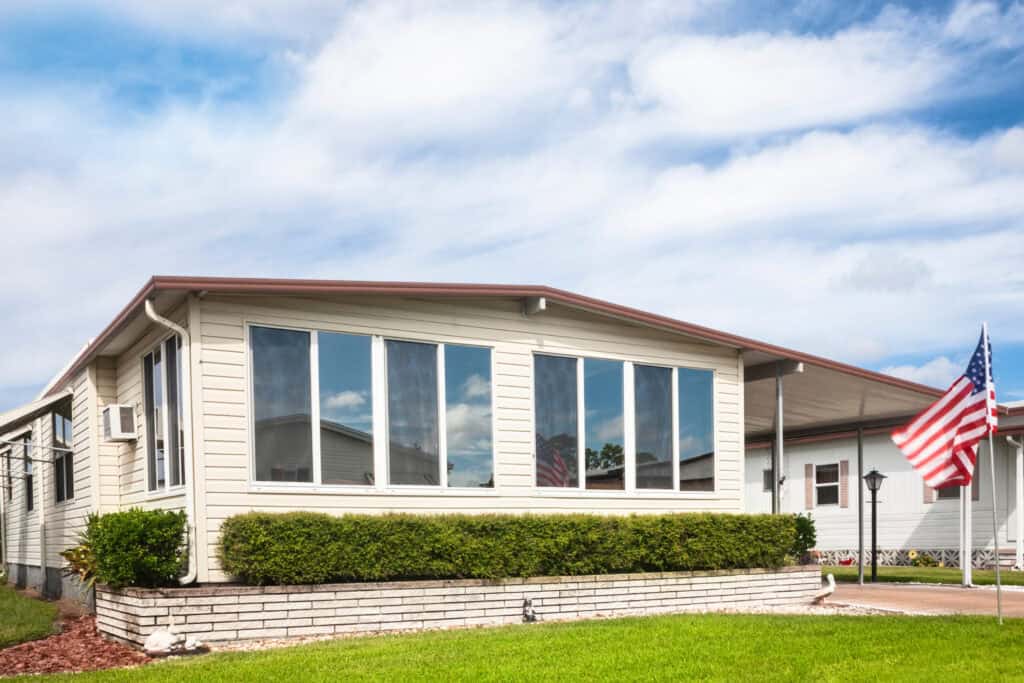
FHA offers two distinct programs. Title I finances the home alone, or the home and lot together, without requiring land ownership, capped at $69,678 for the home alone or $92,904 combined with the lot as of 2026. Title II requires the home to be real property on owned land and follows standard county FHA limits, running from a $541,287 floor to a $1,249,125 ceiling in high-cost counties. Down payment on either program is 3.5% with a credit score of 580 or higher, or 10% for scores between 500 and 579.
VA financing requires the veteran to own the land, the home to be permanently affixed and classified as real property, and a HUD certification label and data plate on file, in exchange for 0% down. New York is currently the only state that doesn’t permit manufactured homes to be classified as real property, which takes VA and conventional real-estate financing off the table there regardless of the home or lot.
Owner financing, common on raw land listings, lets a buyer pay the seller directly, often with a smaller down payment and no credit check. What owner-financed land listings rarely mention: these contracts commonly carry a higher effective interest rate than a bank loan, sometimes include a balloon payment due years before the note is paid off, and offer weaker consumer protection than a mortgage, since the seller, not a regulated lender, controls the terms and the remedy for a missed payment.
What happens if I buy land and then find out it isn’t zoned for a manufactured home? Most land sales carry no zoning contingency, so there’s generally no automatic refund path. Options narrow to requesting a zoning variance, which isn’t guaranteed, reselling at a discount to a buyer who wants the land for something else, or holding a lot that can’t be used for its intended purpose while still paying taxes on it.
Evaluating a Specific Lot

Beyond zoning, walk the lot for drainage, soil stability, and road access before making an offer, and confirm any easements recorded against the parcel. A local land surveyor or the county’s own parcel viewer can usually answer most of this in a single visit.
Common Mistakes and Their Cost
| Mistake | Consequence | How to avoid |
|---|---|---|
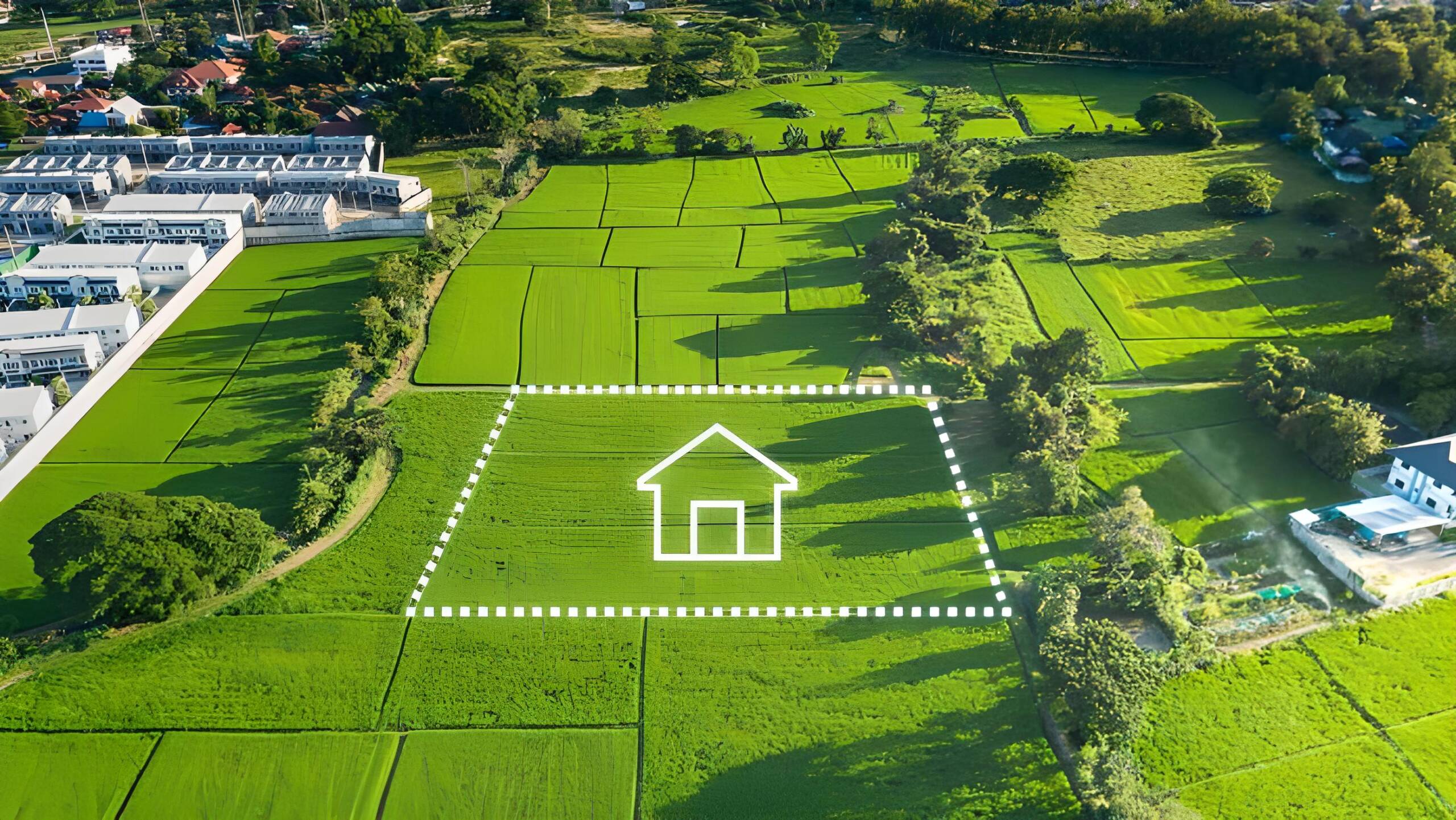
| Skipping zoning verification before closing | Land unusable for its intended purpose, no refund path in most contracts | Get the zoning designation from the county planning office in writing before making an offer |
| Assuming site-built zoning covers manufactured homes | Denied placement permit after purchase | Confirm the district explicitly allows manufactured homes, not just residential use generally |
| Treating a raw-land price as the full budget | Tens of thousands in unbudgeted utility and site-prep costs | Get well, septic, and utility-hookup quotes before making an offer, not after |
| Signing owner financing without a title search | Buyer discovers a lien or unclear title after money has changed hands | Order a title search before signing, even on a seller-financed contract |
Skipping the zoning check costs more than any other mistake on this list, because it’s the one with no partial fix. A lot that fails eligibility after closing is a lot you now own and can’t use as planned.
What happens if I buy land and then find out it isn’t zoned for a manufactured home?
Negotiating and Closing
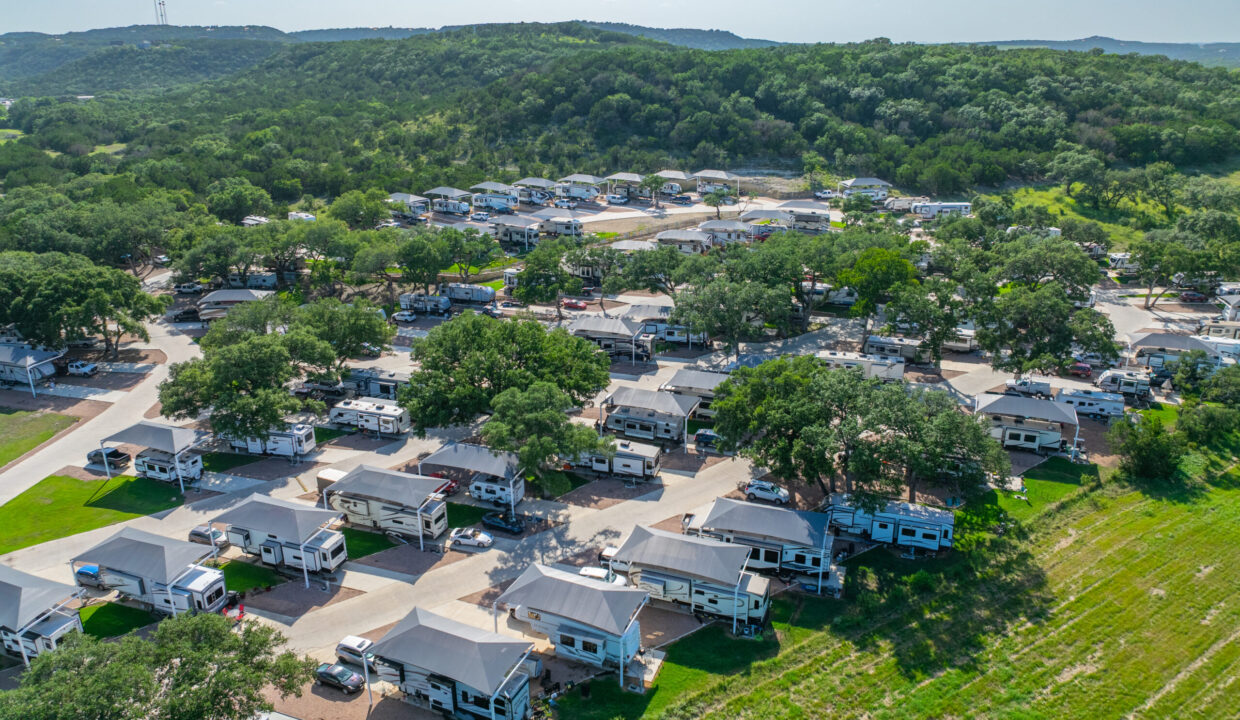
Pull comparable land sales from the county assessor or a local agent before making an offer. Vacant land sells infrequently enough that even one or two recent, nearby comps carry real weight, and a surveyor can confirm the boundary lines a comp is based on.
A title company or attorney should run a title search regardless of whether financing is conventional or seller-carried, and the results belong in the closing package alongside written confirmation of zoning, easements, and any pending assessments. A verbal assurance from the seller on any of these is not a substitute for the paperwork.
Comments