
Market snapshot
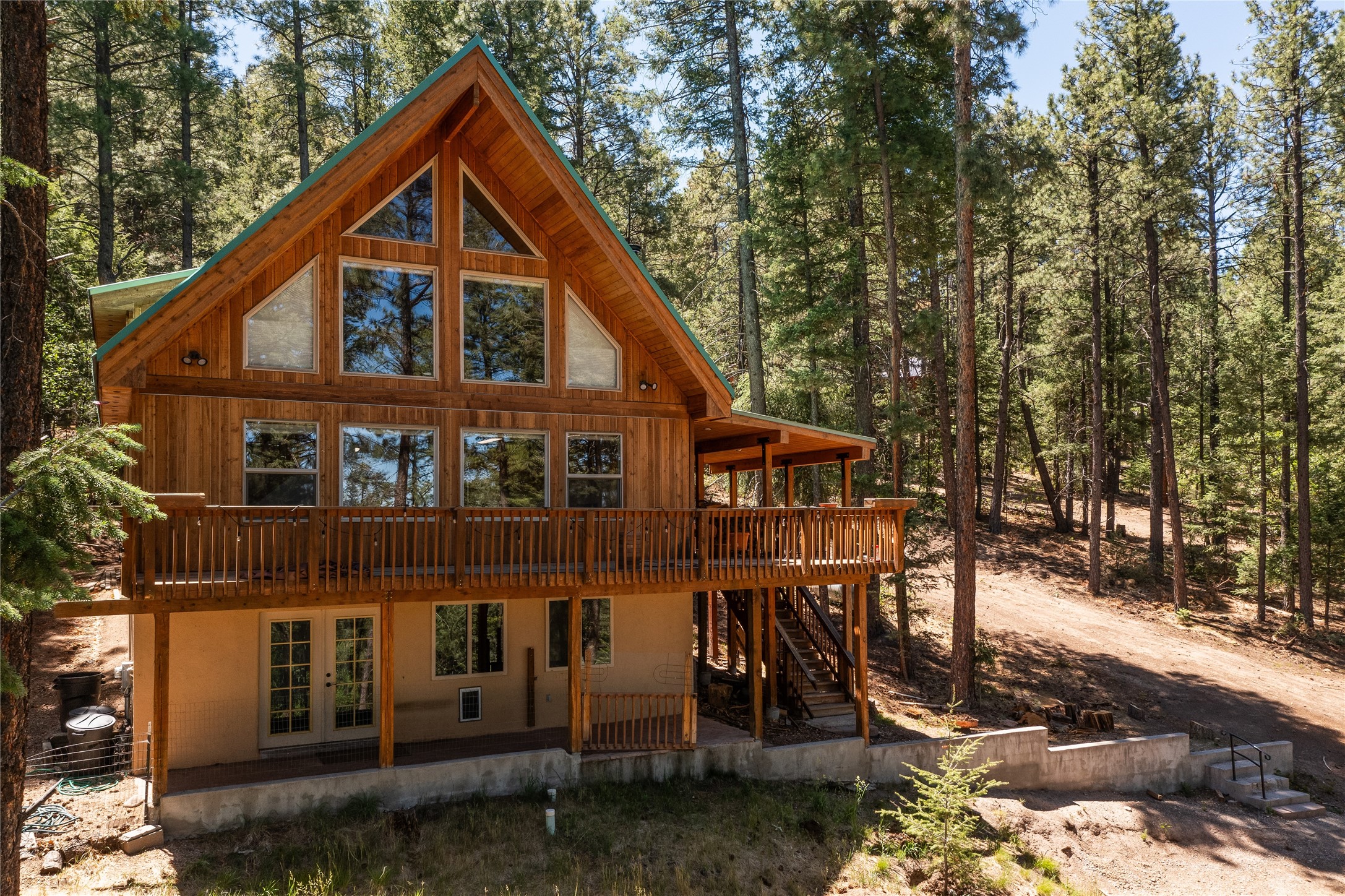
Thirty-five properties sold in the ZIP over the trailing twelve months, and current inventory spans everything from a $234,900 two-bedroom cabin to a $650,000 mountain home with acreage. The gap between the average sold figure ($320,000) and the median list price ($452,444) reflects a market with a handful of larger, newer, or acreage-heavy listings pulling the top end up while most transactions cluster well below it.
| Metric | Figure | Source |
|---|---|---|
| Average home value (ZIP), year over year | $352,155, up 3.1% | Zillow |
| Median list price | $452,444 | Realtytrac |
| Sold-price range, trailing 12 months | $295,000 to $950,000 | Realtytrac |
| Homes sold, trailing 12 months | 35 | Realtytrac |
| Average sold price | $320,000 | Chris Bergin / BHH Affiliates |
| Housing units reported vacant | 34.9% to 35% | NeighborhoodScout; Chris Bergin / BHH Affiliates |
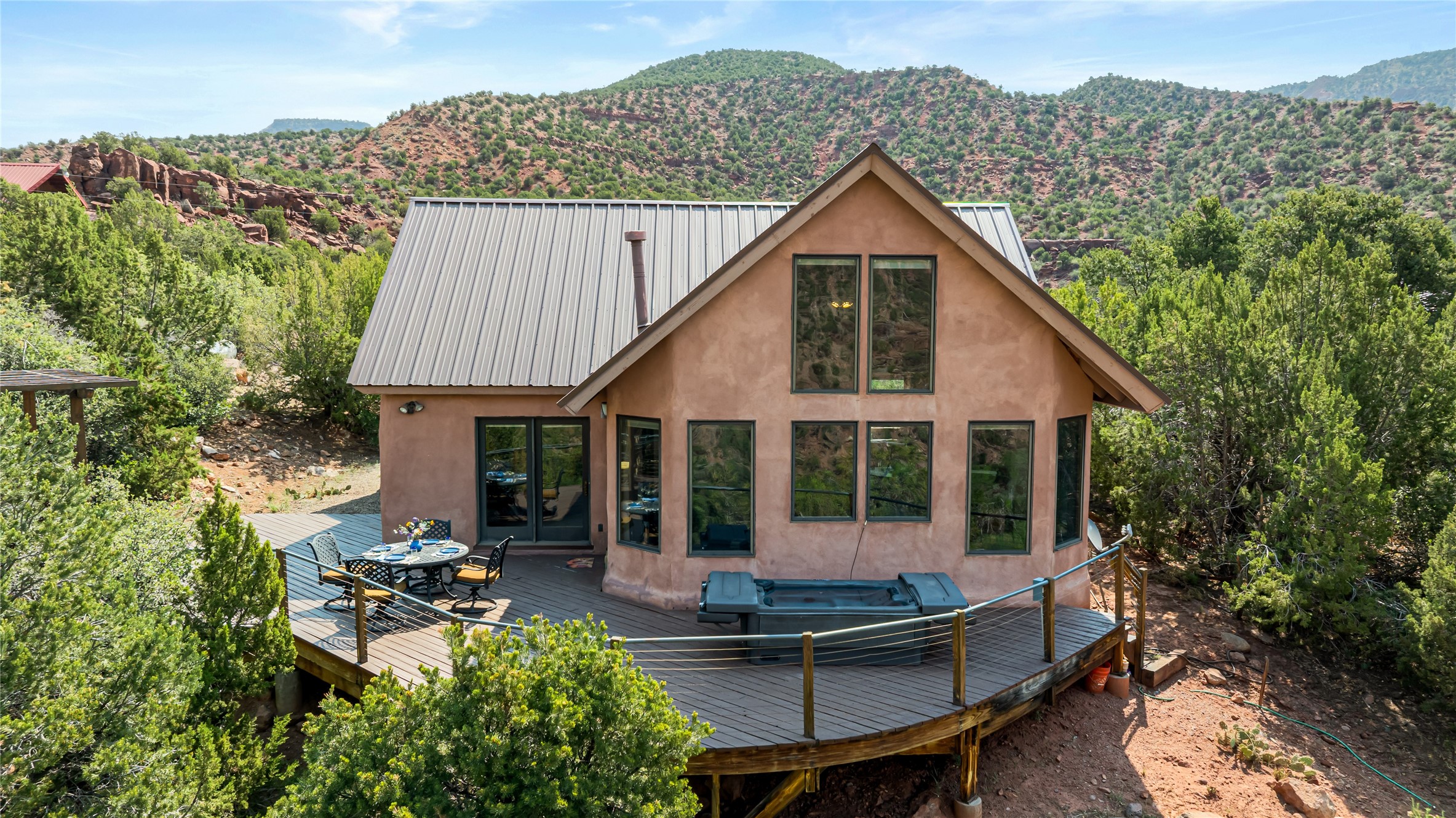
Two independently published figures landing within a point of each other on vacancy is a stronger signal than either alone: roughly a third of the ZIP’s housing stock sits unoccupied at any given time, well above a typical suburban ZIP. That points to a market carrying a meaningful share of second homes and seasonal cabins rather than a shortage of buyers.
What actually moves price here
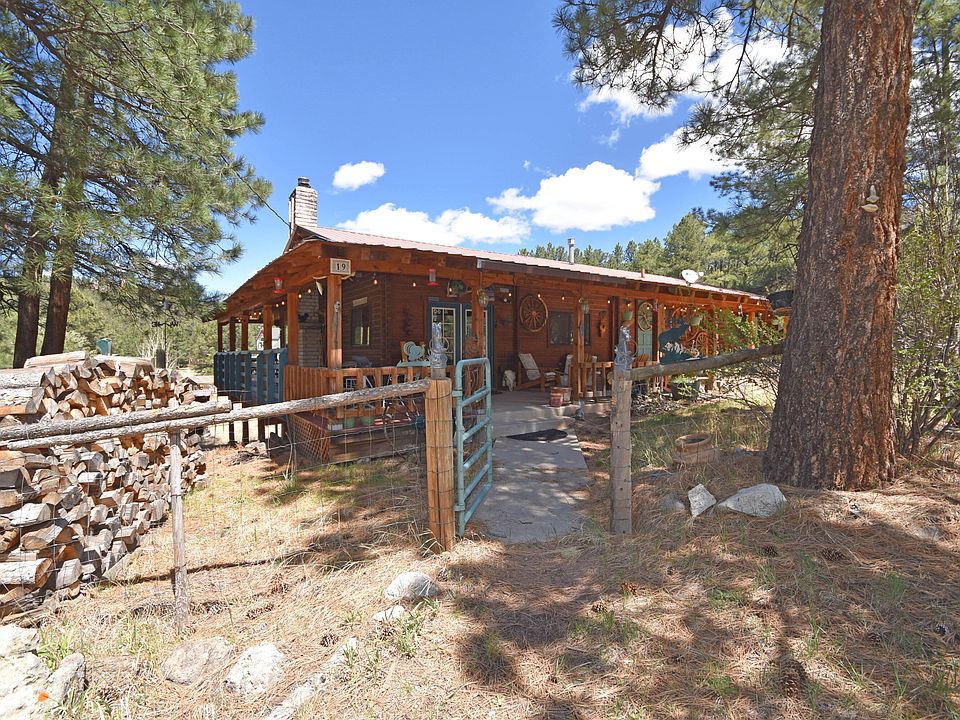
A cabin that needs a new septic system and sits on a private well will price differently from an identical cabin connected to municipal water and sewer with a recent NMED permit on file. Road access changes the picture again: a property on a county-maintained road stays reachable in winter; one on a private or HOA road depends entirely on that association’s plowing budget. None of this shows up in a listing’s headline price.
Why do some Jemez Springs listings sit on the market so much longer than others? The public record doesn’t publish a single “average days on market” figure for this ZIP, but the visible spread between quick sales and long-sitting inventory in local feeds tracks closely with condition, water/septic status, and road access rather than price alone; a well-priced cabin with clean utilities and a paved county road moves faster than a comparable one with an unresolved septic question.
Water and wastewater: three different systems, one ZIP
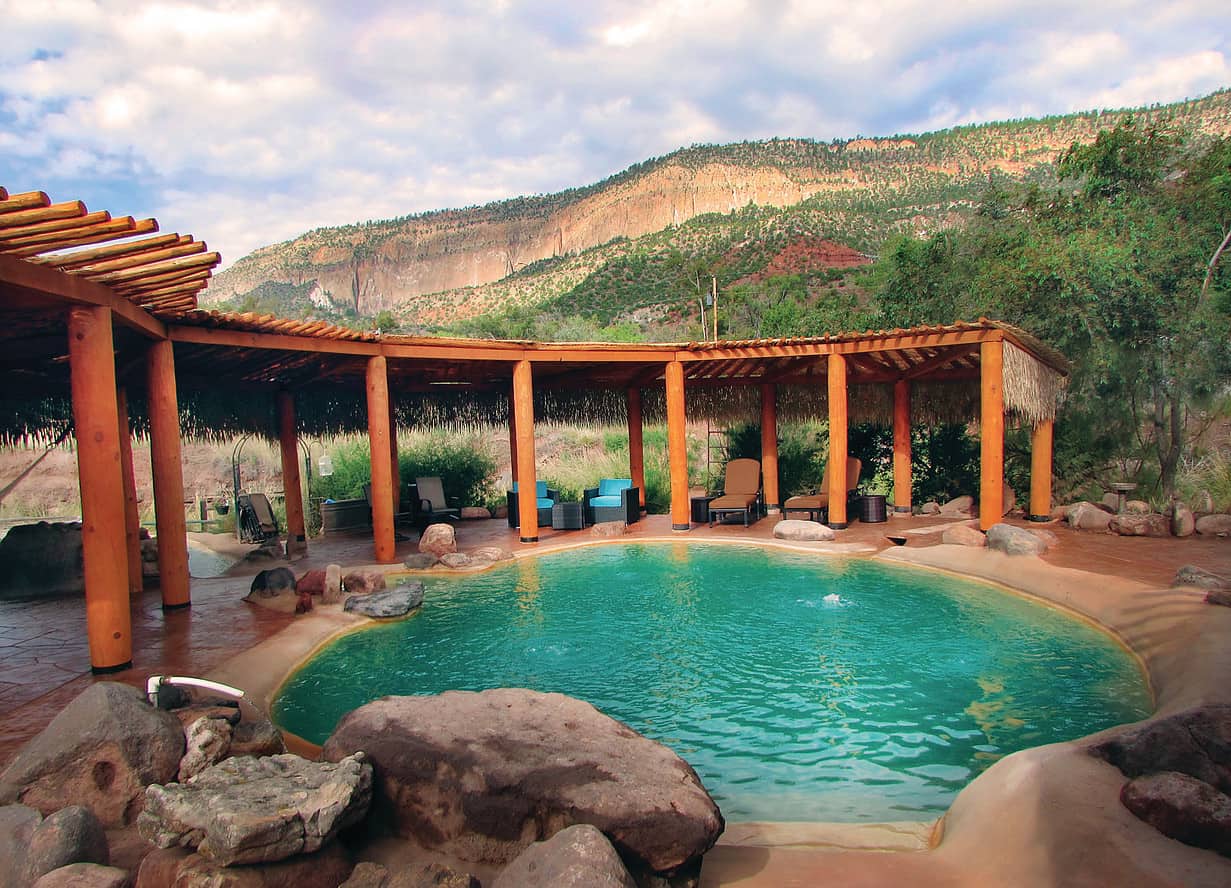
Properties in this ZIP get water three different ways, and the difference affects both financing and monthly cost.
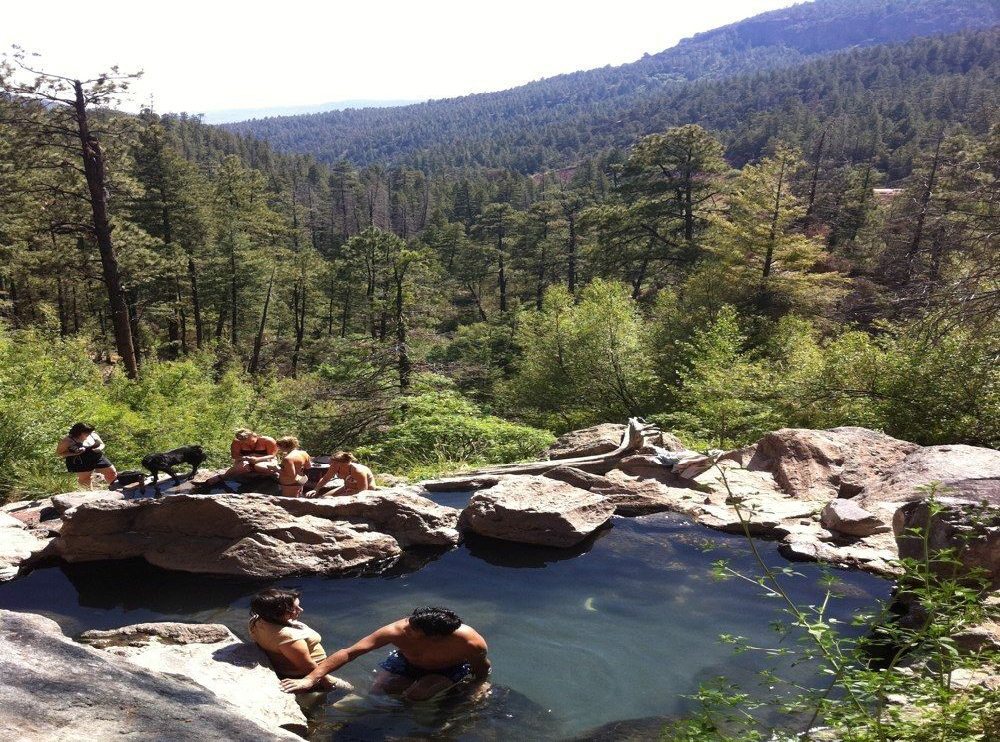
The village itself is served by the Jemez Springs Domestic Water Association, and the village’s own wastewater treatment plant serves approximately 200 households; any parcel within 200 feet of a main sewer line is required to connect. Properties outside that radius, and most acreage outside the village core, rely on a private well permitted through the New Mexico Office of the State Engineer. A third pattern shows up inside HOA-governed subdivisions such as Horseshoe Springs, where water is delivered through a community system bundled into HOA dues, alongside road maintenance and snow plowing.
| System | Who serves it | What to verify before offering | Cost and reliability note |
|---|---|---|---|
| Private well | Individual parcel owner | State Engineer well permit, well log, depth to groundwater | No monthly bill, but the owner covers all pump, casing, and water-quality maintenance |
| Jemez Springs Domestic Water Association | In-village parcels connected to JSDWA mains | Whether the parcel sits inside the mandatory 200-foot sewer-connection zone | Monthly water and wastewater billing; roughly 200 households connected to the treatment plant |
| HOA community system, e.g. Horseshoe Springs | Only parcels inside that subdivision | Whether HOA dues include water and road plowing, and what the covenants restrict | Bundled into HOA dues; typically includes winter road maintenance |
| Raw land with no listed source | None yet | Contact JSDWA or the State Engineer before writing an offer | Drilling a new well can add a five-figure cost to the project |
A vacant lot listed on Spruce Loop illustrates how these facts get stated, but not synthesized, in individual listings: it advertises community water through the Jemez Domestic Water Cooperative, no HOA, a year-round county-maintained road, and a note that the buyer will need to install a conventional septic system, since the lot has no existing one.
Does this property have city water or a private well? Check the listing’s utilities field first, then confirm directly with JSDWA whether the parcel is inside its service area; “community water” in a listing can mean the village utility or a separate HOA-run system, and the two carry different bills and different rules.
Septic and NMED compliance
Any septic system in this ZIP falls under New Mexico Environment Department rules, not a county ordinance. A licensed contractor holding an MM-1, MM-98, MS-1, or MS-3 classification must install or modify a system, unless the owner passes NMED’s homeowner qualification exam (a 75% passing score) and installs a conventional system at their own residence only. The combined homeowner qualification and permit fee runs $395 for a system rated at 1,000 gallons per day or less. Any tank installed after 1976 must include a baffle and be watertight, and a permit is required for any modification, not just new construction.
For a buyer, this means a “septic replaced in 2024” note in a listing should have a permit number behind it. If the seller can’t produce one, that’s a real, quantifiable risk, not a formality: an unpermitted system can block final loan approval or resale until it’s corrected.
What should I ask for before buying a property with a septic system here? The NMED permit number, the date of the last final inspection, and confirmation of tank size against the home’s bedroom count, since NMED sizes systems by design flow, not square footage.
Wildfire exposure
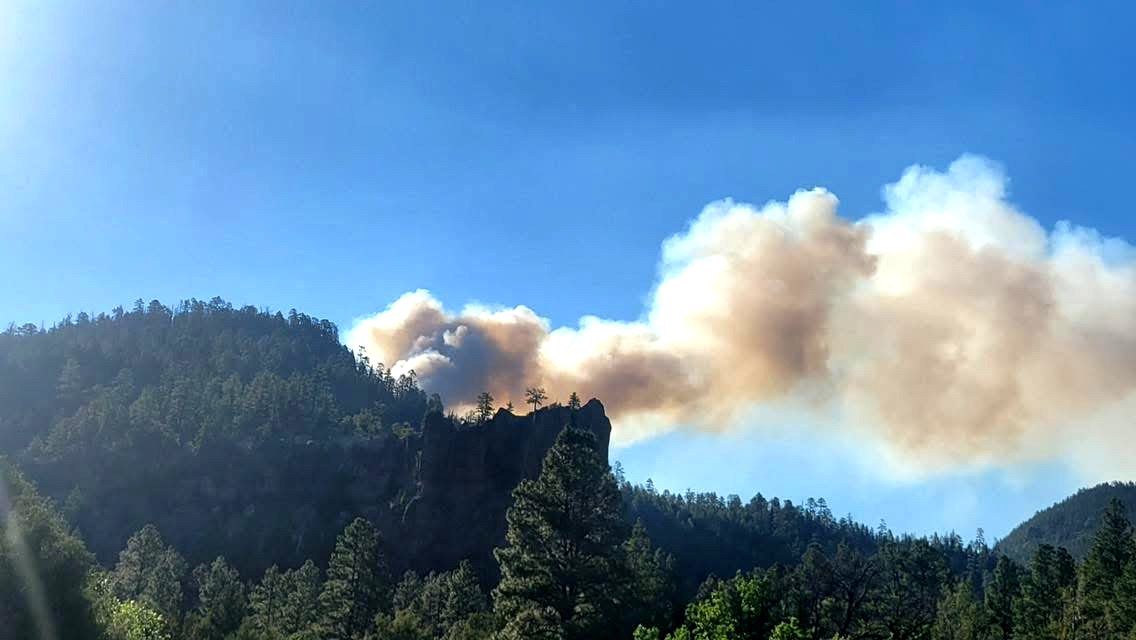
Because the entire village sits inside the Santa Fe National Forest, this isn’t a rural backdrop detail: it’s an annual, seasonal fact that affects insurance underwriting and outdoor-use restrictions for every property in the ZIP, and it changes status through the summer. A buyer closing later this year should check current status directly rather than rely on this page.
HOA rules and short-term rentals
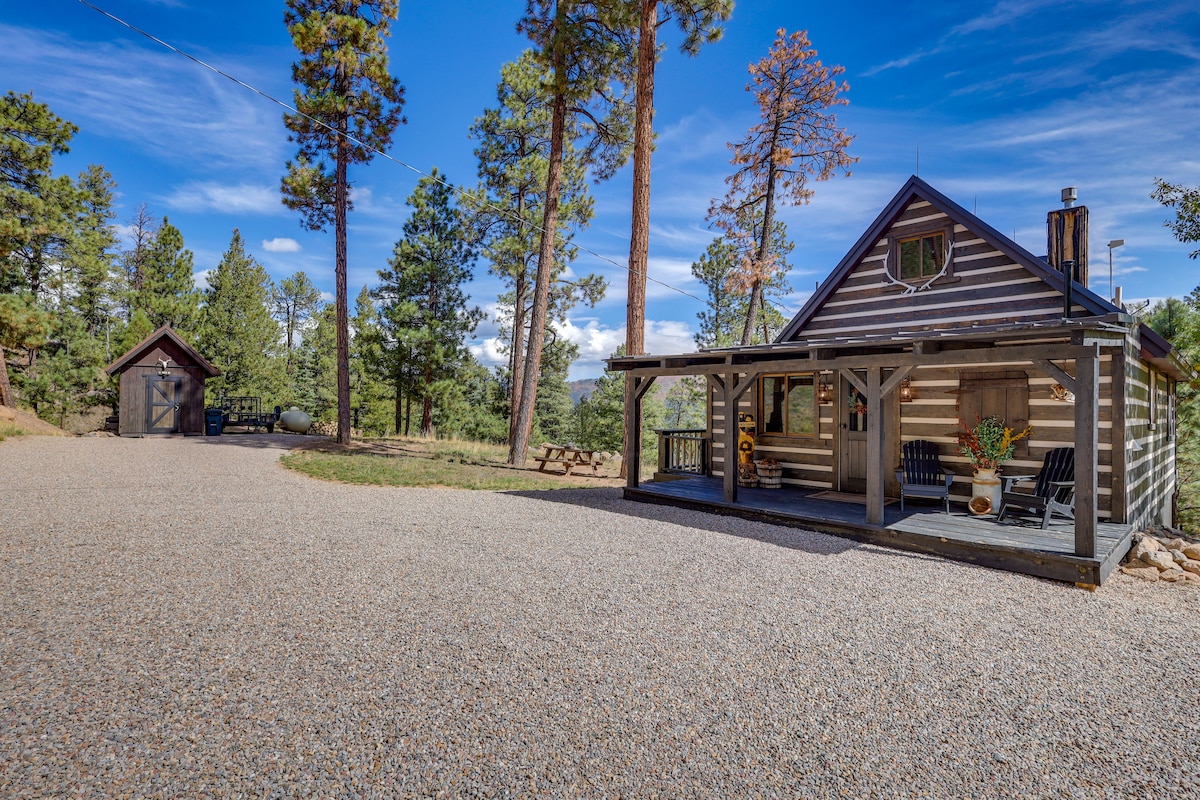
Rental rules vary block by block in this ZIP, and that variance is the single most consequential fact for anyone planning to buy as an income property. A 2021 listing for a property in the Horseshoe Springs subdivision stated plainly that its covenants do not allow Airbnb or other short-term rentals, in order to preserve the neighborhood’s quiet. Other properties elsewhere in the ZIP, outside HOA-governed subdivisions, carry no such restriction and are marketed openly as active rentals. Assuming a covenant based on one listing’s marketing language, rather than the recorded HOA documents, is the most common and most expensive mistake an investor can make here.
Can I run an Airbnb on a Jemez Springs property? It depends entirely on the specific parcel: request the recorded covenants, conditions, and restrictions (CC&Rs) for that subdivision before writing an offer intended for short-term rental use, since a listing description isn’t a legal substitute for the HOA’s own documents.
Who this market suits
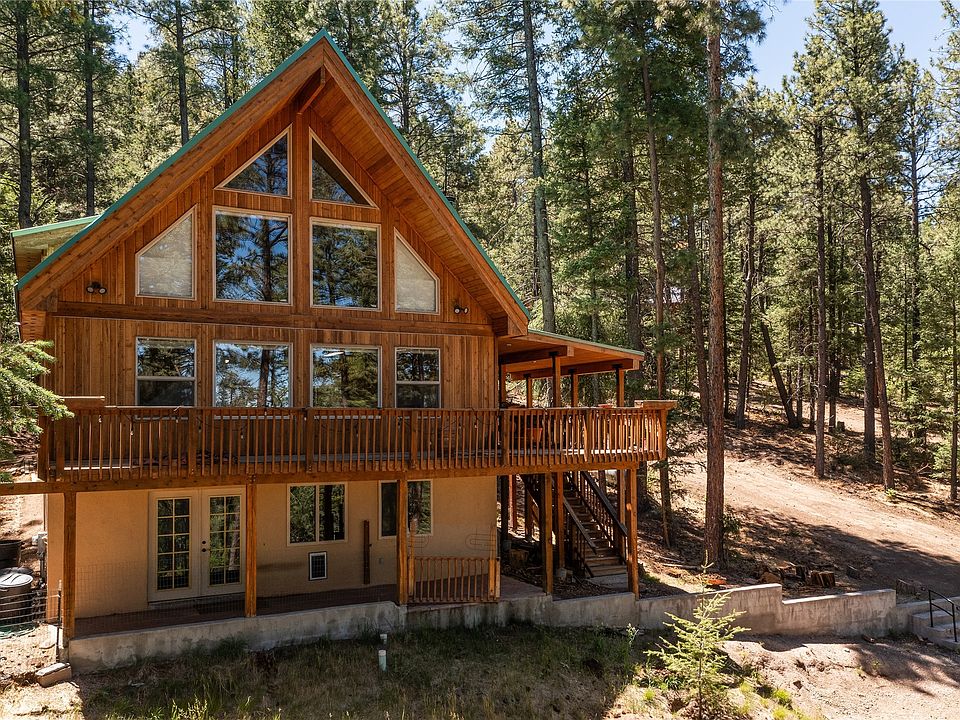
The village sits 38 miles, about an hour’s drive, from Los Alamos National Laboratory, a major regional employer, which helps explain sustained demand for a market this small and rural. Combined with the roughly one-third vacancy rate, the picture is a ZIP split between year-round commuter households and a large seasonal or second-home segment.
| Buyer type | Priority | Avoid |
|---|---|---|
| Year-round owner-occupant | Confirm winter road-maintenance responsibility and the heating system before closing | Assuming a fast recent sale is typical; the trailing-12-month range runs from $295,000 to $950,000 |
| Second-home or weekend owner | Plan for shoulder-season closures and confirm homeowners insurance covers wildfire-restriction periods | Treating the property as fully serviced year-round the way a suburban home would be |
| Short-term rental investor | Obtain the subdivision’s recorded CC&Rs in writing before assuming rental use is allowed | Relying on a listing’s marketing copy as proof that Airbnb use is permitted |
Is buying here a good investment given how many homes sit vacant? A high vacancy share is a signal, not a verdict: it points to a second-home and seasonal-rental market rather than a distressed one, but it also means resale liquidity depends more on the buyer pool for vacation property than on year-round local demand.
Comments