
What a Pool Adds to the Asking Price
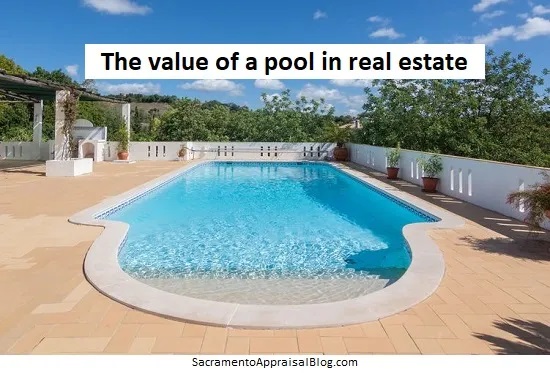
Climate decides more of the value swing than any single decision you’ll make about the pool itself. The identical $60,000 build can add $36,000 to a Phoenix appraisal and add nothing where the swim season runs three to four months.
| Market type | Typical appraised value premium | Source |
|---|---|---|
| National average | 5% to 8% | Opendoor / HomeGuide |
| Sun Belt (FL, AZ, TX, CA, NV) | 7% to 10%+ | HFS Financial |
| Cold-climate, short swim season | Flat to negative | Opendoor |
| Rural, large-lot properties | Muted, small share of total value | Opendoor |
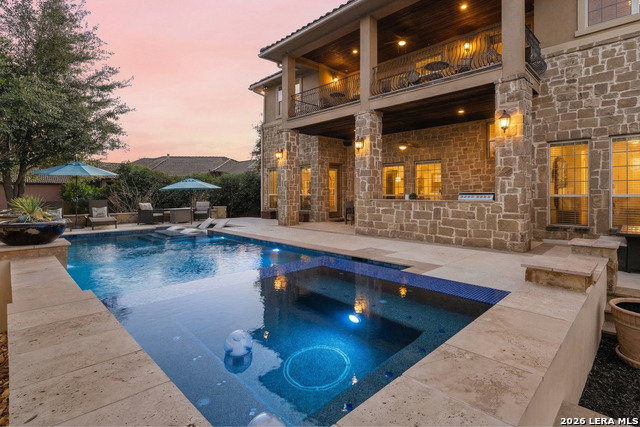
In San Antonio, where the median home price sat near $265,750 in late 2024, a 7% to 10% pool premium works out to $18,600 to $26,575 on a typical resale, according to local appraiser estimates reported by Blue Pool Water.
Does a standard home inspection cover the pool? Usually not. A general inspector may note that a pool exists but typically won’t evaluate its shell, plumbing, or equipment in depth; that’s a separate specialty.
Above-Ground vs. Inground: Only One Type Appraisers Count
| Pool type | Appraisal treatment | Maintenance note |
|---|---|---|
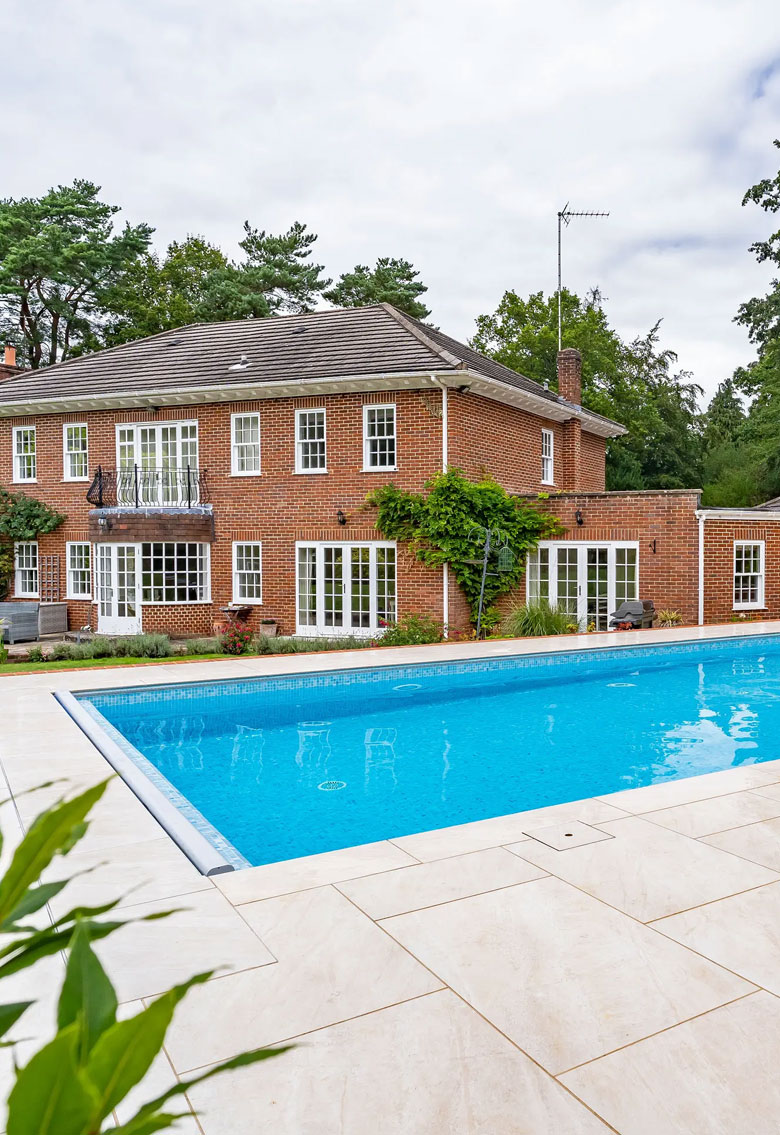
| Concrete / gunite (inground) | Permanent improvement, highest recognition | Acid-washed every 3 to 5 years, resurfaced every 10 to 15 |
| Fiberglass (inground) | Permanent improvement | Fewer chemicals, no resurfacing needed |
| Vinyl liner (inground) | Permanent improvement | Liner replaced every 5 to 9 years |
| Above-ground | Treated as personal property | Little to no appraised value; can narrow the buyer pool |
Above-ground pools are the section of this decision where buyers overpay for a feature the bank won’t credit. If an above-ground pool is part of the pitch, price the home as if it isn’t there and treat the pool as a bonus.
The Inspection You Need Beyond the Standard Home Inspection
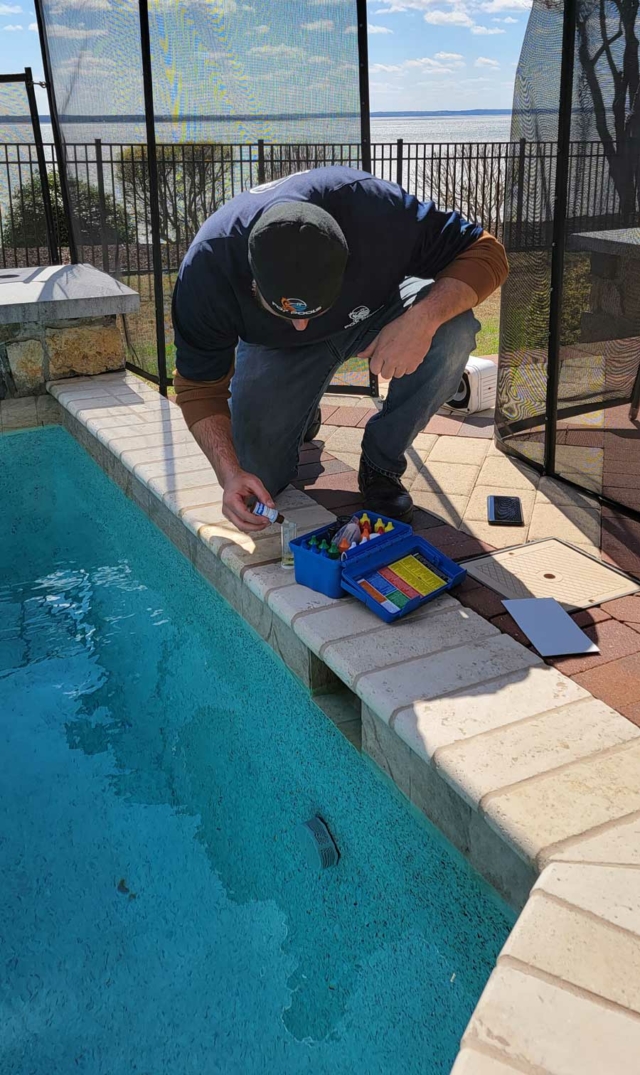
A general home inspector reviews light switches and foundations, not pool plumbing or shell integrity. The National Association of Realtors puts specialty pool inspections at $125 to $250, while Angi’s national data shows an average of $140, ranging $85 to $1,075 depending on pool size and region.
Red flags a specialty inspector checks for:
- Unfilled mastic joint at the coping-to-deck seam: lets water behind the shell, especially damaging where freeze-thaw cycles occur.
- Wet equipment pad or unusually green grass nearby: often signals an underground plumbing leak.
- Bubbles in the return jets: a classic sign of a suction-side leak.
- Rough, sandpaper-textured plaster: usually calcium scaling, a sign of water chemistry neglect.
- Falling water level beyond normal evaporation: confirm with a bucket test comparing pool level to a bucket on the steps over 24 hours.
What the Pool Will Cost You After Closing
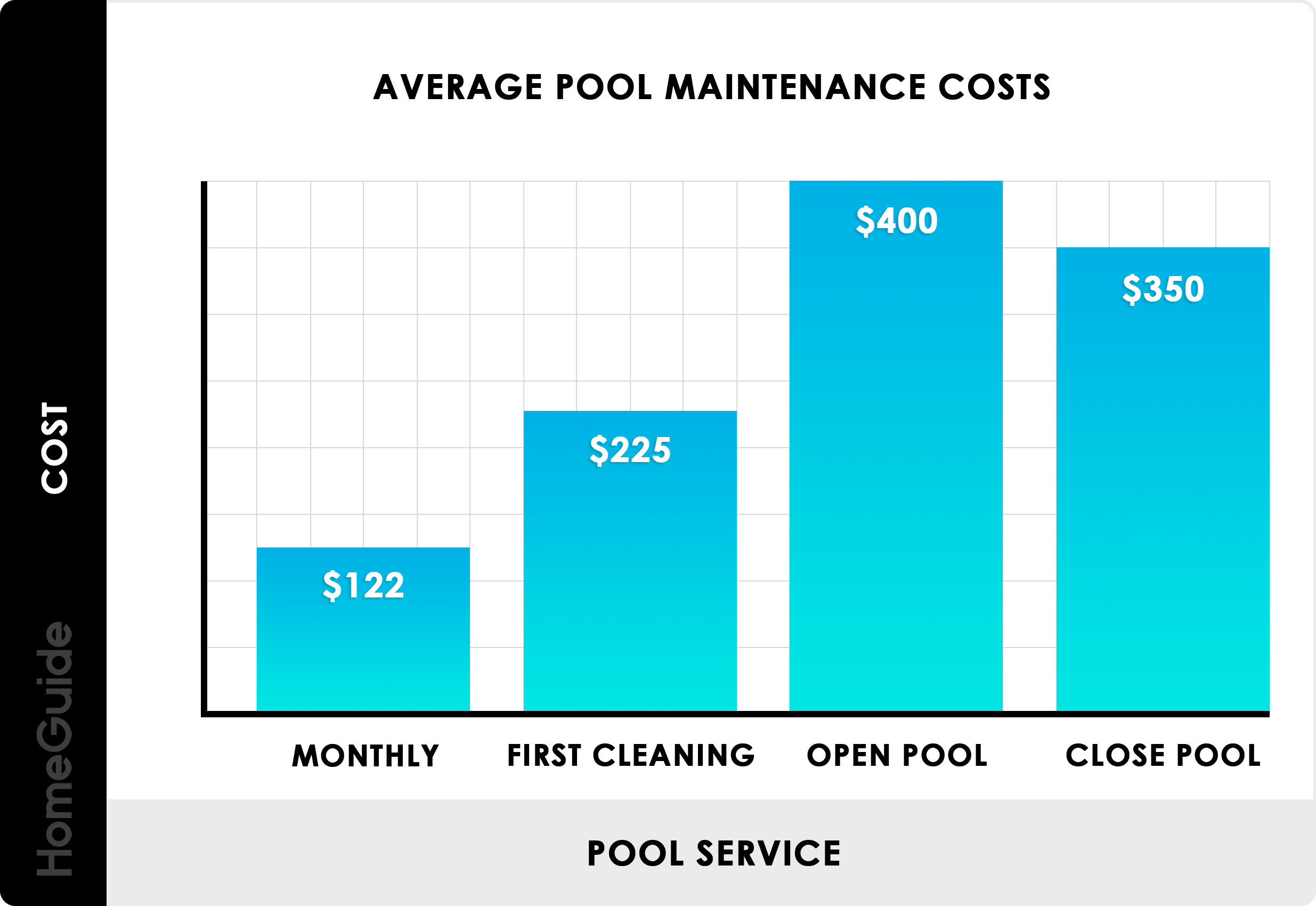
| Cost category | Typical figure | Note |
|---|---|---|
| Homeowners insurance | $50 to $100+/year nationally; 10% to 30% higher in Texas | Liability exposure, not property damage, drives the increase |
| Chlorine chemicals | $300 to $800/year | Traditional systems |
| Saltwater chemicals | $70 to $100/year | Lower long-term cost, higher upfront equipment cost |
| Fencing (if code requires it) | $2,000 to $13,500 one-time | Varies by material and yard perimeter |
Saltwater’s chemical-cost advantage holds up across nearly every price bracket in the data above; a buyer choosing between two similar listings can use system type as a tiebreaker on ongoing cost.
Will my homeowners insurance cover the pool automatically? The structure is usually covered under standard dwelling coverage, but liability limits often need raising, and some insurers require fencing, alarms, or a safety cover as a condition of coverage.
Safety Compliance Isn’t Optional
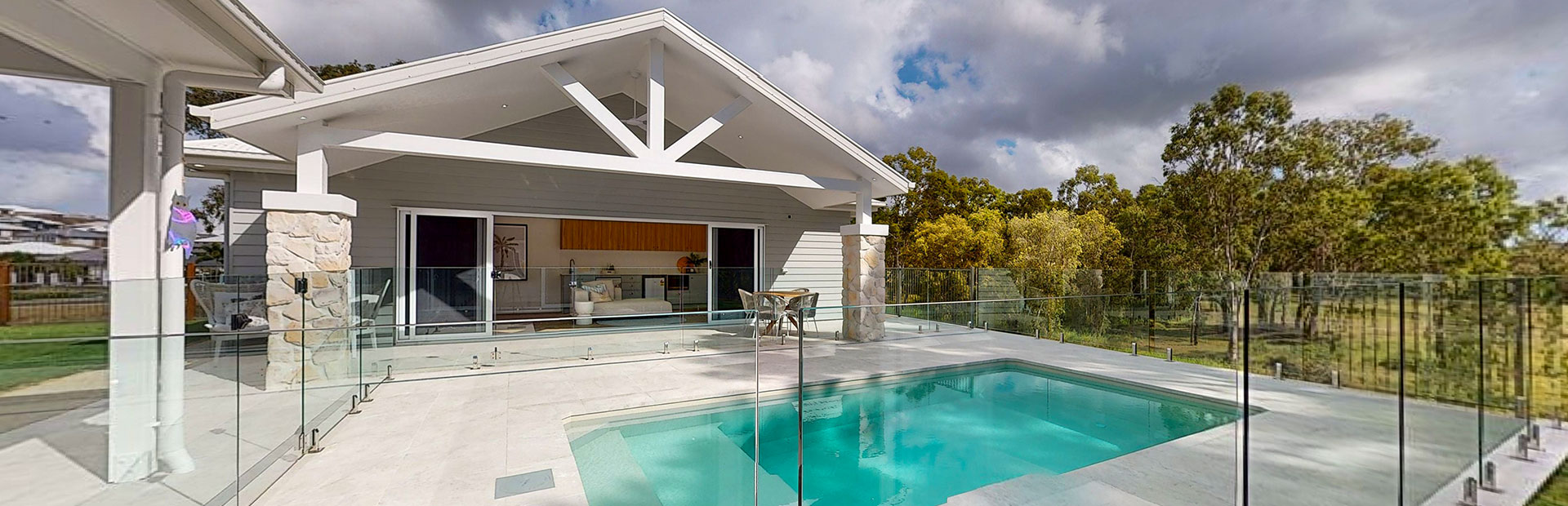
Most jurisdictions require a permanent perimeter barrier, commonly a fence at least five feet high with a self-closing, self-latching gate. California goes further: Assembly Bill 3205 requires pool-safety compliance disclosure before a property transfer, and a professional inspection (45 to 90 minutes, per PoolVerify) plus compliance certificate is typically required by buyers and lenders as a condition of sale even where a formal inspection isn’t strictly mandated by statute. Rules vary by state and municipality; confirm the local code before assuming the seller’s setup already qualifies.
Is a pool fence legally required everywhere? Requirements vary by state and city. California’s AB 3205 is among the strictest, tying compliance disclosure directly to the sale; other states leave barrier rules to local building codes.
Who Buys Pool Homes
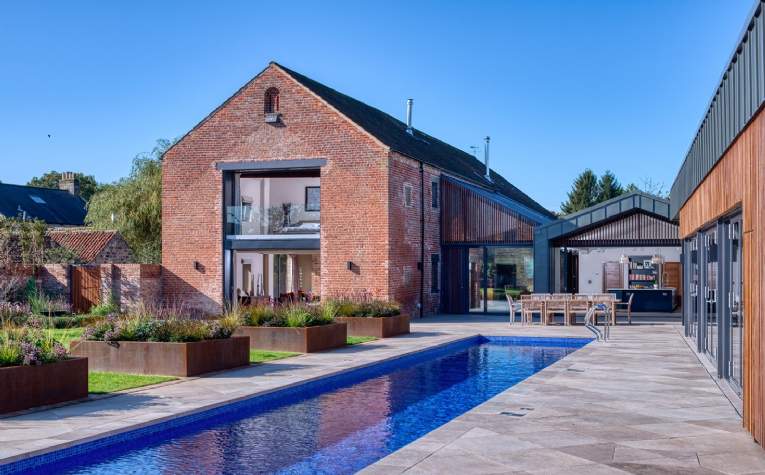
Only 24% of home buyers nationally had children under 18 in 2025, the lowest share the National Association of Realtors has ever recorded in its Profile of Home Buyers and Sellers, per Blue Pool Water’s reporting. A pool once sold primarily on family use now sells more often on lifestyle and entertaining value to buyers without kids in the house.
Negotiating the Price After Inspection
A pool inspection report becomes leverage the moment it’s in hand: sellers typically respond with a repair credit, a price reduction, or an agreement to fix named items before closing. A $10,000 to $15,000 resurfacing estimate, a cracked skimmer, or an undersized pump are the items most often used to renegotiate; cosmetic tile chips rarely move a seller.
What happens if I skip the pool inspection to save money? You inherit whatever the seller didn’t disclose. Structural and plumbing defects that a general inspector misses can run into five figures once discovered after closing.
Do above-ground pools ever justify a higher offer? Rarely. Treat one as a personal-use bonus, not a reason to raise your offer, since most appraisers assign it no credit.
Comments