
Where Great Kills Is and Who It’s For
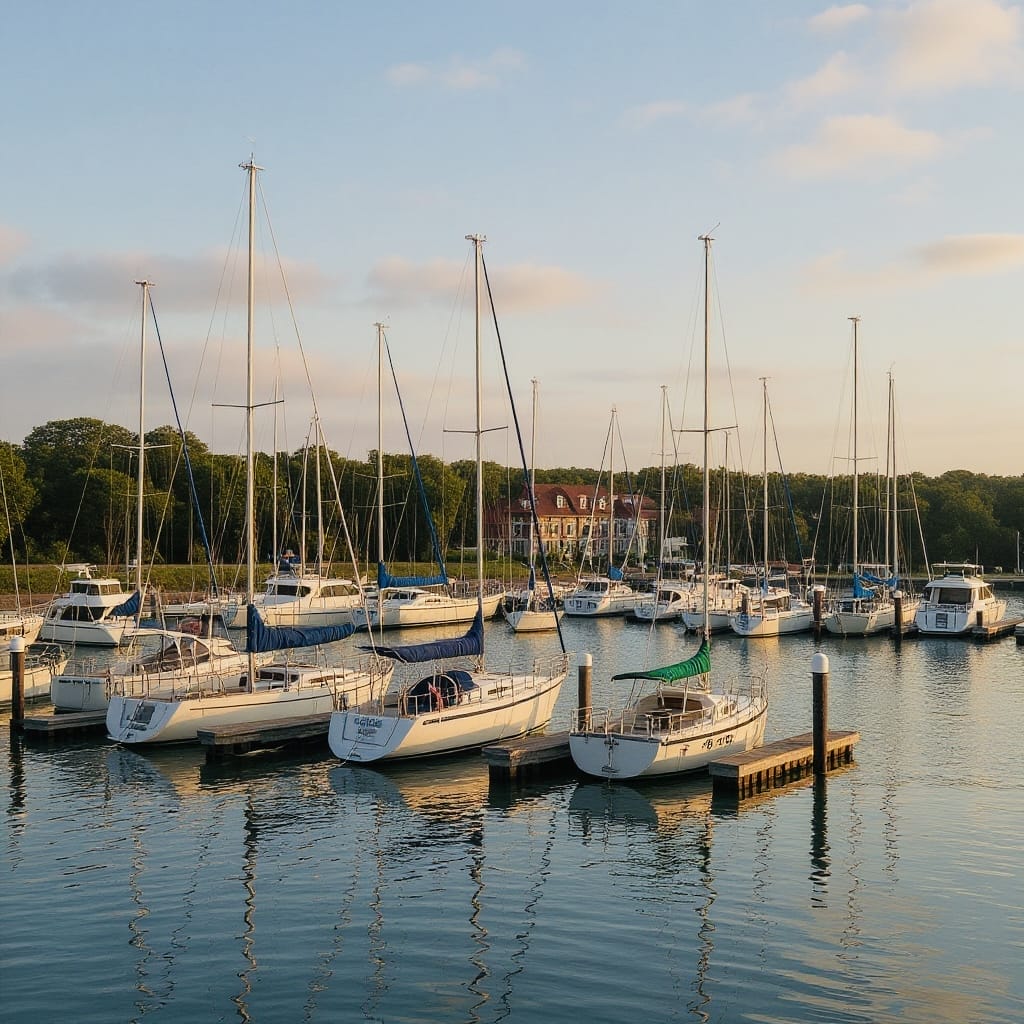
Great Kills sits on Staten Island’s South Shore, bordered by Eltingville, Arden Heights, Bay Terrace, and Richmondtown, with Great Kills Harbor and Lower New York Bay along its southern edge. The area is home to close to 28,000 residents, according to Redfin’s neighborhood data. It suits three buyer types differently: families drawn to District 31 schools and single-family stock, waterfront-adjacent buyers who need to understand flood exposure before falling for a marina view, and investors weighing two-family and semi-attached properties in a zoning pattern built for exactly that density.
What Homes Cost Right Now
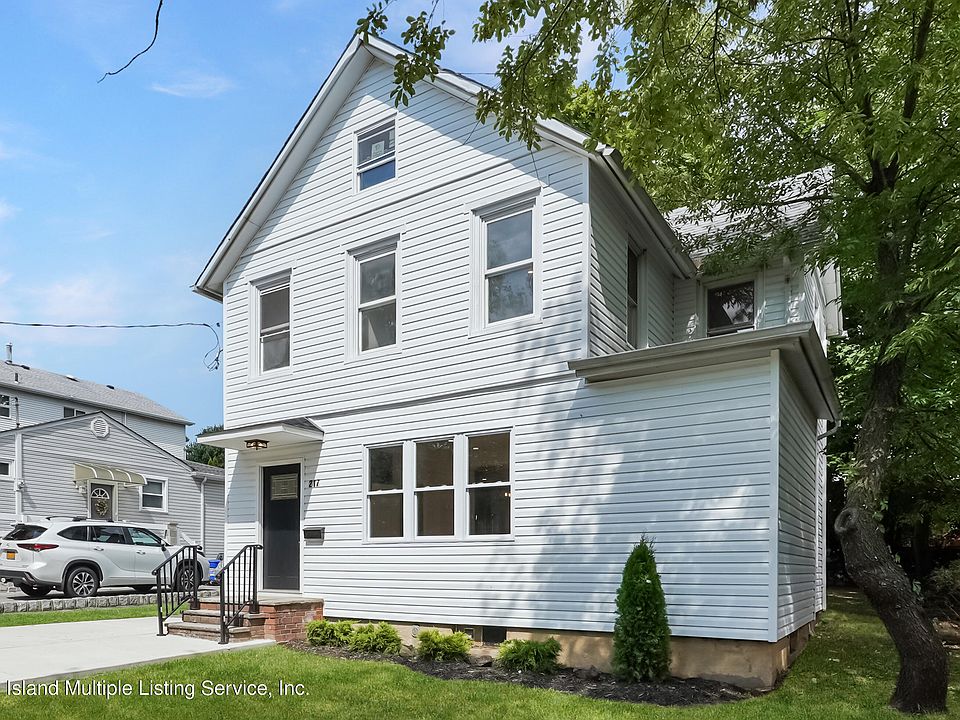
Public, Great-Kills-specific pricing data is thinner than it looks. Redfin’s neighborhood page shows a 38-day median time on market and a $730,000 median listing price among the current luxury-tier listings, which is useful but not the same thing as a median sale price across all property types. No independent, non-brokerage source currently publishes a clean median-sale-price-by-property-type breakdown for Great Kills specifically. That gap is real, and this page states it instead of picking one competing figure to repeat as fact.
| Segment | Figure | What it measures | Source, as of |
|---|---|---|---|
| Luxury-tier listings | $730,000 median | Current asking price, luxury segment only | Redfin, July 2026 |
| Time on market | 38 days | Median days to sale/pending, current listings | Redfin, July 2026 |
| Borough-wide single-family | $780,000 to $900,000 typical band | South Shore single-family sales | Regional market-data aggregation, May 2026 |
| Borough-wide condo | $462,000 to $475,000 median | Staten Island condo closings | PropertyShark market trends, March 2026 |
The one number every current source agrees on: Staten Island overall has an under-three-month supply, which explains fast closings on well-priced single-family homes. It does not tell you the exact figure for a specific Great Kills block, and no reconciled number exists for that yet.
The Commute: What Listings Say vs. What the Data Shows
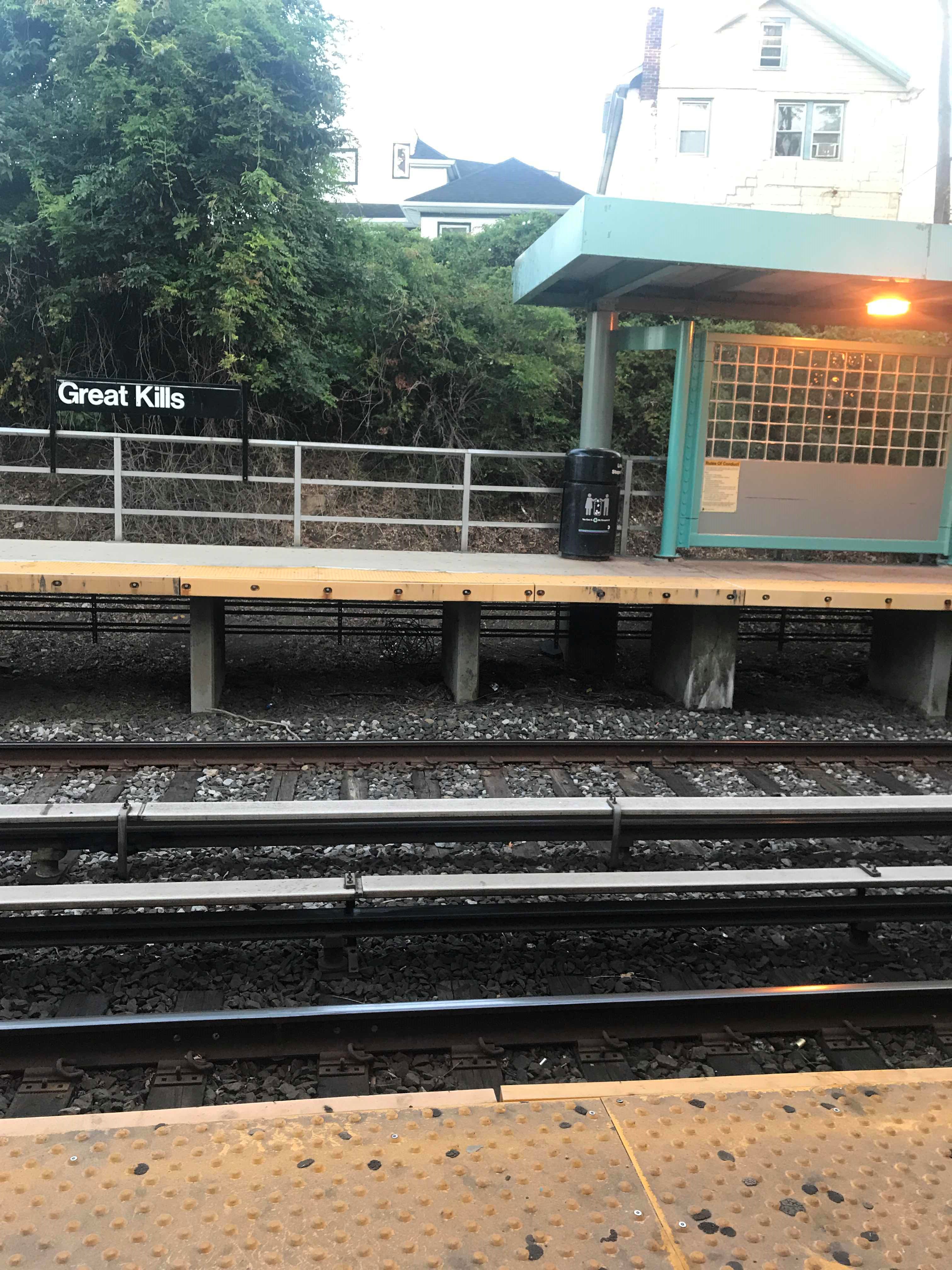
Great Kills sits near the Staten Island Railway’s Bay Terrace and Great Kills stations, with express service to the ferry. Marketing copy for this stretch of the South Shore tends to describe the commute in the 20-to-30-minute range to the ferry terminal. Census-based research tells a more complicated story: the South Shore has the longest average one-way commute of any part of Staten Island, at 45 minutes, and only 22 percent of Staten Island residents commute to jobs in Manhattan at all, versus 52 percent who work within the borough itself, per the Center for an Urban Future’s commuting analysis.
Why do commute estimates for Great Kills vary so much? The 20-to-30-minute figure usually describes the express-train segment from a South Shore station to the ferry terminal alone, not door-to-door travel time to a Manhattan office. Add the ferry crossing, subway or bus connection on the Manhattan side, and walk time, and the realistic one-way total for many commuters lands closer to the borough’s 45-minute South Shore average.
Schools Serving Great Kills
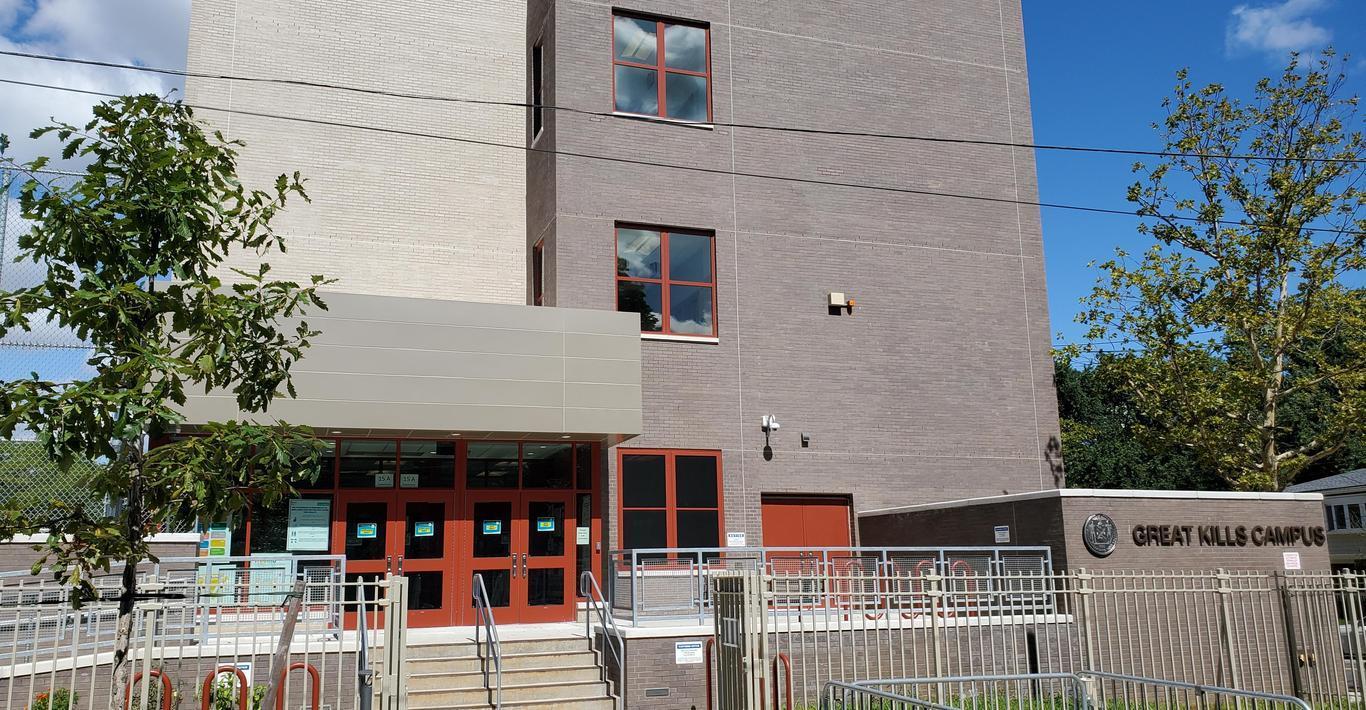
Great Kills falls in NYC Geographic District 31. GreatSchools ratings via Redfin for the immediate area include PS 50 Frank Hankinson, Barbara Esselborn School, and PS 23 Richmondtown, each rated 9 out of 10, with PS 32 the Gifford School at 8 and PS 8 Shirlee Solomon at 7. Enrollment in this district is not based solely on home address, so confirm zoning for a specific street before treating a school rating as guaranteed.
Great Kills Park: Amenity With a Closed Half
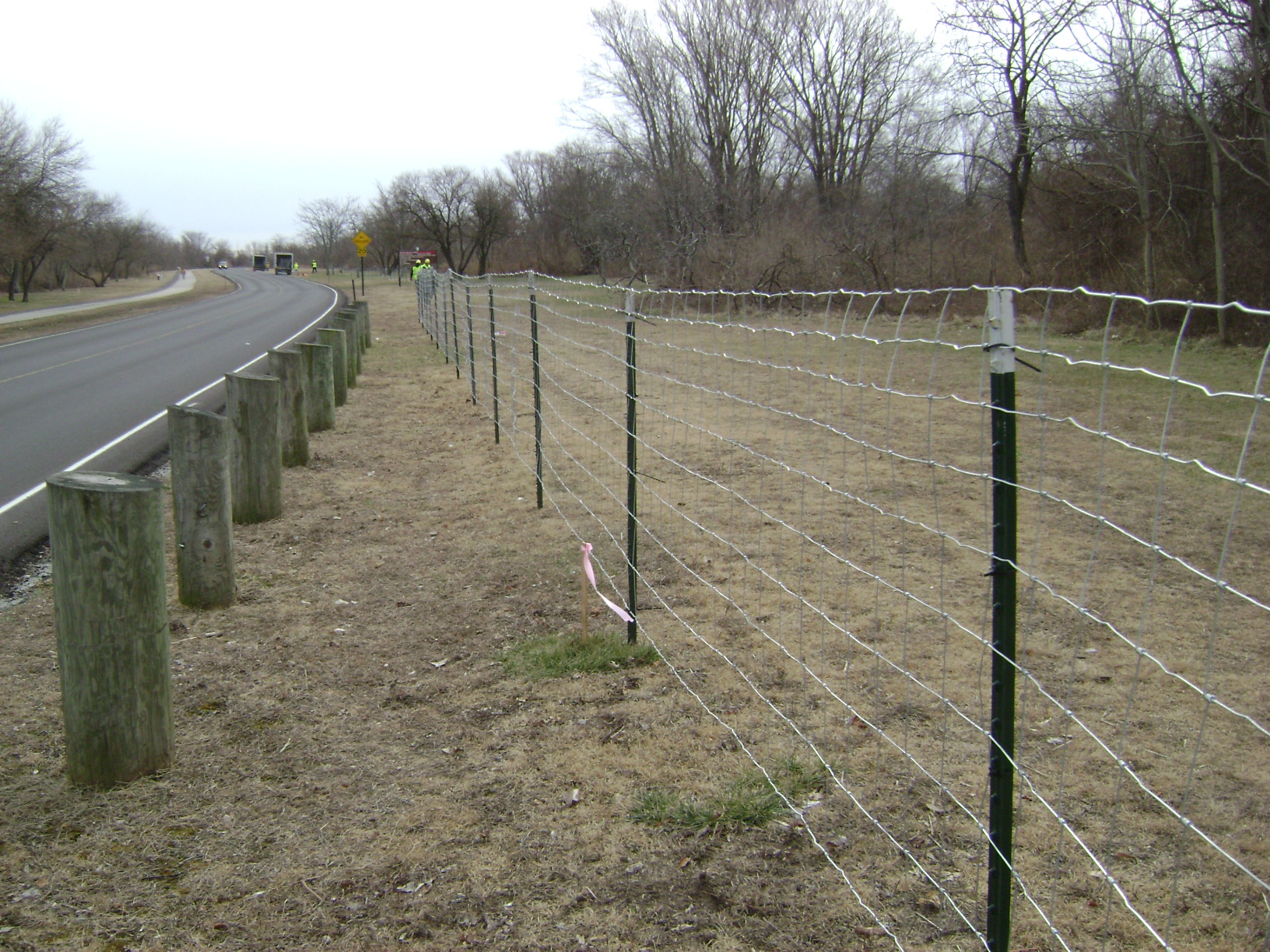
Great Kills Park is the neighborhood’s defining amenity, a beach, marina, and multi-use path along two miles of South Shore waterfront. It is also, right now, only partly open. In 2005 an NYPD aerial radiological survey found elevated radium-226 in the park’s waste-fill soil, material used between 1944 and 1948 to raise the site’s elevation before it became a city park. The National Park Service has since fenced off close to 282 acres of the park’s interior, split into two investigation zones of 43 and 239 acres, while a federal cleanup proceeds. As of the most recent public update, remedial investigations for both zones are complete and a sitewide feasibility study is underway; the beach, marina, boat launch, and Buffalo Road multi-use path remain open to the public throughout.
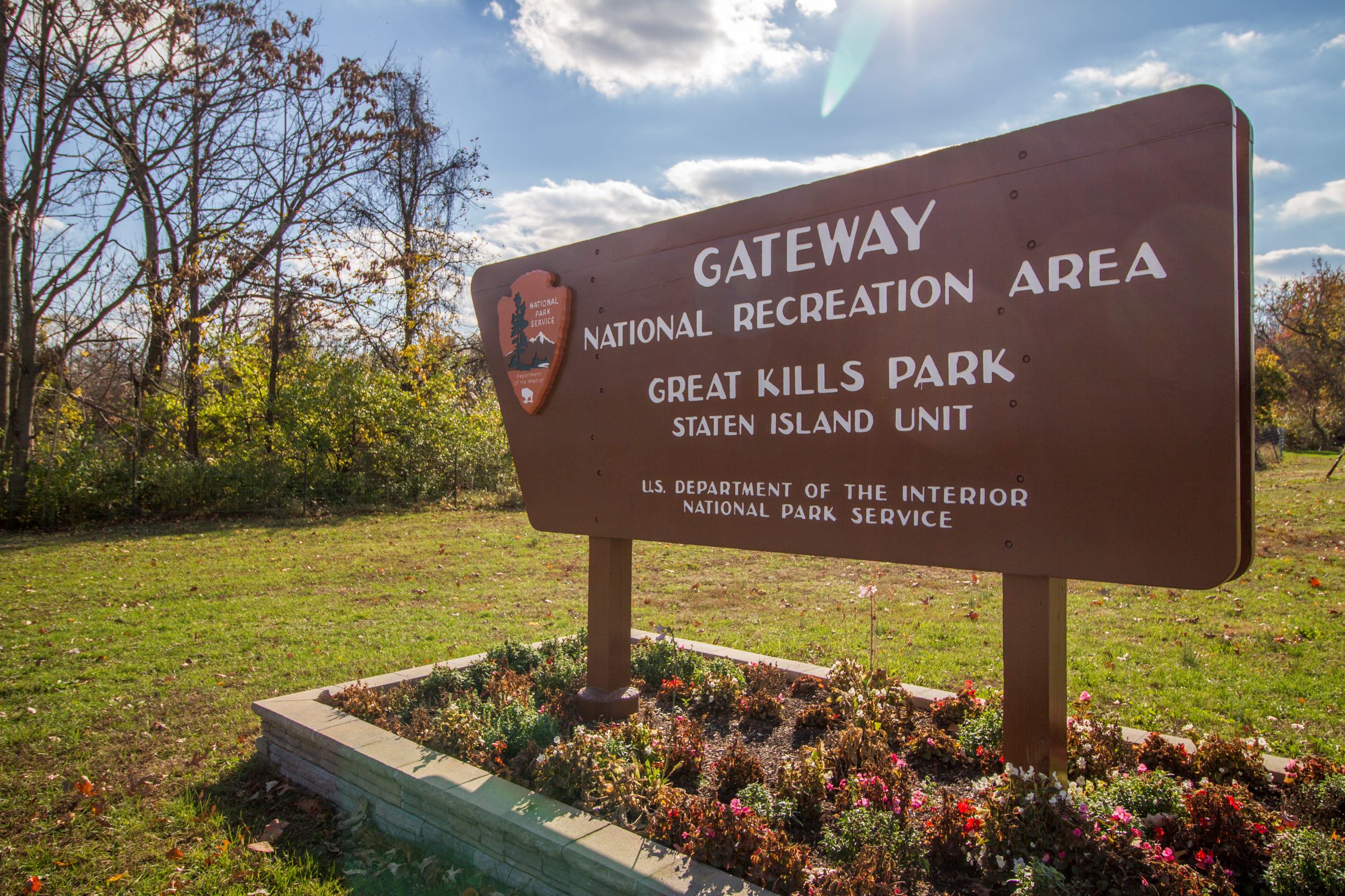
Is part of Great Kills Park actually closed? Yes. About 282 of the park’s roughly 580 acres have been fenced off since the mid-2000s due to radium-226 contamination in old landfill material, and the interior remains closed while a federal cleanup investigation continues. The beach, marina, and main walking path are unaffected.
The park has one other distinction worth knowing if you care about neighborhood trivia: on May 14, 1933, a group of amateur rocket enthusiasts held the first public rocket launch in the United States here, sending a small rocket about 250 feet into the air before its oxygen tank burst. The American Institute of Aeronautics and Astronautics designated the site a Historic Aerospace Site in 2006.
Before You Buy: Flood Zone and Property Tax
Two cost variables get less attention in most neighborhood write-ups than they deserve.
Flood zone. New York City’s flood maps use five zones – VE, AE, AO, A, and X – with a Base Flood Elevation figure attached to properties in the higher-risk categories. Significant portions of Staten Island’s western and eastern waterfront, which includes stretches near Great Kills Harbor, fall into these higher-risk zones, according to a CityRealty flood-zone analysis. Zone status is parcel-specific, not neighborhood-wide, so check any address directly through NYC’s flood zone finder before assuming either way; a home three blocks from the water can sit in a different zone than one facing the harbor.
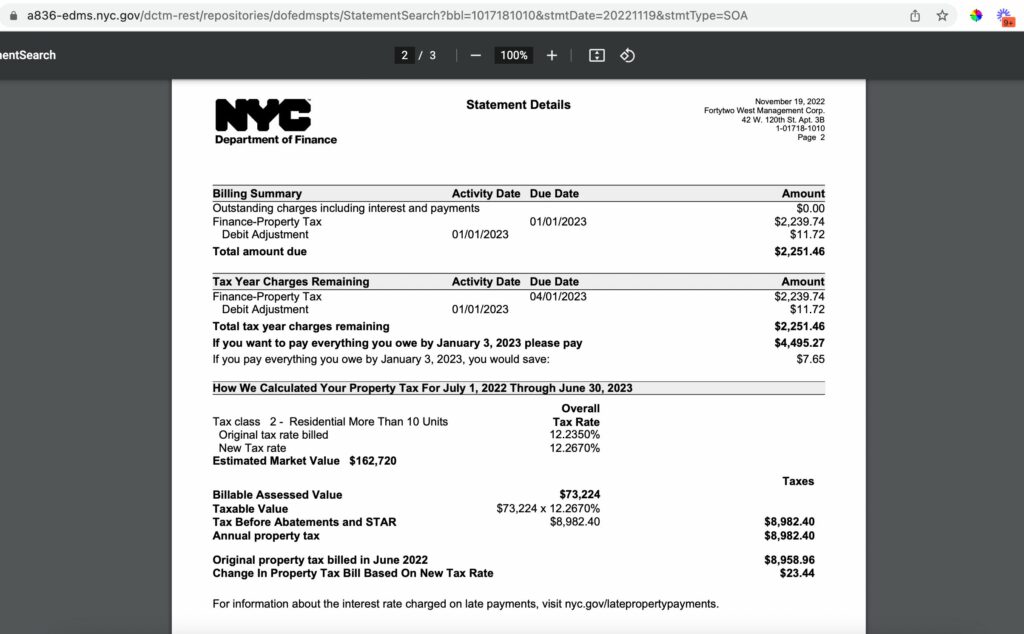
Property tax. New York City taxes Class 1 properties (one-, two-, and three-family homes) at 19.843 percent for fiscal year 2026, but that rate applies only to the assessed value, which state law caps at close to 6 percent of market value for Class 1 homes, with annual assessment growth limited to 6 percent a year and 20 percent over five years, per an explainer citing NYC Department of Finance data. That combination brings the effective tax burden on a typical Class 1 home to an estimated 1.2 percent of market value before any exemptions.
| Market value | Target assessed value (~6%) | FY2026 gross tax before exemptions |
|---|---|---|
| $700,000 | ~$42,000 | ~$8,334/year |
| $800,000 | ~$48,000 | ~$9,524/year |
| $900,000 | ~$54,000 | ~$10,715/year |
This is the unabated baseline. Most owner-occupants qualify for at least one reduction: Basic STAR, Enhanced STAR for seniors, or the Senior Citizen Homeowners’ Exemption, each of which lowers the real bill below these figures.
What would property tax be on a $700,000 Great Kills home? An estimated $8,334 a year before exemptions, based on the FY2026 Class 1 rate of 19.843 percent applied to a target assessed value near $42,000, about 6 percent of market value. STAR or other qualifying exemptions reduce this.
Condos and Co-ops: What’s Published and What Isn’t
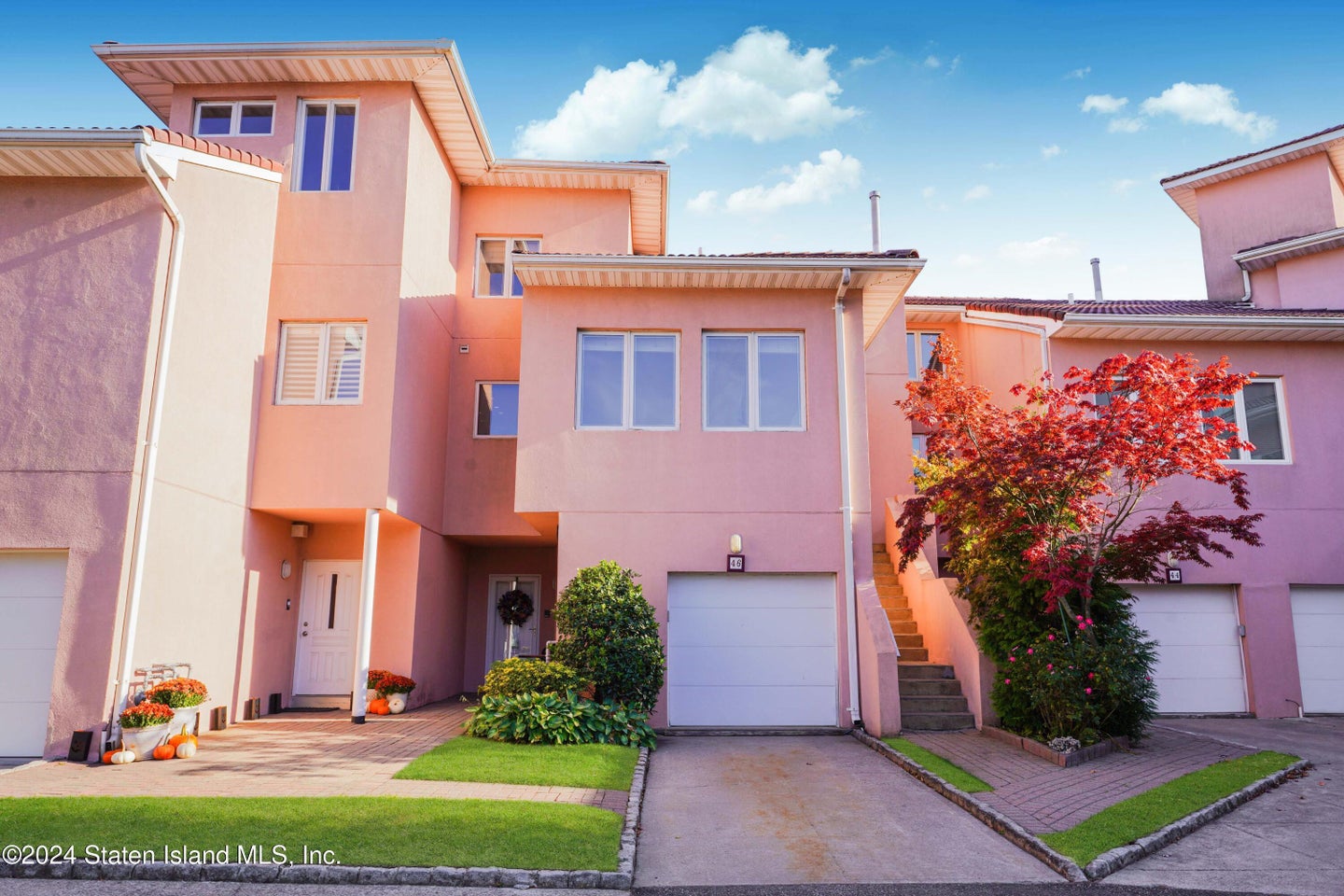
Several named complexes come up repeatedly in Great Kills real estate listings, including Port Regalle, Avon, Armstrong Gardens, and buildings on Barlow Street. What’s harder to find: published HOA or maintenance-fee ranges for any of them. These figures live in condo offering plans and co-op board disclosures, not on open web pages, and no verifiable public source currently lists them by complex. If a specific building matters to your decision, request the maintenance-fee history and reserve-fund statement directly from the listing agent or managing agent before making an offer.
Are HOA fees published for the Great Kills condo complexes? Not in any publicly accessible source found for this guide. Request the current maintenance-fee schedule and reserve-fund statement directly from the building’s managing agent as part of due diligence.
Investing Here: Yield and Why the Lots Look Like This
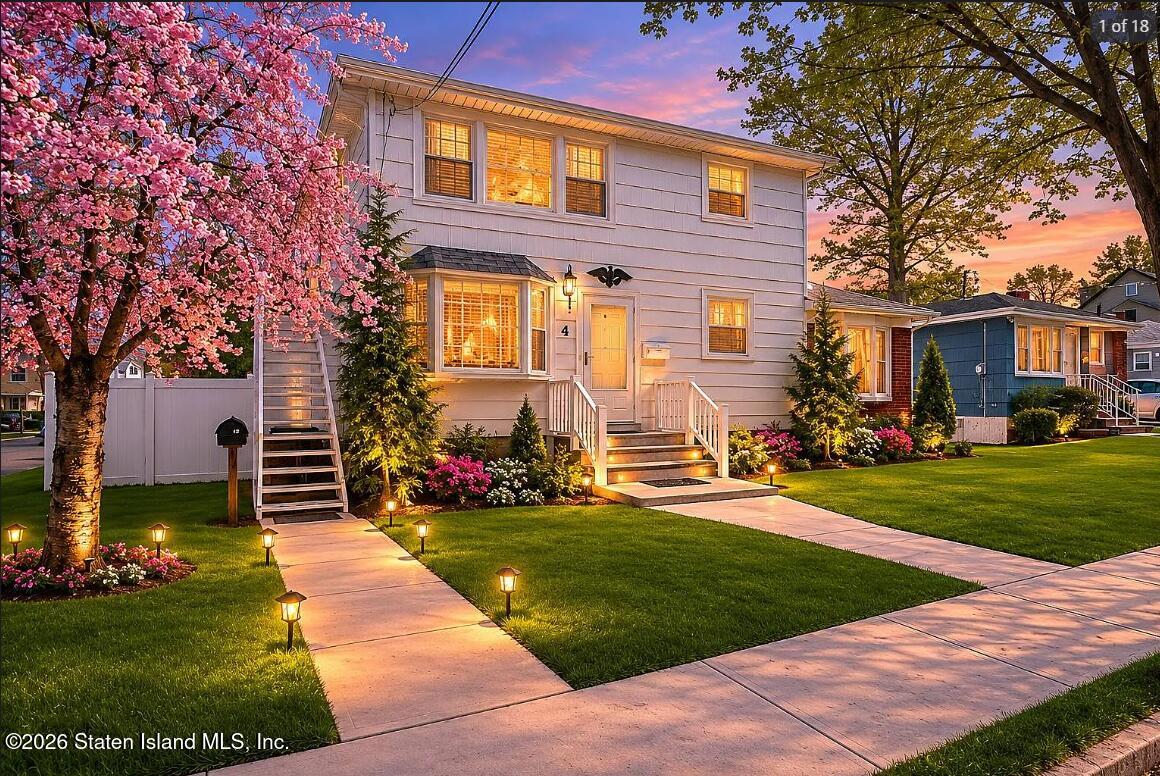
Much of Great Kills sits in an R3-1 zoning district, a low-density classification that permits semi-detached one- and two-family homes on lots as narrow as 18 feet wide, with a maximum lot coverage of 35 percent. That’s the direct planning reason the neighborhood’s housing stock leans so heavily toward semi-attached and rowhouse-style construction, rather than the fully detached lots typical of some other South Shore pockets.
For yield, the specifics get thinner. Staten Island’s borough-wide median rent runs close to $2,800 to $2,900 a month across unit types as of 2026, but no Great-Kills-specific rent-comp data from a non-brokerage source surfaced for this guide. Applying the borough median against a two-family purchase price in the $800,000-to-$950,000 range, a band multiple current two-family listings in Great Kills fall into, produces an estimated gross yield in the 3.5-to-4.5-percent range before taxes, insurance, and vacancy.
Is Great Kills a good rental investment? The zoning supports two-family stock and the borough’s rents are stable, but no neighborhood-specific rent-comp data confirms yield beyond a rough estimate. Get an actual rent roll or comparable-unit data for the specific property before underwriting a purchase.
How It Compares to Eltingville, Bay Terrace, and Annadale

| Neighborhood | Median list price | Source, as of |
|---|---|---|
| Great Kills | $730,000 (luxury tier) | Redfin, July 2026 |
| Eltingville | $753,500 | Redfin, July 2026 |
| Bay Terrace | $747,444 | Redfin, July 2026 |
| Annadale | $1,237,000 | Redfin, July 2026 |
Annadale runs well above the other three, largely reflecting its larger-lot, more suburban housing stock. Great Kills, Eltingville, and Bay Terrace cluster within about $25,000 of each other.
A Note on the Name
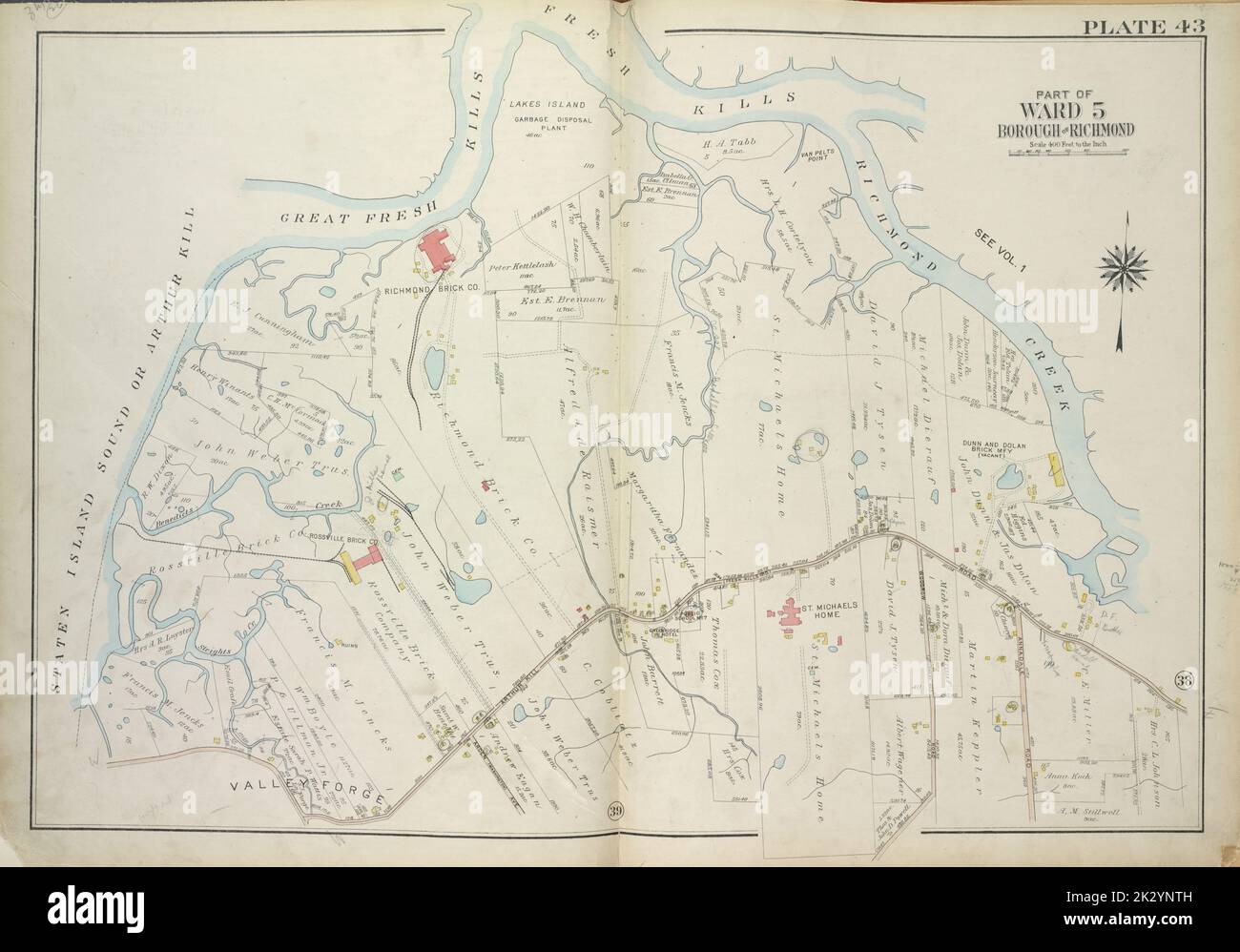
Great Kills takes its name from the Dutch word “kille,” meaning channel or waterway, a naming pattern repeated across several Staten Island shoreline communities. Beyond that, the specific settlement history circulated on real estate sites traces back to shared template copy rather than a verifiable primary or archival source.
Comments