
The 24328 ZIP covers more ground than the village center
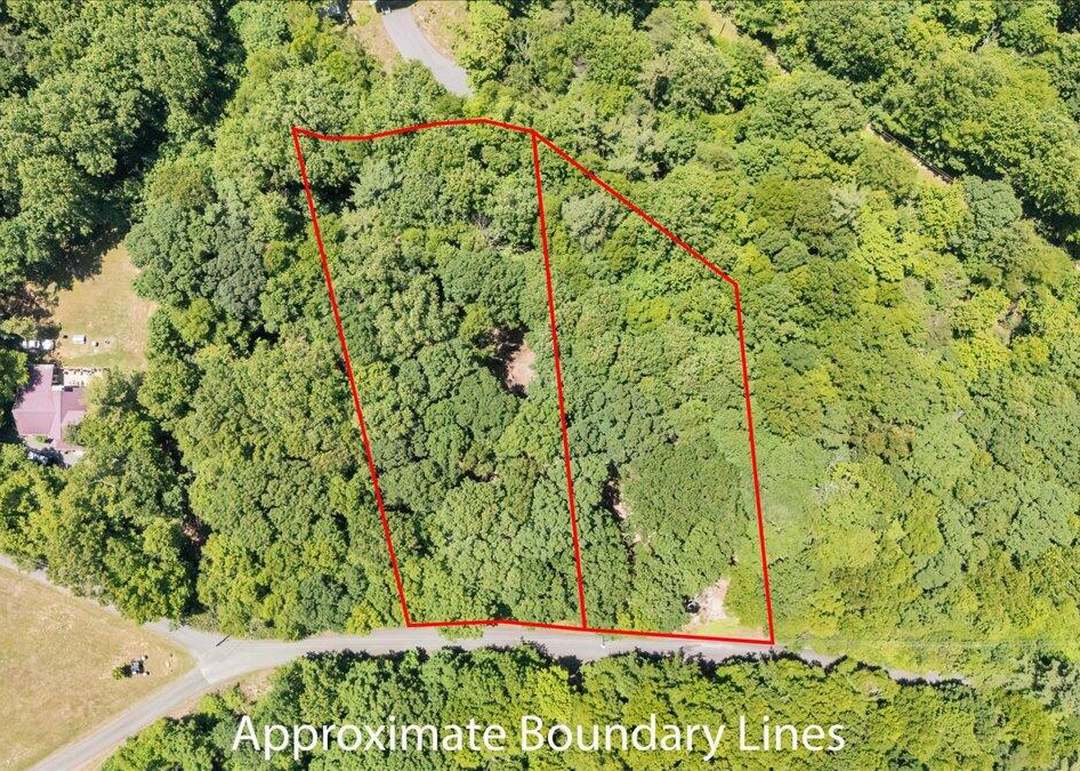
“Fancy Gap” markets itself as a single small town, but Homes.com’s own local-guide page tags the area under two ZIP codes, 24328 and 24343 (Hillsville), and the community sprawls across ridgelines, golf-course subdivisions, and scattered acreage rather than sitting in one walkable core. A buyer searching “24328” may be comparing a gated golf community, a quiet 2,700-foot residential ridge, and sixty acres of unrestricted timberland, all inside the same ZIP boundary. School zone, road maintenance, and even which utility, if any, reaches the lot can differ by subdivision rather than by ZIP code.
Does the 24328 ZIP code match the town of Fancy Gap?Not exactly. Homes.com’s own city-guide listing spans both the 24328 and 24343 ZIPs, and the area functions as a collection of named subdivisions and rural parcels rather than a single bounded town, so the same ZIP can mean very different daily-life conditions from one lot to the next.
Who buys here, and why the vacancy rate matters
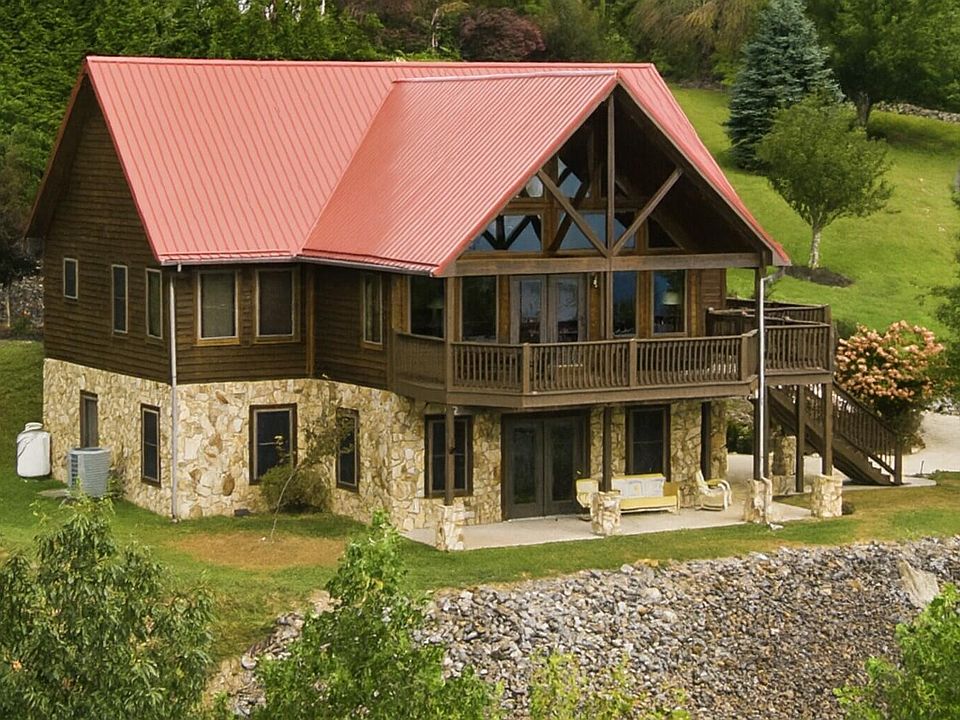
A local agent quoted by Homes.com estimates that roughly 95% of Fancy Gap’s home sales go to out-of-state buyers, mostly from nearby North Carolina cities, and that estimate lines up with harder data: NeighborhoodScout’s Census-tract analysis puts the area’s vacancy rate at 33.4%, higher than 96.5% of U.S. neighborhoods, and Long & Foster’s own market page separately reports 33% vacant against 54% owner-occupied and 13% rented. Two independently sourced figures landing within a rounding error of each other is a stronger signal than either alone.
For a buyer, that shapes underwriting before you fall for a listing: second-home and seasonal-occupancy patterns affect how insurers price a policy, how lenders classify the loan (second-home versus investment versus primary-residence terms), and how liquid the property stays at resale.
Land or house: two different purchases
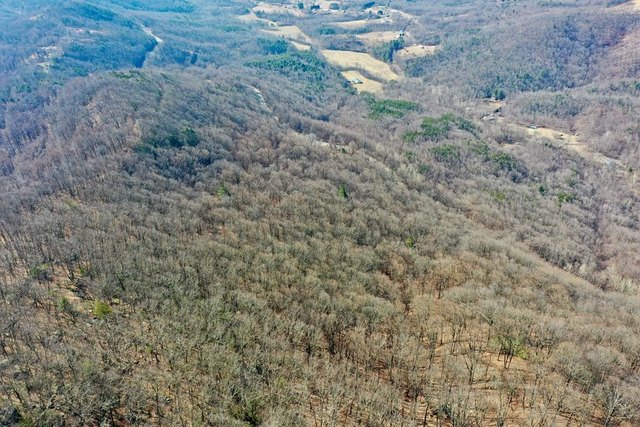
Vacant land makes up a large share of active 24328 listings, not houses, and the two purchases run on completely different financing rules.
Financing raw and unimproved land
Conventional mortgages don’t cover land without a structure on it. Rocket Mortgage’s lending guidance splits land into three tiers: raw land (no utilities, no road access) typically needs the largest down payment and carries rates roughly 1 to 3 percentage points above a conventional mortgage; unimproved land sits in the middle; and improved land, with utilities and road access already in place, gets the most favorable terms of the three. Credit unions summarizing the applicable federal banking standard put the regulatory floor for undeveloped-land loans at 35% down. For a buyer targeting one of the many 60-plus-acre unrestricted tracts advertised in this ZIP, that means budgeting a down payment several times larger, proportionally, than a house purchase would require. One alternative worth checking before assuming a conventional path is closed: USDA’s land-and-construction loan program covers qualified rural areas under 35,000 population, which this ZIP meets, for income-eligible buyers planning to build a primary residence, and can require no down payment at all.
Perc tests, road frontage, and easements
Before financing even enters the picture, an unimproved parcel needs its own due diligence. A percolation test determines whether the soil can support a septic drain field at all; without one, a lender may decline to finance construction regardless of the buyer’s credit. Listings for “unrestricted” land in this ZIP mean no zoning controls what a neighboring parcel becomes later, which protects a buyer’s own building flexibility and removes any protection against what gets built next door. Road frontage and shared-easement access matter just as much on a rural tract where the county does not maintain every road inside a subdivision.
Can I get a conventional mortgage on unrestricted land here?No. Conventional mortgages require an existing habitable structure as collateral. Vacant land, restricted or unrestricted, is financed through a separate land loan or a USDA construction-to-permanent loan, both with different down payment and term rules than a home mortgage.
Utilities you can’t assume are there
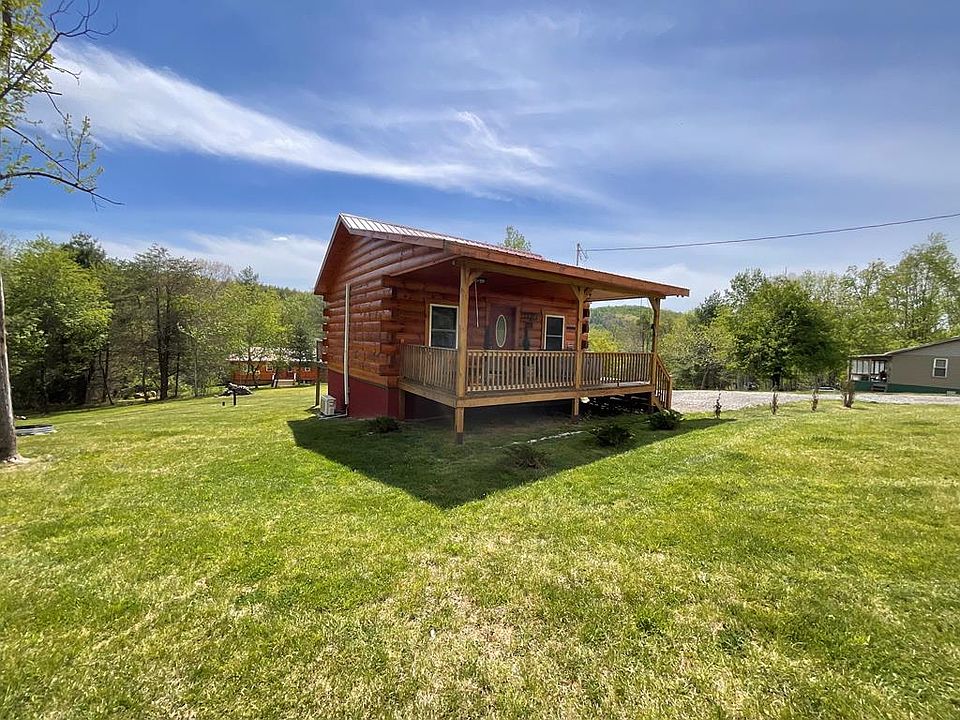
Carroll County’s Public Service Authority operates county water and sewer infrastructure and serves roughly 4,300 customers countywide, but coverage inside 24328 is uneven rather than universal. One active listing on Alpine Way shows a public water source paired with a private septic tank on the same parcel, a reminder that public water and public sewer aren’t a package deal here; a lot can have one, both, or neither. Outside the subdivisions with a shared community water system, well and septic remain the practical default, and buyers should verify both, separately, for any specific parcel rather than assuming either from listing photos.
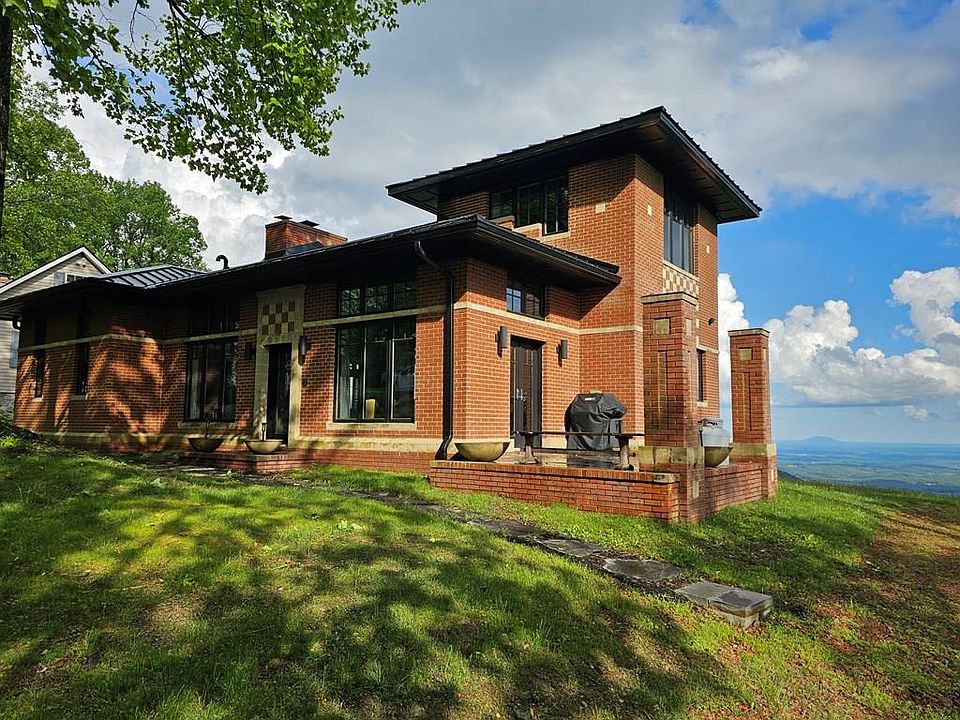
Virginia is a caveat-emptor state for property condition: under the Virginia Residential Property Disclosure Act, the seller makes no representations about a wastewater system’s presence, type, or maintenance history, and the buyer is expected to investigate independently before settlement. That default shifted somewhat as of July 1, 2025, when Virginia’s HB 2671 took effect: it requires that any septic inspection performed as part of a sale be conducted by a licensed Onsite Sewage System Professional under a written contract, with a report delivered within 10 business days, per the Virginia REALTORS® FAQ on the law. The law does not require every sale to include a septic inspection; it only sets standards for inspections when one is performed or contractually required.
Is most of Fancy Gap on county water and sewer?No. Public Service Authority infrastructure reaches only part of Carroll County, and even where public water is present, sewer is often still handled by an individual septic system, so verify each utility separately for any given parcel rather than assuming both from one listing detail.
Subdivisions compared
| Community | Gated | Core amenity | Published dues | Notable rule |
|---|---|---|---|---|
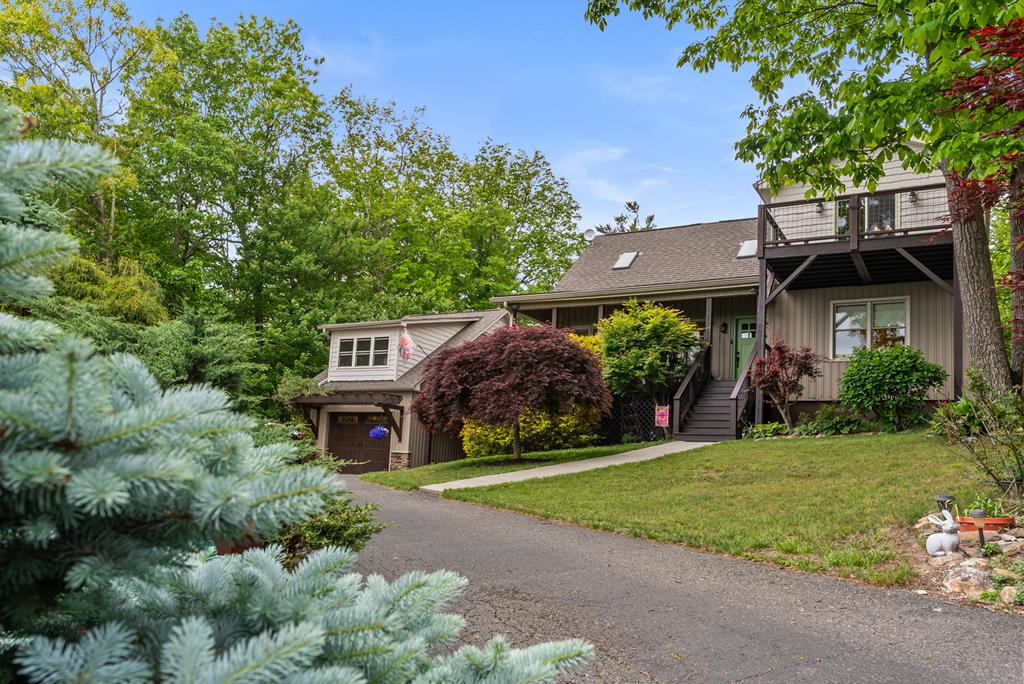
| Skyland Lakes | No, no membership required to live there | 18-hole public golf course, private lakes | $450/yr on improved lots; $250/yr on land-only lots, per individual listings | Golf access open to non-residents too |
| Cascade Mountain Resort | Yes, gate card required | Pool, tennis, horse stables, 400+ acres of trails | Not published in the sources reviewed | Access controlled at a gate |
| Dogwood Estates | Yes | Mountain views into North Carolina | Not published in the sources reviewed | Modular or single-family homes both permitted |
| Alpine Crest | Not stated in sources reviewed | Quiet residential setting near the Parkway | Not published in the sources reviewed | Sits at roughly 2,700 feet elevation |
| High Chaparral | Not stated in sources reviewed | Wooded cabin lots | Not published in the sources reviewed | Multiple listings sit on 3-lot assemblages |
Dues figures that appear only inside a single active listing, like Skyland Lakes’ $450/$250 split, reflect what that seller’s agent disclosed for that lot, not a verified association budget; ask the subdivision’s property owners’ association directly for the current schedule before writing an offer. Where no dues figure turned up in any listing or association material, the honest answer is that it isn’t published anywhere checkable, not that it’s zero.
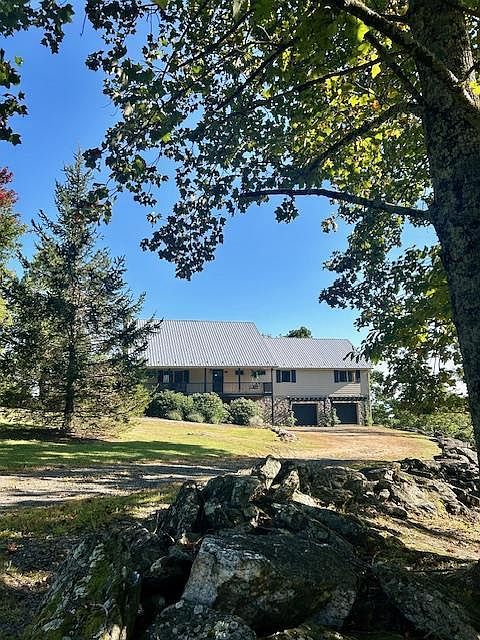
One listing captures the elevation-and-access question concretely: 352 Dogwood Ridge, a 4-bedroom, 2-bath house on the market for $650,000, sits at 2,805 feet, well above the area’s already-elevated average, and combined with the area’s 45 inches of annual precipitation and 7 inches of average snowfall, a private mountain road at that height can mean a longer, harder winter commute than the same distance would suggest on a map. Ask who plows the specific road before assuming it happens automatically.
Schools, briefly

Fancy Gap Elementary carries a 9-out-of-10 GreatSchools rating, verified directly on GreatSchools’ own school page rather than through a portal’s cached copy. Carroll County Middle School and Carroll County High School both carry a GreatSchools rating of 6, with letter grades of B and B-minus respectively on the aggregated scores Homes.com displays. That’s a meaningful academic step down between elementary and secondary, worth factoring in for families planning to stay through a child’s teenage years rather than just the early grades.
Getting in and out
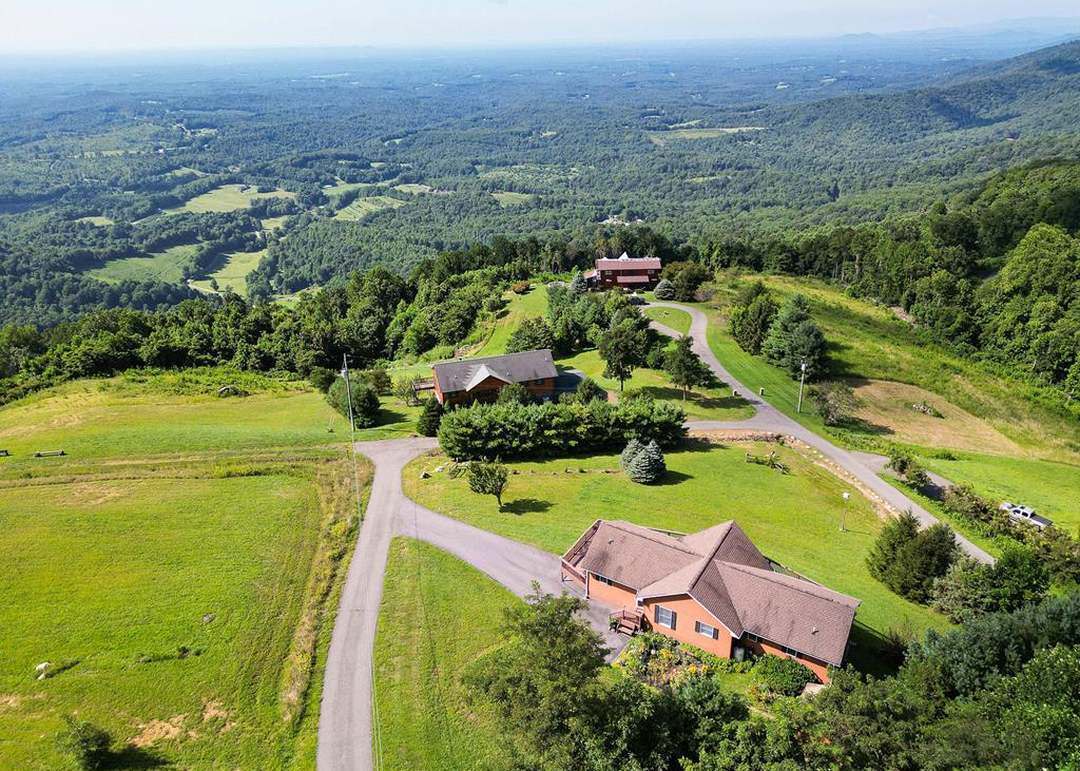
Homes.com’s Local Logic data scores the area 10 out of 100 for walkability and 10 out of 100 for bikeability, about as low as the scale goes. Route 52 and I-77 are the two working arteries in and out. There is no meaningful public transit here.
Does anyone commute to a city from here?Not in meaningful numbers. NeighborhoodScout’s employment data shows an unusually high concentration of residents in manufacturing and labor occupations rather than office or professional work, consistent with a local, non-commuting workforce.
Reconciling the median price figures
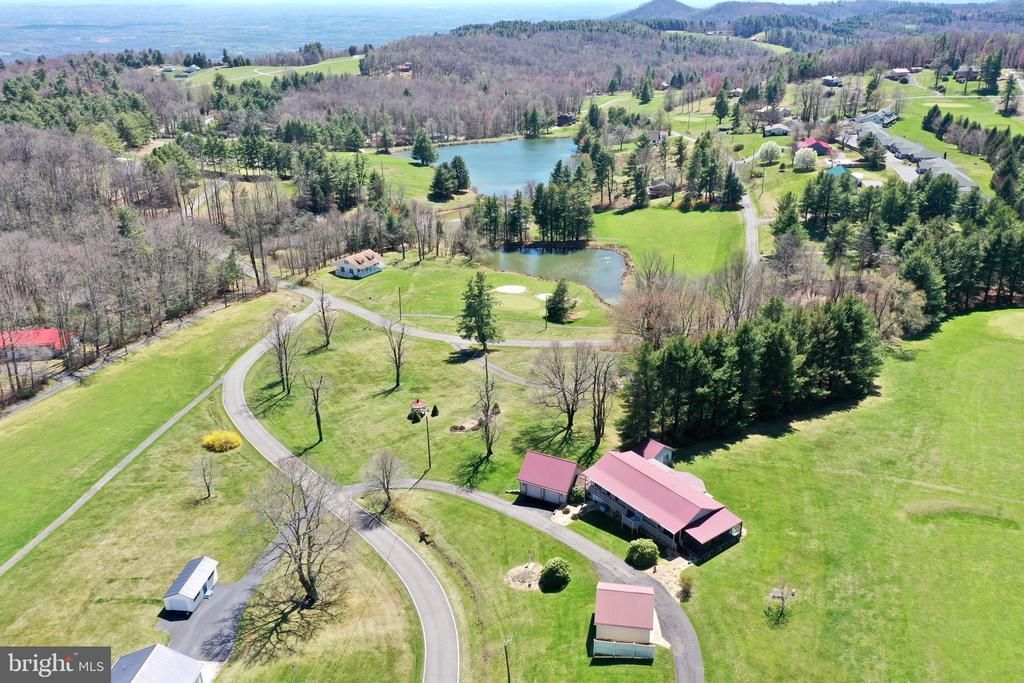
Four different sources, checked directly rather than taken from a single aggregator, give four different numbers for the “median” price of a home in this ZIP: Homes.com’s own local-guide page states a $379,950 median sale price over the trailing 12 months; Homes.com’s separate main listings page for the same ZIP states $349,900; Movoto’s May 2026 snapshot lists a $344,000 median list price; and Long & Foster’s market page puts the average sold price at $287,500. Two of those four figures come from the same domain and disagree by roughly $30,000, which says more about how few transactions this market produces each year than about any real price movement.
| Source | Stated figure | Metric type | Period | Caveat |
|---|---|---|---|---|
| Homes.com local-guide | $379,950 | Median sale price | Trailing 12 months | Based on roughly 20 total sales |
| Homes.com main ZIP page | $349,900 | Median list/home price | Current snapshot | Same domain, different methodology than the local-guide page |
| Movoto | $344,000 | Median list price | May 2026 | Active-listing snapshot, not closed sales |
| Long & Foster | $287,500 | Average sold price | Current snapshot | Lowest of the four, no stated sample period |
Why do median price figures for 24328 vary so much between sites?Because each source measures a different thing, list price versus sale price, over a different window, in a market that closes only a couple of dozen transactions a year across the whole ZIP. In a market that thin, methodology differences produce bigger swings than they would in a high-volume suburb.
Who this ZIP fits
Fit depends less on lifestyle preference than on how the property gets financed and insured.
- Second-home and remote-work buyers fit well: the housing stock, financing options, and the vacancy pattern itself all assume a part-time or flexible-schedule resident.
- Land-focused buyers with cash reserves for a 30%-plus down payment, or USDA eligibility, have real inventory to work with here.
- Daily commuters to a mid-size job center, and buyers who need county water and sewer as a baseline rather than an exception, are a poor fit; verify both utilities on any specific parcel before assuming either.
- Buyers averse to winter mountain-road access should ask directly who plows a given private road before closing, especially above 2,500 feet.
Common mistakes buyers make here

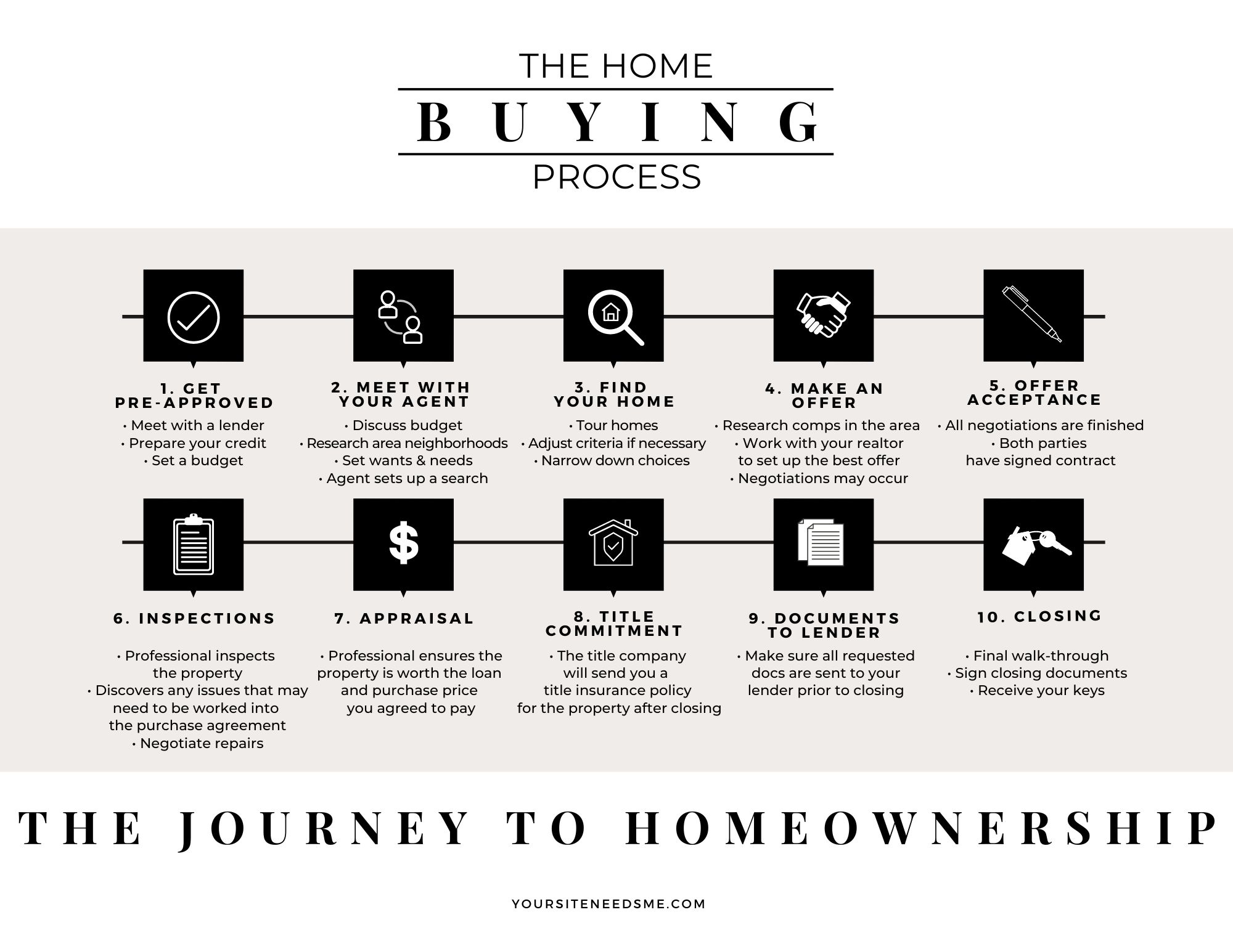
Once fit is settled, most of the remaining risk sits in the closing process itself.
- Skipping a licensed OSSP septic inspection on an existing home, now that Virginia’s HB 2671 sets specific standards for how that inspection has to be performed when one is contracted for.
- Financing a land purchase like a house purchase, then discovering mid-contract that a conventional lender won’t touch a vacant lot.
- Assuming a subdivision’s dues cover more than they do: a golf-community fee doesn’t necessarily include road plowing or water service; ask the POA what’s included, line by line.
Comments